Airfares : heading for a historic price rise
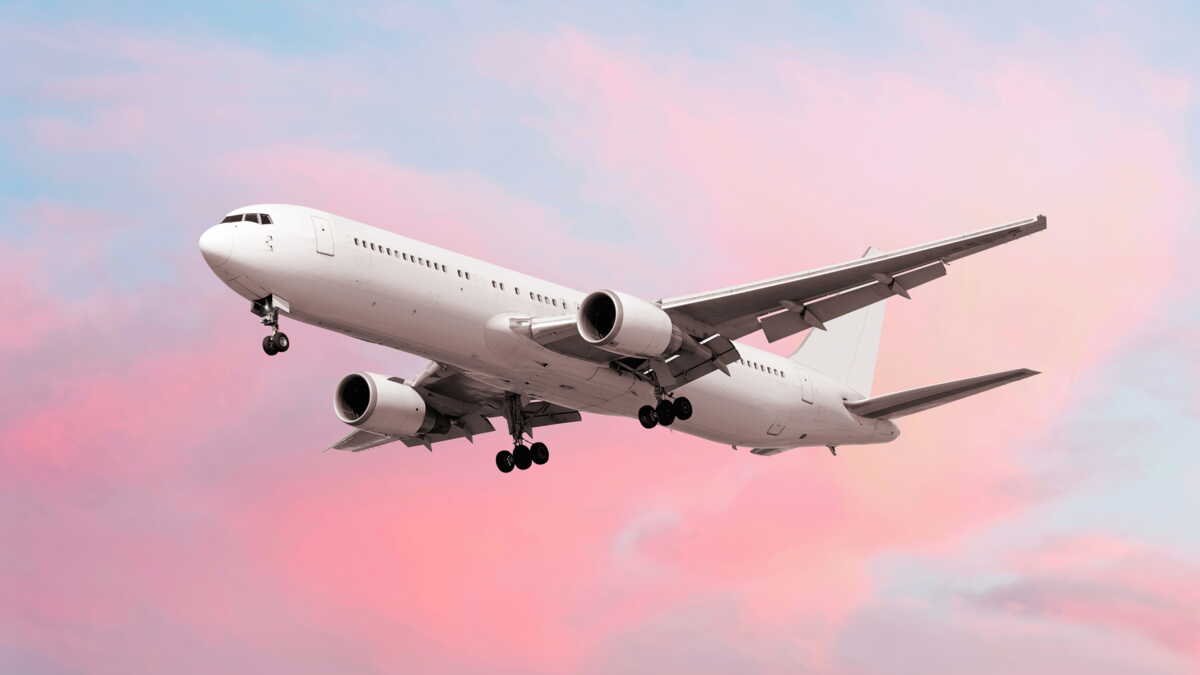
Airfares between Europe and Morocco could see an unprecedented rise as early as next spring. Michael O’Leary, the chief executive of Ryanair, has warned of a potential increase of up to 20 per cent due to the dramatic surge in kerosene prices.
Travelling between Europe and the Maghreb is likely to become significantly more expensive over the coming months. At a press conference held on Tuesday 20 October in Brussels, Michael O’Leary, the chief executive of the low-cost airline Ryanair, announced an upward revision of fare structures across the European market. According to the CEO’s forecasts, airfares could jump by 10, 15 or even 20 per cent over the coming year. For a family that usually spends 1,000 euros on trips to Morocco, the total cost could therefore rise to as much as 1,200 euros. This prospect is of particular concern to the Moroccan community living in France, Belgium, the Netherlands and Spain, who travel regularly to the Kingdom.
The main cause of this fare pressure lies in the sharp rise in the price of kerosene on international markets. According to data provided by the International Air Transport Association, the average price of aviation fuel rose by nearly 128 per cent over the course of a year, reaching over 207 dollars per barrel in Europe in mid-October. Whilst airlines have so far managed to contain the rise thanks to financial hedging contracts negotiated in advance, this protection is coming to an end. From next April, the majority of Ryanair’s and its competitors’ fuel supplies will be directly exposed to market fluctuations, which will inevitably be passed on to the end passenger.
On top of rising fuel costs, there has been an overall reduction in the number of seats available across Europe. Recent bankruptcies amongst industry players and the takeover of several regional airlines are reducing competition, whilst tax increases are prompting some carriers to review their flight schedules. For example, Ryanair has already officially announced the cancellation of over one million seats and twenty routes from Belgium for the winter season. Despite this challenging climate, the Irish airline is maintaining its strategic push into the Moroccan market by announcing the launch of new routes to Tangier and Marrakesh for next summer, with final fares to be revealed when bookings open.
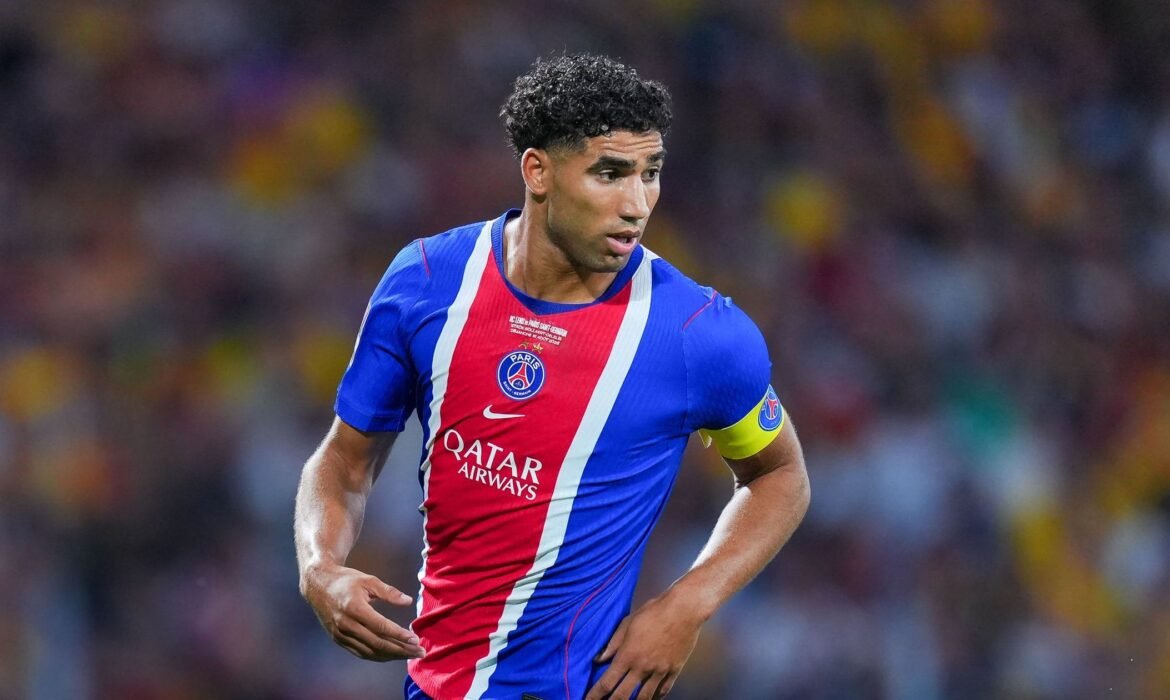
Champions League: Hakimi one assist away from Eto’o’s record
Following another masterclass performance in PSG’s 4–2 victory over FC Barcelona, Achraf Hakimi recorded his 19th assist in the Champions League. The Moroccan international is thus closing in on Cameroonian legend Samuel Eto’o, the current holder of the African record in the competition.
Achraf Hakimi continues to write his name in the annals of continental and European football in letters of gold. During Paris Saint-Germain’s brilliant 4–2 victory over FC Barcelona, the Moroccan international right-back once again demonstrated his vision by providing a crucial assist. This latest contribution brings his personal tally to 19 assists in Europe’s most prestigious competition. Thanks to this performance, the Parisian defender joins Egyptian forward Mohamed Salah and is now just one assist away from the all-time record held by former Cameroonian striker Samuel Eto’o, who has 20 assists to his name in the Champions League.
As he approaches his 28th birthday, the Moroccan international has a golden opportunity to surpass the Cameroonian icon’s record as early as this European campaign. This new statistical target comes on the heels of a series of exceptional team successes. By lifting the Champions League trophy with the capital club in 2025 and then in 2026 – adding to his very first title won with Real Madrid in 2018 – Hakimi has already equalled Samuel Eto’o’s tally of European titles, with three Champions League trophies to his name. For the record, the legendary Indomitable Lions striker won the competition twice with FC Barcelona in 2006 and 2009, before lifting it again whilst playing for Inter Milan in 2010.
Beyond the European stage, Achraf Hakimi is confirming, week after week, his status as a global icon of modern football. With an impressive tally of 19 major trophies won throughout his career, the Moroccan has established himself as one of the most successful and influential African players of his generation. The quest for that 21st Champions League assist now represents a symbolic milestone for the Parisian player, who is well on his way to cementing his name at the very top of the continent’s footballing statistics for the long term.
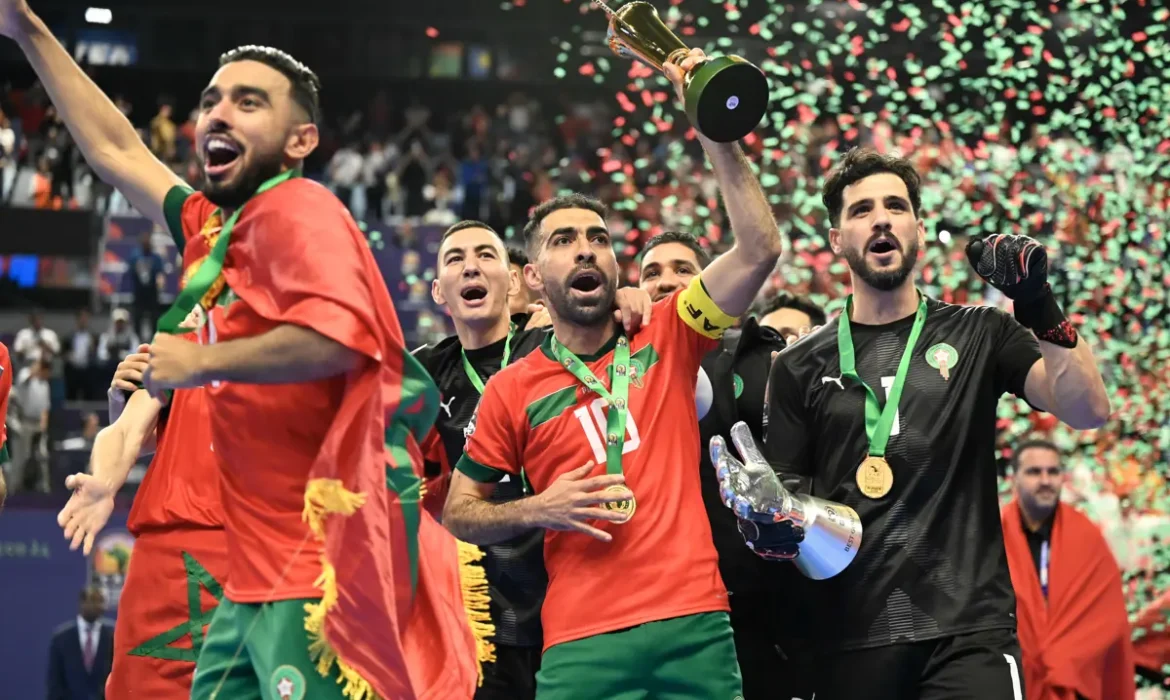
Futsal Africa Cup of Nations: Morocco clinches its fourth consecutive title in Rabat!
In front of their home crowd in Rabat, the Moroccan futsal team won the 2026 African Cup of Nations final, beating Angola 5–2. The Atlas Lions have confirmed their absolute supremacy on the African continent by clinching a fourth consecutive title.
The Atlas Lions’ reign over African futsal continues in spectacular fashion. On Wednesday 21 October 2026, following a masterfully controlled and festive final at the Prince Moulay Abdellah Sports Complex in Rabat, the national team claimed the African crown for the fourth time in a row.
Following their triumphs in 2016, 2020 and 2024, Morocco has added a fourth star to its shirt. Following this historic victory, His Majesty King Mohammed VI extended his warmest congratulations to the players and the entire coaching staff.
In a frenzied atmosphere, Angola initially showed promising attacking intent before coming under pressure from Morocco. Othmane Idrissi broke the deadlock in the 17th minute with a powerful strike, but the Angolans reacted immediately, with João Josemar Cambangula equalising just a minute later
Voted man of the match, Youssef Jouad restored his side’s lead in the 19th minute, just before half-time. After the break, spurred on by an exceptional display of support from the crowd, Driss Raiss El Fenni in the 21st minute, Ismael Amazal in the 33rd minute and Bilal Bakkali in the 35th minute sealed victory for the defending champions. Anderson Fortes’ goal for Angola in the 37th minute did nothing to alter the outcome of this final.
This fourth consecutive title caps off an absolutely flawless campaign under head coach Hicham Dguig. The Moroccans racked up five convincing victories, beginning their campaign with clear-cut wins against Algeria (4–0), Zambia (7–0) and Libya (6–0). They then saw off Egypt in the semi-final with a 6–0 victory before finishing in style against Angola.
In total, the Moroccan attack scored 28 goals whilst conceding just two throughout the tournament. Beyond the purely sporting aspect, this Africa Cup of Nations, held in Rabat, confirms the Kingdom’s expertise in hosting major international events, characterised by packed stadiums and sustained public enthusiasm.
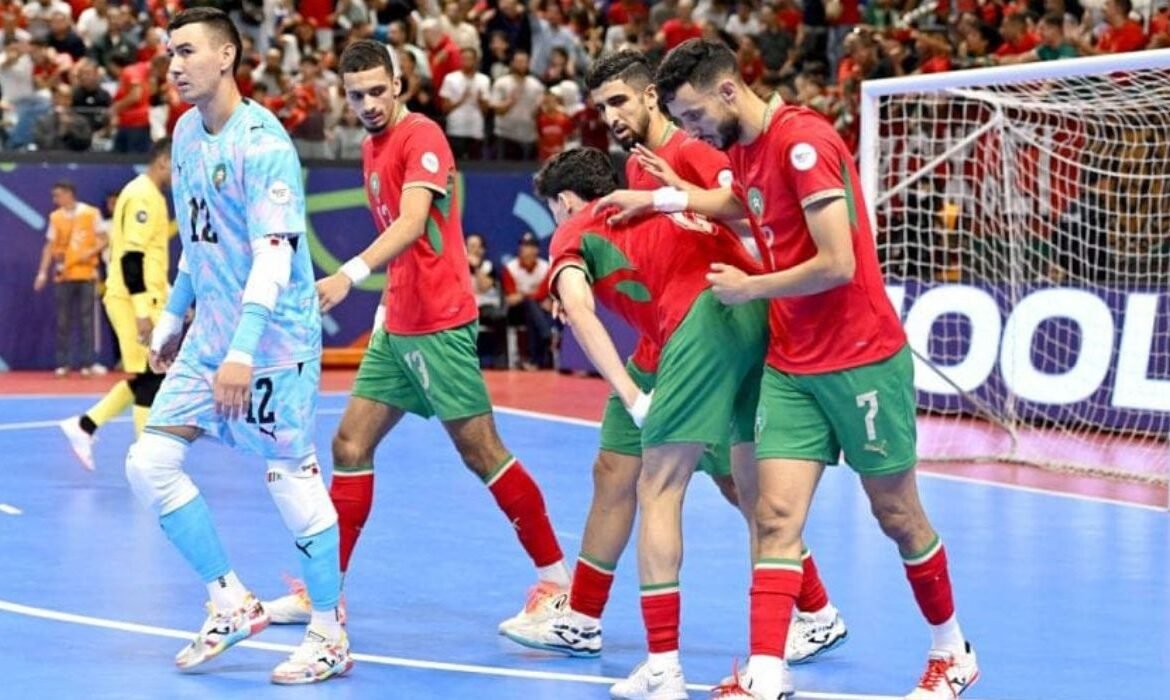
Futsal Africa Cup of Nations : Morocco through to the final to face Angola!
Having secured a resounding 6–0 victory over Egypt in the semi-final, the Atlas Lions face Angola this Wednesday evening at the Prince Moulay Abdellah Sports Complex in Rabat. Hicham Dguig’s men have their sights set on a fourth consecutive continental title.
Morocco are closer than ever to achieving another historic feat. On Monday evening in Rabat, Hicham Dguig’s men put in a masterclass against Egypt (6–0) in the semi-final of the 2026 African Futsal Nations Cup, dominating the match from start to finish in front of a frenzied crowd.
This Wednesday, 21 October, the national team will face Angola in the competition’s final showdown, aiming to secure a fourth consecutive continental title for the Kingdom.
A perfect run : 23 goals scored, 0 conceded
Against the Pharaohs, three-time African champions in the sport, Morocco once again demonstrated its technical and tactical superiority. Soufian Charraoui was on fire, scoring a resounding hat-trick, supported by a brace from Ismael Amazal and a goal from Bilal Bakkali.
This qualification for the final caps off an exceptional run since the tournament kicked off:
• Group stage : Victories against Algeria (4–0), Zambia (7–0) and Libya (6–0).
• Semi-final : Victory over Egypt (6–0).
With an impressive record of 23 goals scored and none conceded in four matches, Bilal Bakkali’s team-mates are demonstrating remarkable consistency and defensive discipline.
Angola : the final hurdle on the road to a fourth consecutive title
This Wednesday, 21 October at 8.00 pm (local time), in the sweltering atmosphere of the Prince Moulay Abdellah Sports Complex in Rabat, Morocco will face Angola in the final. The Angolans secured their place in the final by beating Algeria 3–2 in the other semi-final, having notably dominated Egypt in the group stage.
Having already been crowned champions in 2016, 2020 and 2024, the Atlas Lions have the chance to write another glorious chapter in the history of African futsal in front of their home crowd. The whole country is united in cheering the team on towards an unprecedented fourth title. Dima Maghrib!
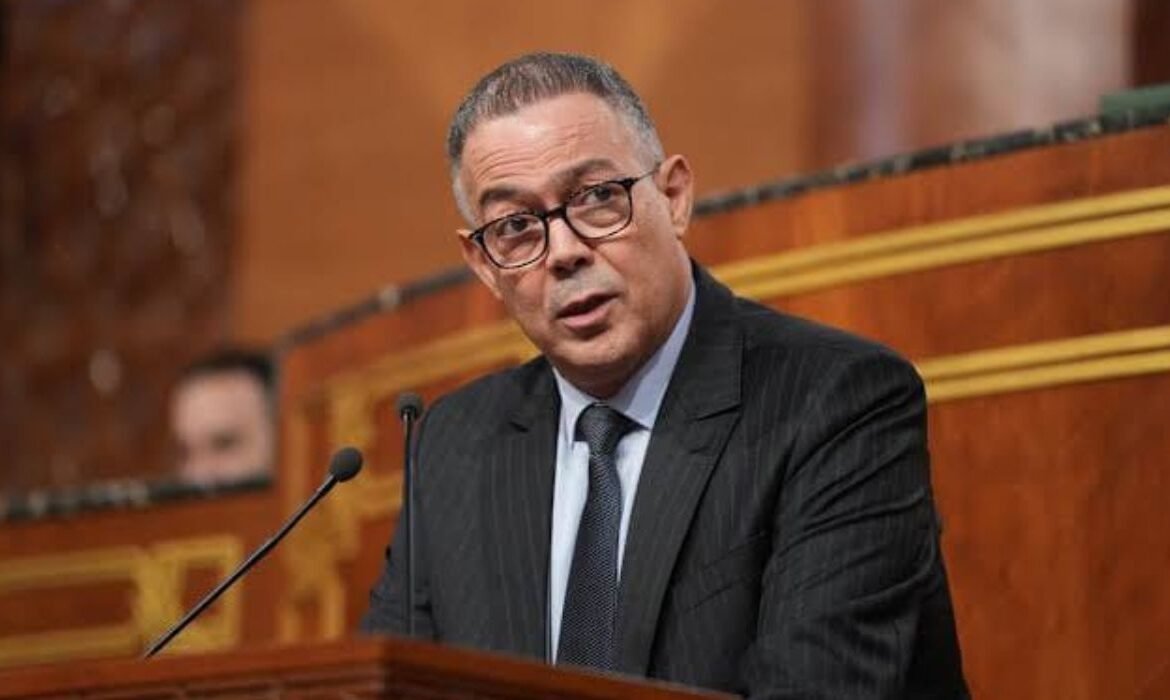
Fouzi Lekjaa : from football to the Ministry of Finance
Appointed Minister for the Economy, Finance and Public Performance on 16 October 2026 by King Mohammed VI, Fouzi Lekjaa has taken the helm of a major strategic portfolio. We take a look back at the career and approach of a great manager who has taken Moroccan football to the very top of the world.
16 October 2026 marked a major milestone for Fouzi Lekjaa, as he took the reins of the Ministry of the Economy, Finance and Public Performance. Before becoming the Kingdom’s chief financial officer, this man of rigour established himself as the architect of Morocco’s sporting renaissance by applying an approach centred on performance, infrastructure and long-term vision.
A management style that has made Morocco a global footballing power
Elected president of the Royal Moroccan Football Federation (FRMF) in 2014, Fouzi Lekjaa prioritised laying the foundations. Symbolising this ambition, the 2019 inauguration of the Mohammed VI Football Complex, now one of the most modern sports centres in the world – served as a springboard for all the national teams.
This high-impact investment policy has led to a string of historic successes:
Senior Men’s Team : Semi-finalists at the 2022 World Cup in Qatar, an absolute first for an African nation.
Women’s national team : First-ever appearance at the World Cup in 2023, reaching the round of 16.
Youth and Futsal Teams : A bronze medal at the Paris 2024 Olympic Games for the Olympic team, the U20 World Cup title in 2025, and three continental titles for the futsal team.
Organisation : Successful hosting of the 2025 Africa Cup of Nations, culminating in the Atlas Lions’ victory.
A managerial approach serving the state’s finances
This exceptional sporting record is based on tried-and-tested management principles: strategic planning, budgetary discipline and effective management of infrastructure projects. Fouzi Lekjaa has a perfect grasp of this rigour at an administrative level, having joined the Ministry of Finance in 1997 before heading the Budget Directorate from 2011, and then serving as Minister of State for the Budget from 2021.
Now at the helm of a ministry expanded to include Public Performance, his remit will be to draft the 2027 Finance Act and to oversee the country’s major socio-economic projects. As First Vice-President of the CAF and a member of the FIFA Council, he brings valuable expertise to the preparations for the 2030 World Cup, a global event where infrastructure development and sound public finances go hand in hand.
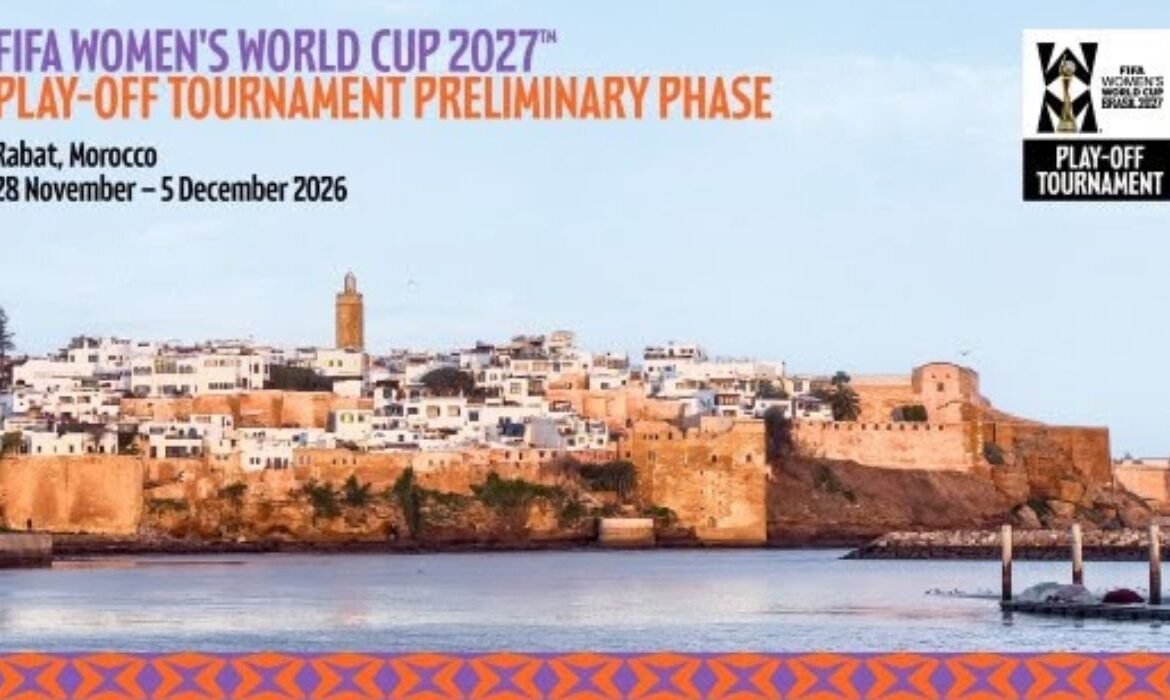
2027 Women’s World Cup: Rabat to host the play-offs
FIFA has selected the city of Rabat to host the preliminary round of the 2027 FIFA Women’s World Cup™ play-off tournament. From 28 November to 5 December, six national teams will compete at the Mohammed VI Complex for a place at the tournament in Brazil.
Morocco is cementing its role as a major hub for world football. FIFA has confirmed that the Kingdom’s administrative capital, Rabat, will host the preliminary round of the play-off tournament for the FIFA Women’s World Cup, Brazil 2027™.
This decisive stage will see six nations from various continental confederations compete in the race to qualify for the first edition of the Women’s World Cup to be held in South America.
Six nations vying for two qualifying places
A total of nine matches will take place during the international window scheduled for 28 November to 5 December. The six teams taking part in this tournament are:
Africa : South Africa, Ghana
South America : Ecuador
Asia : Chinese Taipei, Uzbekistan
Oceania : Papua New Guinea
Each team will play three matches. At the end of this preliminary phase, the top two teams in the overall standings will secure their places in the final phase of the play-off tournament, scheduled for February 2027.
The Mohammed VI Football Complex: the capital of women’s football
All matches will be held at the Mohammed VI Football Complex in Rabat, a venue which is also hosting the FIFA U-17 Women’s World Cup™.
The draw has already determined the fixtures for the opening day :
Uzbekistan – Papua New Guinea
Chinese Taipei – South Africa
Ghana – Ecuador
By entrusting the organisation of this competition to Rabat, FIFA reaffirms its confidence in Morocco’s logistical expertise and world-class facilities.
2025 Africa Cup of Nations Final: CAS to deliver final ruling in November
The Court of Arbitration for Sport (CAS) has issued an official statement regarding the dispute between the Senegalese Football Federation and CAF and the FRMF. The arbitral tribunal has decided to issue a full reasoned award, with the verdict now expected by the end of November 2026.
The legal outcome of the 2025 Africa Cup of Nations final will require a few more weeks of patience. Following the hearing held in camera on 8 October in Lausanne, the Court of Arbitration for Sport (CAS) has provided further details regarding the timetable for its decision.
A full and reasoned award currently under deliberation
In its official statement published on Monday 19 October 2026, the Swiss-based arbitration body stated that the Arbitral Panel has commenced and is continuing its deliberations.
In order to bring this complex case to a definitive close, the CAS arbitrators have chosen to issue a comprehensive ‘CAS award’, including all the grounds and legal basis for their decision. As this in-depth analysis requires several weeks’ work, the final decision is now scheduled for the end of November 2026.
Call for caution regarding official information
In light of the speculation and rumours surrounding this matter over the past several months, the CAS has issued a firm clarification: only information disseminated through its own communication channels and published on its official website is to be regarded as authoritative.
Pending the delivery of the reasoned judgement at the end of November, Morocco retains its status as African champions and is calmly continuing to organise and develop major continental football events on its soil.
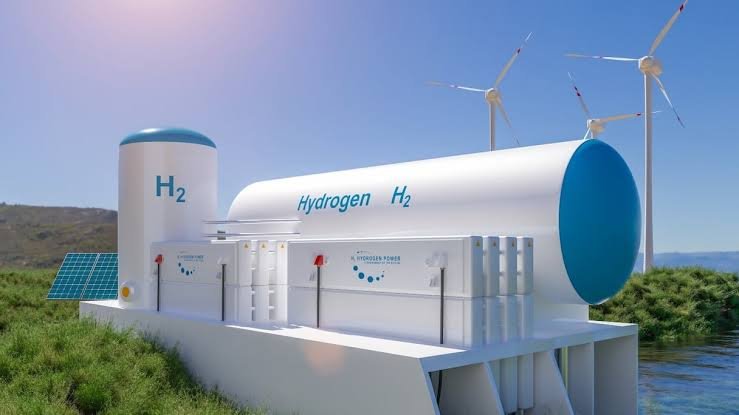
Green hydrogen : Morocco, number one in Africa
In its Global Hydrogen Review 2026 report, the International Energy Agency (IEA) recognises Morocco’s leadership by ranking it first on the continent for the competitiveness of its green hydrogen. This international recognition makes 2026 a pivotal year for the Kingdom’s energy transition.
Morocco is consolidating its position as a pioneer on the African continent. Thanks to a visionary strategy launched as early as 2021, the Kingdom is no longer content merely to set out its ambitions: it now boasts the most competitive production costs in Africa for the energy of tomorrow.
The lowest production cost on the continent
According to the IEA’s forward-looking analyses, Morocco is able to produce green hydrogen from as little as 3.2 dollars per kilo. This price puts it well ahead of other African countries:
Morocco : from 3.2 $/kg
Kenya : from 4.2 $/kg
Mauritania : from $5.1/kg
Namibia and Angola : around $6.5/kg
This significant lead is due to a combination of exceptional solar and wind resources, coupled with a particularly favourable cost of capital – a factor deemed decisive by the IEA. The agency also highlights the clarity of Morocco’s choice: to focus exclusively on 100 per cent renewable hydrogen, unlike other regional players who are maintaining a share of fossil fuels.
2026 : from strategy to industrial achievements
The roll-out of the ‘Morocco Offer’ has created a particularly attractive ecosystem for foreign capital, combining a land bank of 300,000 hectares for its first phase, financial incentives covering up to 30 per cent of the investment, and targeted tax exemptions.
The year 2026 marks a tangible acceleration in project development :
Land agreements : Six major projects have signed land reservation agreements in the southern provinces, led by key players such as the OCP Group and the Taqa Morocco/Cepsa consortium.
Guelmim-Oued Noun pilot project : Led by Masen and backed by a €300 million loan from the German bank KfW, the ‘Power to X’ project aims to produce 10,000 tonnes of green hydrogen annually using a 200 MW hybrid solar-wind power station.
By transforming its natural advantages into industrial assets, Morocco is firmly establishing itself as the future leading energy hub between Africa and Europe.
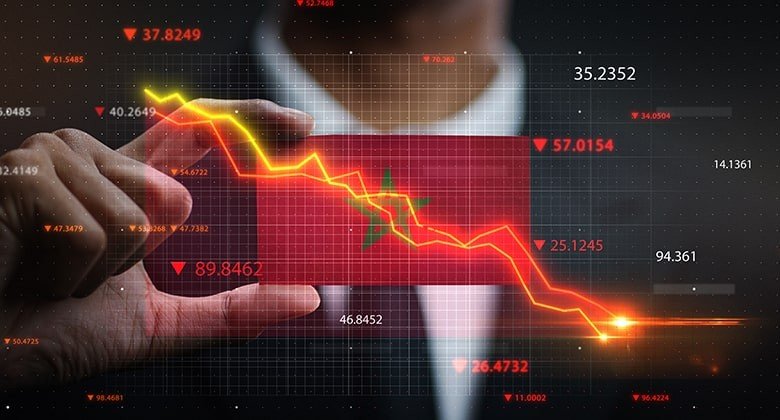
Growth in 2026: Morocco weathering the storm
Despite a turbulent international economic climate, the Moroccan economy is proving its resilience. Driven by a spectacular rebound in the agricultural sector and sustained investment, the High Commission for Planning (HCP) forecasts growth of 4.8 per cent for 2026.
With a cereal harvest approaching record levels and the roll-out of nationwide construction projects in the run-up to the 2030 World Cup, the Kingdom is demonstrating its ability to stay on course whilst other regional and global economies falter.
An exceptional harvest and investment in full swing
After several growing seasons marked by water stress, Morocco’s agricultural sector is making a strong comeback. For the 2025–2026 growing season, the cereal harvest is estimated at nearly 90 million quintals. This recovery enables the HCP to forecast a spectacular 19.1 per cent increase in agricultural value added for the year 2026.
The other major pillar of this momentum lies in investment in equipment and infrastructure:
Gross Fixed Capital Formation (GFCF) : Expected to rise by 9.5 per cent, driven by major road, port and rail development projects linked to hosting the 2030 World Cup.
Public finances : Fiscal discipline continues, with the deficit expected to stand at 3.4 per cent of GDP in 2026 (compared with 3.5 per cent in 2025).
A performance praised by international institutions
These results have been very well received by international donors. In its October 2026 World Economic Outlook, the International Monetary Fund (IMF) credits Morocco with growth of 4.5 per cent and inflation held at a very low level of 0.9 per cent. This is a remarkable achievement, given that the Middle East and North Africa (MENA) region is expected to contract by 2 per cent and global growth is set to peak at 3.1 per cent.
Whilst the slowdown among certain European partners and the rise in imports (+10.5 per cent in value according to the HCP) are weighing on the trade balance, this increase in foreign purchases primarily reflects the country’s massive investment drive.
Bolstered by robust tourism revenue and the inflow of foreign direct investment (FDI), these strategic imports confirm Morocco’s strategy: investing today to build the drivers of tomorrow’s growth.
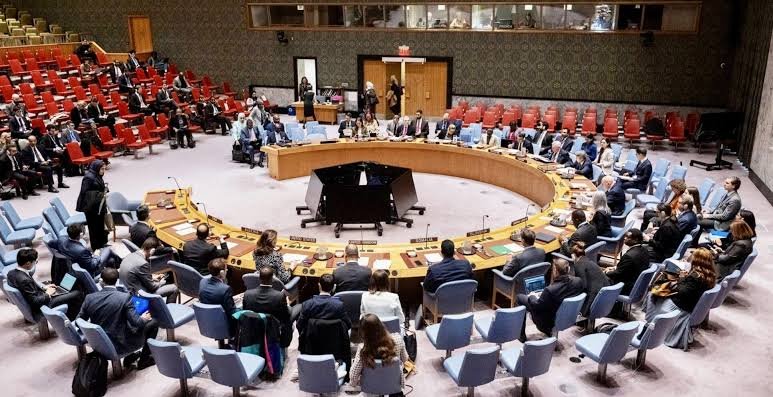
Moroccan Sahara : support for autonomy grows
With two weeks to go until 31 October, the date on which MINURSO’s mandate expires, Moroccan diplomacy is enjoying a string of international successes. Before the UN Fourth Committee, The Gambia and numerous other nations reaffirmed their unreserved support for the autonomy plan and for Morocco’s sovereignty over its southern provinces.
One year on from the adoption of Security Council Resolution 2797, the autonomy initiative put forward by Morocco stands out more than ever as the sole basis for resolving the regional dispute.
As the UN Security Council prepares to decide on the renewal of the UN mission, the Kingdom approaches this deadline from a position of strength, buoyed by favourable international momentum and by the first celebration, on 31 October, of Eid Al Wahda (the Festival of Unity).
A wave of international support at the UN
The proceedings of the Fourth Committee of the UN General Assembly in New York have once again highlighted the international support for Morocco’s position:
Key statements : The Gambia reaffirmed its commitment to “the sovereignty and territorial integrity of the Kingdom of Morocco over the Sahara region” and its “unwavering” support for the autonomy plan, which it described as “a credible, realistic and pragmatic starting point”.
Converging support : Liberia — a non-permanent member of the Security Council —, Jordan, Burundi, Dominica, Saint Vincent and the Grenadines, and Equatorial Guinea all expressed the same position. The Liberian delegation, in particular, described the Moroccan proposal as the ‘most realistic and achievable basis’.
Meanwhile, on the humanitarian front in Geneva, Ambassador Omar Zniber urged the UNHCR Executive Committee to ensure that international aid destined for the Tindouf camps is channelled towards durable solutions: “Assistance must not fund the perpetuation of refugee status but rather the solutions it provides,” he stated, emphasising that a majority of major donor states support this vision.
The autonomy plan at the centre of political discussions
Security Council Resolution 2797 enshrined the primacy of the Moroccan proposal. At the instigation of the United States, three rounds of talks were held in Washington and Madrid in 2026, bringing together Morocco, Algeria, Mauritania and the Polisario Front to discuss the autonomy plan.
In his latest annual report, UN Secretary-General Antonio Guterres formally recommends extending MINURSO’s mandate for a further year whilst exploring avenues for effective autonomy.
Regional influence bolstered by the Atlantic Initiative
In terms of regional geopolitics, Morocco’s position stands in stark contrast to the diplomatic difficulties faced by Algiers, which has been weakened by its recent tensions with the Alliance of Sahel States (Mali, Niger, Burkina Faso).
Meanwhile, Rabat is consolidating its strategic alliances : King Mohammed VI brought together the foreign ministers of these three Sahel countries, who reaffirmed their full and unwavering commitment to the Royal Initiative for the Sahel countries’ access to the Atlantic Ocean.
Bolstered by these diplomatic and territorial achievements, Morocco is preparing to celebrate, on 31 October, Eid Al Wahda, established by the sovereign, thereby cementing the Kingdom’s national unity and territorial integrity.