2026 World Cup: Ouahbi sets out Morocco’s ambitions
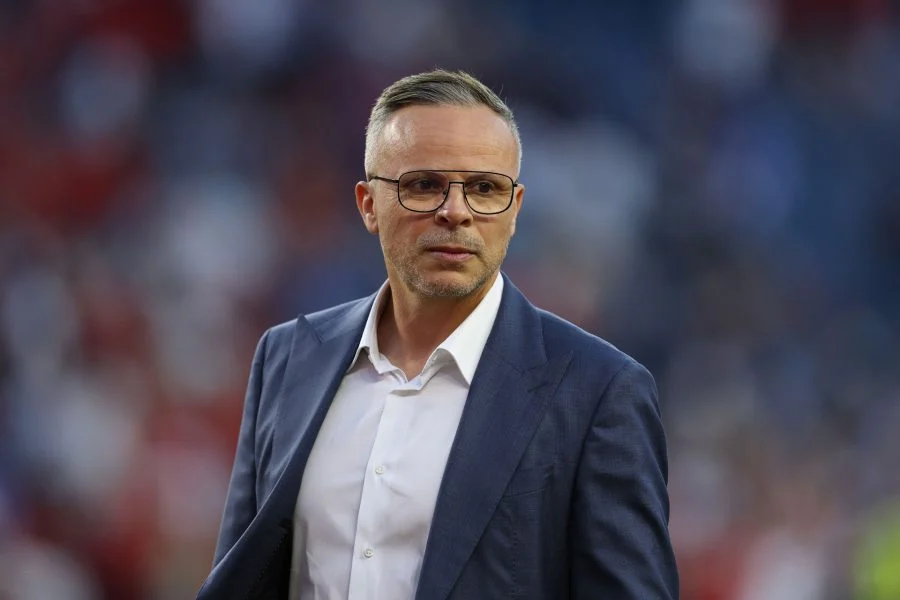
Morocco has no intention of resting on its laurels. Following the Atlas Lions’ brilliant qualification for the quarter-finals of the 2026 World Cup thanks to their 3–0 victory over Canada, head coach Mohamed Ouahbi has set out his team’s ambitions. Whilst praising his players’ performance, the Moroccan manager believes this squad still has room for improvement and can continue to make history.
Ouahbi: “It’s no longer a surprise”
At a press conference, Mohamed Ouahbi reflected on the tactical adjustments that enabled Morocco to turn the match around after a difficult first half against Canada’s high press.
> “We had to sort out a few minor issues. Thanks to video analysis and discussions with the coaching staff, we managed their pressing much better in the second half. We were more in control and found the spaces they were leaving.”
The Atlas Lions’ manager also emphasised the collective effort of his coaching staff.
“We have a high-performing coaching staff. Ideas come from everyone; we take the best ones on board, and today that has once again paid off.”
For Mohamed Ouahbi, Morocco’s status on the international stage has now changed.
“These days, it comes as no surprise. When we talk about Morocco, we’re talking about a contender, a great nation. But this is only the beginning. We want to go even further, with the same ambition, the same confidence and, above all, the same humility. ”
The Moroccan manager also paid tribute to the youth development work carried out in the Kingdom, mentioning in particular the Mohammed VI Academy, which he considers a cornerstone of the development of national football.
Ounahi and Bouaddi praise the strength of the team
After scoring a brace and being named man of the match, Azzedine Ounahi acknowledged that Canada had posed real problems for the Atlas Lions before the break.
“It was a difficult, very intense match. At half-time, we had a lot of discussions with the coach and the staff. In the second half, we managed to impose our style of play and capitalise on our chances. ”
Ayyoub Bouaddi shared this view, emphasising the importance of the tactical adjustments made at half-time.
“Canada were very well organised in the first half. We worked out a solution with the coach and that was evident as soon as we came back from the dressing room.”
France await Morocco
A few hours after the Atlas Lions secured their place in the quarter-finals, France in turn booked their spot by beating Paraguay 1–0. The two sides will meet on 9 July in Boston for a highly anticipated clash.
Ahead of this clash, Didier Deschamps praised Morocco’s progress.
“Morocco are one of the best teams. What I saw today confirms everything I thought about this side. Nobody reaches the World Cup quarter-finals by chance. ”
Buoyed by growing confidence and a solid team spirit, the Atlas Lions now head into this quarter-final with the ambition of continuing their historic run and bringing Moroccan football one step closer to another world-class achievement.
2026 World Cup: Didier Deschamps praises Morocco ahead of the quarter-final
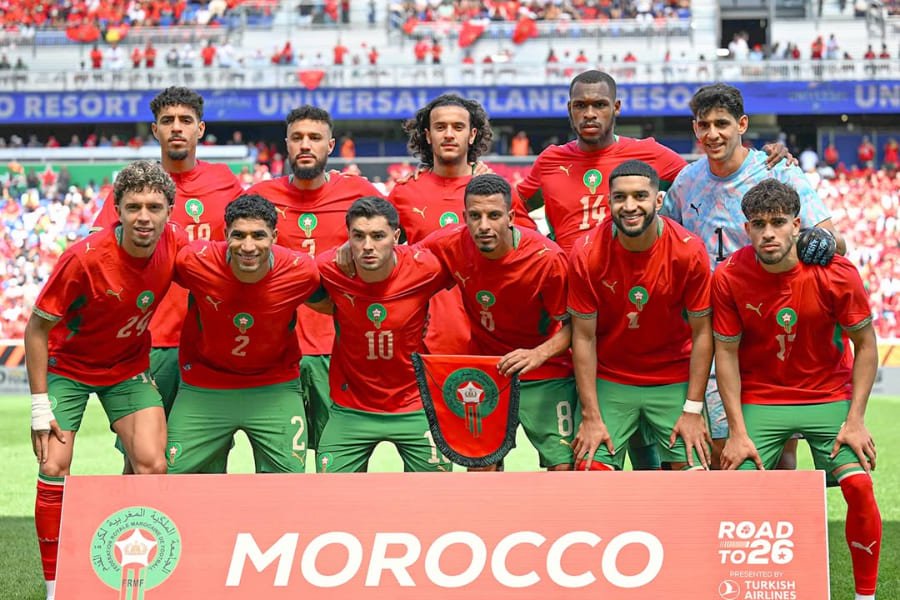
Morocco continues to command the respect of football’s leading nations. Following the Atlas Lions’ qualification for the quarter-finals of the 2026 World Cup, France’s manager, Didier Deschamps, praised the qualities of the Moroccan side ahead of the clash between the two teams.
Speaking at a press conference following Les Bleus’ 1–0 victory over Paraguay, the French manager said that Morocco’s run in the tournament confirmed the full potential of the Atlas Lions.
“Morocco are a very good team”
Didier Deschamps pointed out that Morocco’s qualification for the quarter-finals was by no means a fluke, highlighting the consistency and quality of the Moroccan side.
“Based on what they’ve done, and what I saw in the match against Canada, this confirms that Morocco are a very good team. Morocco didn’t reach the World Cup quarter-finals by chance. Obviously, they have what it takes to do so,” said the French manager.
The 2018 World Cup winner also spoke of the historic run achieved by the Atlas Lions at the 2022 World Cup in Qatar, where they became the first African and Arab side to reach the semi-finals.
A highly anticipated clash between Morocco and France
Morocco will face France on 9 July in Boston in a highly anticipated quarter-final fixture at the 2026 World Cup. Mohamed Ouahbi’s side will be looking to continue their campaign and secure a place in the semi-finals of the competition against one of the tournament favourites.
This match is shaping up to be one of the highlights of the 2026 World Cup, with the Atlas Lions determined to write a new chapter in the history of Moroccan football.
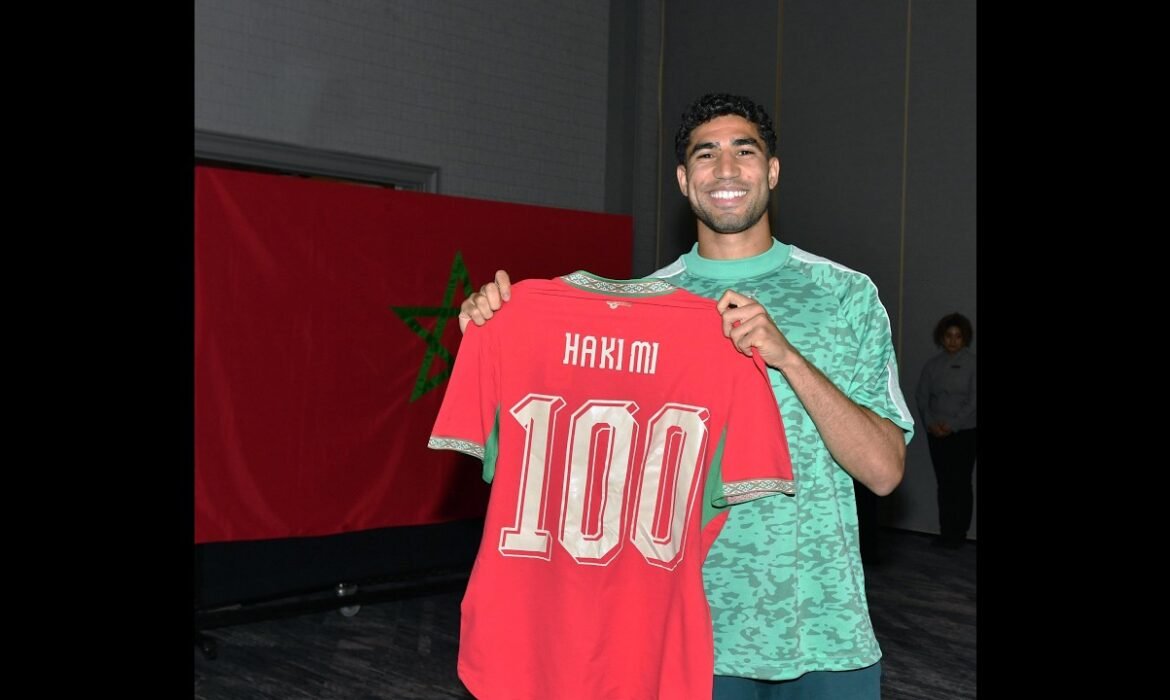
2026 World Cup: Morocco celebrates Achraf Hakimi’s 100th cap
Just a few hours before their 2026 World Cup round of 16 tie against Canada, the Atlas Lions paid a heartfelt tribute to Achraf Hakimi. Gathered in Houston, the players, coaching staff and officials from the Royal Moroccan Football Federation (FRMF) celebrated the Moroccan captain’s 100 caps, cementing his place in the national team’s history.
The ceremony took place in the presence of the FRMF president, Fouzi Lekjaa, as well as the entire Moroccan delegation. It was an emotional moment to honour the exceptional career of one of Moroccan football’s greatest ambassadors.
Hakimi, a symbol of Moroccan football
At just 27 years of age, Achraf Hakimi has reached the symbolic milestone of 100 matches in the Atlas Lions’ shirt. Since making his international debut, the right-back has established himself as one of the best players in his position and as a key leader of the current Moroccan generation.
Through his commitment, consistency and dedication to the national team, the Paris Saint-Germain player has played a major part in Morocco’s recent successes, both in the Africa Cup of Nations and the World Cup.
Fouzi Lekjaa pays tribute to an exemplary leader
On this occasion, Fouzi Lekjaa congratulated Achraf Hakimi on this milestone in his international career. The FRMF president praised his professionalism, his dedication to the national team and his major role in raising the profile of Moroccan football on the international stage.
He also encouraged the captain of the Atlas Lions to continue on his path and further add to his honours list with Morocco.
“A source of immense pride”
Visibly moved, Achraf Hakimi shared this honour with everyone who has supported him since his debut for the national team.
The Moroccan captain notably expressed his gratitude to His Majesty King Mohammed VI for his constant support of national football. He also thanked Fouzi Lekjaa, the coaching staff, his team-mates and all those who have contributed to his journey whilst wearing the Atlas Lions’ shirt.
On the eve of a decisive match against Canada, this tribute highlights Achraf Hakimi’s importance to the Moroccan national team. More than just a player, the captain of the Atlas Lions has become one of the symbols of Moroccan football and one of the key figures driving the Kingdom’s ambitions on the international stage.
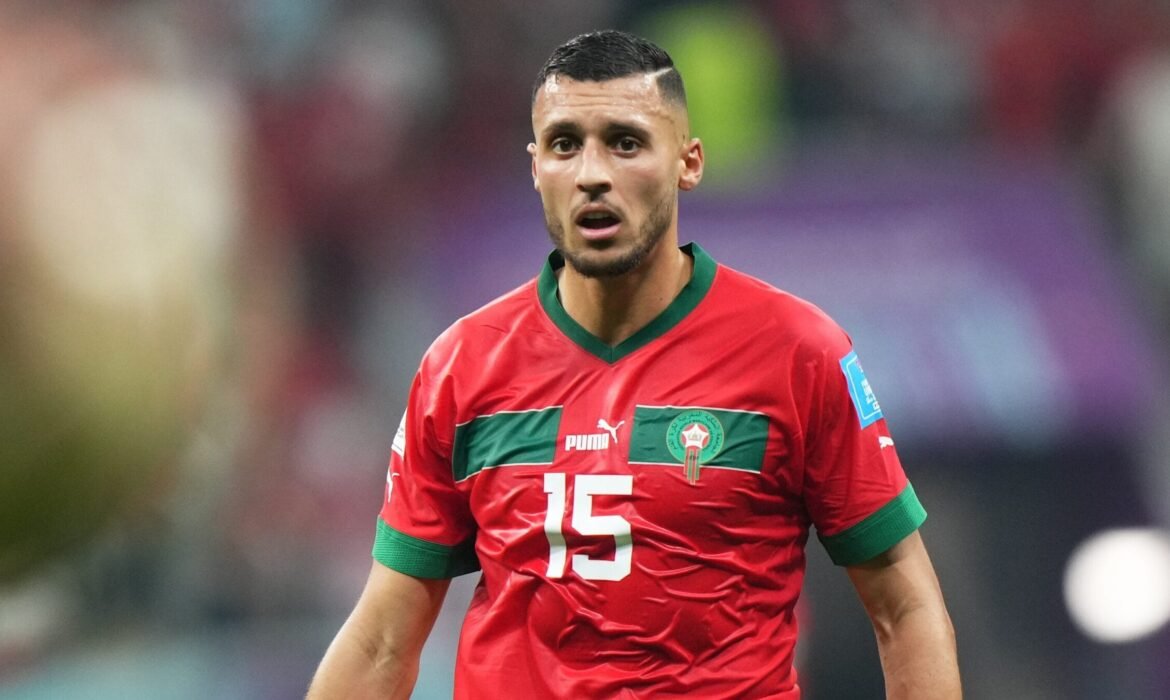
2026 World Cup: Amallah is wary of Canada
With just a few hours to go before the 2026 World Cup round of 16 match between Morocco and Canada, Selim Amallah has called for caution. In an exclusive interview with Le360 Sport, the Atlas Lions midfielder emphasised the need not to underestimate the Canadian side, despite Morocco’s previous victory over them at the 2022 World Cup.
The Moroccan international reflected on Morocco’s historic victory over Canada in Qatar, whilst pointing out that this new encounter will be very different. In his view, the Atlas Lions will need to approach this fixture with the utmost seriousness if they are to continue their run in the competition.
“It will be a match not to be taken lightly,” warned Selim Amallah.
The midfielder believes the Canadian side have improved since the last World Cup and now have greater experience on the international stage. He therefore expects a hard-fought encounter, where every detail could make the difference.
Buoyed by their victory over the Netherlands, the Atlas Lions go into this round of 16 tie aiming to secure a place in the quarter-finals and keep their World Cup dream alive. Mohamed Ouahbi’s men are once again counting on their collective strength to take another step forward against Canada.

Morocco: 66th in the world for use of Anthropic’s Claude AI
Morocco continues to make strides in the adoption of artificial intelligence technologies. According to the latest Anthropic Economic Index, the Kingdom ranks 66th in the world for its use of Claude, the generative AI platform developed by Anthropic.
Published by the US company, this index analyses how individuals and businesses use Claude across 121 countries. In particular, it assesses the level of usage of the platform relative to each country’s population, thereby providing an overview of the adoption of artificial intelligence on a global scale.
Morocco ahead of several countries in the region
In this ranking, Morocco is in 66th place worldwide, between Kuwait (65th) and Malaysia (67th). Within the North Africa and Middle East region, the Kingdom ranks behind Tunisia (47th), but ahead of Algeria (82nd) and Egypt (98th).
The index divides countries into four categories according to their level of Claude usage: leaders, above average, below average and emerging. Morocco is among the countries showing an intermediate level of adoption.
IT dominates usage in Morocco
The Anthropic Economic Index shows that Moroccan users mainly use Claude in the fields of computer science and mathematics, which account for 25.6 per cent of recorded conversations.
Education and libraries come in second place with 15.6 per cent, ahead of the arts, design, entertainment, sport and the media (13.2 per cent). The sales (7.3 per cent) and management (5.4 per cent) sectors round off the main uses of the platform in Morocco.
The study also reveals the six most common uses of Claude in the Kingdom: school homework, writing personal profiles, developing web interfaces, creating promotional content, designing presentations and providing support for launching entrepreneurial projects.
Australia tops the global rankings
Internationally, Australia ranks first in the Anthropic Economic Index. It is followed by Singapore, Switzerland, Luxembourg and New Zealand.
This ranking illustrates the growing adoption of artificial intelligence worldwide and highlights Morocco’s rising prominence in the use of generative AI tools, both in education and in professional and entrepreneurial activities.

2026 World Cup: Rotterdam closes its city centre ahead of Morocco v Canada
The excitement surrounding the Atlas Lions extends beyond Morocco’s borders. Ahead of the 2026 World Cup round of 16 match between Morocco and Canada, the authorities in Rotterdam have decided to close several streets in the city centre in anticipation of the gatherings of Moroccan supporters expected this Saturday.
This decision comes a few days after Morocco’s historic victory over the Netherlands. The Atlas Lions’ win sparked huge celebrations in several European cities, notably in Rotterdam.
Several roads closed ahead of Morocco v Canada
Rotterdam City Council has announced that, from 8 pm, the following streets will be closed: Coolsingel, Karel Doormanstraat, Eendrachtsplein, Mauritsweg, Stationsplein, Kruisplein, as well as the elevated road running alongside Weena.
West-Kruiskade and 1e Middellandstraat will also be closed, whilst Kruiskade will be inaccessible from 7 pm, as part of measures already in place to prevent public disorder. The authorities have, however, stated that the Weena tunnel and car parks in the area will remain open.
Measures following celebrations by Moroccan supporters
These restrictions follow the scenes of jubilation that accompanied Morocco’s victory over the Netherlands. Thousands of Atlas Lions supporters had flooded the streets of Rotterdam to celebrate their team’s qualification.
According to local media, the police intervened after around 90 minutes of celebrations in order to restore traffic flow and maintain order. Four people were arrested at the end of the celebrations.
With just a few hours to go before the clash between Morocco and Canada, the Dutch authorities are seeking to manage any further gatherings, whilst enthusiasm for the Atlas Lions continues to rally the Moroccan diaspora across Europe.
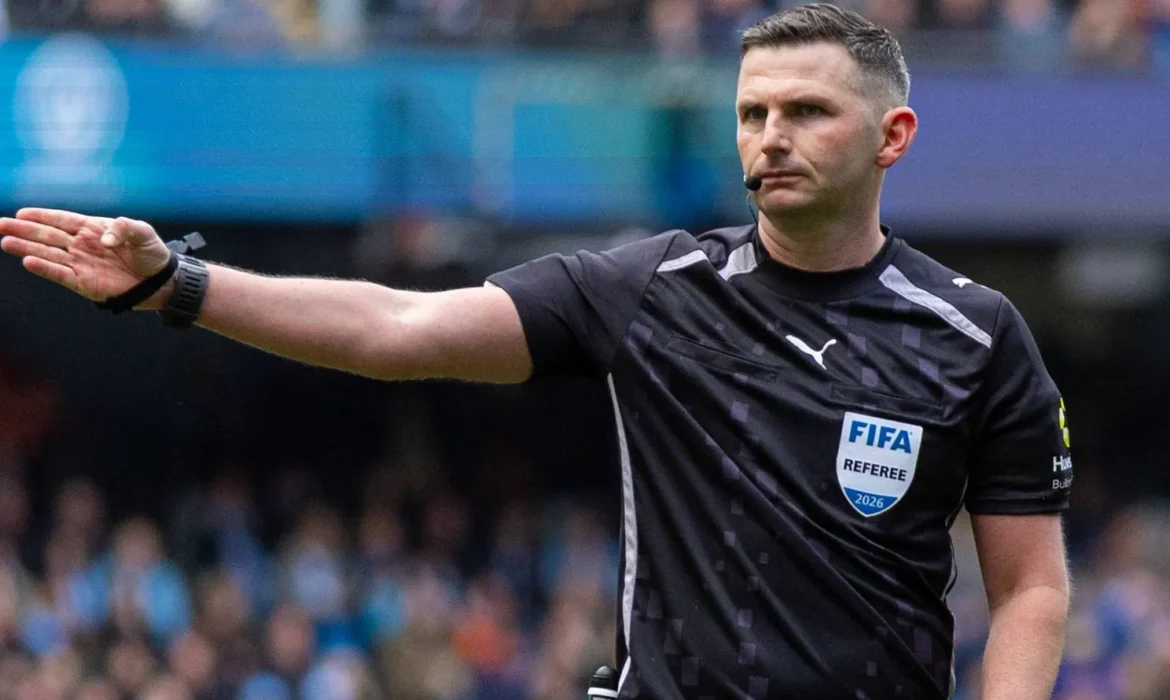
Morocco v Canada: Michael Oliver to referee the round of 16 tie
Morocco now knows the identity of the referee who will take charge of their 2026 World Cup round of 16 tie against Canada. FIFA has appointed Englishman Michael Oliver to referee the match, scheduled for Saturday at Houston Stadium.
The experienced English referee will be assisted by his compatriots Stuart Burt and James Mainwaring, who will serve as first and second assistant referees respectively.
Dutch referee Danny Makkelie has been appointed as the fourth official. His compatriot Hessel Steegstra will act as the reserve assistant referee.
The winner of this clash between Morocco and Canada will secure their place in the quarter-finals of the 2026 World Cup, where the Atlas Lions will aim to continue their historic run.
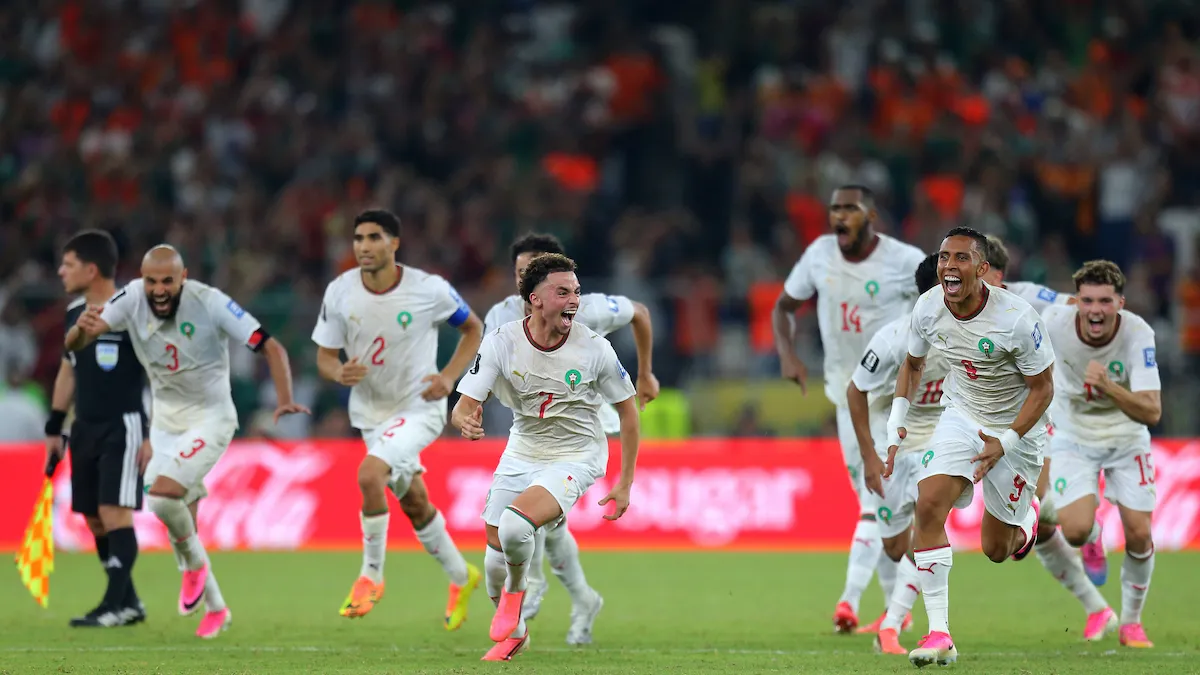
Morocco v Canada: what time and on which channels?
Morocco are continuing their World Cup dream. After knocking out the Netherlands following a nail-biting penalty shoot-out (1–1, 3–2), the Atlas Lions face Canada in the round of 16 at the 2026 World Cup. Mohamed Ouahbi’s men will be aiming to secure a historic place in the quarter-finals and continue their remarkable journey in the United States.
Buoyed by a remarkable run, the Moroccan side will face a Canadian team playing in front of their home crowd, with the ambition of reaching the world’s top eight. Once again, large numbers of Atlas Lions supporters will be tuning in to watch this decisive match.
What time is the Morocco v Canada match?
The round of 16 match between Morocco and Canada will take place on Saturday 4 July 2026 at 9.00 pm (Moroccan time).
Which channels are showing Morocco v Canada?
The match will be broadcast live on the channels holding the broadcasting rights for the 2026 World Cup in Morocco. Supporters of the Atlas Lions will also be able to watch the match live on the broadcasters’ official platforms.
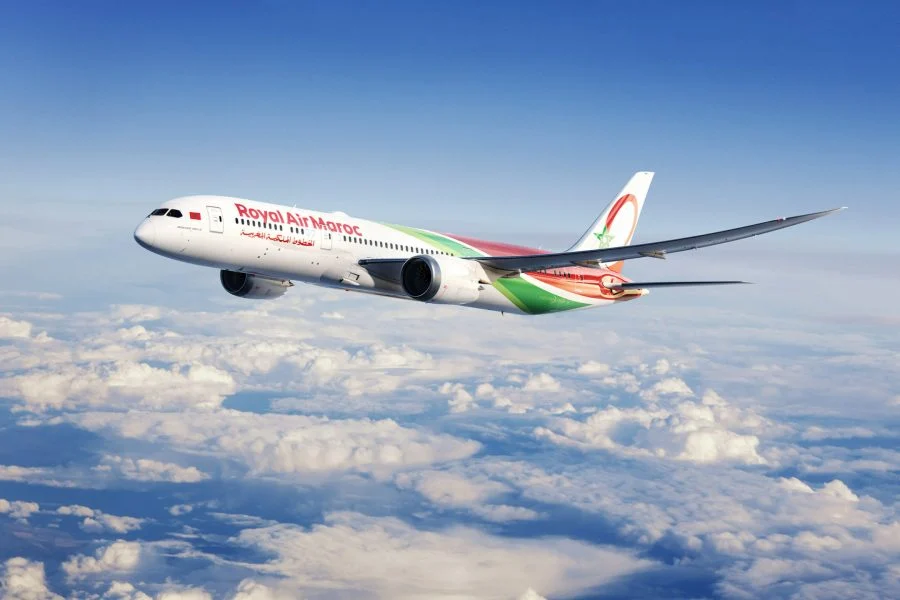
Morocco: Royal Air Maroc launches 12 flights to Houston
Royal Air Maroc is stepping up its efforts to support the Atlas Lions’ fans at the 2026 World Cup. Following Morocco’s qualification for the round of 16, the national airline has announced the introduction of 12 special flights between Casablanca and Houston to enable fans to support the Moroccan team against Canada on 4 July.
As the official carrier of the Atlas Lions, Royal Air Maroc is responding to the enthusiasm generated by Morocco’s run at the 2026 World Cup. The airline is mobilising significant resources to facilitate supporters’ travel to the United States.
Over 3,000 seats for Moroccan supporters
For this special operation, Royal Air Maroc will operate 12 direct flights between Casablanca and Houston, offering a capacity of over 3,000 seats. This marks a first in the airline’s history, as it will be flying to Houston for the first time.
Tickets are available at a flat rate of 10,000 dirhams including tax for a return journey in economy class. They are non-changeable and non-refundable.
Royal Air Maroc rallying behind Morocco
In its press release, Royal Air Maroc states that it has mobilised all its technical, logistical and commercial resources to assist Moroccan supporters and support the national team.
The airline thus reaffirms its commitment to Moroccan football and the Atlas Lions, whose brilliant run at the 2026 World Cup continues to generate tremendous public enthusiasm. Following their victory over the Netherlands, Mohamed Ouahbi’s men will now aim to continue their World Cup campaign against Canada, with the expected support of thousands of Moroccan fans in the stands in Houston.
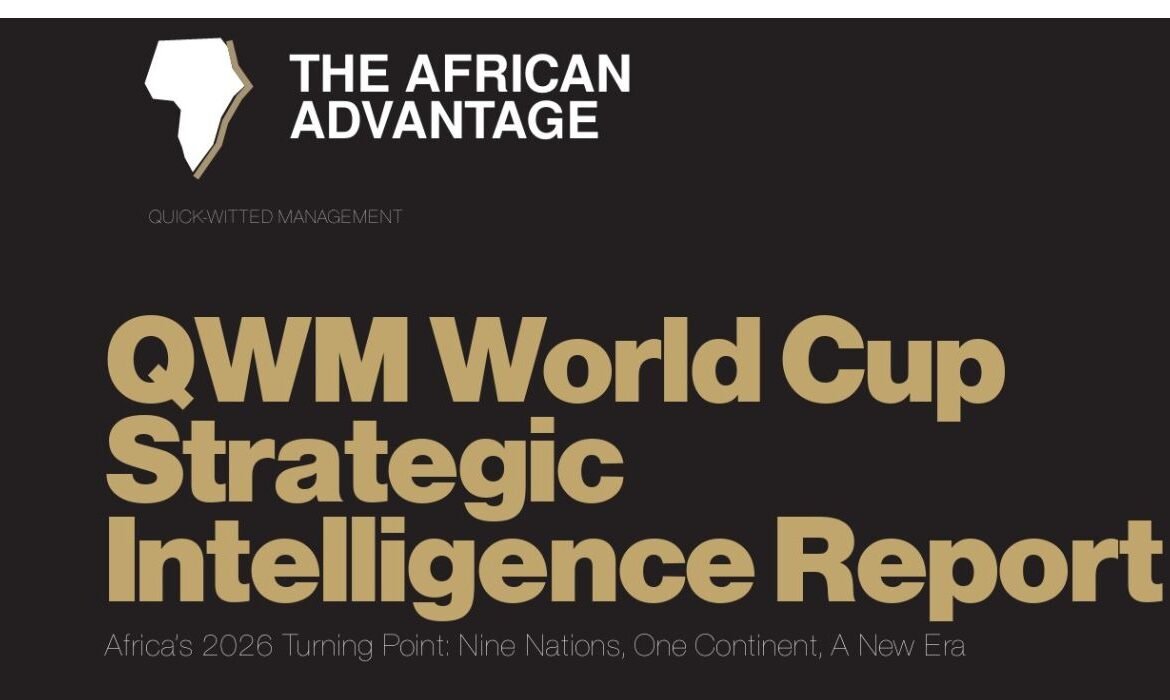
The African Advantage: The 2026 World Cup signals a new strategic era for African football
The FIFA World Cup 2026 is emerging as more than just a sporting event for African football. It is becoming a milestone that reflects a deeper structural shift: Africa is no longer only participating in global football dynamics, it is actively reshaping them.
Across the tournament, African national teams have delivered a level of performance that reflects a long-term evolution rather than a temporary surge. With nine African nations reaching the knockout stage, the continent has confirmed a new level of consistency and competitiveness on the world stage. This is no longer about isolated surprises; it is about a collective rise in standards, preparation, and ambition.
This progression highlights a key reality: African football is undergoing a transformation in its foundations. National teams are increasingly built on more structured systems, stronger talent pipelines, and improved tactical and physical preparation. As a result, they are now capable of competing regularly with traditional football powers, not just challenging them occasionally.
Within this context, Quick-Witted Management introduces a new analytical framework through its latest publication, The African Advantage – Strategic Intelligence Report. The report moves beyond match results and tournament narratives to examine what is driving this shift at a deeper level.
Rather than treating African football as a purely sporting subject, the report positions it within a broader ecosystem shaped by economics, governance, geopolitics, and global competition for talent. It explores how football is becoming a strategic sector for African states and institutions, influencing areas such as investment flows, international visibility, infrastructure development, and soft power.
Several structural drivers are identified behind this rise. New talent development models are emerging across the continent, often combining local scouting systems with international partnerships. Football academies are playing an increasingly central role in shaping a more professionalized pipeline of players. At the same time, the African diaspora continues to act as a powerful extension of the continent’s football ecosystem, contributing skills, experience, and global exposure.
Governance reforms within African football structures are also gradually improving organizational efficiency and competitiveness. In parallel, the growing use of data, analytics, and sports intelligence is influencing decision-making at both club and national team levels. Together, these shifts signal a slow but significant modernization of the entire system.
The report also emphasizes the expanding role of external sectors in this transformation. Investment in sports infrastructure, media rights, tourism linked to football events, and state-level sports diplomacy are increasingly shaping how African football evolves and positions itself globally. Football is no longer isolated from economic strategy—it is becoming part of it.
However, despite this progress, the transformation remains incomplete. Structural challenges persist, particularly in the areas of long-term planning, institutional stability, and the ability to retain value within local ecosystems. Many African football systems still face the risk of exporting talent without fully capturing the economic benefits of its development.
The key challenge identified is therefore not only performance, but sustainability: how to convert current sporting success into a durable strategic advantage that generates long-term economic, institutional, and social value for the continent.
Ultimately, The African Advantage frames African football as an emerging global force. The 2026 World Cup does not represent an endpoint, but rather a signal that the balance of influence in world football is gradually shifting. Africa is no longer only a talent supplier to global football—it is becoming a strategic actor within it.