2026 World Cup: Morocco vs Netherlands – Kick-off time and where to watch
Morocco vs Netherlands: Match Information
Date: Monday night / Tuesday morning
Kick-off: 2:00 a.m. (Morocco) | 3:00 a.m. (France)
Venue: Estadio BBVA, Monterrey, Mexico
TV Broadcast
- France: beIN Sports 1
- Morocco: Arryadia
- Middle East & North Africa: beIN Sports Max 1
- Sub-Saharan Africa: New World TV
The match will not be broadcast free-to-air on M6 in France.
A Chance to Write Another Chapter in History
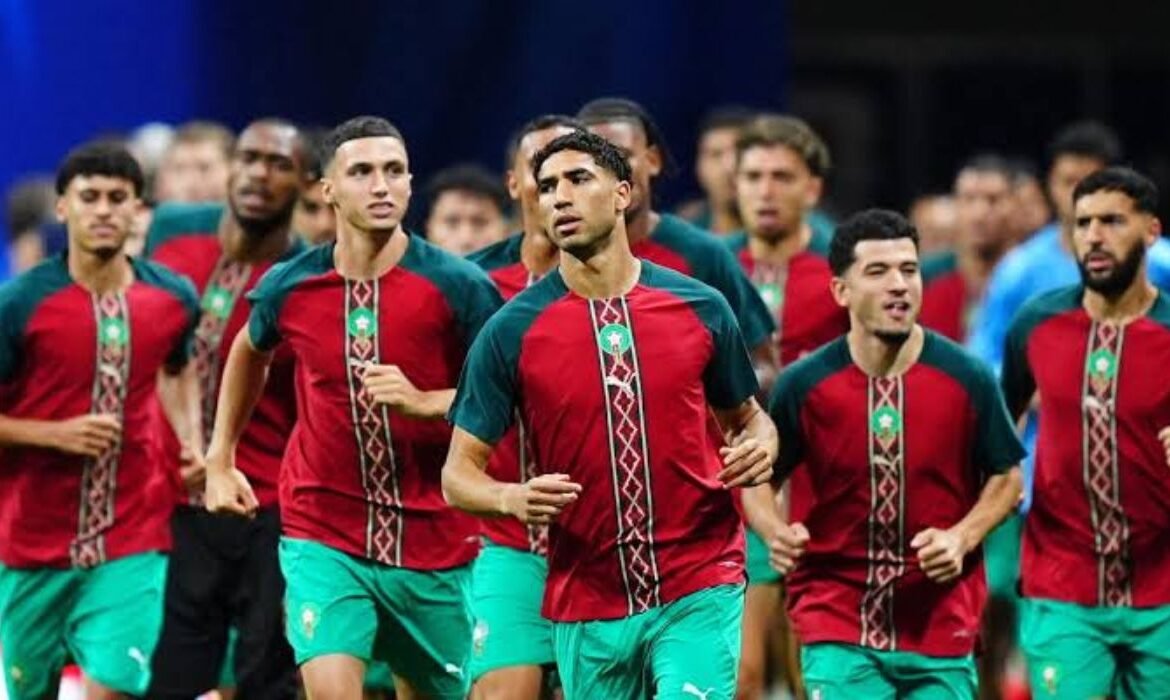
For Morocco, this Round of 16 showdown is another opportunity to confirm their growing status among world football’s elite. Following their memorable achievements in recent years, the Atlas Lions are aiming to reach another milestone by overcoming one of Europe’s traditional powerhouses and booking their place in the World Cup quarter-finals.
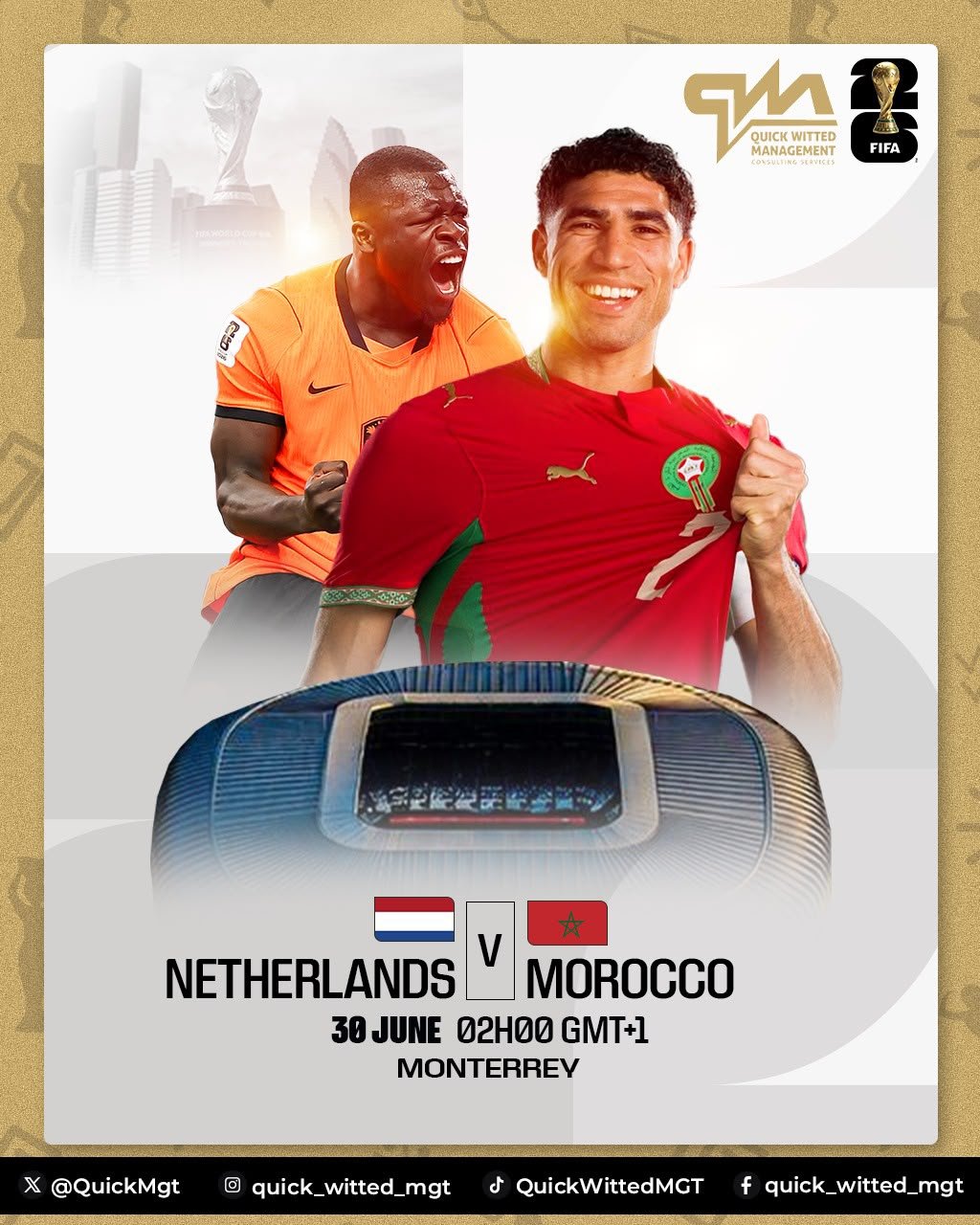
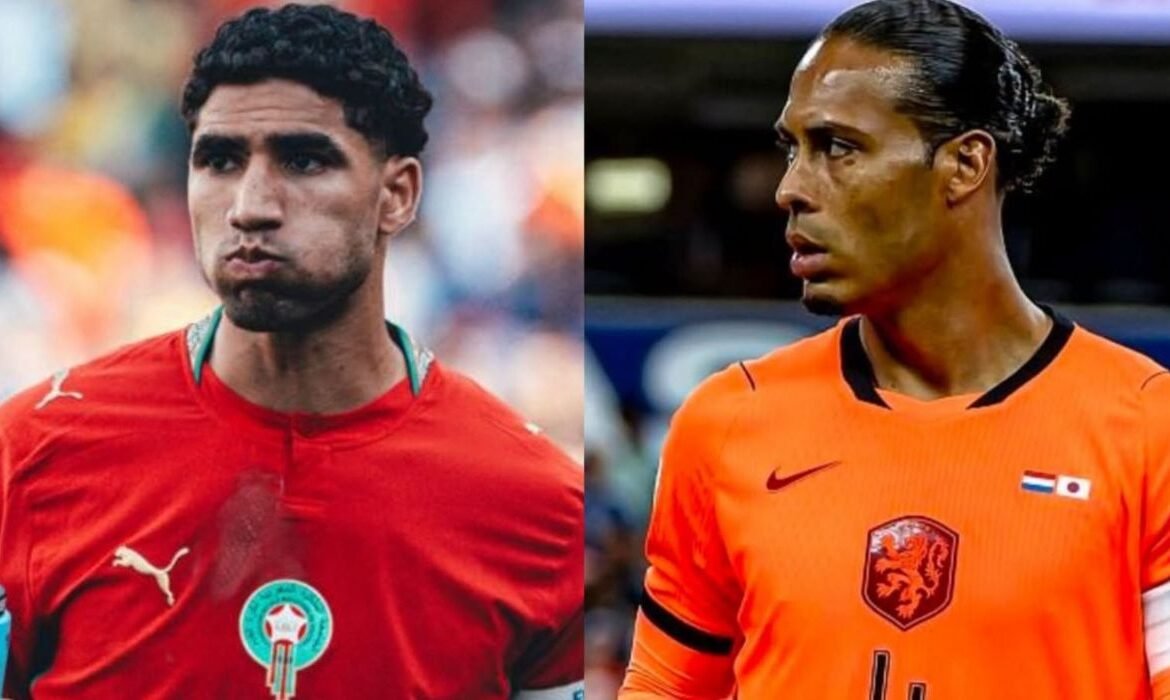
2026 World Cup: Netherlands vs Morocco set for high-stakes round of 16 Clash
The Round of 16 lineup is now officially confirmed, with the Morocco national football team set to face the Netherlands on June 30, 2026, at 3:00 a.m. in one of the most anticipated early knockout-stage fixtures of the tournament. This heavyweight encounter brings together two in-form teams who both impressed during the group stage and now enter the most unforgiving phase of the competition, where every mistake can prove decisive.
A Europe–Africa Showdown of Elite Ambition
The Netherlands arrive with the status of group winners, having delivered a controlled and efficient campaign in the opening round. The Oranje will be aiming to confirm their title ambitions and take another step toward the latter stages of the tournament.
Morocco, meanwhile, continue their strong momentum. Unbeaten in the group stage, the Atlas Lions have once again demonstrated consistency at the highest level and enter this knockout clash with confidence and belief.
No Margin for Error in the Knockout Stage
The Round of 16 marks the beginning of the World Cup’s most intense phase, where a single moment can define a team’s entire tournament. Morocco will rely on their collective discipline and attacking efficiency, while the Netherlands are expected to lean on their tactical experience and game management to control proceedings.
One of the Standout Fixtures of the Round
This fixture is already being viewed as one of the most high-profile clashes of the early knockout rounds, pitting two distinct football identities against each other for a place in the quarter-finals. With contrasting styles and equally strong ambitions, only one team will advance to the last eight of a 2026 World Cup that remains wide open and increasingly unpredictable.
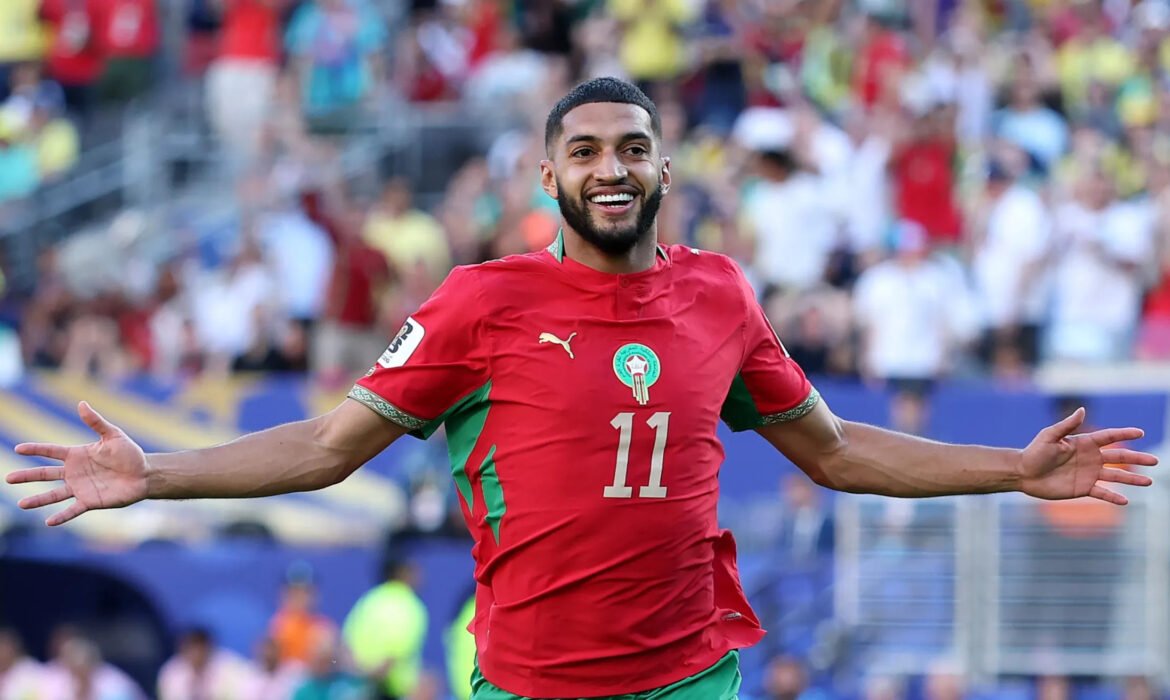
Ismaël Saïbari shines as Morocco’s new World Cup hero
Morocco’s impressive run at the 2026 FIFA World Cup has produced many standout moments, but few have captured attention quite like the performances of Ismaël Saïbari. The Atlas Lions forward has enjoyed a sensational start to the tournament, scoring in each of Morocco’s three group-stage matches and playing a key role in securing the nation’s place in the Round of 32. Against Brazil, Scotland and Haiti, Saïbari consistently found the back of the net, demonstrating remarkable composure and efficiency on football’s biggest stage.
Three matches, three goals
Saïbari’s group-stage campaign has been nothing short of exceptional:
- Goal against Brazil
- Goal against Scotland
- Goal against Haiti
With three goals in three matches, the Moroccan attacker delivered whenever his team needed him most, establishing himself as one of Morocco’s most dangerous offensive weapons. His contributions helped the Atlas Lions complete the group stage unbeaten and secure second place in Group C behind Brazil.
The face of Morocco’s ambitious new generation
Beyond the statistics, Saïbari embodies the confidence and ambition that define this exciting Moroccan generation. As Morocco continues to build on its historic achievements of recent years, the young forward has emerged as a symbol of the country’s growing footballing strength. His ability to perform in high-pressure moments reflects the maturity and belief that now characterize the Atlas Lions on the international stage. Morocco’s qualification for the knockout rounds is the result of a collective effort, but Saïbari’s impact has undoubtedly been one of the major stories of the team’s campaign so far.
A historic achievement
By scoring in each of Morocco’s three group-stage matches, Saïbari has achieved a feat rarely seen at the World Cup and has become one of the tournament’s standout performers. His consistency in front of goal has not only boosted Morocco’s chances but has also elevated his profile among the breakout stars of the 2026 World Cup.
With the knockout stage now approaching, all eyes will be on Saïbari and the Atlas Lions as they look to continue their remarkable journey. If the Moroccan forward can maintain his outstanding form, he could help guide Morocco toward another historic World Cup run while also entering the conversation for individual honors at the tournament. For a nation experiencing one of the greatest periods in its football history, Ismaël Saïbari’s rise is yet another sign that Morocco’s golden era is far from over.
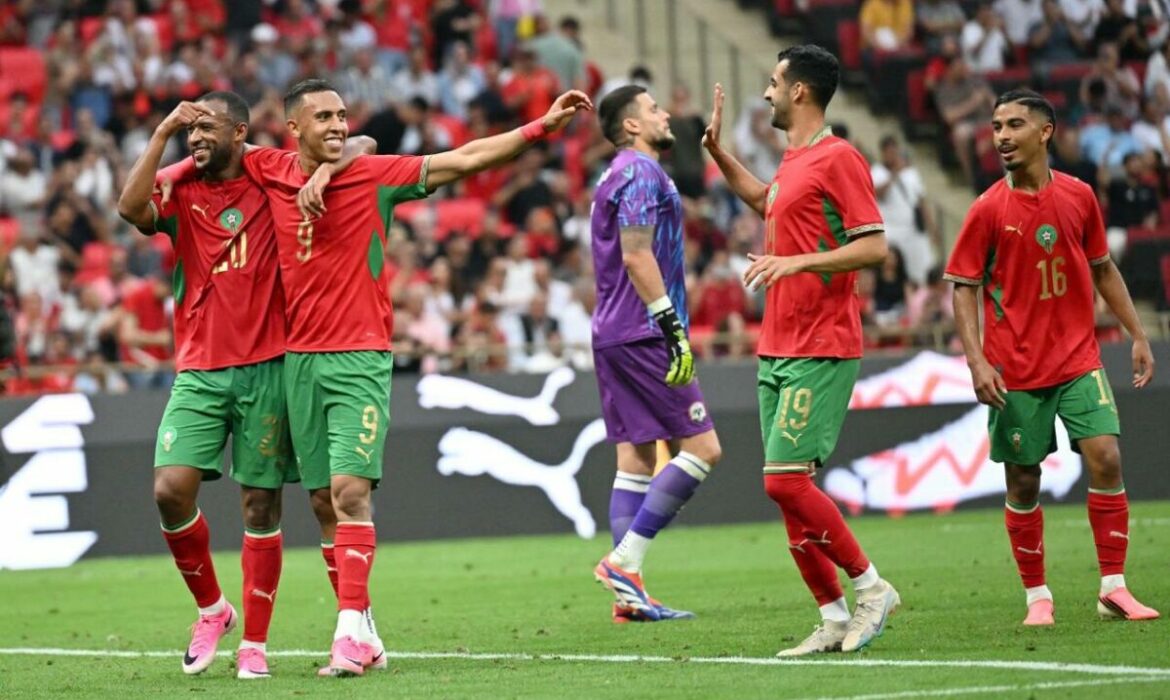
2026 World Cup: Morocco continues its rise and confirms the golden age of its football
Mission accomplished for Morocco. Unbeaten at the end of the 2026 FIFA World Cup group stage, the Atlas Lions secured their place in the Round of 32 and continued their remarkable momentum on the international stage. With two wins and one draw in three matches, the Moroccans have confirmed their status as serious contenders in this World Cup and now head into the knockout rounds with high ambitions.
A Group Stage Controlled from Start to Finish
Morocco’s campaign in Group C ended with a strong record:
- 3 matches played
- 2 victories
- 1 draw
- 0 defeats
The Atlas Lions notably held Brazil to a 1–1 draw before defeating Scotland 1–0 and Haiti 4–2. A convincing campaign that allowed them to finish second in the group behind the Seleção.
A Historic Decade for Moroccan Football
This qualification is part of an exceptional period for Moroccan football. For several years, the Kingdom has been delivering major achievements at both senior and youth levels. Among the greatest successes of this generation are:
- African champions at the 2025 Africa Cup of Nations
- Winners of the 2025 FIFA Arab Cup
- FIFA U-20 World Champions in 2025
- Three-time African Nations Championship winners in 2018, 2020, and 2025
- African U-17 champions in 2025
- African U-23 champions in 2023
- Bronze medalists at the 2024 Summer Olympic Games
From Doha 2022 to North America 2026
Moroccan football has reached a new dimension since its historic run at the 2022 FIFA World Cup. As the first African and Arab nation to reach the semi-finals of a World Cup, Morocco finished in a remarkable fourth place, leaving a lasting mark on world football history. Four years later, the Atlas Lions have demonstrated that this achievement was not merely a one-off success, but rather the result of an ambitious and sustainable sporting project.
A Golden Generation Making History
Led by players such as Achraf Hakimi, Yassine Bounou, and several emerging talents from Morocco’s new generation, this national team continues to deliver top-level performances. The winning streaks and unbeaten records attributed to this generation reflect its exceptional consistency and its growing influence on both African and international football.
Having qualified for the Round of 32 of the 2026 World Cup, the Atlas Lions now have the opportunity to add another chapter to a decade already regarded as the most glorious in the history of Moroccan football.
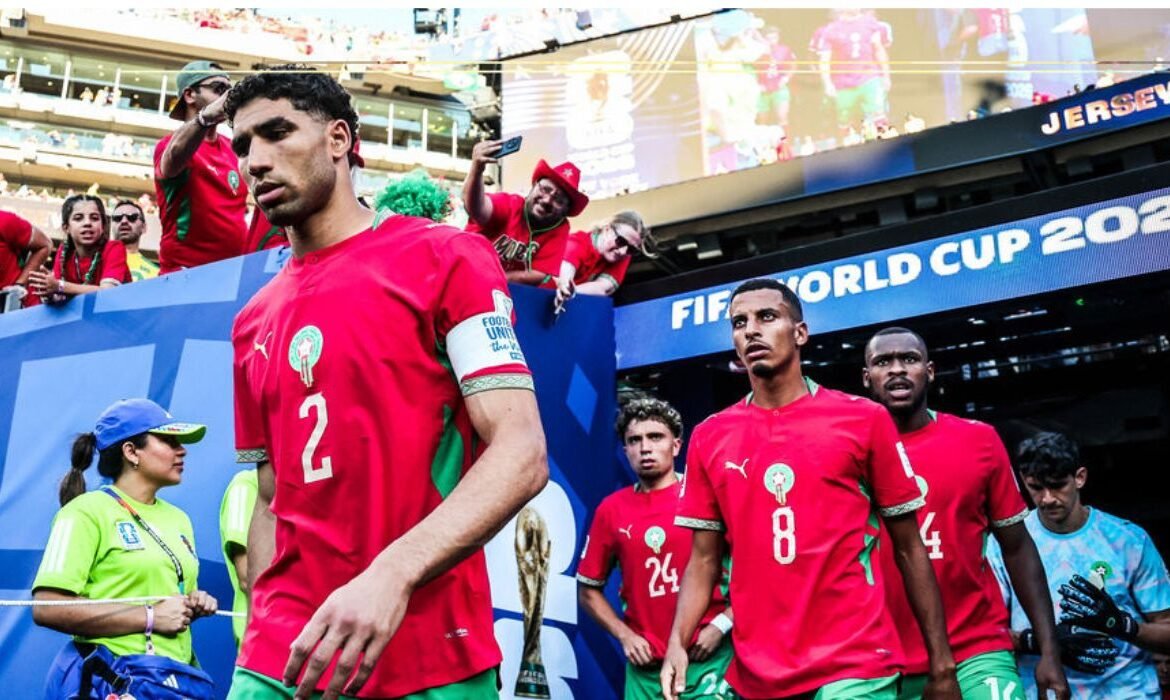
FIFA Rankings: Morocco rise to 5th after victory over Scotland in 2026 World Cup
Morocco national football team have climbed to a historic 5th place in the FIFA World Rankings following their 1–0 victory over Scotland on Matchday 2 of the 2026 FIFA World Cup. This remarkable leap places the Atlas Lions inside the global top five for the first time in their history, marking a major milestone for African football.
A Historic First Since 1994 for Africa
Morocco’s rise makes them the first African nation to reach the FIFA top five since 1994, underlining the scale of their recent progress on the international stage. The achievement reflects their growing consistency in major competitions and their ability to deliver results against top-level opposition.
The ranking boost follows a strong start to their World Cup campaign. After holding Brazil to a 1–1 draw in their opening match, Morocco followed up with a narrow but crucial win over Scotland. These back-to-back positive results have reinforced their reputation as one of the most reliable and competitive teams in the tournament.
Surpassing Global Football Giants
By breaking into the top five, Morocco have overtaken established football powers such as Portugal and Brazil, a development that highlights their rapid rise in world football. The Atlas Lions’ progress is increasingly seen as the result of long-term structural development and sustained international performance.
Momentum Ahead of the Tournament’s Next Phase
Still unbeaten after two group-stage matches at the 2026 World Cup, Morocco enter the next phase of the competition with growing confidence. Their rise in the FIFA rankings further strengthens their status as genuine contenders and adds to the momentum surrounding their campaign.
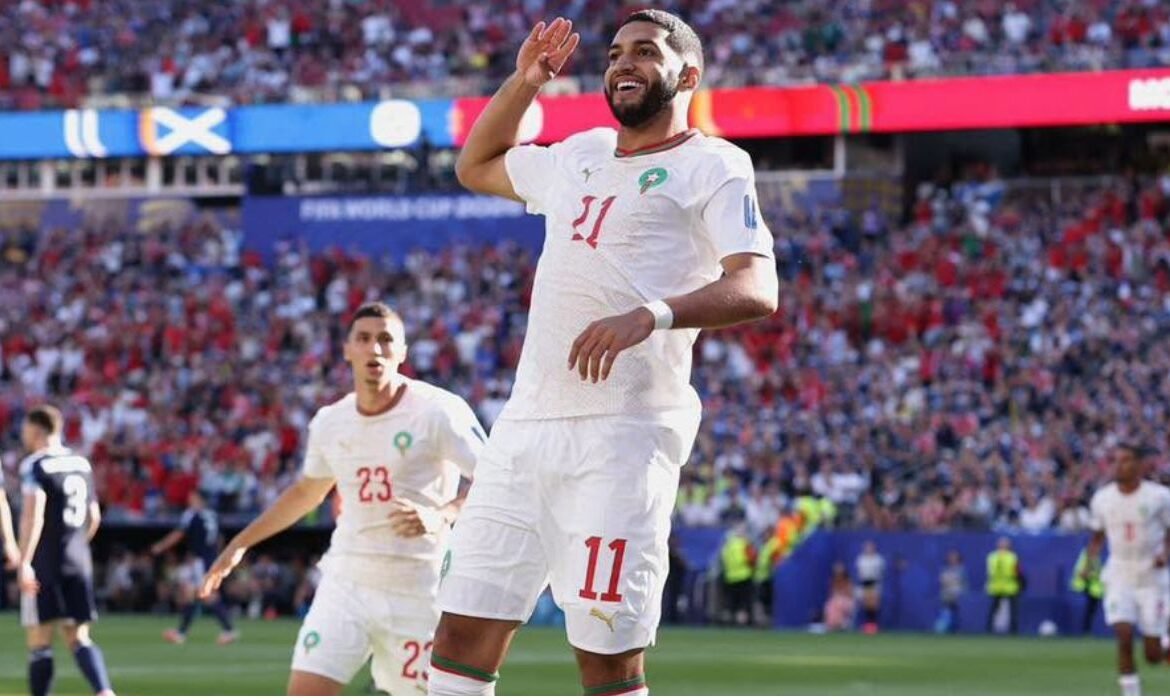
2026 World Cup: Ismaïl Saibari makes history with another goal for Morocco
Morocco national football team midfielder Ismaïl Saibari is emerging as one of the standout performers of the 2026 FIFA World Cup, delivering another decisive goal to guide his side past Scotland in Group C. Already on the scoresheet in Morocco’s opening 1–1 draw against Brazil, Saibari struck again on Matchday 2, confirming his excellent start to the tournament and his growing influence within the squad.
A Lightning Strike Against Scotland
Once again, Saibari made an immediate impact, scoring after just 71 seconds to give Morocco a crucial early lead against Scotland. The goal proved to be the fastest of the tournament so far, instantly putting the Atlas Lions in control and ultimately deciding the outcome of the match.
Making World Cup History for Morocco
Beyond its importance in the match, Saibari’s strike carries historical significance. He becomes the first Moroccan player ever to score in each of his first two appearances at a World Cup. This milestone highlights both his consistency and his ability to perform on football’s biggest stage.
A Rising Key Player for the Atlas Lions
Against Brazil and Scotland, Saibari has repeatedly delivered in decisive moments, underlining his importance to the Moroccan national team. His offensive output and influence in midfield have made him one of the key figures in Morocco’s campaign so far, particularly in a tightly contested Group C.
Morocco Building Strong Momentum
Thanks to this second consecutive strong result, the Atlas Lions continue to build momentum in the tournament after their opening draw against Brazil. The team now sits in a strong position in the group standings, with confidence growing as they approach the decisive stages of the group phase. With performances like Saibari’s, Morocco is reinforcing its status as one of Africa’s most competitive and ambitious sides at the 2026 World Cup.
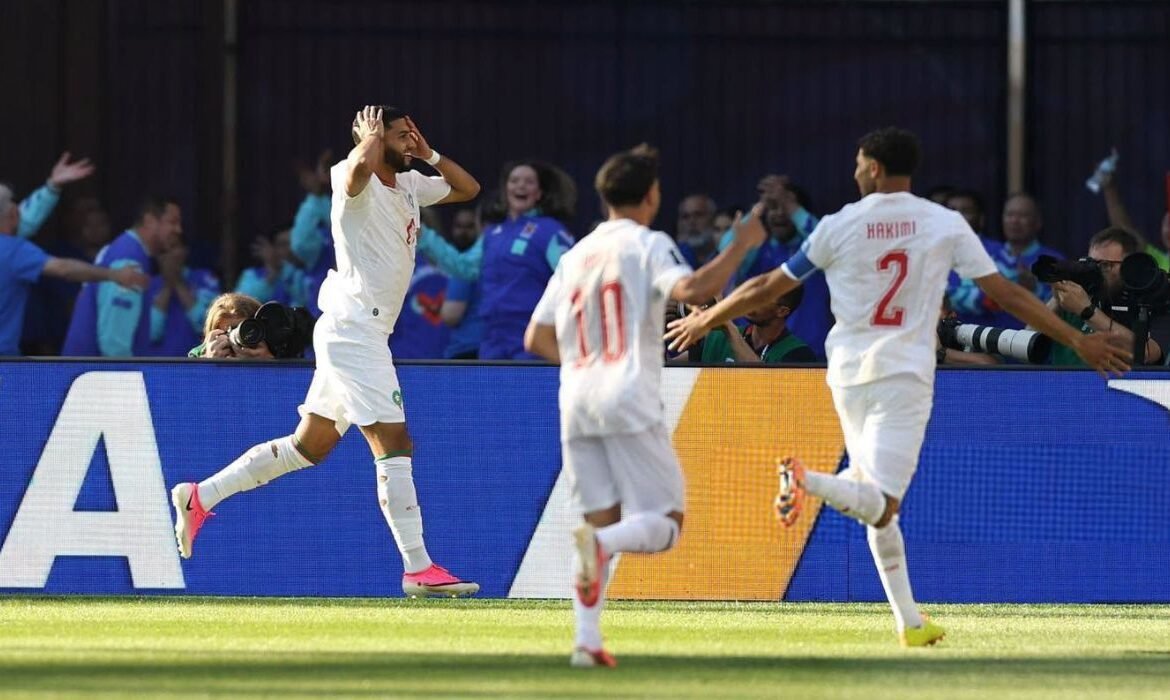
2026 World Cup: Morocco edge Scotland to move closer to round of 16
The Morocco national football team got their second World Cup 2026 group-stage match off to a perfect start with a narrow but crucial 1–0 victory over Scotland, strengthening their position in Group C and moving a step closer to the Round of 16. A lightning-fast strike from Ismael Saibari after just one minute proved decisive, as the Atlas Lions took early control and never relinquished their advantage.
A Dream Start for Morocco
Morocco needed only 60 seconds to make the difference. From a well-constructed early move, Saibari capitalized on defensive hesitation to score what would remain the only goal of the match. From that moment on, Morocco demonstrated tactical discipline and defensive solidity, managing the game with composure against a Scotland side that struggled to create meaningful attacking threats.
Scotland 0–1 Morocco
Saibari (1’)
With this victory, the Atlas Lions secured their first win of the tournament after opening their campaign with a 1–1 draw against Brazil. The result temporarily places Morocco at the top of Group C, pending the outcome of Brazil’s match, which could reshape the standings later in the night. The performance also extends Morocco’s unbeaten run in the competition, underlining their consistency on the world stage.
The team led by Walid Regragui continues to build momentum, combining tactical discipline with efficiency in key moments. With a talented and experienced squad, Morocco is reinforcing its reputation as one of the most competitive sides in the tournament.
The remaining Group C fixtures are expected to be tightly contested, with qualification for the Round of 16 still wide open. Morocco’s early points advantage places them in a strong position, but the Atlas Lions know that maintaining focus will be essential as the tournament progresses.
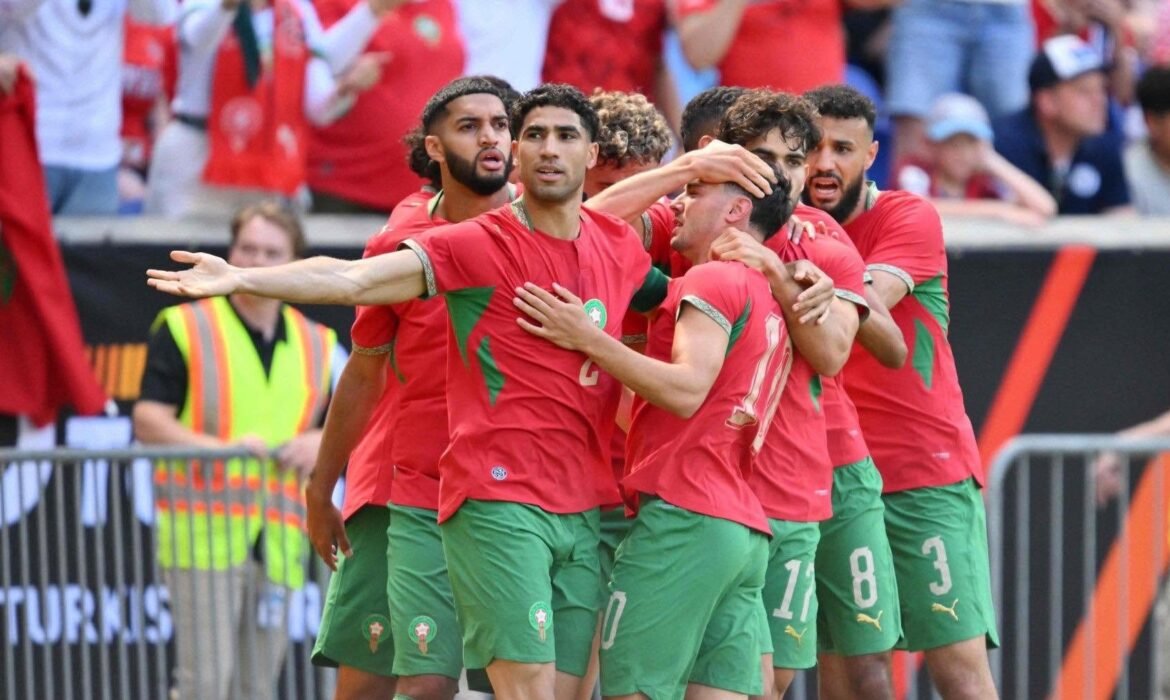
Morocco climbs to 6th in FIFA ranking after rivals slip at 2026 World Cup
The Morocco national football team continues its steady rise in the FIFA rankings, benefiting from a setback suffered by a direct competitor during the 2026 World Cup on Wednesday, June 17, 2026. The Atlas Lions are now closing in on the world’s elite, moving step by step toward a place in the top five of the global standings.
A historic rise for african football
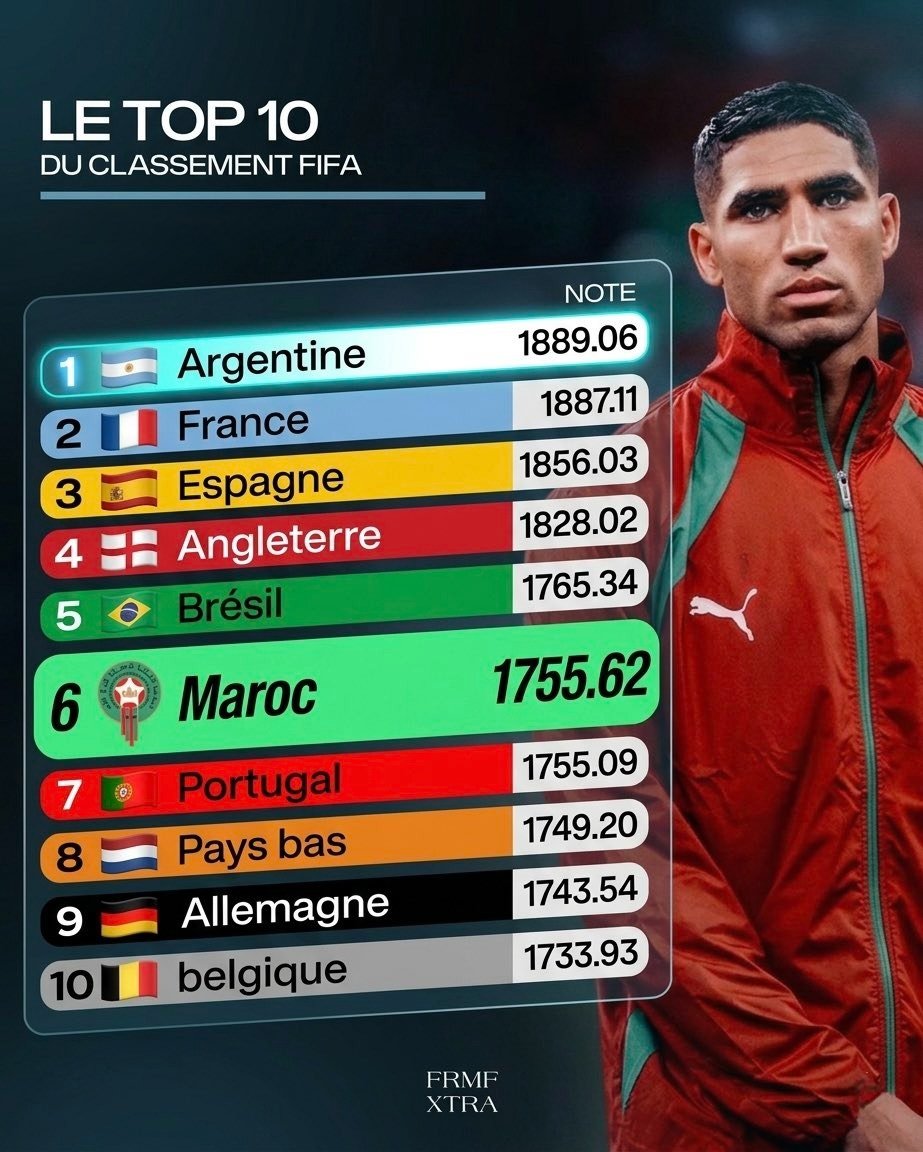
Morocco has now climbed to 6th place in the FIFA ranking, marking a historic milestone for an African national team. The achievement comes after a rapid progression that saw the Atlas Lions move up two places in less than two weeks, having previously sat in 8th position. The latest leap follows Portugal being held to a draw in their opening World Cup match against DR Congo (1-1), a result that had a direct impact on the global ranking dynamics.
Top five within reach
With this new position, Morocco is now just behind Brazil, which occupies fifth place. The gap between the two nations has narrowed, raising the possibility of another historic breakthrough should results continue to go in Morocco’s favor. A place in the top five would represent an unprecedented achievement for African football.
Competitive momentum at the World Cup
The ranking progression also reflects Morocco’s strong performances at the tournament itself. On June 13, during their opening Group C match at MetLife Stadium in New York/New Jersey, the Atlas Lions faced Brazil in a high-profile encounter. Morocco opened the scoring through Ismael Saibari in the 21st minute before Vinícius Júnior equalized in the 32nd minute for the five-time world champions.
Morocco will continue its group stage campaign on Friday at Gillette Stadium in Foxborough against Scotland, while Brazil face Haiti in their next fixture. This continued upward trajectory reinforces Morocco’s growing reputation on the global stage, as the team establishes itself among the most competitive national sides in world football and pushes toward an unprecedented position in the FIFA hierarchy.

What Fouzi Lekjaa said about the organization of CAF competitions in Morocco
In recent days, various interpretations have circulated regarding remarks attributed to Fouzi Lekjaa about Morocco’s role in organizing African football competitions. Some publications have suggested that the president of the Royal Moroccan Football Federation announced a complete withdrawal of the country from bidding for continental events. However, this reading appears to go beyond what was actually said.
The comments made by Fouzi Lekjaa are in fact better understood within a broader vision of African football governance, rather than as a disengagement from hosting competitions.
A Message Focused on Cooperation
Rather than signaling a withdrawal, Lekjaa’s remarks emphasize a logic of cooperation and solidarity between member associations of the Confederation of African Football (CAF). According to his statements reported in various media appearances, Morocco’s approach would be based on supporting other African countries in organizing competitions, including those initially scheduled or technically prepared to be held on Moroccan soil. In such scenarios, the Kingdom could potentially agree to make way for another host nation while still providing logistical and organizational assistance, as part of a wider spirit of continental solidarity.
A Repositioning, Not a Retreat
This stance should not be interpreted as a lack of interest in CAF competitions. Instead, it reflects a desire to rethink hosting arrangements in favor of a more flexible and cooperative framework between African federations.
The idea presented is less about competition for hosting rights and more about coordination, mutual support, and shared responsibility in the organization of major sporting events across the continent.
In the background, Morocco continues to play an active role in African and international football, both through past tournaments it has hosted and through its ongoing involvement in major football projects.
A Broader Strategic Context
This interpretation comes as Morocco maintains a central position in African football governance and continues to be involved in several major sporting initiatives.
Rather than a withdrawal from the continental stage, the remarks are seen as part of a broader reflection on how African football can optimize cooperation between its member countries while managing overlapping ambitions and capacities.
Morocco vs. Brazil: Details of the first clash of the 2026 World Cup
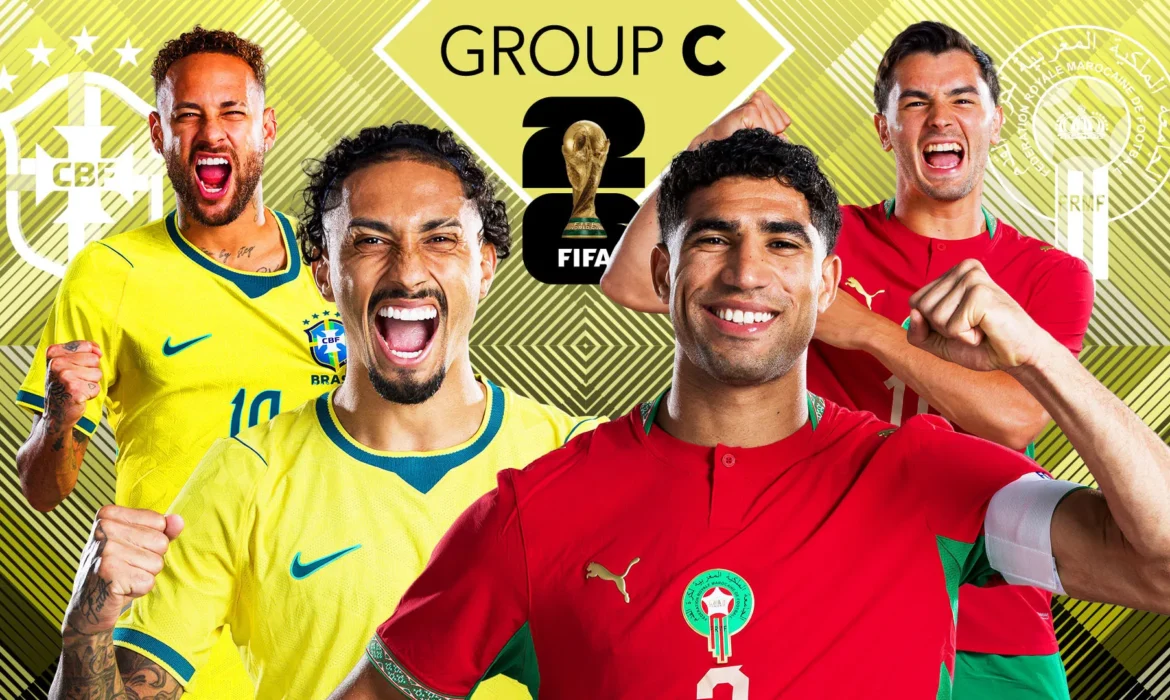
Four years after their historic run at the 2022 World Cup in Qatar, the Morocco national football team begin their 2026 campaign with a blockbuster Group C clash against five-time world champions Brazil. The match, set to take place on Saturday night at the MetLife Stadium in New Jersey, is widely regarded as one of the standout fixtures of the opening round of the tournament.
Both teams arrive with strong ambitions. Brazil are looking to bounce back after a quarter-final exit at the previous World Cup, while Morocco aim to relive—or even surpass—their remarkable journey to the semi-finals in Qatar.
A High-Profile Opening Test
The encounter between Brazil and Morocco will be played in the early hours of Sunday, June 14, 2026 (French time), corresponding to 11:00 PM in Morocco on Saturday night. It will mark a major early test for the Atlas Lions, who face one of the tournament favourites in their very first group-stage match.
Global Broadcast Coverage
Fans around the world will be able to follow the match live through multiple official broadcasters. In France, the game will be shown on M6 and beIN Sports 1, while viewers in the MENA region will have access via beIN Sports MENA. In Morocco, the match will be broadcast free-to-air on Arryadia.
Across Sub-Saharan Africa, New World TV holds the official broadcasting rights for the 2026 FIFA World Cup, with several national public broadcasters also expected to air the fixture depending on local agreements.
A Continental Showcase
Beyond the sporting stakes, the Morocco–Brazil clash represents a major continental showcase, with African fans especially eager to see whether the Atlas Lions can once again challenge one of the giants of world football on the global stage. With anticipation building, all eyes will be on New Jersey for one of the most closely watched matches of the tournament’s opening weekend.