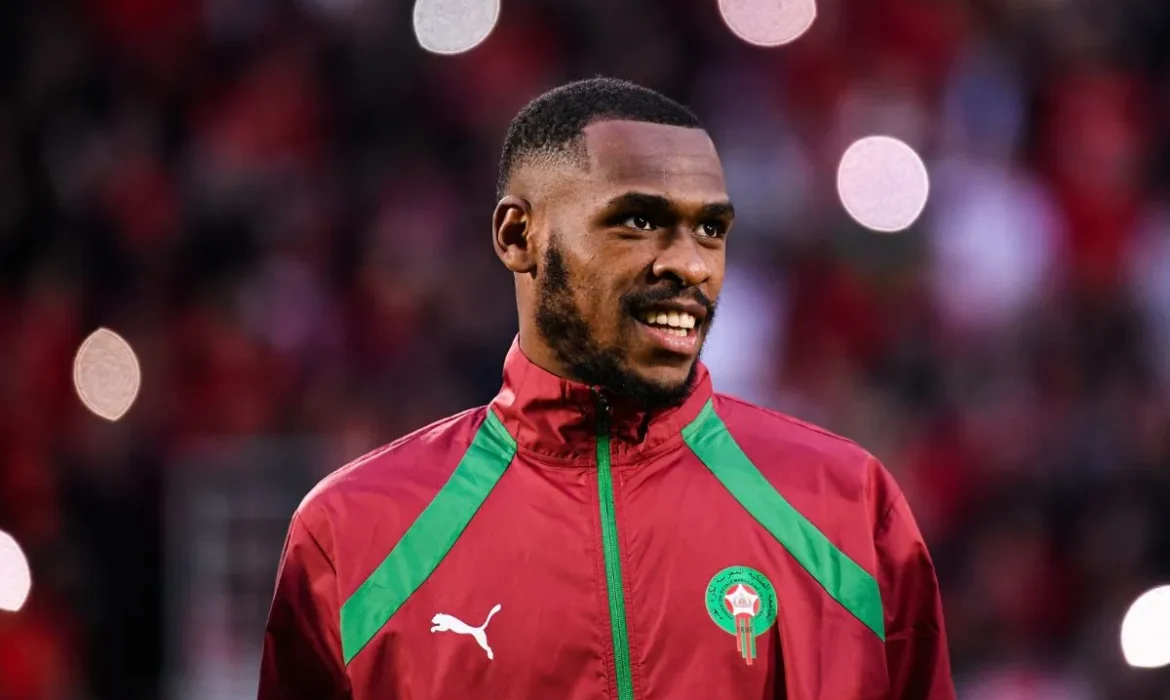
Transfer News: Moroccan defender Issa Diop closes in on move to Ipswich Town
Issa Diop is set to continue his career in the Premier League. According to Foot Mercato, the Moroccan international defender is close to leaving Fulham to join Ipswich Town, who have been promoted to the English top flight.
The two clubs have reportedly reached an agreement for a transfer worth around €10 million, while the 29-year-old player has already agreed personal terms with Ipswich on a four-year contract. Only the traditional medical examination remains before the deal can be officially completed.
A 2026 World Cup that revived his market value
After an outstanding 2026 FIFA World Cup with the Atlas Lions, Issa Diop confirmed his importance within Morocco’s defensive setup. Strong in duels, dominant in the air, and valuable thanks to his experience, the 1.94m defender played a key role in Morocco’s run to the quarter-finals.
His performances during the World Cup increased his appeal on the transfer market and further strengthened his reputation as an experienced Premier League defender.
Strong experience in English football
Trained at Toulouse, Issa Diop joined West Ham before moving to Fulham in the summer of 2022.
In England, the Moroccan international has accumulated 173 Premier League appearances, valuable experience that convinced Ipswich Town to rely on him for their return to the top flight. With Fulham, Diop made 96 appearances over four seasons. However, his playing time decreased during the last campaign, with only 13 league appearances.
Fulham prepare for his departure
With one year remaining on his contract, Fulham have opted to sell their defender rather than risk losing him as a free agent in the summer of 2027. The transfer is expected to bring around €10 million to the London club.
For Issa Diop, this move to Ipswich represents an opportunity to regain a leading role in the Premier League and build on the positive momentum generated by his excellent World Cup campaign with Morocco.
Unless there is an unexpected issue during his medical examination, his move to Ipswich Town should be officially confirmed in the coming day.
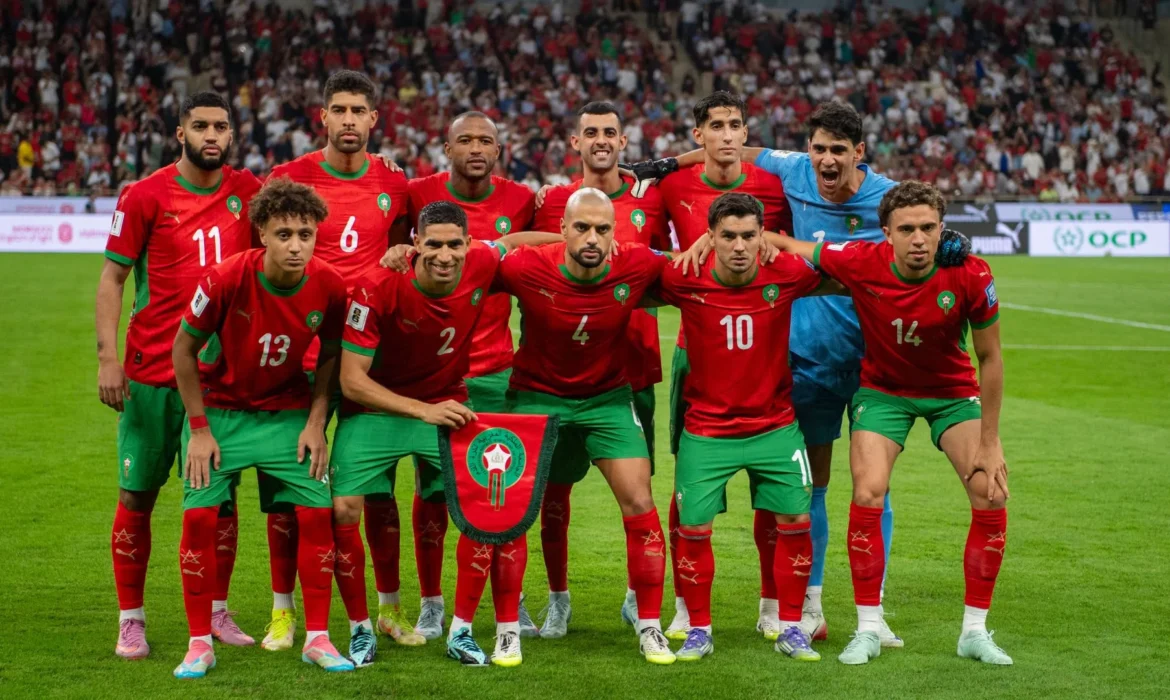
FIFA Rankings: Morocco climbs to sixth in the world after the 2026 World Cup
Morocco has continued its rise on the international stage. Following its run to the quarter-finals of the 2026 FIFA World Cup, the Atlas Lions now occupy 6th place in the FIFA World Ranking with 1,803.99 points, moving up one position from the ranking published before the tournament.
This progress confirms Morocco’s status as the highest-ranked African and Arab nation, while Spain, crowned 2026 FIFA World Cup champions, has moved to the top of the global rankings.
The 2026 World Cup propels the Atlas Lions
Before the start of the World Cup, Morocco was ranked 7th in the world with 1,755 points. Its impressive campaign in the United States, Canada, and Mexico earned the team 48.99 ranking points, taking its total to 1,803.99 points.
Mohamed Ouahbi’s men once again demonstrated their ability to compete with the world’s elite before eventually losing to France in the quarter-finals.
The achievement further cements Morocco’s place among the world’s top national teams.
Morocco remains number one in Africa and the Arab world
At the continental level, the Atlas Lions comfortably retain their position as the **highest-ranked African national team.
The African rankings are now as follows:
1. Morocco (6th in the world)
2. Senegal (18th)
3. Egypt (24th)
4. Nigeria (26th)
5. Algeria (29th)
6. Côte d’Ivoire (31st)
Morocco also remains the highest-ranked Arab nation, ahead of Egypt, Algeria, Tunisia, Saudi Arabia, and Qatar.
Spain takes the top spot
Following its 2026 FIFA World Cup triumph, Spain has climbed to the top of the FIFA World Ranking.
The new world top six is as follows:
1. Spain
2. Argentina
3. France
4. England
5. Brazil
6. Morocco
By firmly establishing itself in the world’s top six, Morocco has once again demonstrated the remarkable progress it has made in recent years, reinforcing its position as the leading force in African and Arab football ahead of future major international competitions.
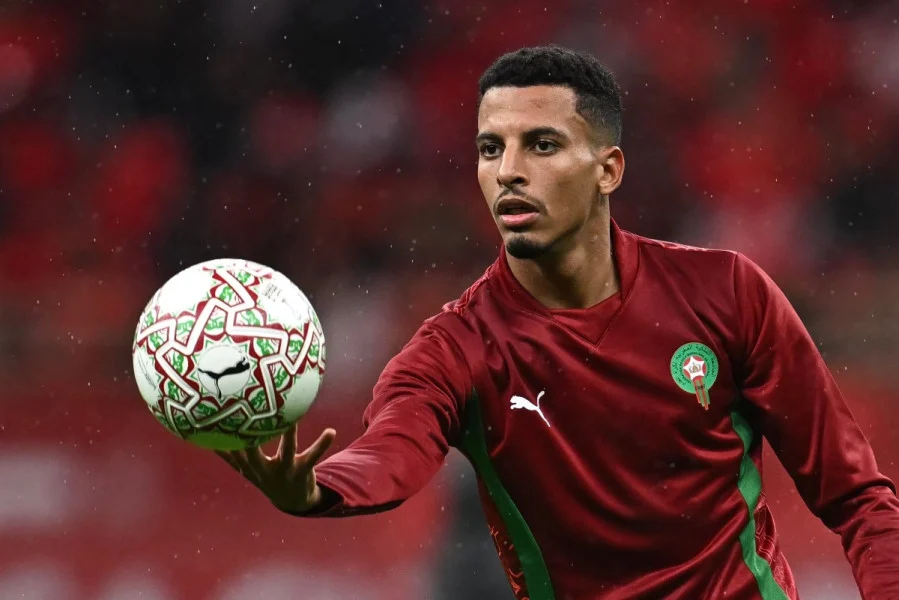
Transfer News: Moroccan star Azzedine Ounahi wanted by Ajax and Al-Ittihad after his 2026 World Cup
After an outstanding 2026 FIFA World Cup with the Atlas Lions, Azzedine Ounahi has once again become one of the most sought-after midfielders on the transfer market. The Moroccan international is now attracting interest from several clubs, with Ajax Amsterdam and Al-Ittihad leading the race.
According to transfer journalist Ekrem Konur, Ajax has taken the lead in the pursuit. The Dutch club has reportedly opened advanced talks with the Moroccan international and is believed to be closing in on an agreement for a move during the summer transfer window.
Competition from Saudi Arabia and Greece
Ajax will, however, have to contend with competition from Al-Ittihad, which is also eager to bring the Atlas Lion to the Saudi Pro League and could soon make its move.
In Greece, Panathinaikos, where Ounahi made an excellent impression during his loan spell, has reportedly not given up hope of signing him permanently. Meanwhile, rivals Olympiacos are also closely monitoring the situation and could enter the race if the opportunity arises.
A World Cup that revived his market value
The growing interest in Azzedine Ounahi is largely the result of his impressive performances at the 2026 FIFA World Cup, where he played a key role in Morocco’s historic run to the quarter-finals, marking the nation’s second consecutive appearance at that stage of the competition.
The Moroccan midfielder notably scored a brace against Canada in the Round of 16, helping the Atlas Lions secure a 3-0 victory. His technical quality, mobility, and ability to dictate the tempo of the game also earned widespread praise during Morocco’s quarter-final against France, despite the team’s elimination.
A transfer saga to watch
Thanks to his outstanding World Cup campaign, Azzedine Ounahi has significantly boosted his value on the transfer market. With concrete interest from Ajax Amsterdam, the ambitions of Al-Ittihad, and continued attention from leading Greek clubs, the future of the Moroccan international is shaping up to be one of the biggest stories of this summer’s transfer window.
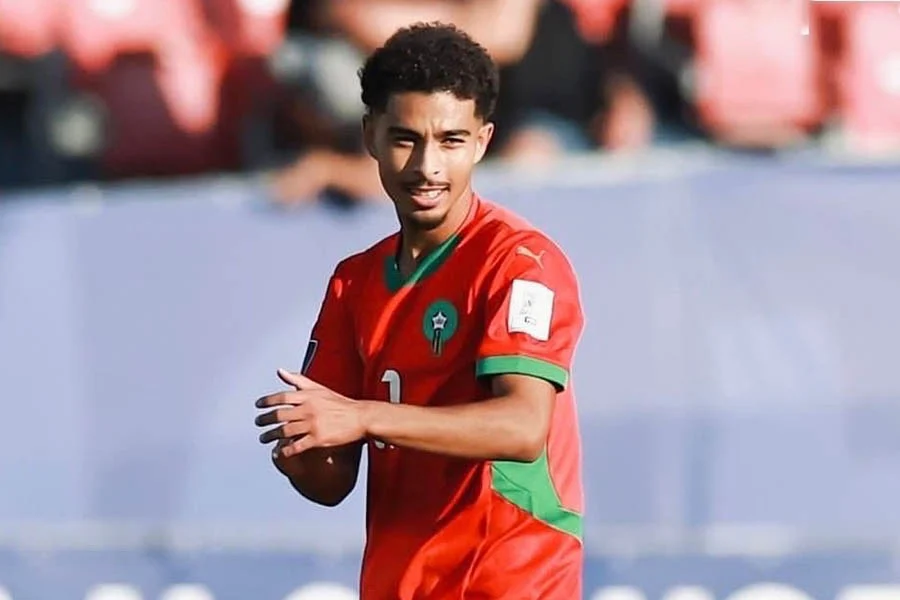
Transfer News: Barcelona closely monitoring Moroccan winger Yassine Gessime
FC Barcelona is closely monitoring Yassine Gessime ahead of the summer transfer window. According to the Spanish outlet Fichajes, the Catalan club is interested in the young Moroccan international, who plays for RC Strasbourg, with head coach Hansi Flick said to be particularly impressed by his profile.
At 20 years old, the FIFA U-20 World Cup winner with Morocco is regarded as one of the most promising young players in his position. His pace, ability to beat defenders in one-on-one situations, and attacking versatility have made him a player of great interest to Barcelona’s sporting department.
Hansi Flick likes his profile
According to Fichajes, Hansi Flick sees Yassine Gessime as a player who could gradually integrate into his project. The Moroccan winger is capable of playing on either flank, although he prefers the right wing—a profile that fits the German coach’s tactical requirements.
Barcelona does not view him as an immediate starter, but rather as a player for the future who could take the next step in a world-class environment. However, the club believes he still needs to improve his finishing and end product.
Strasbourg unwilling to sell their gem on the cheap
Yassine Gessime joined RC Strasbourg in January 2026 from USL Dunkerque, following a series of impressive performances in Ligue 2. He is under contract with the Alsatian club until **June 2030**.
Having invested around €7 million to sign the Atlas Lion, Strasbourg is convinced of his enormous potential and is reportedly unwilling to let him leave for a bargain fee.
Given their financial constraints, Barcelona are said to be exploring several options to make a potential deal feasible, including a bid with performance-related bonuses or a percentage of any future transfer.
Still in the early stages
At this stage, no official offer has been submitted to Strasbourg. Barcelona’s interest remains at the scouting phase, but the coming weeks could prove decisive if the Catalan club decides to make a move for the young Moroccan international.
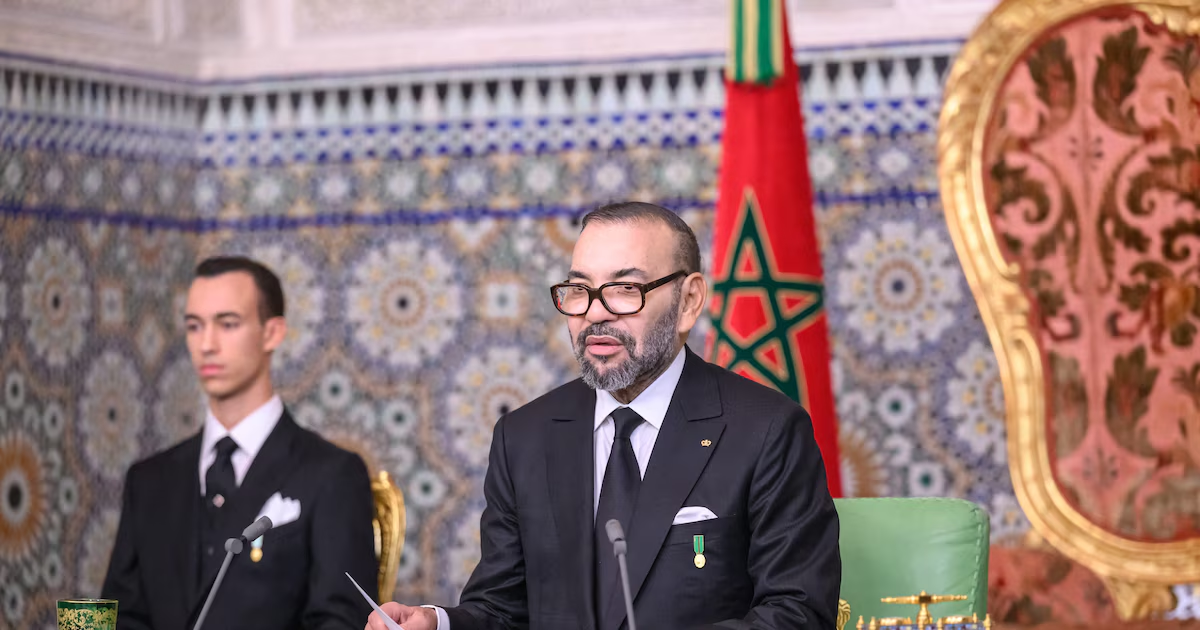
Morocco: King Mohammed VI congratulates King Felipe VI after Spain’s 2026 World Cup triumph
His Majesty King Mohammed VI has sent a message of congratulations to His Majesty King Felipe VI of Spain following Spain’s victory at the 2026 FIFA World Cup, hosted by the United States, Canada, and Mexico.
In his message, the Moroccan Sovereign extended his warmest congratulations to the King of Spain and the Spanish people, praising a victory that, in his view, confirms Spanish football’s leading position on the international stage.
A tribute to Spain’s young generation
King Mohammed VI highlighted Spain’s outstanding campaign throughout the tournament, emphasizing the determination and competitive spirit displayed by the Spanish players in securing their second World Cup title.
« As I share, together with the Moroccan people, the feelings of joy and pride with Your Majesty and the Spanish people over this second World Cup title won by your neighboring and friendly country, I wish to commend the strong determination and exceptional competitive spirit demonstrated by the members of your young national team throughout the tournament, enabling them to win the FIFA World Cup with distinction and merit, » the Sovereign wrote in his message.
Relations built on mutual respect
In closing his message, His Majesty King Mohammed VI once again congratulated King Felipe VI and expressed his best wishes for the continued success and international prominence of Spanish football.
The message reflects the friendship and cooperation that unite Morocco and Spain, two countries that, together with Portugal, will co-host the 2030 FIFA World Cup.
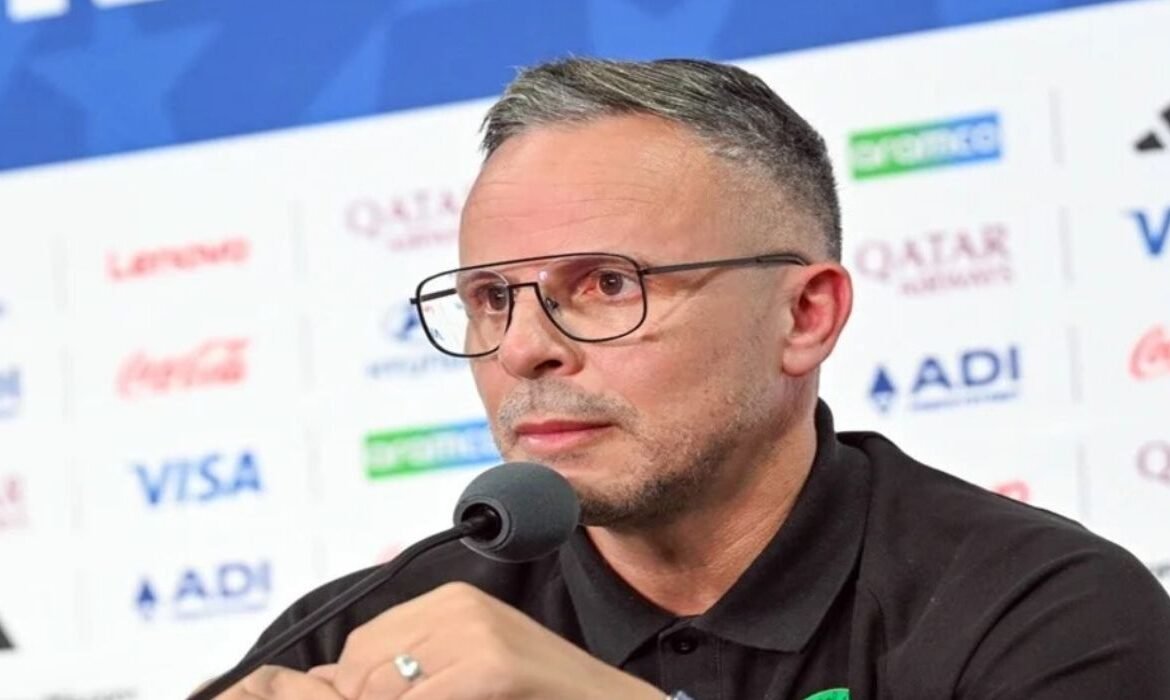
Morocco : FRMF confirms Mohamed Ouahbi as Atlas Lions head coach
The Royal Moroccan Football Federation (FRMF) has officially reaffirmed its confidence in Mohamed Ouahbi, who will remain head coach of the Atlas Lions despite Morocco’s elimination in the quarter-finals of the 2026 FIFA World Cup.
Meeting on Thursday, the FRMF Executive Committee described the national team’s campaign as « honourable », stating that finishing among the top eight teams in the world represents another major achievement for Moroccan football. In an official statement, the Federation also stressed the importance of drawing lessons from the tournament in order to continue progressing ahead of future international competitions.
Steady progress continues
The FRMF noted that these results are part of a long-term project launched in 2018, when Morocco was ranked 84th in the FIFA World Ranking. Since then, the Atlas Lions have steadily climbed the rankings to break into the world’s top 10, recently reaching 6th place, reflecting the team’s consistent progress.
Following the historic semi-final appearance at the 2022 FIFA World Cup and the quarter-final finish in 2026, the Federation has set even higher ambitions. Its objective is to establish Morocco permanently among the world’s leading football nations and to consistently compete in the latter stages of major international tournaments.
Fouzi Lekjaa highlights Morocco’s ambitions
FRMF President Fouzi Lekjaa said that the Kingdom’s sporting ambitions continue to grow alongside the success achieved by Morocco’s various national teams. He highlighted the FIFA U-20 World Cup title, the impressive run of the U17 national team at the 2025 FIFA U-17 World Cup, and the bronze medal won by Morocco’s Olympic team at the Paris 2024 Olympic Games. According to him, these achievements reflect the quality of Morocco’s player development system and the country’s footballing potential.
Strengthening communication with supporters
Fouzi Lekjaa also called for improving communication between the FRMF and the general public in order to better showcase the work carried out by the Federation.
The FRMF president stressed the importance of listening to constructive criticism and supporters’ observations, believing that such feedback can help address certain shortcomings and contribute to achieving Morocco’s long-term football ambitions.
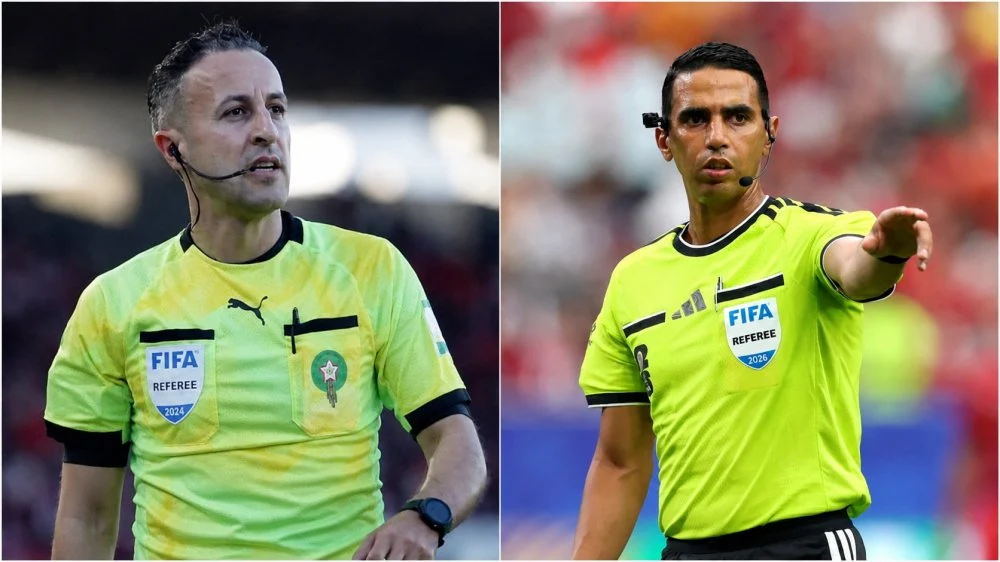
2026 World Cup: Two Moroccan referees appointed for the France–England third-place play-off
Moroccan refereeing continues to earn recognition on the international stage. FIFA has appointed Jalal Jayed and Zakaria Brinsi among the match officials for the 2026 FIFA World Cup third-place play-off between France and England, which will be played on Saturday at Miami Stadium.
Jalal Jayed will serve as the fourth official, while Zakaria Brinsi has been appointed reserve assistant referee. The match will be officiated by Venezuelan referee Jesús Valenzuela, assisted by his fellow countrymen Jorge Urrego and Tulio Moreno.
Another recognition for Moroccan refereeing
This appointment once again reflects the confidence that FIFA has placed in Moroccan referees. Throughout the 2026 FIFA World Cup, several Moroccan match officials have been selected for important fixtures, confirming the growing reputation and credibility of Moroccan refereeing on the international stage. The presence of Jalal Jayed and Zakaria Brinsi at the third-place play-off between France and England represents another recognition of the work carried out by Moroccan referees in top-level competitions.
Vinčić to referee the World Cup final
FIFA has also officially announced the referee for the 2026 FIFA World Cup final. Slovenian referee Slavko Vinčić will take charge of the final between Spain and Argentina, scheduled for July 19 at New York New Jersey Stadium, where the new world champion will be crowned.
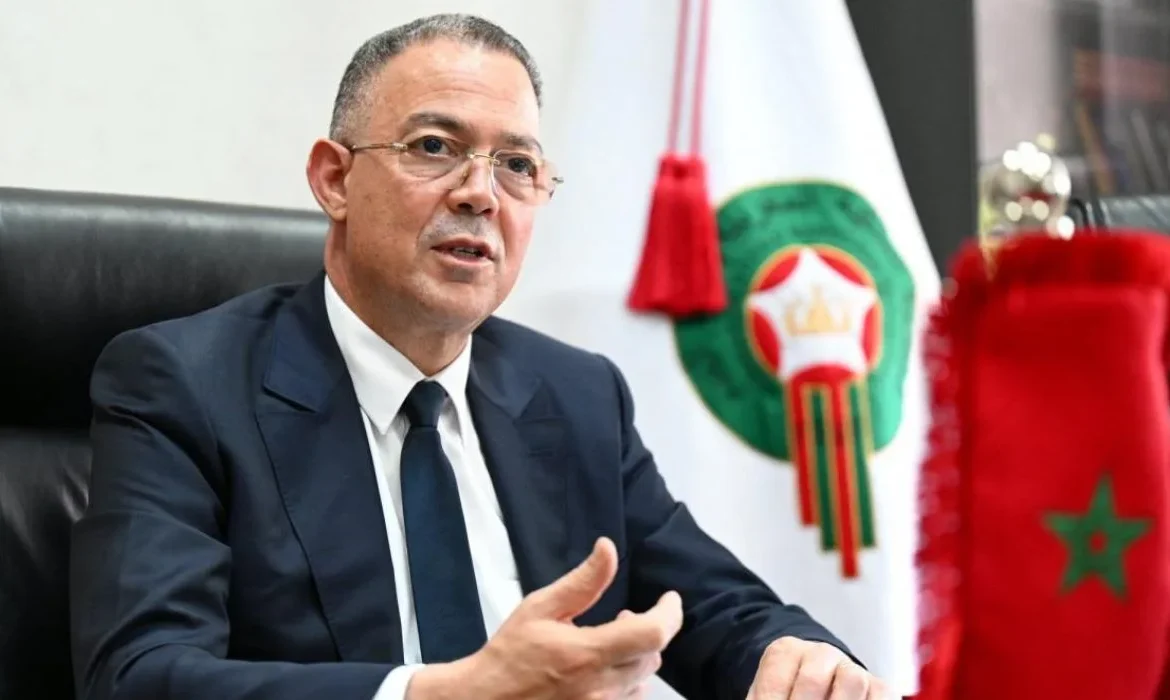
2030 World Cup: A strategic project for Morocco, says Fouzi Lekjaa
Hosting the 2030 FIFA World Cup is a strategic project for Morocco. This was the message delivered by Royal Moroccan Football Federation (FRMF) President Fouzi Lekjaa during the Federation’s Executive Committee meeting, held on Thursday in Salé.
According to an FRMF statement, Lekjaa stressed that the project is part of the vision of King Mohammed VI and requires collective mobilization to ensure the success of the tournament, which Morocco will co-host with Spain and Portugal.
The FRMF president emphasized the need for continuous coordination among the three host countries, under the supervision of FIFA, as well as early planning to meet the requirements of the event. He recalled that the organization of the tournament will be overseen by the Morocco 2030 Foundation, in partnership with the FRMF, in order to ensure close cooperation and efficient management of this major national project.
Fouzi Lekjaa also called on the national leagues to modernize their working methods and become fully involved in the preparations. According to him, this momentum should not only ensure the successful organization of the 2030 FIFA World Cup, but also strengthen the long-term development and international standing of Moroccan football on both the continental and global stages.

Yamal, Messi and Morocco : A World Cup final with Moroccan roots
Nineteen years after the now-iconic photograph of a young Lionel Messi holding a baby named Lamine Yamal in his arms, the two players are set to face each other in the 2026 FIFA World Cup final between Argentina and Spain. It is a clash that also resonates in Morocco, the country of origin of the Spanish wonderkid’s father.
In 2007, as part of a charity calendar organized by the newspaper Sport and UNICEF, Lionel Messi took part in a photo shoot with a baby selected by lottery. That baby was none other than Lamine Yamal, who was only a few months old at the time. The image became iconic after the FC Barcelona prodigy rose to prominence.
Morocco at the heart of the final
Although Lamine Yamal chose to represent Spain, his Moroccan roots remain an important part of his story. His father, Mounir Nasraoui, is originally from Larache, in northern Morocco, before emigrating to Spain as a child.
The final therefore carries a special significance for many Moroccan supporters. Just days after the Atlas Lions were eliminated by France in the quarter-finals, they will once again see a player of Moroccan origin on football’s biggest stage.
Standing opposite him, Lionel Messi will attempt to retain the World Cup title with Argentina. At the age of 39, the Albiceleste captain is aiming to win a second consecutive world title—an achievement not seen since Pelé’s Brazil in 1958 and 1962.
A symbol of two generations
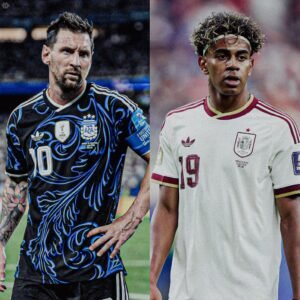
The final brings together two generations of world football. On one side is Lionel Messi, one of the greatest legends in the history of the game. On the other is Lamine Yamal, widely regarded as his natural successor.
For Morocco, this fixture also highlights the close ties between the two shores of the Mediterranean. Although Yamal now wears the Spain jersey, his family background continues to attract particular interest in the Kingdom.
On Sunday, nineteen years after that famous photograph, Messi and Yamal will write a new chapter in their shared story, with the world title at stake.
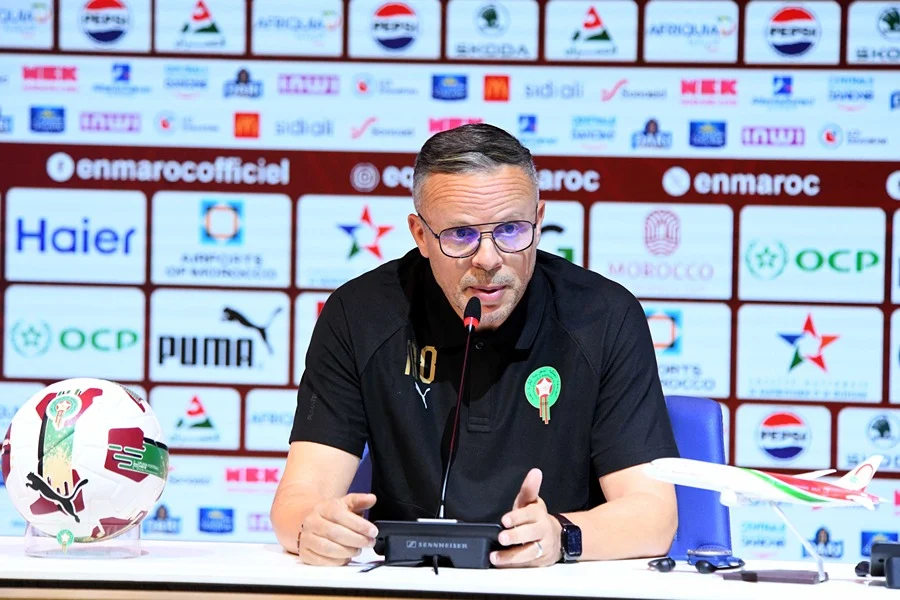
Morocco: Ouahbi puts an end to the controversy surrounding Sofyan Amrabat
Mohamed Ouahbi has sought to end the speculation surrounding Sofyan Amrabat following comments made by the midfielder’s brother, who expressed dissatisfaction with the player’s limited playing time during the 2026 FIFA World Cup. The Atlas Lions head coach insists that there is no conflict with the Moroccan international.
Speaking at a press conference, Ouahbi explained that he knew Amrabat’s personality very well before calling him up to the national team. He understood that the player wanted to be a starter, but what mattered most to him was Amrabat’s commitment in training every day.
« The only question I asked was: does he work hard on the pitch? I was told yes. I said: I’ll take him, » the head coach said.
Mohamed Ouahbi acknowledged that Sofyan Amrabat found his role during the World Cup difficult to accept. In particular, they had a discussion before the match against Brazil, when the player realized that he might not be in the starting lineup. The Moroccan coach assured him at the time that he would count on him during the tournament.
Despite his frustration, Amrabat remained fully committed. According to Ouahbi, the midfielder continued to work hard, which ultimately earned him playing time. The head coach also refused to attach too much importance to the comments made by the player’s brother. He believes they were primarily driven by emotion, pointing out that players’ families also experience major tournaments very intensely.
Finally, Mohamed Ouahbi emphasized that Sofyan Amrabat has a strong personality. According to him, if there had been a genuine problem, the player would have come to discuss it with him directly. For the head coach, the matter is now closed. He insisted that the controversy does not affect his confidence in Amrabat, while also reminding that competition in midfield has become extremely strong with the emergence of young talents such as Ayyoub Bouaddi, Neil El Aynaoui, and El Mourabet.