Brahim Díaz sets bold ambitions for Morocco ahead of 2026 World Cup
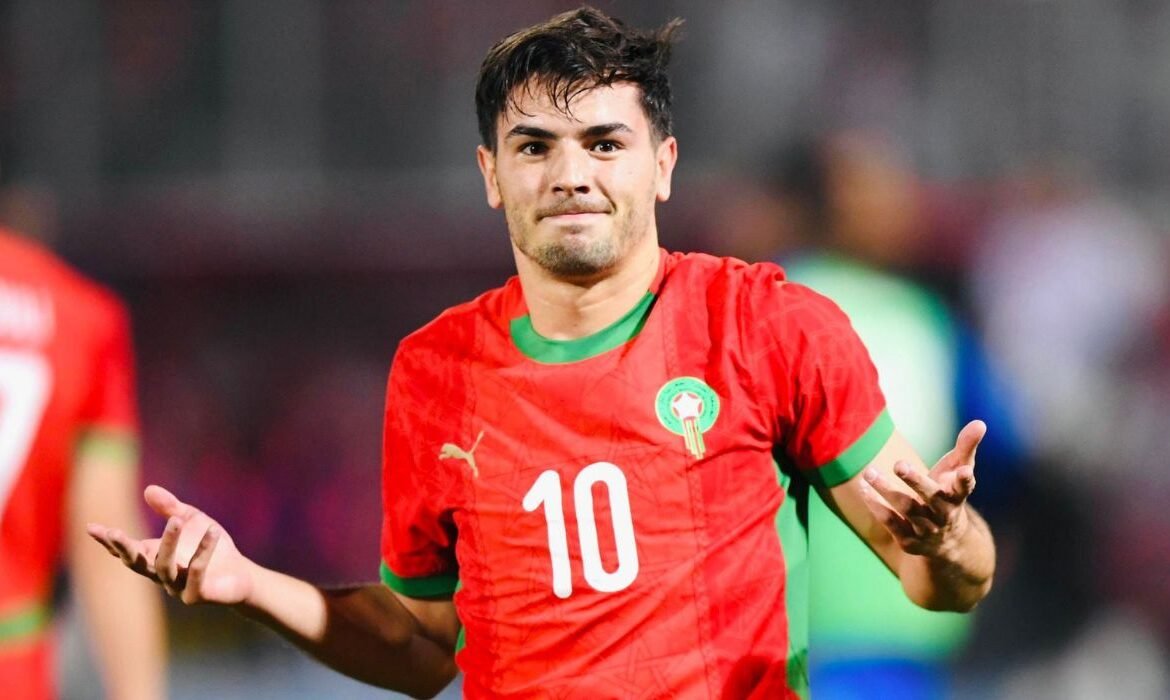
As the countdown to the FIFA World Cup 2026 continues, Morocco international Brahim Díaz has expressed strong confidence in the potential of the Morocco national football team to make a deep run in the tournament. In an interview with DAZN, the Real Madrid midfielder highlighted the cohesion, talent, and attacking identity of the Moroccan squad, insisting that the team has what it takes to compete with the world’s best.
“We Can Achieve Great Things Together”
Díaz emphasized the balance within the squad and the collective spirit driving Morocco’s preparations for the tournament. “We have a very balanced national team and we can achieve great things together at the World Cup,” he said. He also pointed to Morocco’s expressive style of play, rooted in creativity and technical freedom, describing it as a “street football” mentality that allows players to express themselves on the pitch.
A Challenging Group Stage Ahead
The Atlas Lions face a demanding group stage schedule in Group C, with matches spread across the United States:
June 13: Morocco vs Brazil – MetLife Stadium (New Jersey)
June 19: Morocco vs Scotland – Gillette Stadium (Boston)
June 24: Morocco vs Haiti – Mercedes-Benz Stadium (Atlanta)
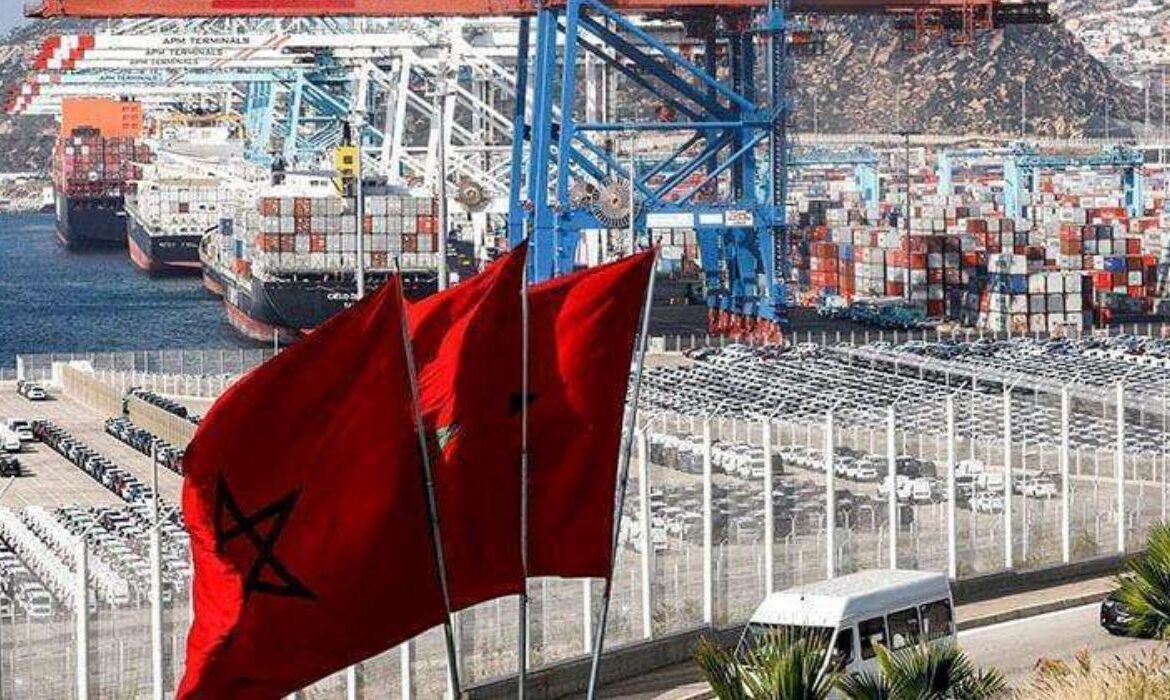
Morocco becomes Africa’s most industrialized economy
The Kingdom of Morocco has officially become Africa’s most industrialized economy in 2025, overtaking South Africa for the first time, according to a new report by the African Development Bank (AfDB). The shift marks a significant turning point in Africa’s industrial landscape and reflects two contrasting trajectories: Morocco’s long-term industrial expansion strategy and South Africa’s gradual economic slowdown.
A Two-Decade Industrial Strategy Pays Off
According to the AfDB report, Morocco’s rise is the result of a sustained industrial policy launched over the past 20 years, combining heavy public investment, targeted foreign direct investment, and the development of export-oriented industrial zones.
A key driver of this transformation has been the expansion of major infrastructure projects, particularly the port of Tanger Med, now considered the largest and most competitive port in Africa. Its logistics capacity has turned Morocco into a strategic gateway between Europe, Africa, and the Americas.
The country’s industrial base has also diversified significantly. While phosphates and automotive manufacturing remain important pillars, new high-value sectors such as aerospace have emerged as major contributors to industrial output.
Aerospace and Automotive at the Core of Growth
Industry experts highlight Morocco’s growing role in global supply chains, particularly in aviation. “Every aircraft flying today that was produced after 2005 includes at least one essential component manufactured in Morocco,” said Abdelmalek Alaoui, president of the Moroccan Institute of Strategic Intelligence and author of Morocco, the Challenge of Power.
He noted that Morocco’s industrial leap reflects a strategic national bet on both the automotive and aerospace sectors, supported by strong infrastructure and export integration.
A Model Built on Infrastructure and Investment
The AfDB report emphasizes that Morocco’s industrial success is closely linked to sustained investment in high-quality infrastructure, including ports, industrial zones, transport connectivity, and telecommunications. This environment has attracted increasing levels of foreign investment while also encouraging domestic private-sector growth. However, analysts warn that the model is highly dependent on continued capital inflows and global demand for manufactured exports.
Persistent Regional Inequalities
Despite its industrial achievements, Morocco continues to face deep internal disparities.
According to economists cited in the report, the benefits of industrialization are unevenly distributed across the country. Coastal and urban regions integrated into global trade networks have seen the strongest growth, while inland and rural areas lag behind.
“There is a winning Morocco, close to ports and global markets, and another Morocco at the margins,” noted Abdelmalek Alaoui. “This accelerated industrialization has widened the gap between the wealthiest and the most vulnerable populations.”
Employment Challenge Remains
A separate AfDB analysis published last month also highlighted a structural weakness in Morocco’s economic model: its limited job creation capacity relative to the size of its workforce. While the country hosts a growing number of companies and export industries, employment growth has not kept pace with demographic pressures, raising concerns about long-term social inclusion.
A New Industrial Hierarchy in Africa
Morocco’s ascent signals a broader reshaping of Africa’s industrial hierarchy, traditionally led by South Africa due to its mining base and diversified manufacturing sector. The new ranking reflects shifting investment flows, infrastructure competitiveness, and integration into global value chains—trends that are expected to continue shaping the continent’s economic geography in the coming years.
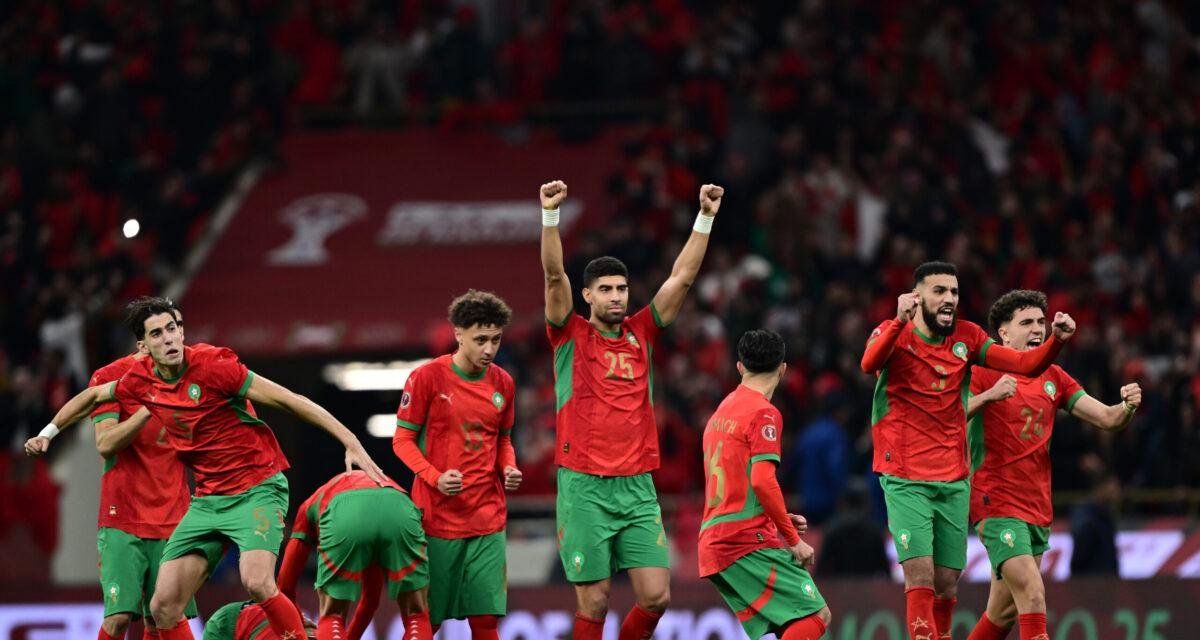
Atlas Lions Ready: Morocco reveals final squad for FIFA World Cup 2026
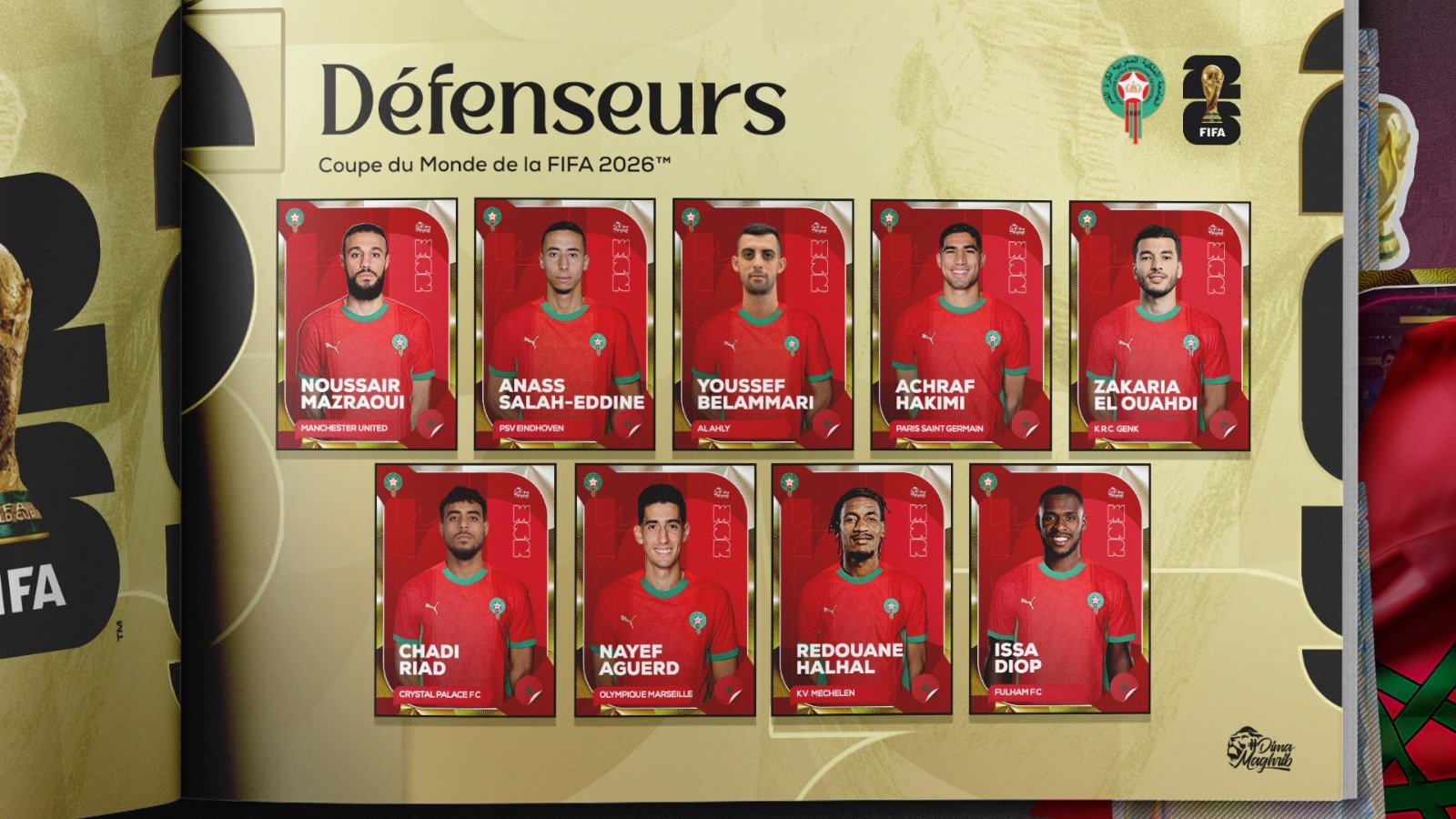
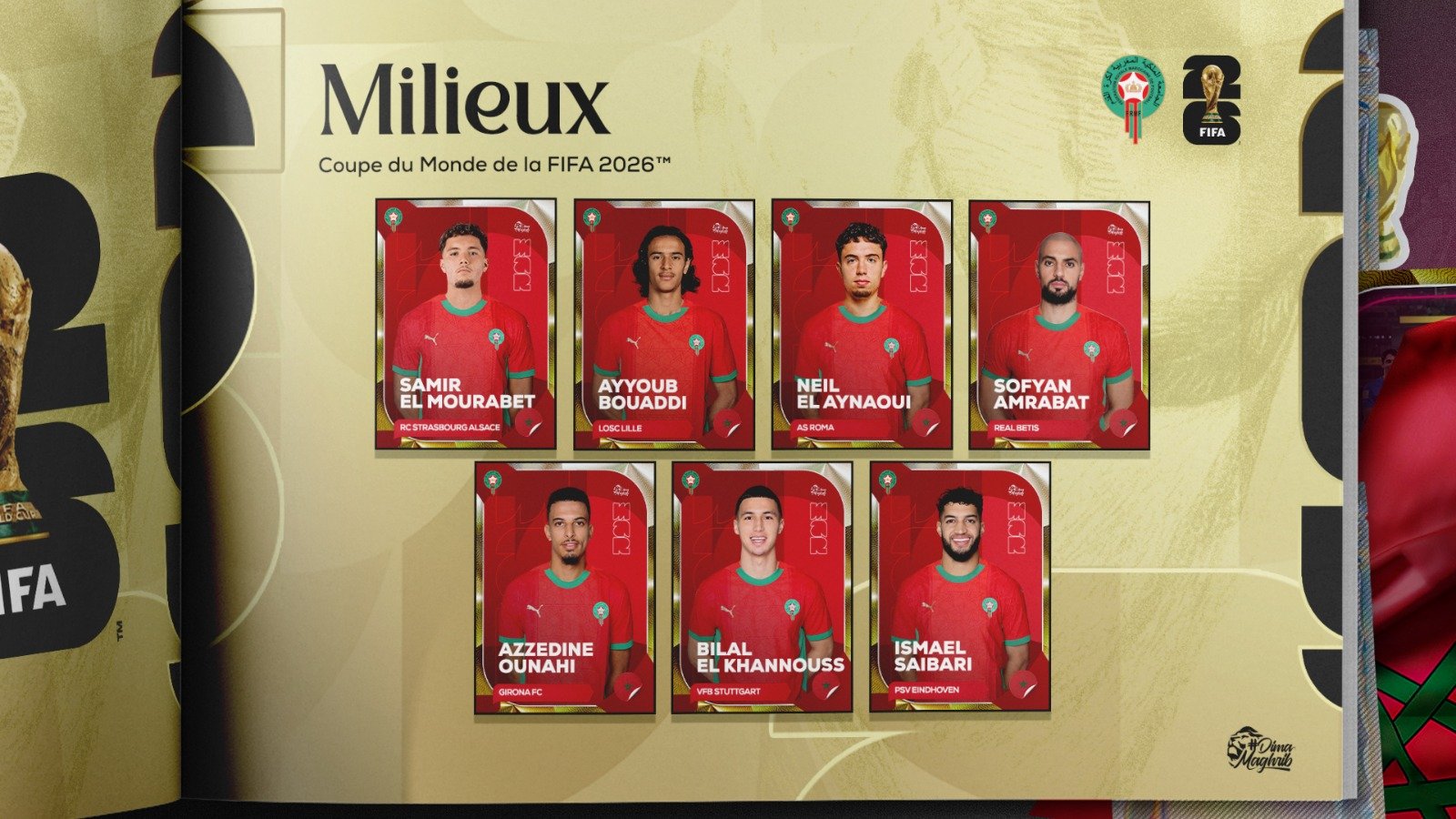
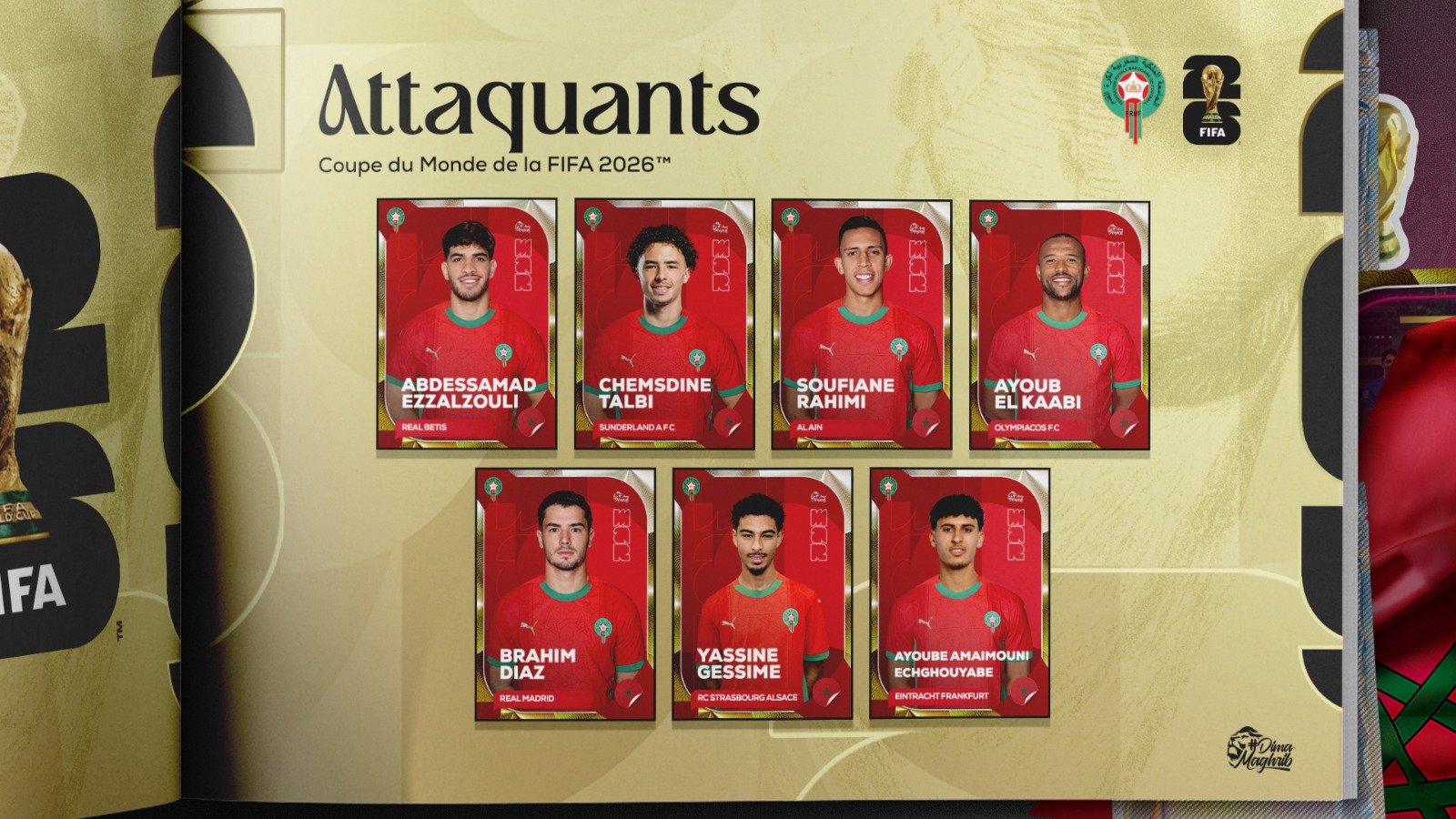
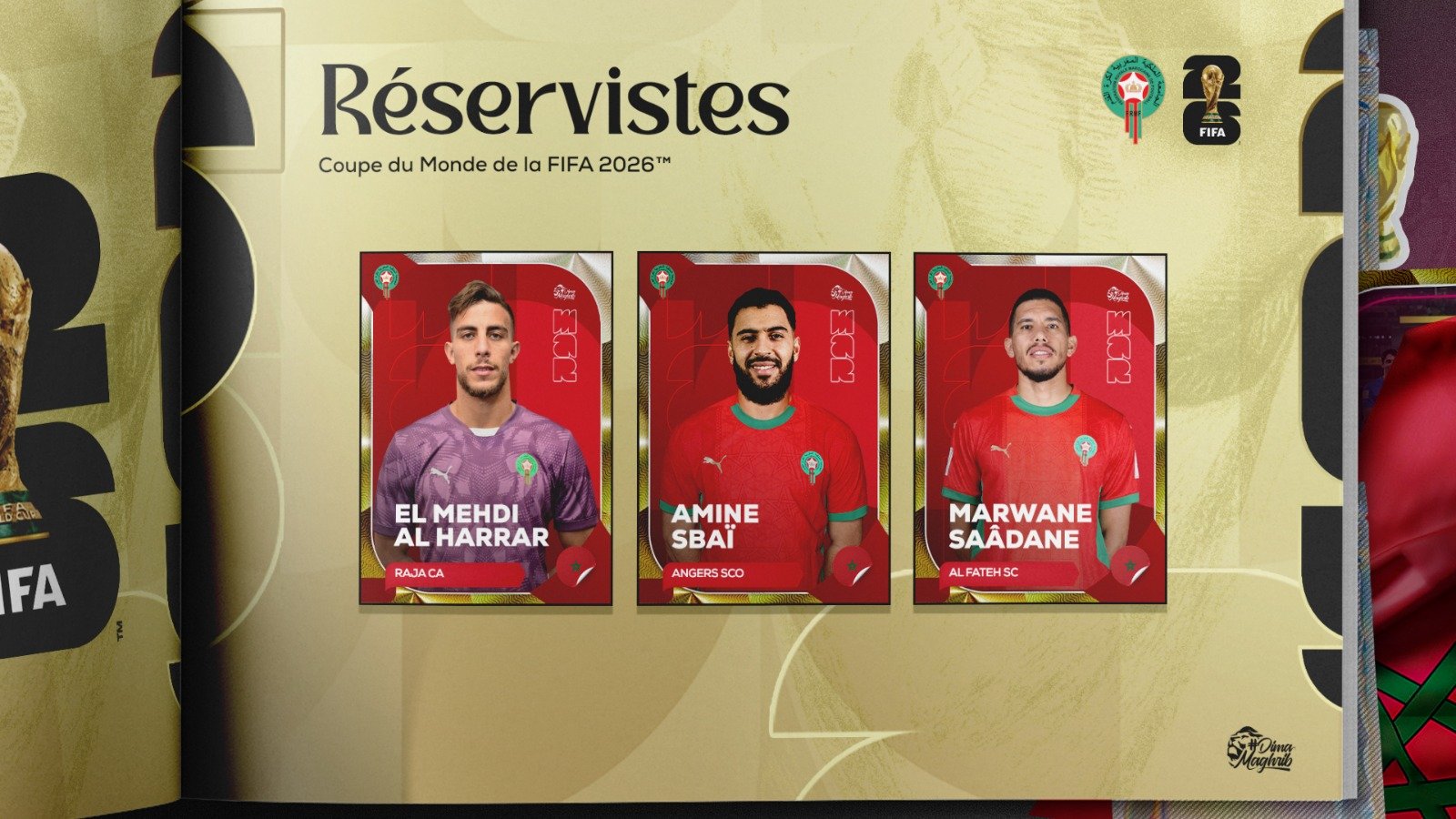
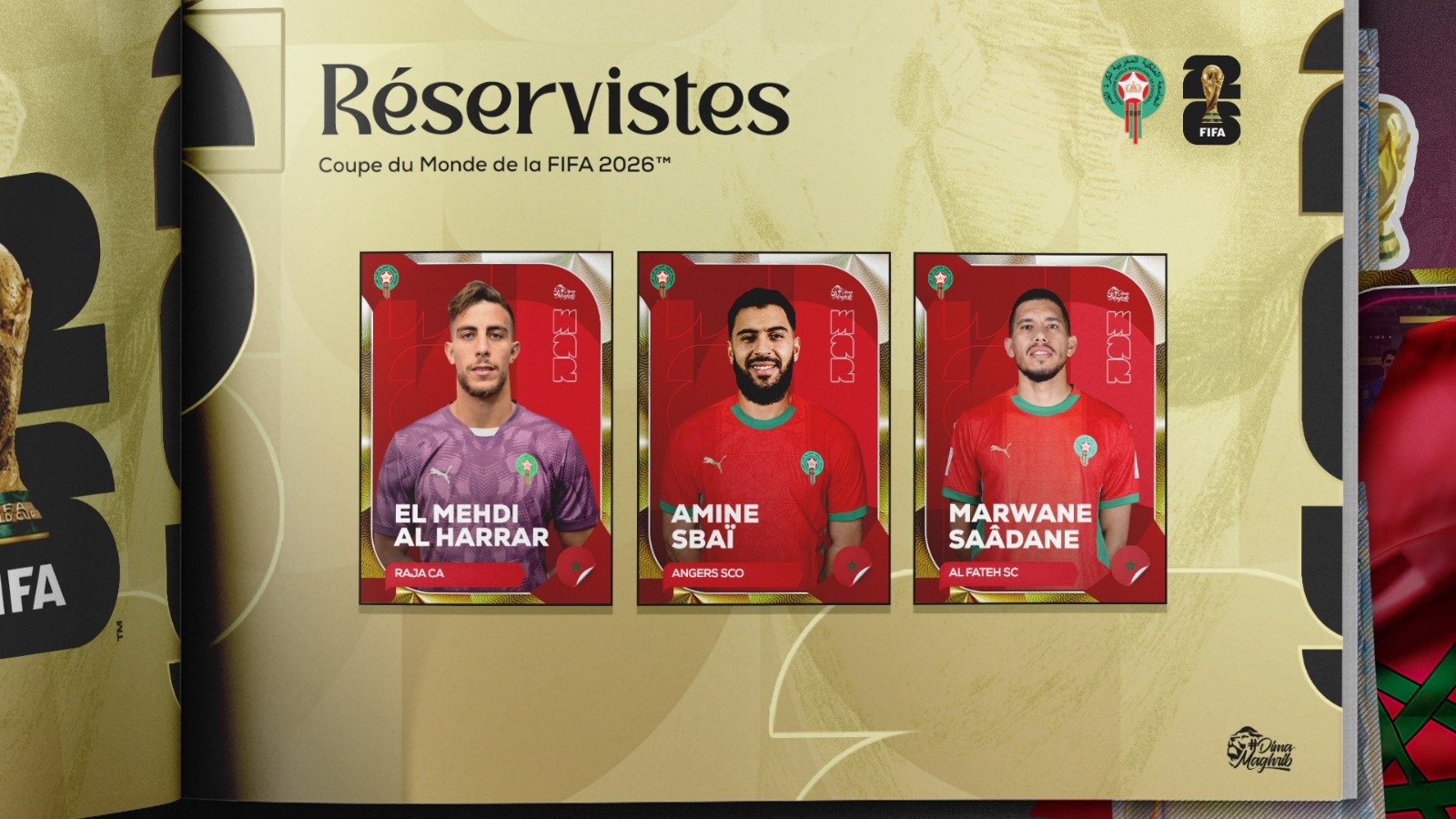
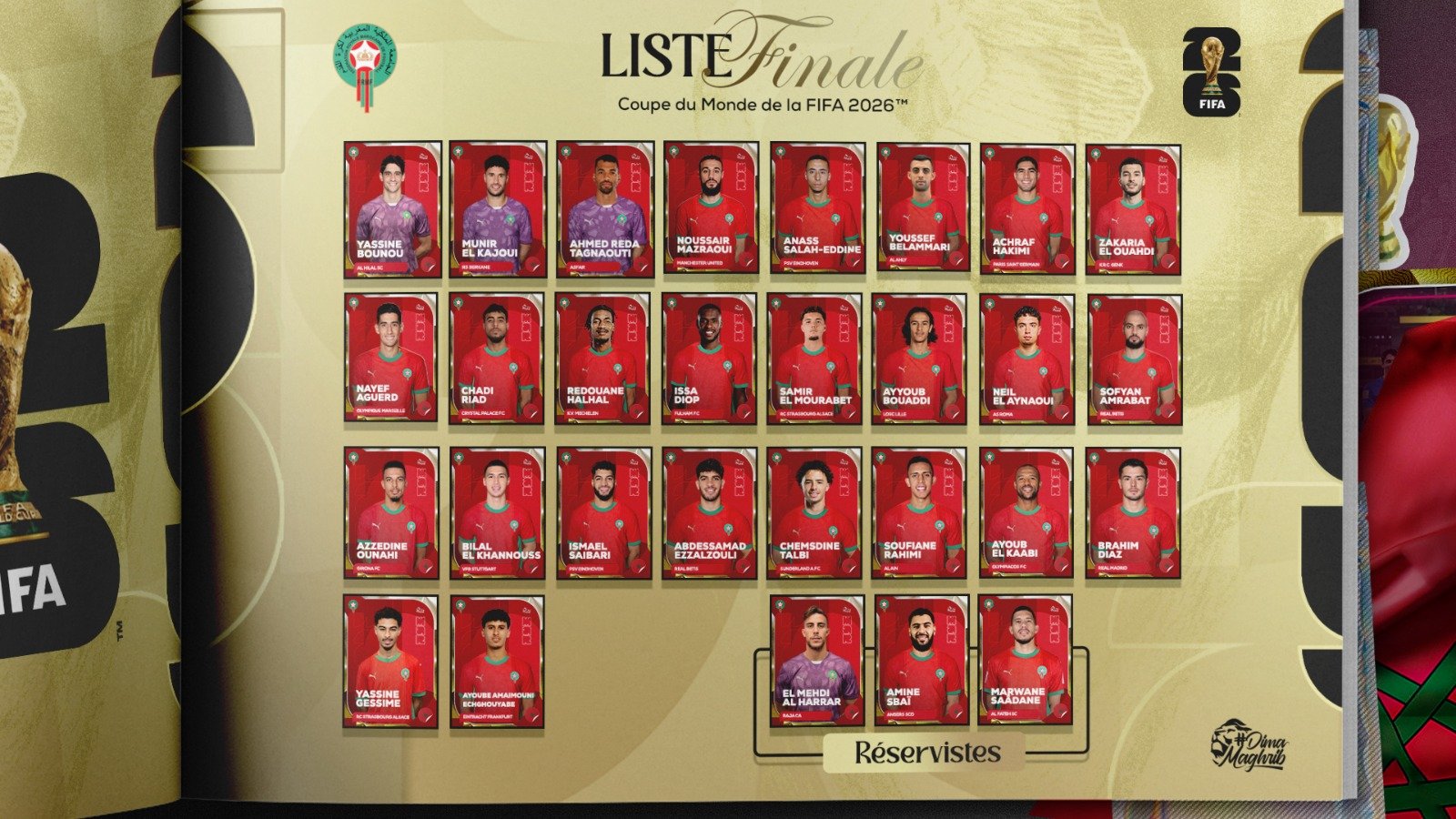
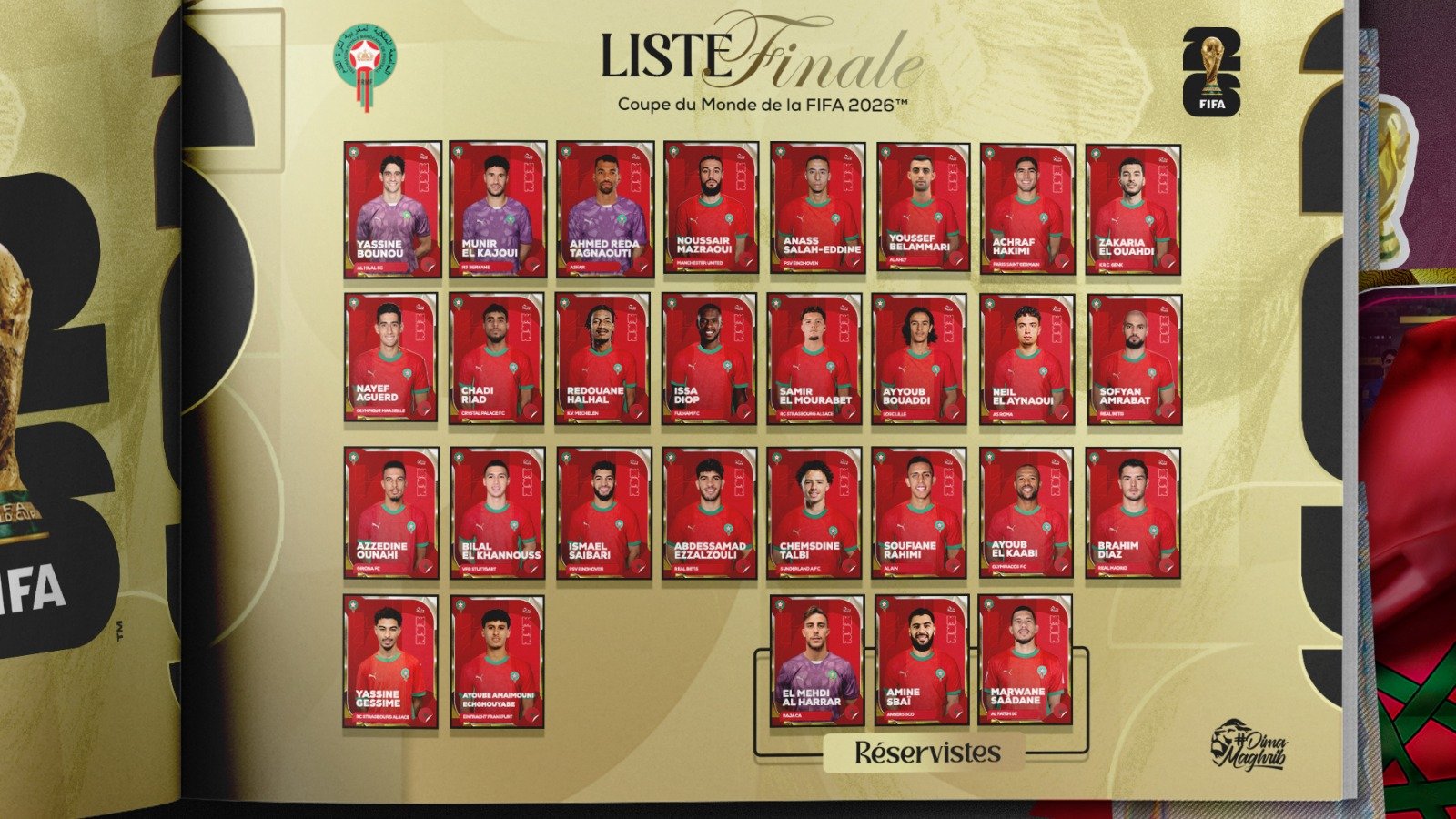
Morocco officially announced its 26-player squad for the 2026 FIFA World Cup on Tuesday, May 26, 2026, following a closed-door friendly match against Burundi. Head coach Mohamed Ouahbi revealed the final list as the Atlas Lions continue preparations for the global tournament. The squad comes with few major surprises, as Ouahbi largely maintained the core group that helped Morocco make history during the 2022 FIFA World Cup in Qatar.
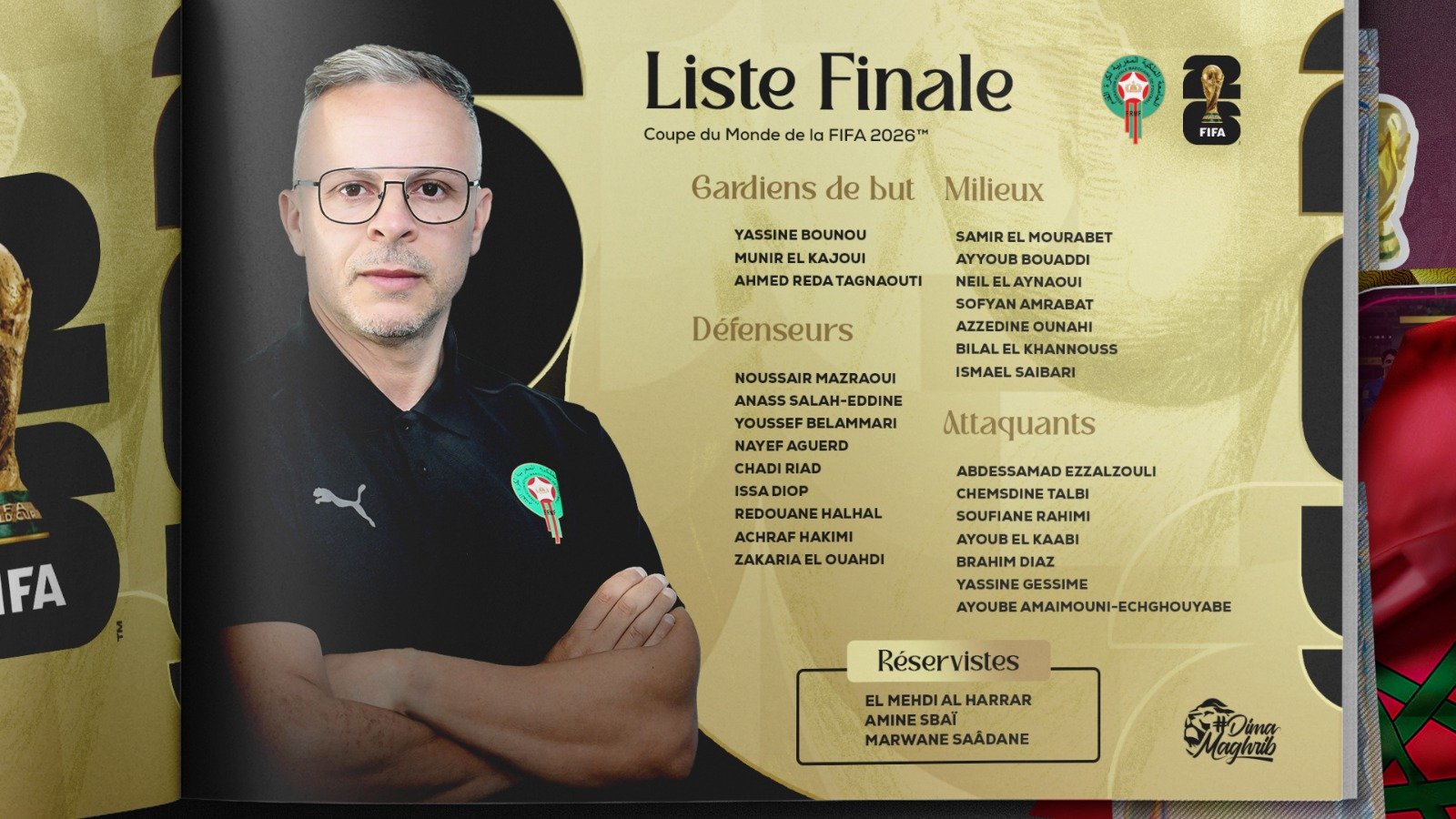
Morocco builds on its historic momentum
After becoming the first African nation to reach a World Cup semifinal in 2022, Morocco enters the 2026 tournament with growing expectations and global respect. Mohamed Ouahbi now faces the challenge of continuing the remarkable progress established under former coach Walid Regragui.
Atlas Lions aiming even higher
With a talented and experienced generation of players, Morocco hopes to once again compete among the world’s elite nations. The Atlas Lions are no longer seen as outsiders but as one of Africa’s strongest football teams heading into the 2026 FIFA World Cup. The tournament represents another opportunity for Morocco to strengthen its reputation as a rising global football power.
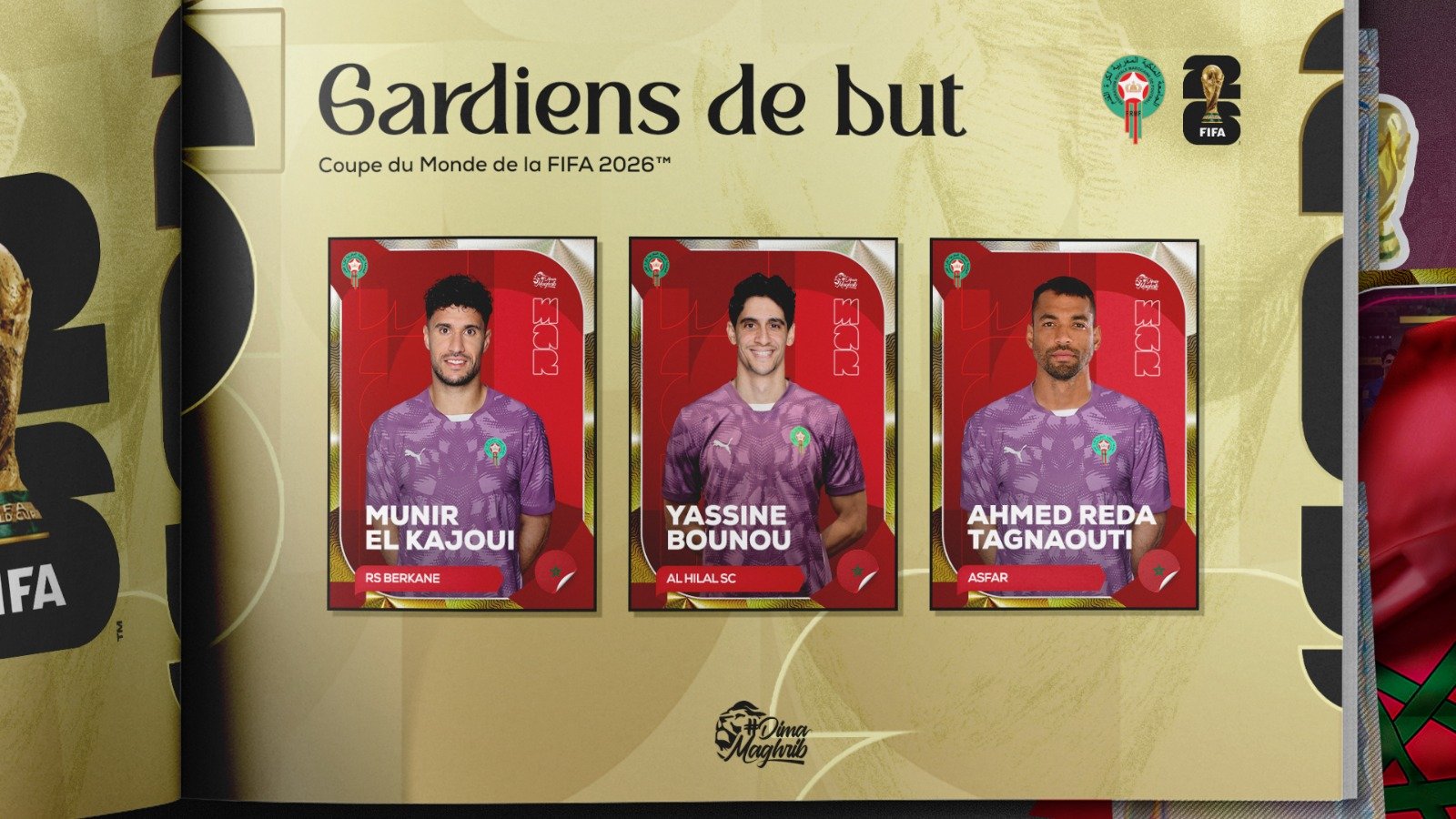
World Cup 2026 preparations: Morocco thrash Burundi 5-0 in first friendly match
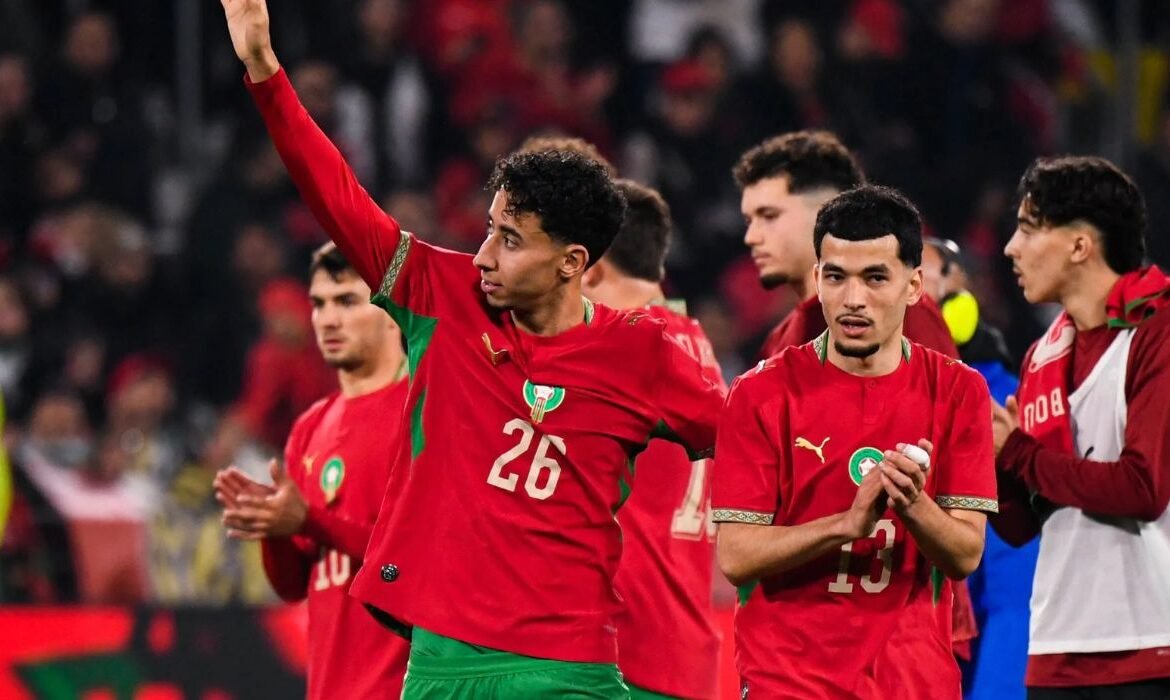
Morocco’s national team began its preparations for the 2026 FIFA World Cup in impressive fashion with a dominant 5-0 victory over Burundi on Tuesday, May 26, 2026. The friendly match was played behind closed doors at the Mohammed VI Football Complex, as the Atlas Lions continue fine-tuning their squad ahead of upcoming international fixtures in June.
A convincing performance from the Atlas Lions
The team coached by Walid Regragui controlled the match from start to finish, displaying strong attacking football and solid collective organization. Morocco’s offensive efficiency and technical superiority quickly made the difference, allowing the team to secure a comfortable five-goal victory in its first preparation outing. The result offers another positive sign for Moroccan football as the country continues building momentum ahead of the global tournament.
Mohammed VI Football Complex remains central to Morocco’s ambitions
The match once again highlighted the strategic role of the Mohammed VI Football Complex, which has become one of Africa’s leading high-performance football centers. The behind-closed-doors encounter also gave the Moroccan coaching staff an opportunity to test tactical combinations and evaluate players in a competitive environment.
Morocco continues building toward World Cup 2026
Following its historic performances on the international stage in recent years, Morocco remains one of Africa’s most ambitious football nations. The convincing win over Burundi marks an encouraging first step in the Atlas Lions’ preparations as they aim to once again represent African football at the highest global level.
CAF president Patrice Motsepe praises Morocco’s royal pardon for senegalese Fans
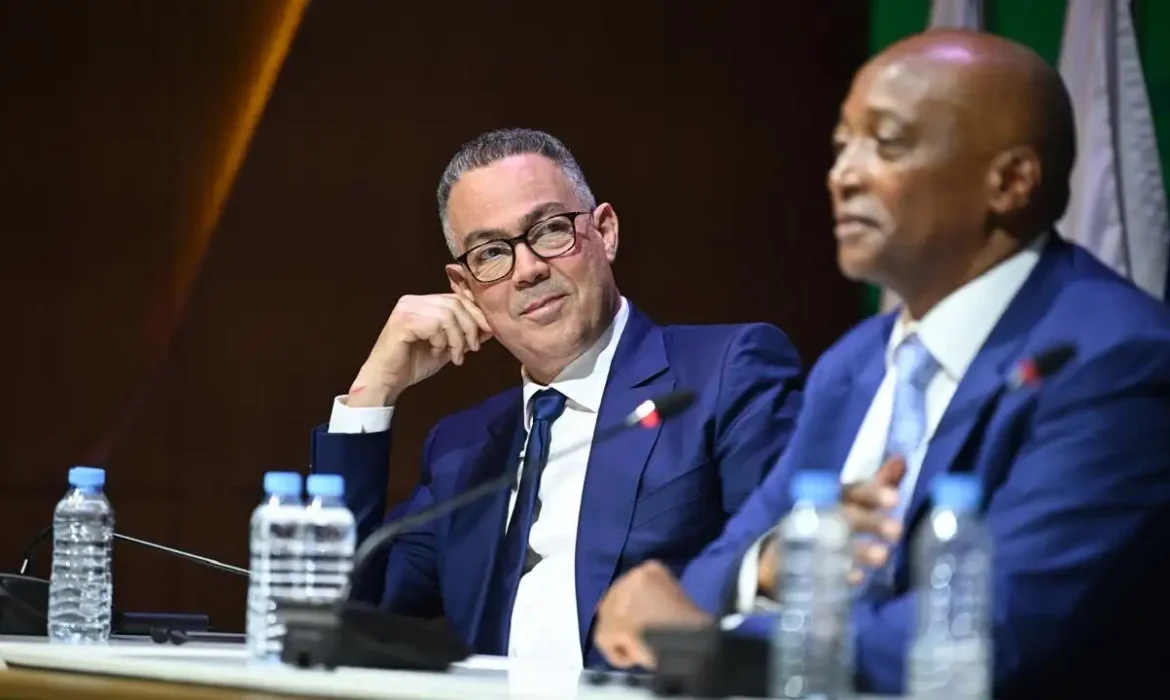
The President of the Confederation of African Football (CAF), Patrice Motsepe, has expressed his gratitude to King Mohammed VI following the royal pardon granted to Senegalese supporters convicted after the 2025 Africa Cup of Nations final. In an official statement dated May 23, 2026, Motsepe described the decision as a powerful example of football’s ability to bring people together across nations and cultures.
A gesture highlighting African unity
Speaking on behalf of CAF’s 54 member associations, Motsepe praised the Moroccan monarch for what he called an inspiring act of humanity and solidarity. He stressed that the royal pardon reflects the core values of African football, particularly unity, reconciliation and respect among nations.
The CAF president also highlighted the strong historical ties between Morocco and Senegal, noting his personal impressions from recent visits to both countries. He emphasized that such gestures reinforce not only diplomatic relations but also the human dimension of African football.
Motsepe also extended his best wishes to African nations qualified for the FIFA World Cup 2026, encouraging them to make the continent proud on the global stage.
Grand Stade Hassan II: Construction progresses on Morocco’s future mega stadium
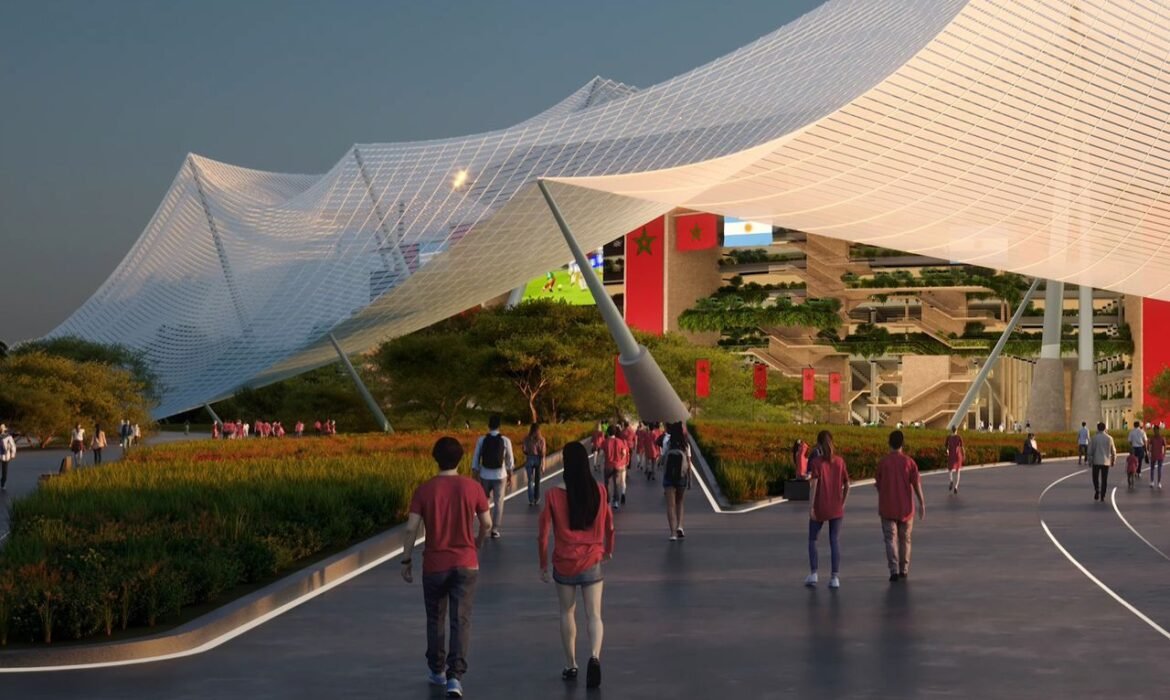
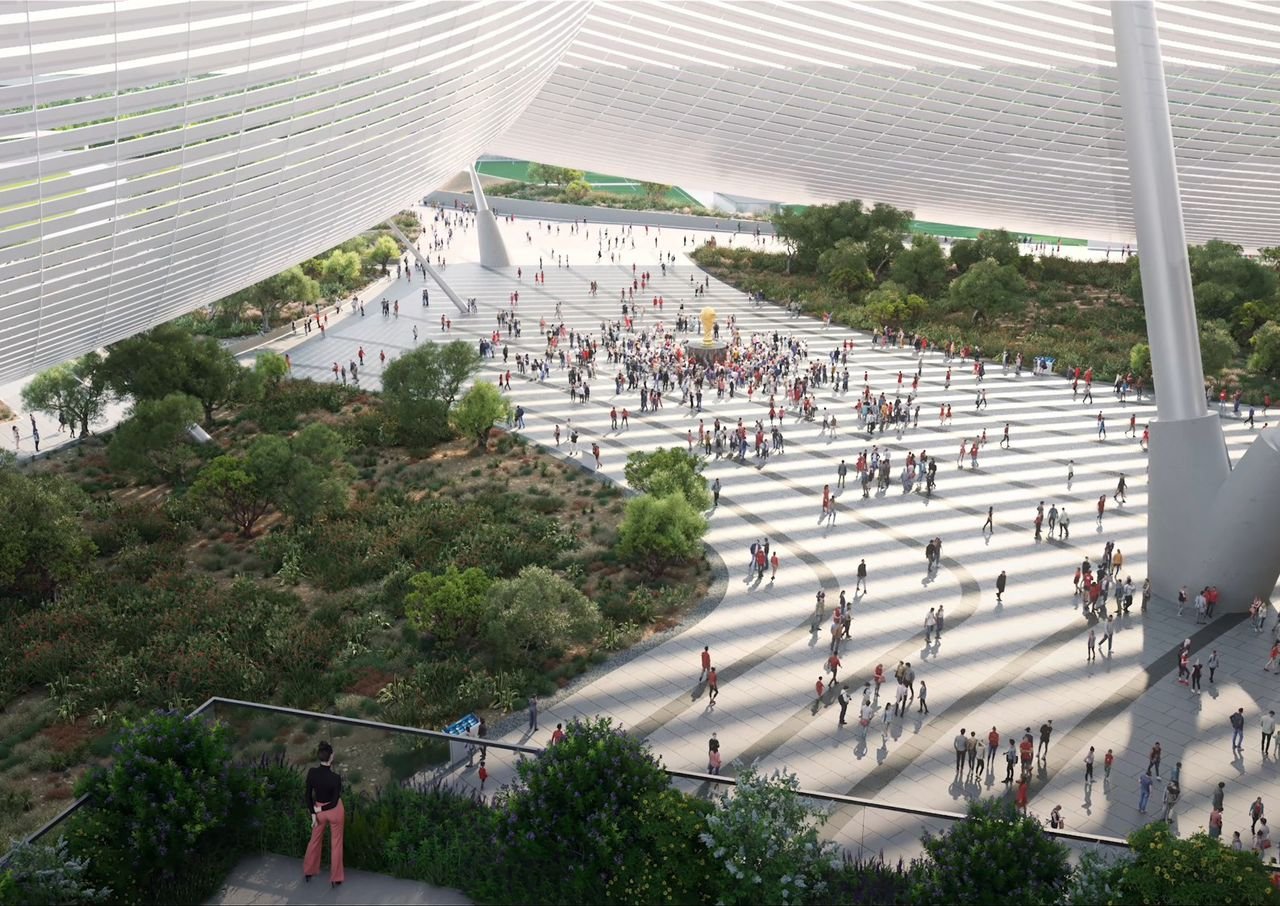
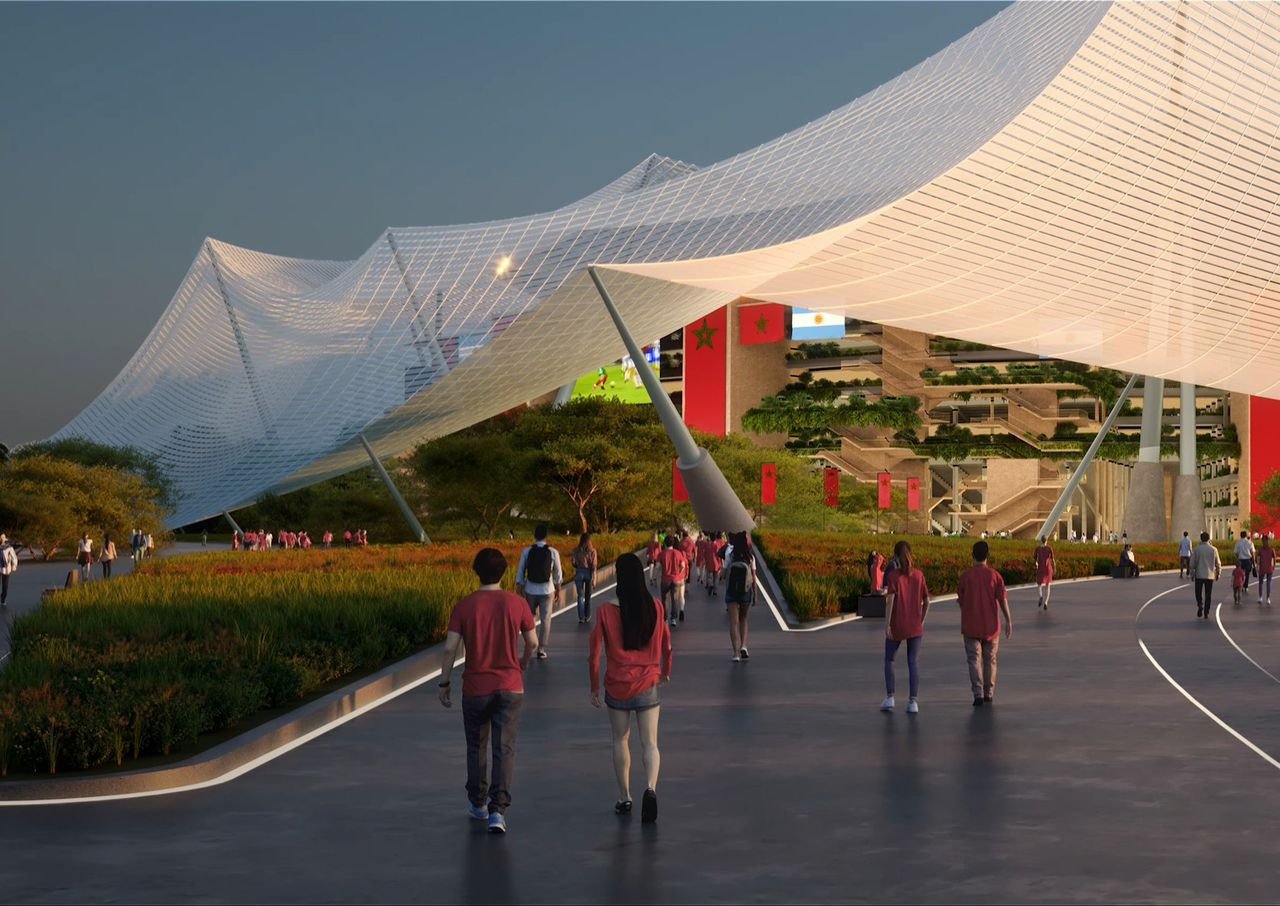
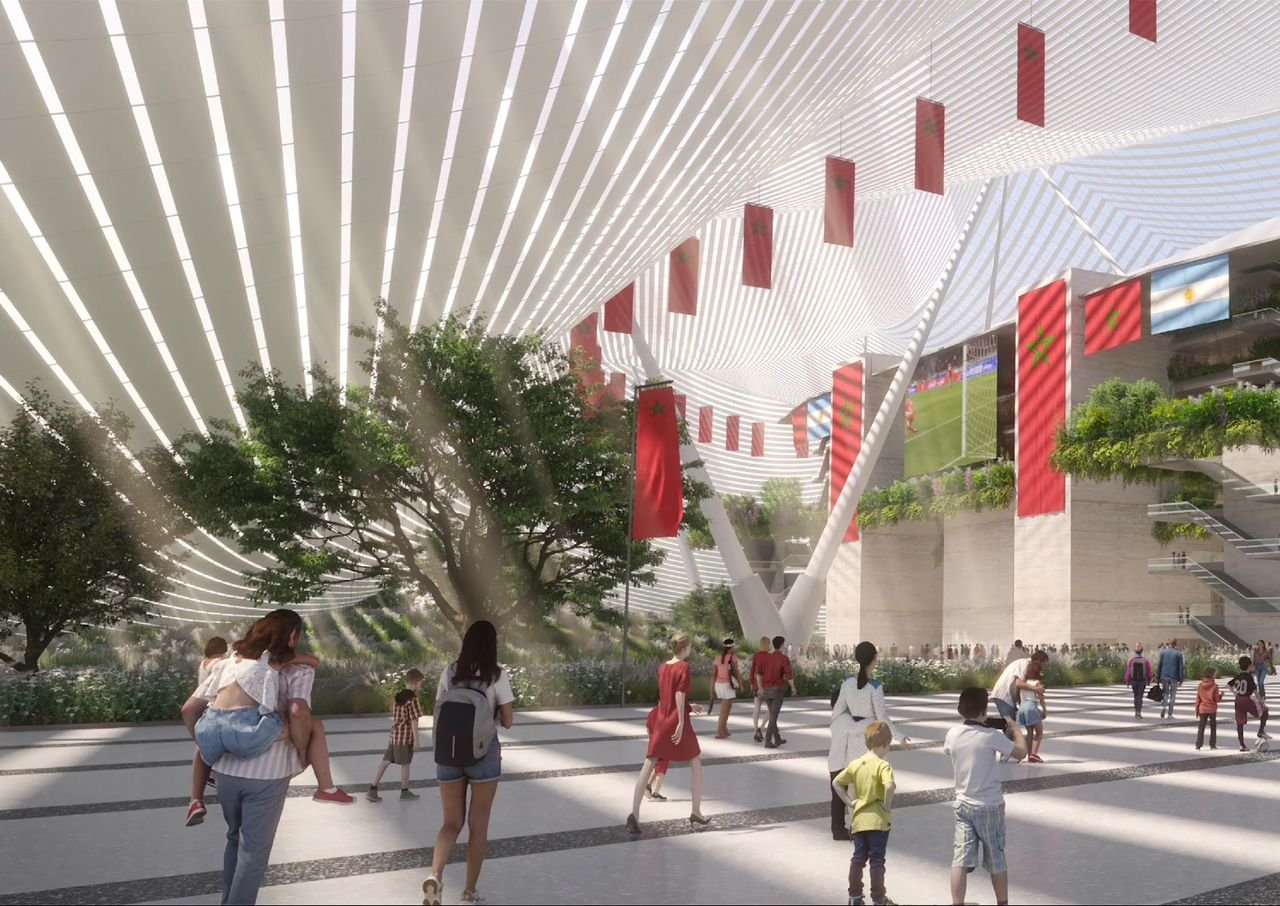
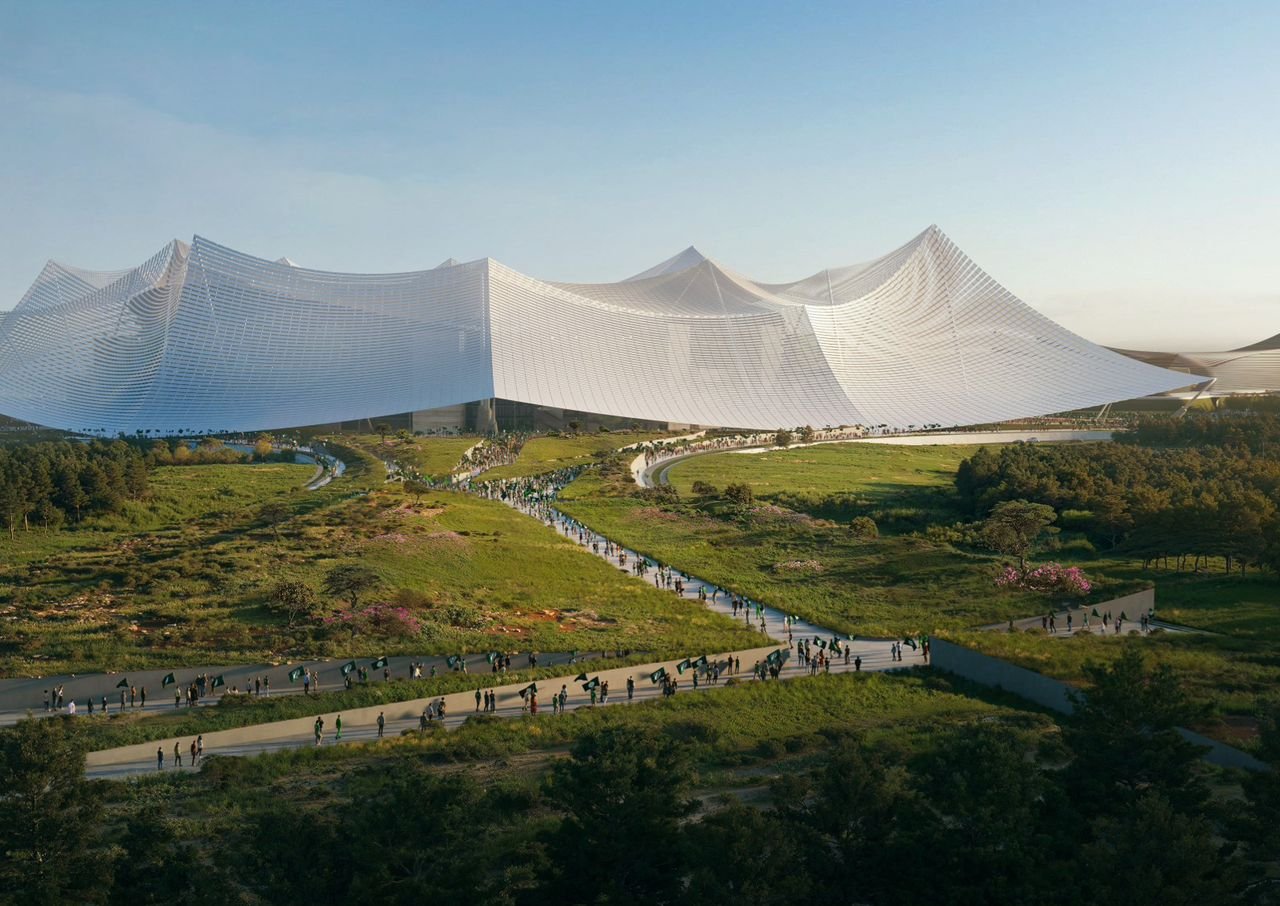
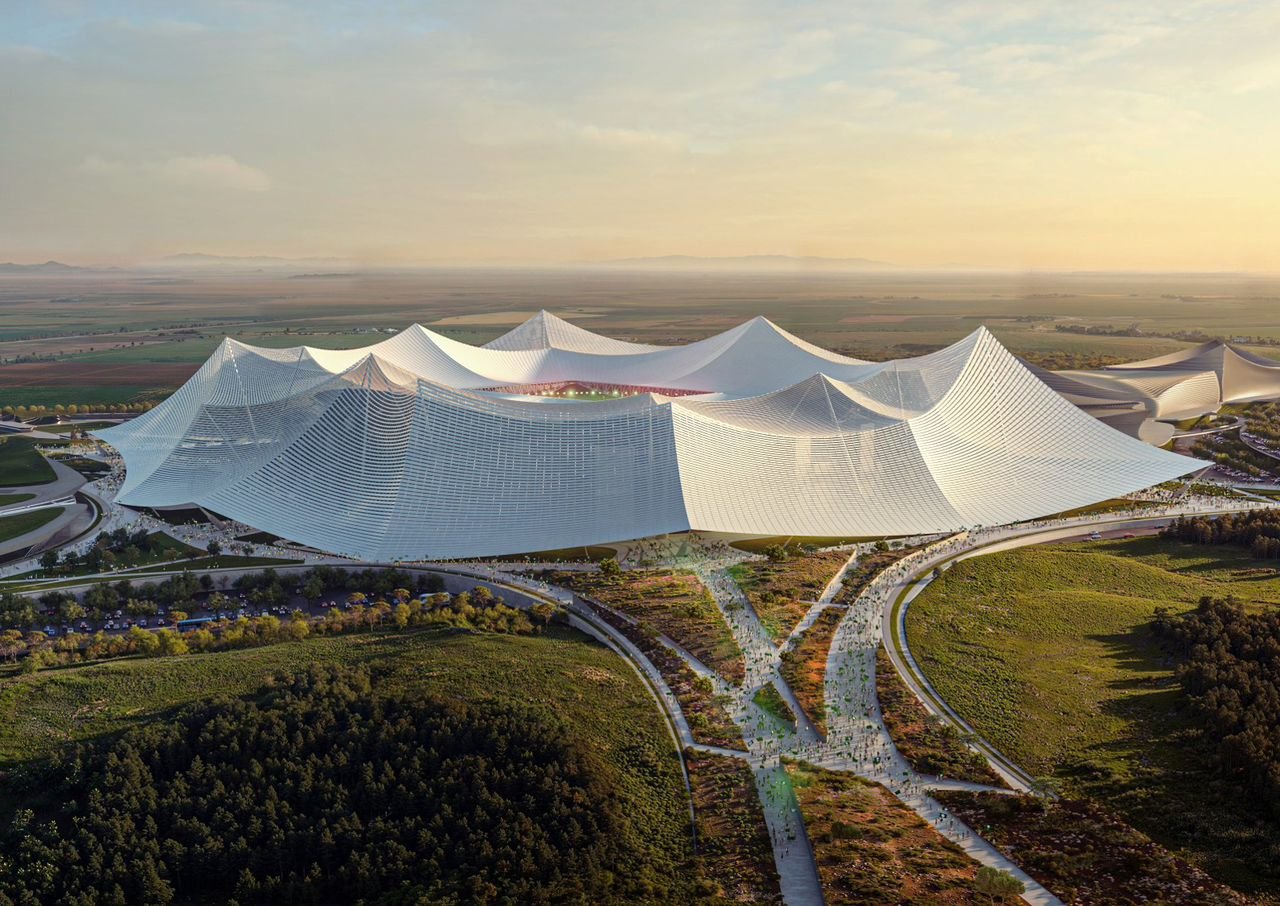
The construction of the Grand Stade Hassan II is advancing steadily, marking a new visible phase in one of Morocco’s most ambitious sporting infrastructure projects. The stadium is set to become one of the largest in the world and forms a key part of the country’s long-term strategy ahead of major international sporting events, including the 2030 FIFA World Cup.
Developed under the supervision of the National Agency for Public Facilities, the project stands out for its scale and ambition. The future stadium will have a seating capacity of 115,088, placing it among the largest sports venues globally. Spread over approximately 150 hectares, it is being built to meet the highest international standards.
On site, multiple construction phases are progressing simultaneously. Structural works are underway alongside steel framework installation, waterproofing, cladding, finishing works, and architectural detailing. Teams are also working on façades, roofing systems, electrical installations, plumbing, ventilation, and air-conditioning systems, reflecting the technical complexity of the project.
Beyond its sporting function, the Grand Stade Hassan II is designed as a fully integrated modern complex. It will include VIP and VVIP areas, dedicated facilities for teams and officials, media zones for international press, premium hospitality spaces, and administrative offices for global football institutions.
The project, led by architect Tarik Oualalou in partnership with the global design firm Populous, features a futuristic concept inspired by Moroccan identity. It reflects a strong architectural vision combining innovation, functionality, and cultural heritage.
Through this landmark development, Morocco continues to strengthen its position as a leading sports destination. The Grand Stade Hassan II is emerging as a flagship project that will place the country at the heart of global football infrastructure.
Morocco’s humanitarian gesture after AFCON 2025 draws praise from Senegal
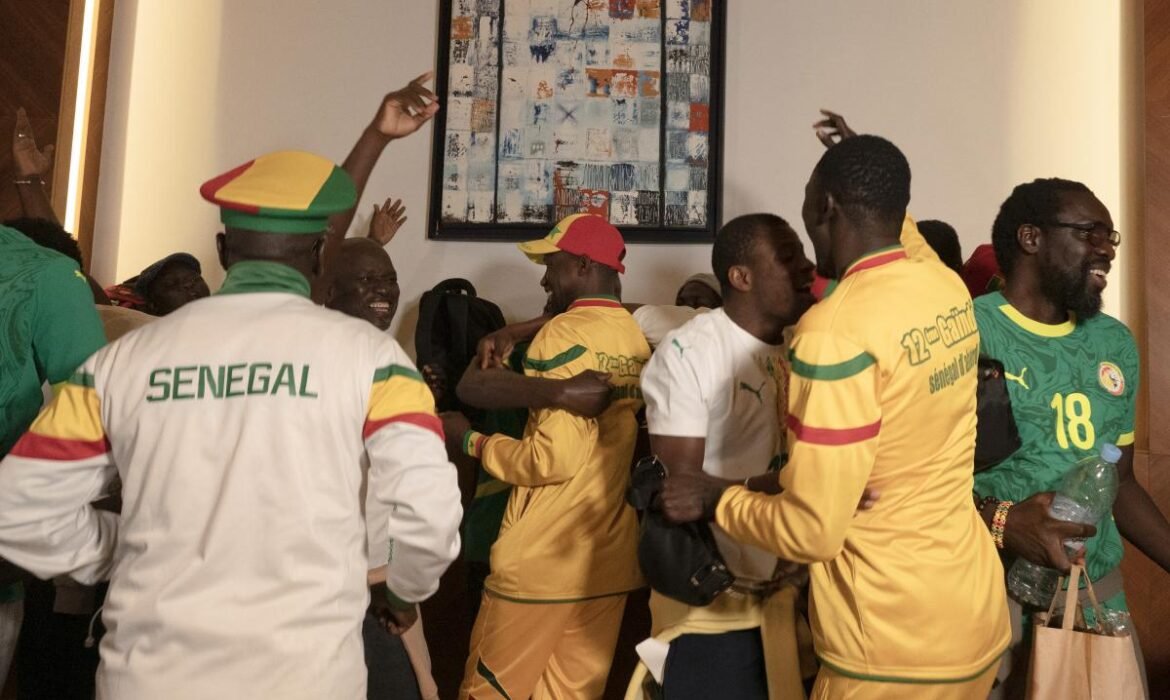
The royal pardon granted by King Mohammed VI to Senegalese supporters convicted following incidents during CAN 2026 has triggered strong and positive reactions in Senegal. Senegalese President Bassirou Diomaye Faye was among the first to respond, describing the decision as “a gesture of humanity and clemency.” He expressed deep gratitude to the Moroccan authorities and the monarch, confirming that the released citizens will soon reunite with their families.
A symbolic act strengthening Morocco–Senegal ties
The Senegalese president emphasized the long-standing brotherly relations between Morocco and Senegal, highlighting a historic partnership built on mutual respect and cooperation. The pardon, issued during Eid al-Adha, is widely seen in Dakar as a powerful diplomatic and humanitarian gesture.
Senegalese international Idrissa Gana Gueye also reacted positively to the announcement. He thanked King Mohammed VI for what he described as a decision filled with “humanity, wisdom and reconciliation,” stressing that it reflects the strong historical ties between both nations.
Beyond the sporting context, the decision highlights the enduring diplomatic relationship between Morocco and Senegal. The royal pardon is being viewed as another example of how football and humanitarian values intersect to strengthen African unity and cooperation.
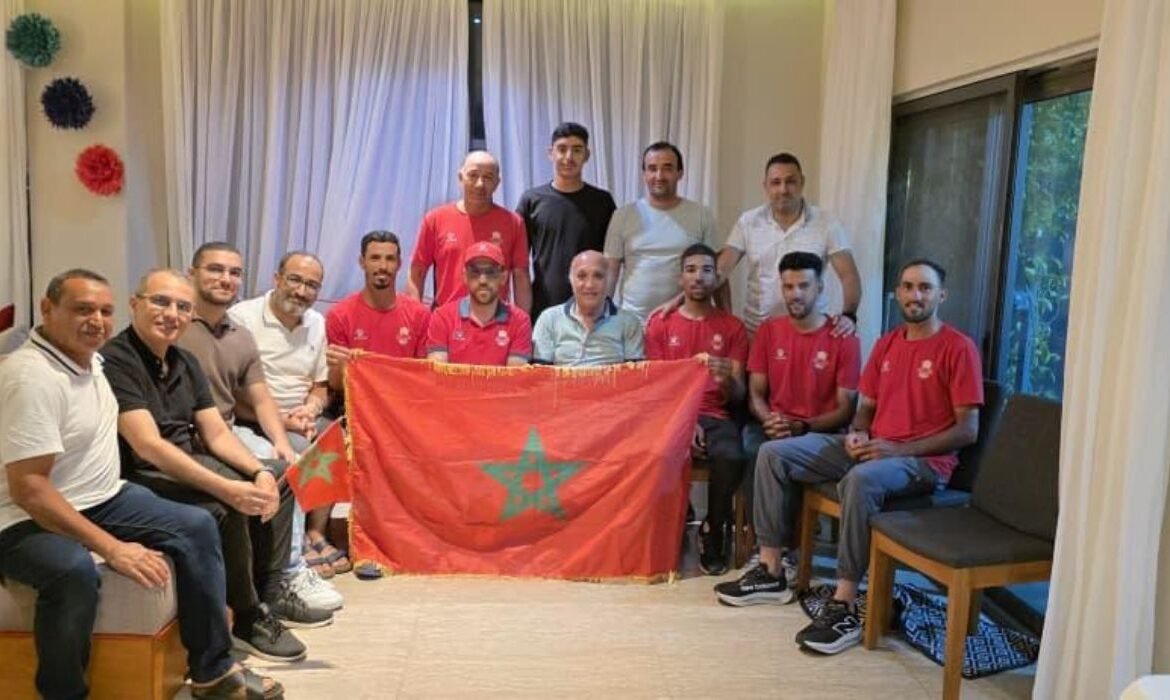
Morocco honored in Cotonou after team victory at the 2026 Tour of Benin
The Moroccan national cycling team has been officially honored in Cotonou following its team classification victory at the 21st edition of the Tour du Bénin 2026. An official reception was hosted on May 3, 2026, in the presence of Morocco’s Ambassador to Benin and Togo, Rachid Rguibi. The event highlighted Morocco’s strong performance in one of West Africa’s most important cycling competitions.
Morocco secured the team classification victory, confirming its growing dominance and consistency in African cycling competitions. The result reinforces the country’s reputation as an emerging powerhouse in continental cycling, supported by structured training programs and international participation.
Sport as a bridge between Morocco and Africa
Beyond the sporting achievement, the reception in Cotonou reflects Morocco’s broader strategy of sports diplomacy and international engagement. Through cycling and other disciplines, Morocco continues to strengthen its ties with African partners while promoting its image as a leading sports destination on the continent.
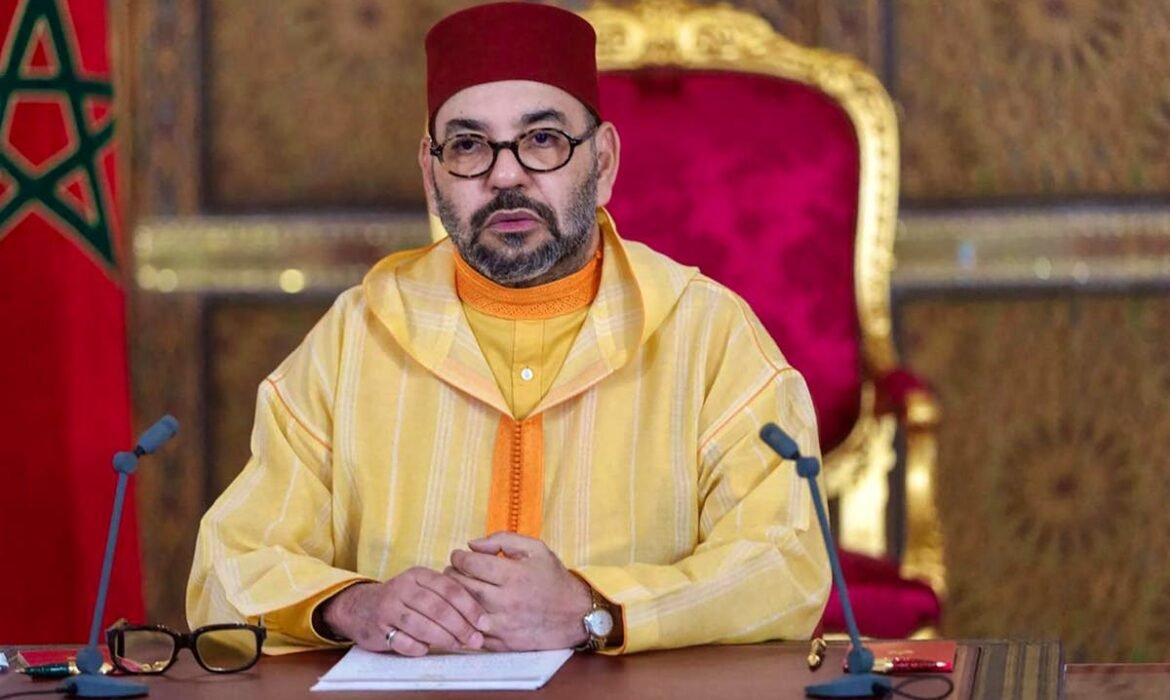
King Mohammed VI pardons senegalese fans after AFCON 2025 incidents
A Symbol of Morocco-Senegal Friendship
In its statement, the Royal Cabinet emphasized the “deep bonds of friendship, fraternity and cooperation” linking Rabat and Dakar. King Mohammed VI also extended Eid wishes to Senegalese President Bassirou Diomaye Faye, Senegalese authorities and the Senegalese people. The move is being viewed as another example of Morocco’s diplomatic approach toward African partners, combining humanitarian values with regional solidarity.
Morocco Strengthens Its Continental Leadership
Morocco’s hosting of AFCON 2025 further reinforced the kingdom’s growing influence in African football and international sports. With world-class stadiums, major infrastructure investments and upcoming global sporting ambitions, Morocco continues to position itself as a leading destination for major tournaments across the continent. The royal pardon also highlights how sport remains a powerful channel for strengthening ties between African nations.
Morocco’s Football Excellence: Mohammed VI academy shines at AFCON U17 2026
A flagship academy built on a royal vision
Established in 2009 under the leadership of King Mohammed VI, the Mohammed VI Football Academy has become a cornerstone of Morocco’s sports development strategy. Designed to meet international standards, the academy combines elite training facilities, education programs, and professional coaching to develop complete athletes both on and off the pitch.
A holistic development model
The academy follows a “student-athlete” philosophy, focusing on:
- Talent identification across Morocco
- Technical and tactical development
- Academic education alongside football training
This integrated model has made Morocco one of the most structured football development ecosystems in Africa.
A proven pathway to international success
Graduates of the academy have already contributed to Morocco’s rise on the global stage:
- 2022 FIFA World Cup semi-finalists
- Youth continental champions
- U20 World champions in 2025
The presence of four academy players at CAN U17 2026 confirms the sustainability of this talent pipeline.
Morocco as a rising football destination
With state-of-the-art infrastructure such as the Mohammed VI Football Complex, Morocco is positioning itself as a global hub for football training and international competitions.