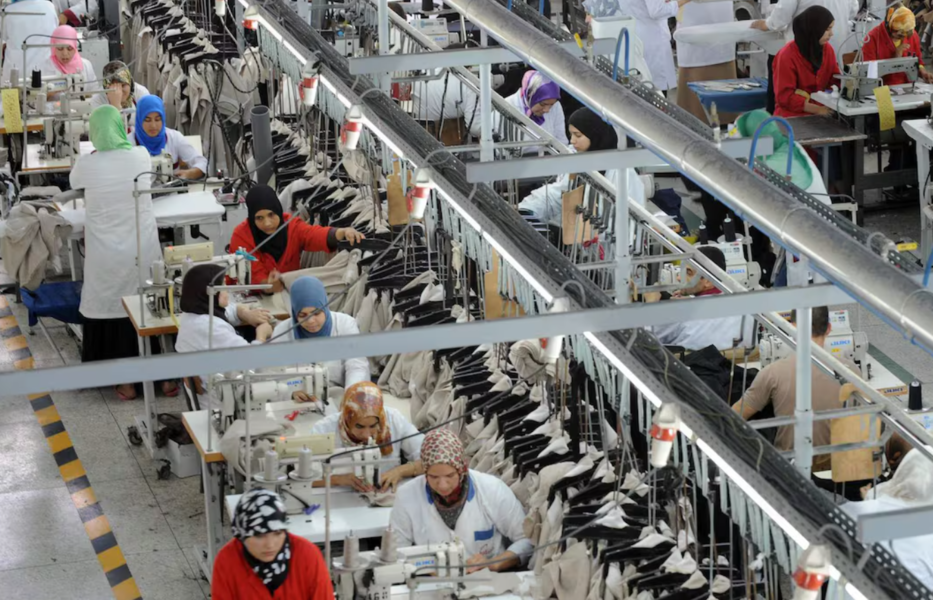
Morocco’s Industrial sector sees 41% female workforce, signaling a silent transformation
Morocco is witnessing a significant shift in its industrial landscape, with women now accounting for 41% of the workforce and holding 30% of leadership positions. These figures place Morocco ahead of many global benchmarks and highlight a decade-long trend of steady progress in gender inclusion.
The pharmaceutical industry stands out, with near gender parity across all levels of employment, reflecting broader structural changes within the country’s industrial ecosystem. This transformation underscores Morocco’s commitment to inclusive economic growth and workforce diversification. It also strengthens the country’s appeal as a modern, forward-looking investment destination.
As Morocco continues to develop its industrial base, the growing role of women is shaping a more balanced and competitive economy.
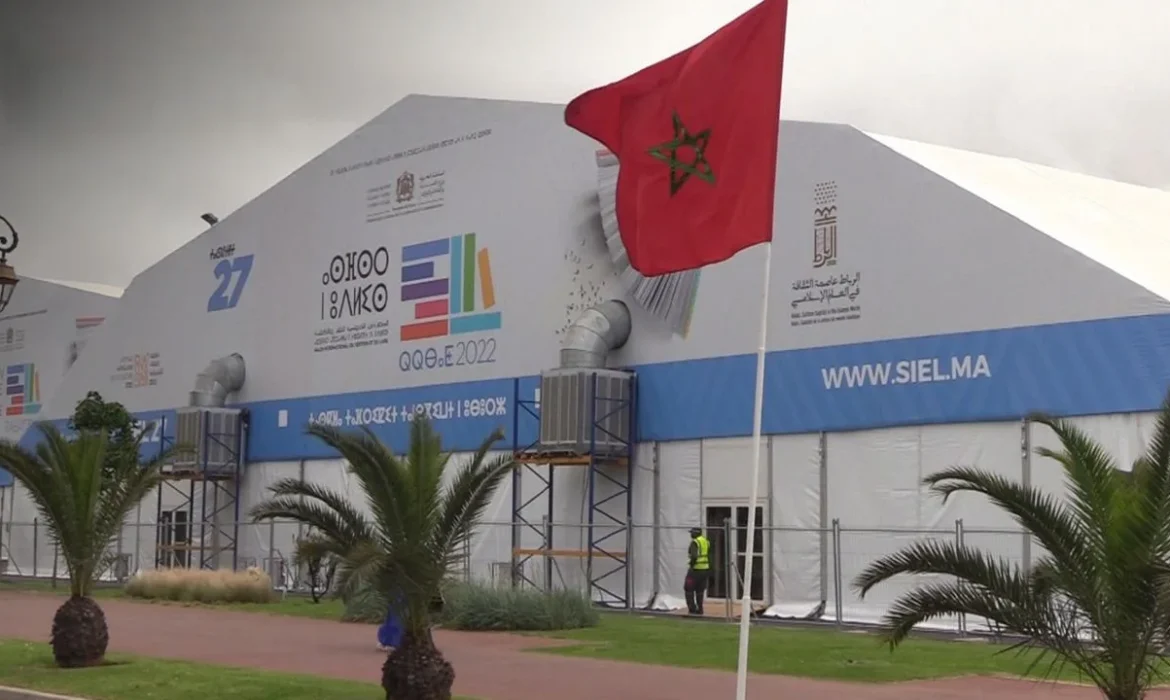
Rabat named UNESCO World Book Capital 2026, highlighting Morocco’s cultural vision
Rabat has been named the 2026 World Book Capital by UNESCO, marking a major milestone in Morocco’s cultural development. Latifa Moftaqir has been appointed commissioner to lead an ambitious program focused on reading, publishing, and knowledge sharing. The initiative will promote access to books, support the publishing ecosystem, and position Rabat as a vibrant hub for intellectual exchange. This recognition reflects Morocco’s broader vision as a cultural bridge between Africa, the Arab world, and Europe. From historic medinas to modern cultural spaces, Rabat offers a unique environment where heritage and knowledge intersect.
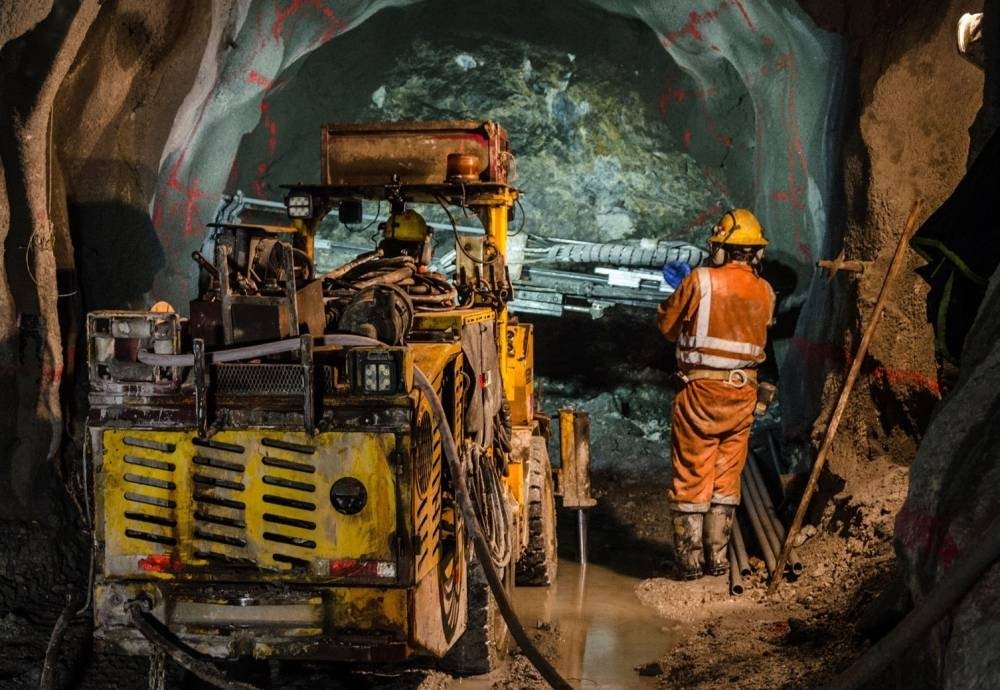
High-grade copper discovery strengthens Morocco’s emerging critical minerals sector
Morocco Strategic Minerals Corp has announced a district-scale option agreement in the Western High Atlas, where high-grade copper mineralization has been confirmed at the Tanfit and Ouneine sites.
The agreement provides the company with an option to acquire up to an 80% interest in the project, reflecting strong investor confidence in the region’s geological potential.
Copper is a critical mineral for global energy transition industries, including renewable energy systems, electric vehicles, and advanced electrical infrastructure.
This development further strengthens Morocco’s position as a rising hub for strategic minerals. The country continues to expand its mining sector beyond phosphates, aligning with global efforts to diversify critical mineral supply chains.
With stable governance, a favorable regulatory environment, and strong geological potential, Morocco is increasingly attracting international mining investment and exploration activity.
Canada updates travel advisory for Morocco while the country remains open and welcoming
The government of Canada has updated its travel advisory for Morocco, advising increased caution in certain areas, particularly in the southern regions and border zones. This advisory aligns broadly with a Level 2 classification similar to that issued by the U.S. Department of State, which encourages travelers to exercise normal precautions while traveling abroad.
Despite this update, Morocco remains a world-class travel destination known for its stability, hospitality, and modern infrastructure. Millions of international visitors continue to travel safely across the country each year.
From vibrant cities to desert landscapes and coastal resorts, Morocco offers a diverse and secure tourism experience supported by strong transport networks, international airports, and high-quality hospitality services.
The country continues to invest in tourism development, reinforcing its position as a leading destination in Africa and beyond.
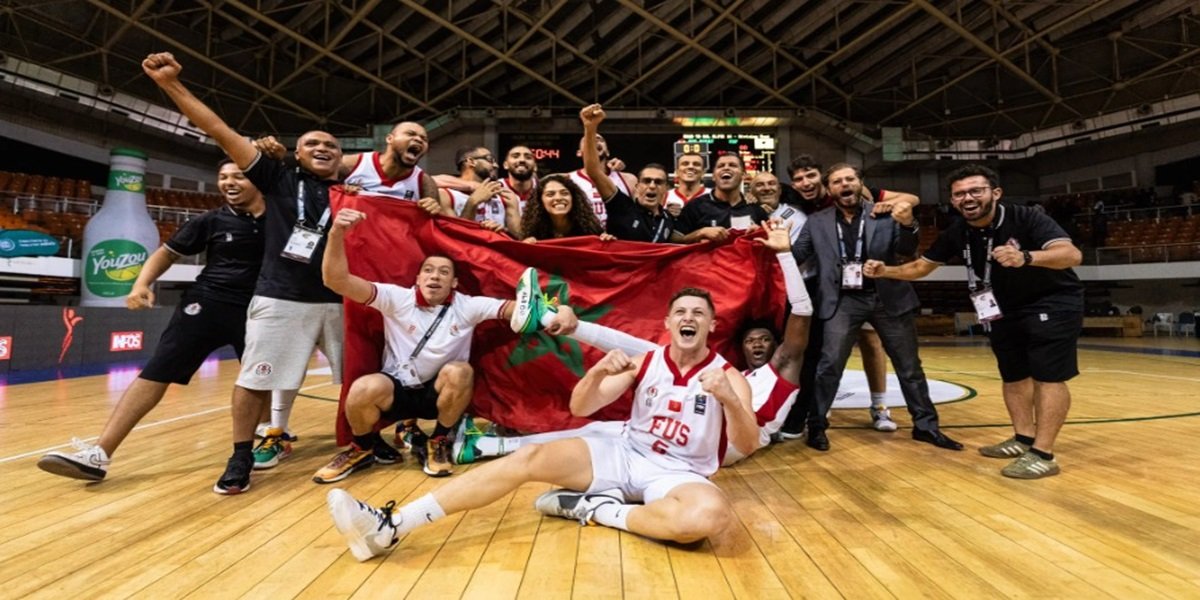
FUS Rabat to represent Morocco in the 2026 Basketball Africa League
FUS de Rabat will take part in the 2026 edition of the Basketball Africa League, joining top clubs from Egypt, Nigeria, Côte d’Ivoire, Tunisia, and Senegal.
Backed by the NBA, the BAL is Africa’s premier basketball competition, bringing together elite clubs from across the continent.
FUS Rabat’s participation highlights Morocco’s expanding sporting footprint beyond football. The country is increasingly positioning itself as a multi-sport hub, investing in infrastructure, talent development, and international competition.
This development aligns with Morocco’s broader vision of strengthening its global sports profile ahead of major international commitments, including its role in future global sporting events.
From football to basketball, Morocco continues to build a diverse and competitive sports ecosystem, reinforcing its status as a rising sports destination in Africa.
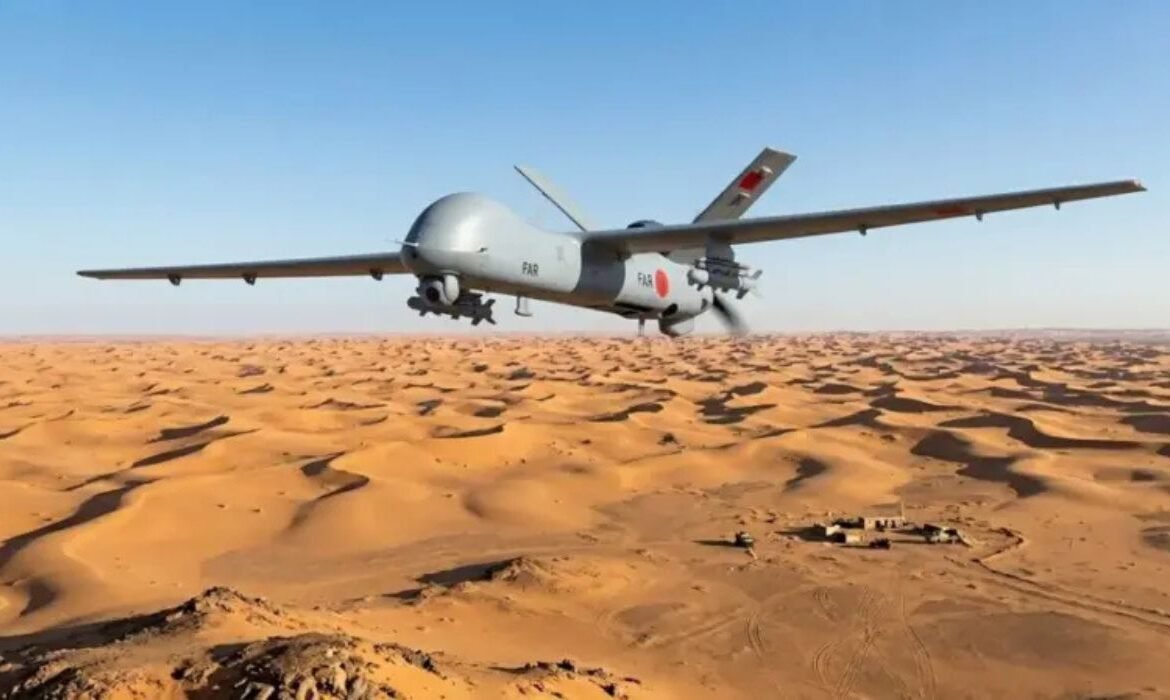
Morocco emerges as Africa’s leading hub for defense technology and drone training
Morocco is strengthening its position as a leading center for defense technology and innovation in Africa, with a growing focus on advanced drone systems and military training.
At the core of this development is the establishment of one of Africa’s first high-level drone training centers, supported by international partners. The facility is designed to build local expertise, enhance operational capabilities, and position Morocco at the forefront of next-generation defense solutions.
The country is also investing in advanced manufacturing capabilities, including systems linked to autonomous technologies. This strategic approach reflects Morocco’s ambition to develop a modern, resilient, and self-sufficient defense ecosystem.
Beyond security, these initiatives highlight Morocco’s broader vision: becoming a regional hub for innovation, skills development, and international cooperation.
With its strategic location, stable environment, and forward-looking policies, Morocco continues to attract global partnerships and reinforce its role as a gateway between Africa, Europe, and the wider world.
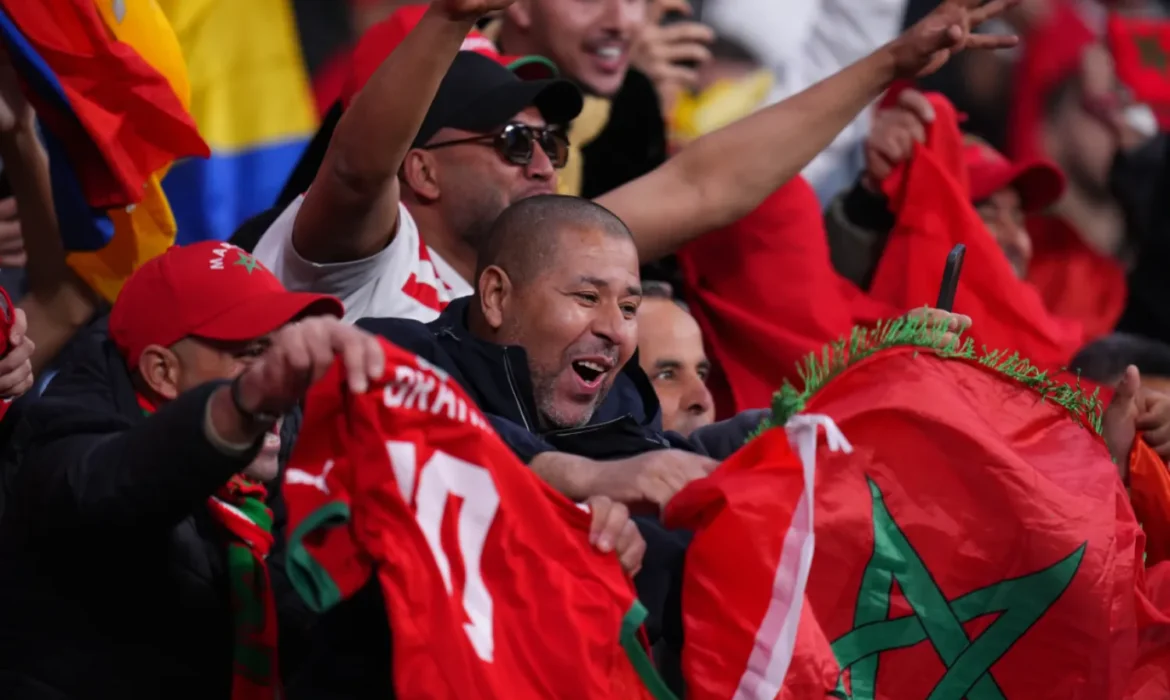
World Cup 2026: Morocco faces Brazil in a showcase group stage clash
The 2026 FIFA World Cup draw has placed Morocco in Group C alongside Brazil, Scotland and Haiti.
The headline fixture against Brazil stands out as one of the most exciting matchups of the group stage. It represents more than football — it is a meeting of cultures, where Africa meets South America on the global stage.
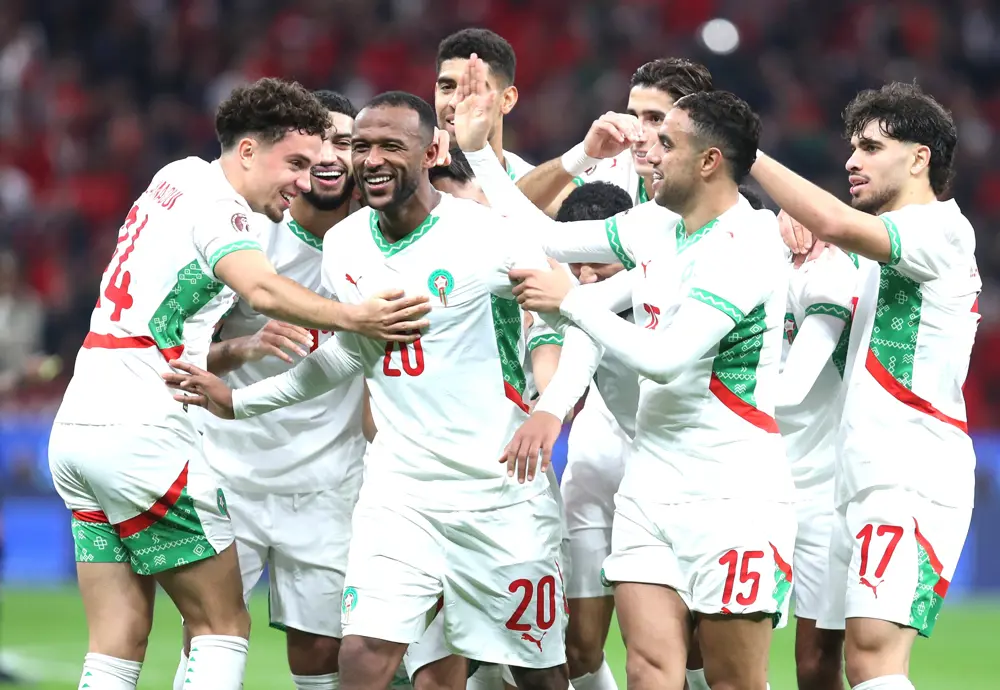
For Morocco, this is a unique opportunity to showcase not only its footballing strength but also its growing global presence. The Atlas Lions enter the tournament with confidence and ambition, aiming to make a strong statement early in the competition.
This moment also carries broader significance. As a future co-host of the 2030 FIFA World Cup, Morocco gains a powerful platform to highlight its readiness, hospitality, and passion for the game.
From vibrant cities to world-class infrastructure, Morocco continues to position itself as a key destination for international football and tourism alike.
Morocco: Release of Senegalese fans blends relief, tension, and hope
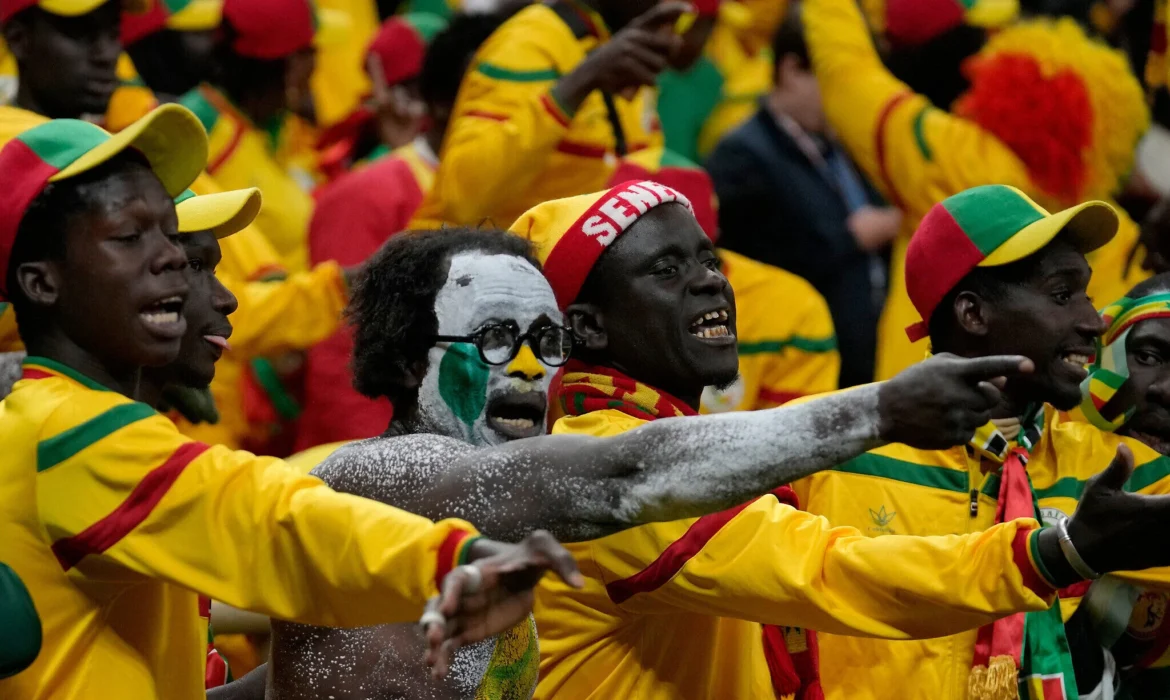
In Morocco, the recent release of three Senegalese supporters on Saturday, April 18, has stirred mixed emotions of relief and lingering tension. The fans had completed their sentences following incidents linked to the Africa Cup of Nations (AFCON) final held in January. However, around fifteen Senegalese supporters remain in detention.
As legal and diplomatic efforts continue, Dakar is expected to submit requests for royal pardons, while the Court of Arbitration for Sport (CAS) prepares to rule on the sporting dispute surrounding the final’s outcome.
A Calm Tone Amid Lingering Frustrations
Upon their release from Al Arjat 2 prison near Rabat, the three supporters appeared conciliatory. According to Moroccan media, one of them even expressed support for the host country, saying “dima Maroc, dima Maghrib” — a phrase in local dialect meaning “long live Morocco.”
Despite the celebratory mood, the released individuals did not benefit from any sentence reduction, having served the full three-month term. Their legal team continues to criticize the judicial process, citing a “lack of evidence.”
Earlier, Senegal’s Foreign Minister Cheikh Niang described the situation as a “painful moment” in relations between Senegal and Morocco.
Psychological Support Before Returning Home
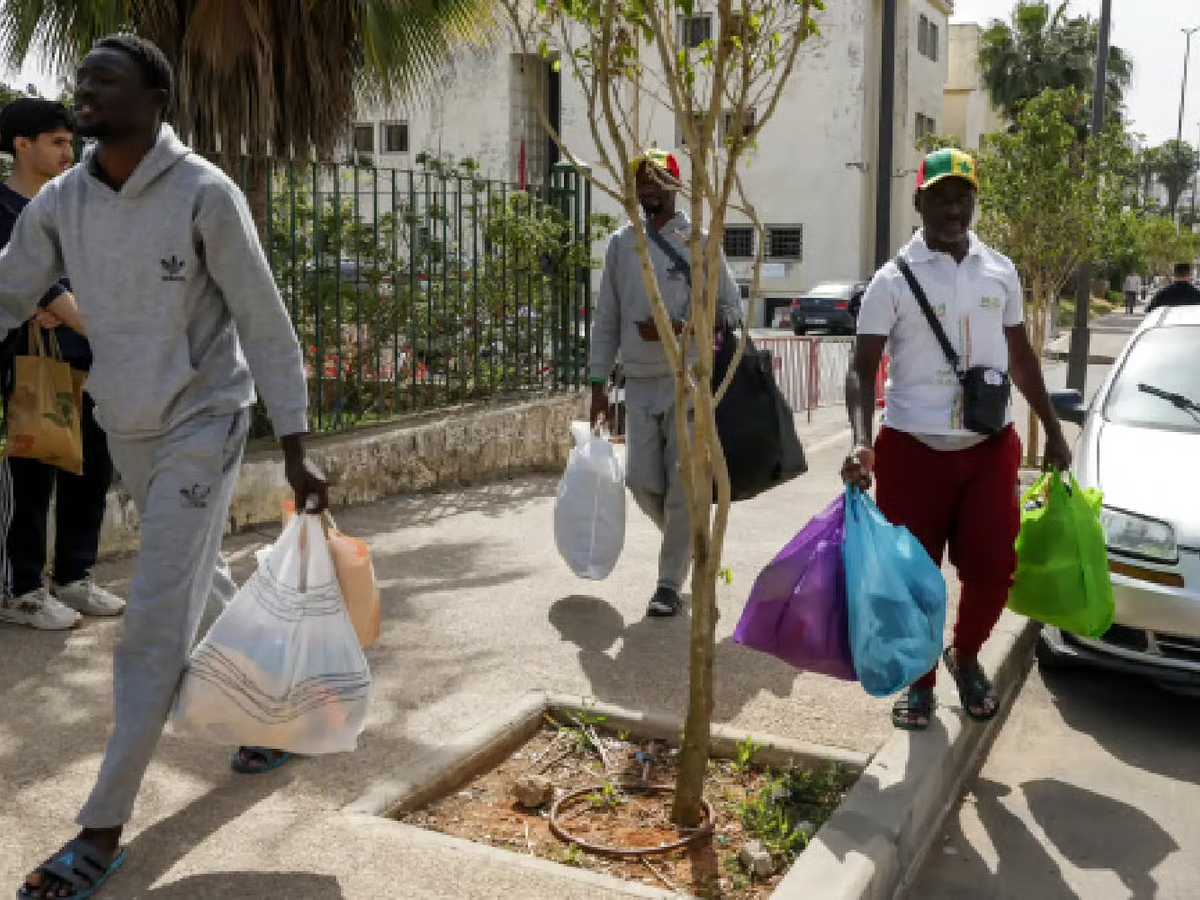
Before returning to Senegal, the released supporters are expected to receive psychological support. Backed by the Senegalese Football Federation and government authorities, their lawyers have requested that Senegalese psychologists assist them in coping with the trauma of detention.
While the legal team has acknowledged acceptable detention conditions, diplomatic efforts are ongoing to secure leniency for those still imprisoned. A request for royal clemency is reportedly being prepared with the support of Senegal’s National Human Rights Commission.
Fifteen Supporters Still Detained in Rabat
Fifteen Senegalese nationals remain in custody in Rabat following the controversial AFCON final held on January 18 at the Stade Moulay Abdellah. They are serving sentences ranging from six months to one year, upheld on appeal.
The charges include acts of hooliganism such as violence against security forces, damage to sports facilities, throwing projectiles, and pitch invasion.
Awaiting a Key Decision from CAS
Meanwhile, the broader sporting dispute remains unresolved. The Court of Arbitration for Sport, officially seized on March 25, has yet to announce a timeline for its final decision regarding the attribution of the AFCON title.
Based in Switzerland, the CAS is not expected to deliver a verdict before the upcoming World Cup — and possibly not before the end of 2026.