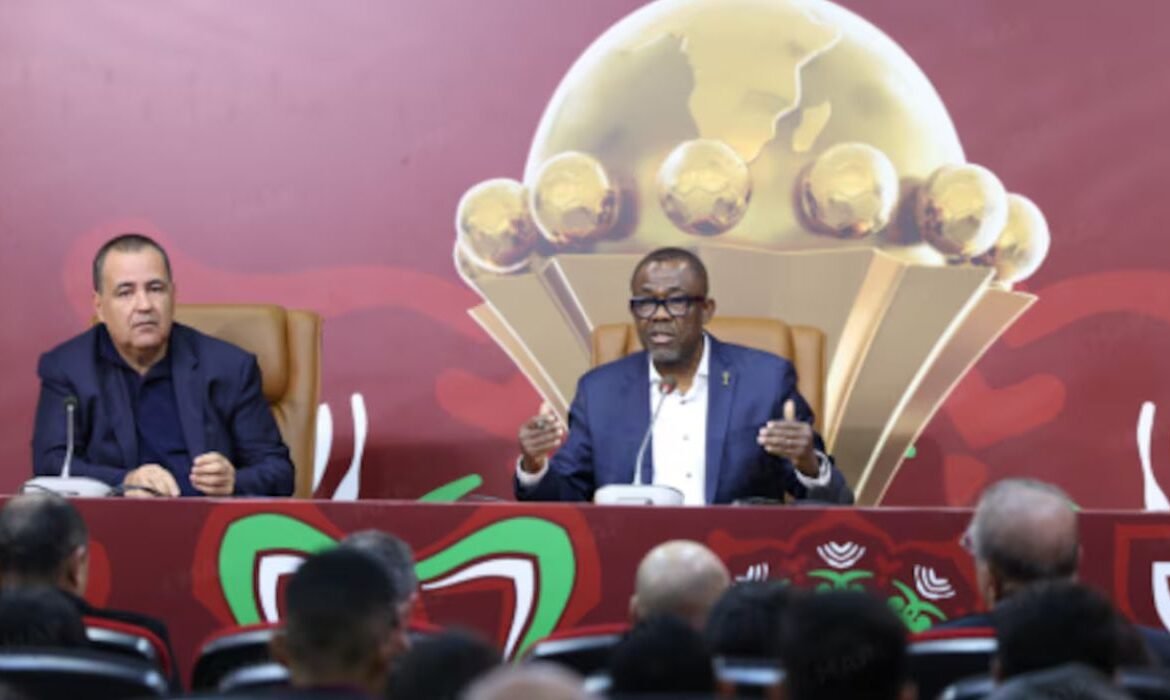
Veron Mosengo-Omba praises Morocco and king Mohammed VI
“I would like to thank His Majesty King Mohammed VI of Morocco, who, through the federation led by Fouzi Lekjaa, placed my administration in very good working conditions,” he said.
His statement reinforces Morocco’s growing reputation as a key hub for African football governance and infrastructure, with the Royal Moroccan Football Federation playing a central role in supporting continental initiatives.
AFCON 2025: Achraf Hakimi takes Morocco’s title claim to CAS
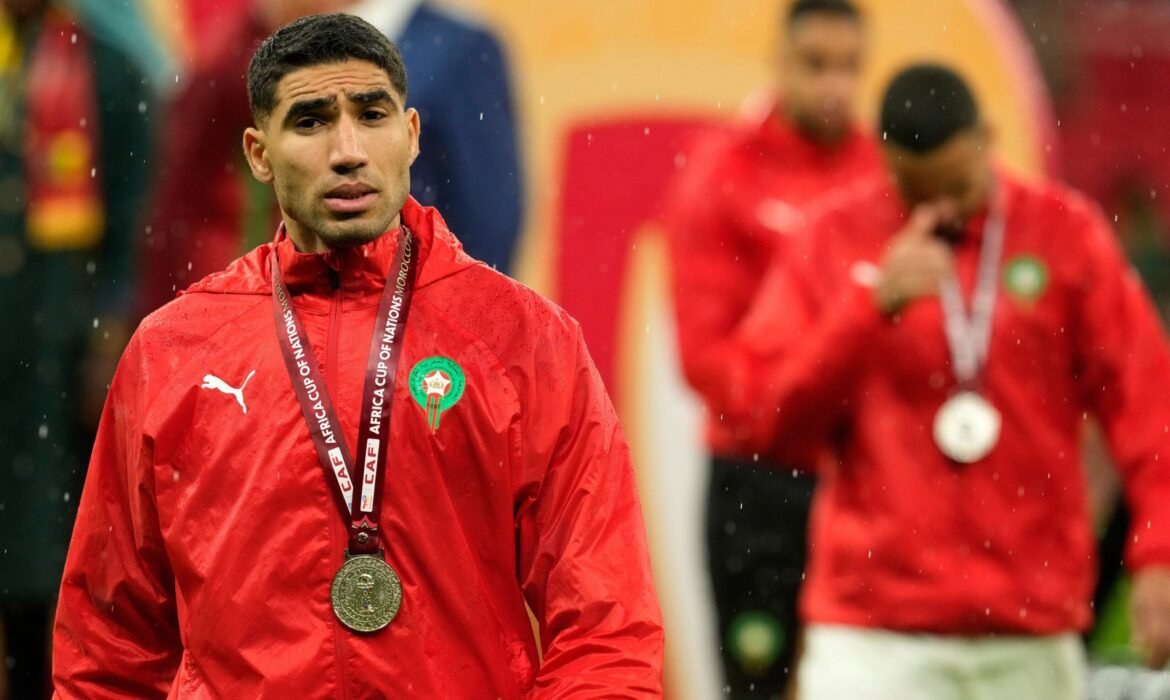
Morocco captain Achraf Hakimi has spoken out following the controversy surrounding AFCON 2025, confirming that the Atlas Lions are seeking justice at the Court of Arbitration for Sport (CAS).
In an interview with Movistar+, relayed by Foot Mercato, the Paris Saint-Germain defender acknowledged the tense atmosphere during the match while expressing regret over certain incidents. “It’s been a difficult period, marked by tensions on the pitch. I’m not proud of the image we showed with those towels,” Hakimi admitted.
Despite the circumstances, the Moroccan captain emphasized the team’s strong sporting performance and respect for the competition: “We respect our opponents and the competition. We are currently assessing the situation and hope that a decision will be made in the best interest of football and Africa.”
Morocco seeking justice
Hakimi made it clear that Morocco believes it deserves a favorable outcome: “I hope we can win, because we deserve it and because you cannot leave a pitch like that.”
The Royal Moroccan Football Federation has now taken the matter to CAS, hoping for a ruling that could potentially reshape the outcome of the tournament.
Morocco hosts CAF president Patrice Motsepe for talks
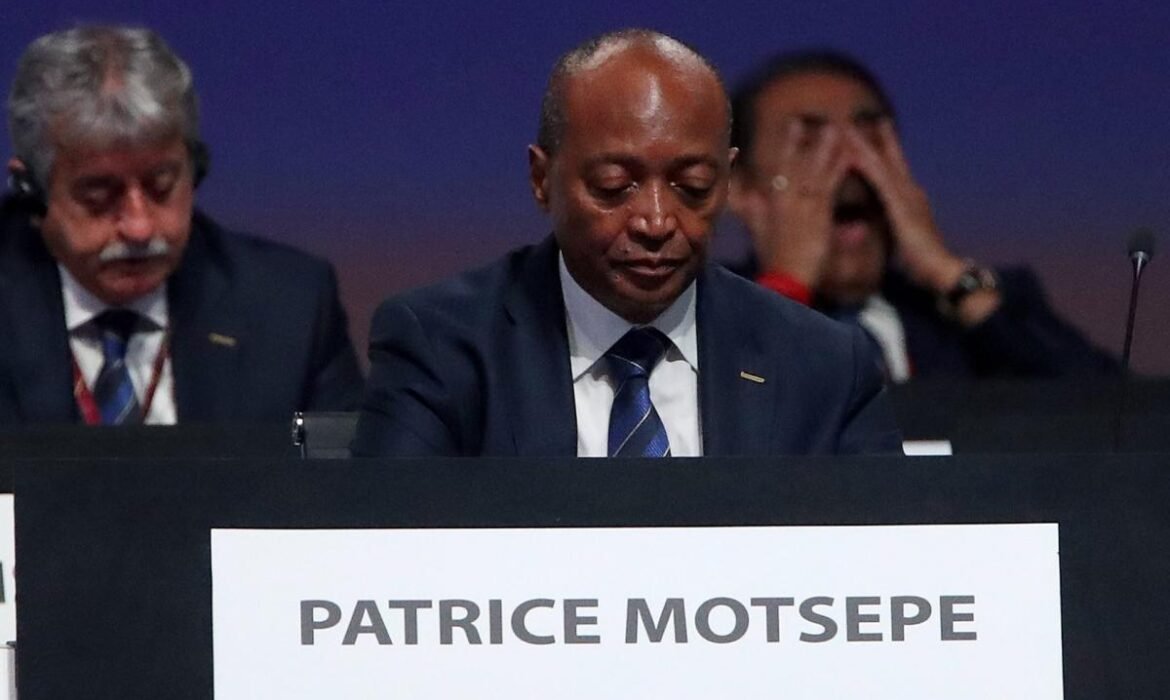
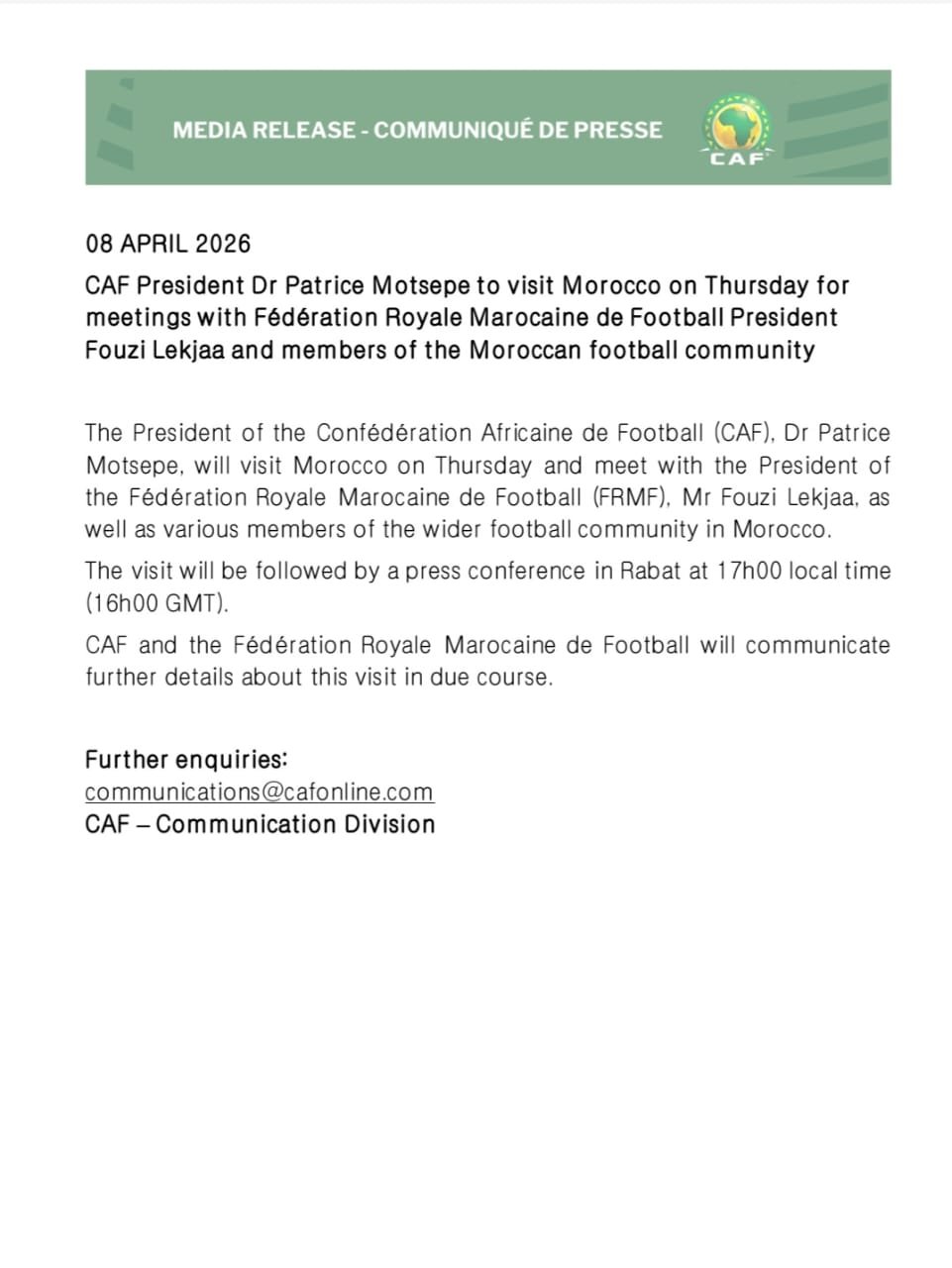
Patrice Motsepe, president of the Confédération Africaine de Football, will undertake an official visit to Morocco on Thursday, April 8, 2026. The visit is part of strategic meetings with key figures in Moroccan football.
During his stay, Motsepe will meet with Fouzi Lekjaa, president of the Fédération Royale Marocaine de Football, as well as several influential representatives of the national football scene. These discussions aim to strengthen cooperation between continental and Moroccan football bodies, at a time when Morocco is playing an increasingly important role on both African and international football stages.
Press conference to provide further details
The visit will include a press conference scheduled in Rabat at 5:00 PM local time, where additional insights may be shared regarding the objectives and outcomes of the meetings.
Outlook for African football development
Both the CAF and the FRMF have indicated that more information will be released later, suggesting potential announcements related to the development of football across Africa. This visit once again demonstrates the leadership’s commitment to strengthening partnerships and promoting the growth of football on the continent.
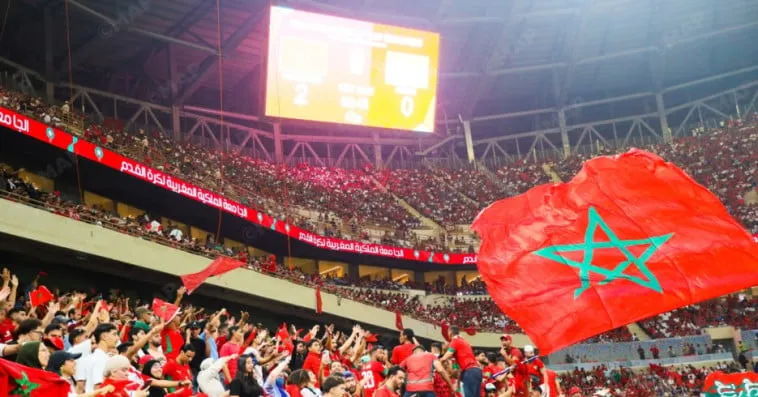
WAFCON 2026: Morocco defends readiness as CAF faces backlash over sudden postponement
The 2026 Women’s Africa Cup of Nations (WAFCON) has been thrown into uncertainty following a last-minute postponement. Initially scheduled to take place in Morocco from March 17 to April 3, the tournament will now be held from July 25 to August 16, 2026, after a decision by the Confederation of African Football (CAF).
The abrupt change has triggered widespread criticism across the continent, raising concerns about planning, transparency, and governance in African women’s football.
Until early March, CAF’s lack of communication left national teams in a state of confusion.
While some squads continued preparations based on the initial schedule, others paused their plans, unsure whether the competition would proceed as expected. This uncertainty disrupted logistics and training, reinforcing perceptions of organizational inconsistency.
The situation quickly escalated into a broader controversy. South Africa publicly expressed interest in hosting the tournament, while also voicing criticism toward Morocco’s role in the unfolding developments.
Some observers suggested that Morocco might be leveraging the situation following its defeat in the men’s AFCON final held on home soil, further intensifying tensions within the African football community.
Morocco Reaffirms Readiness and Shifts Responsibility to CAF
Moroccan authorities have firmly rejected any responsibility for the postponement. Minister of Industry and Trade, Ryad Mezzour, stated that the country remains fully prepared to host the tournament at any time: “This decision was made by CAF. Morocco is ready to host the tournament now or in three months.” The statement aims to reassure stakeholders and reinforce Morocco’s reputation as a capable host of major international sporting events.
CAF Provides Limited Explanation
CAF has yet to provide detailed reasons for the postponement. In its official communication, the governing body cited “unforeseen circumstances” without further clarification. This lack of transparency has fueled speculation and criticism regarding decision-making processes and communication standards.
A High-Stakes Tournament for Morocco’s Image
Despite the controversy, Morocco remains the official host of WAFCON 2026. However, the tournament is now set to begin in a tense atmosphere. Between delayed communication, public criticism, and underlying tensions, the competition represents both a challenge and an opportunity for Morocco to demonstrate its organizational strength and commitment to the development of women’s football in Africa.
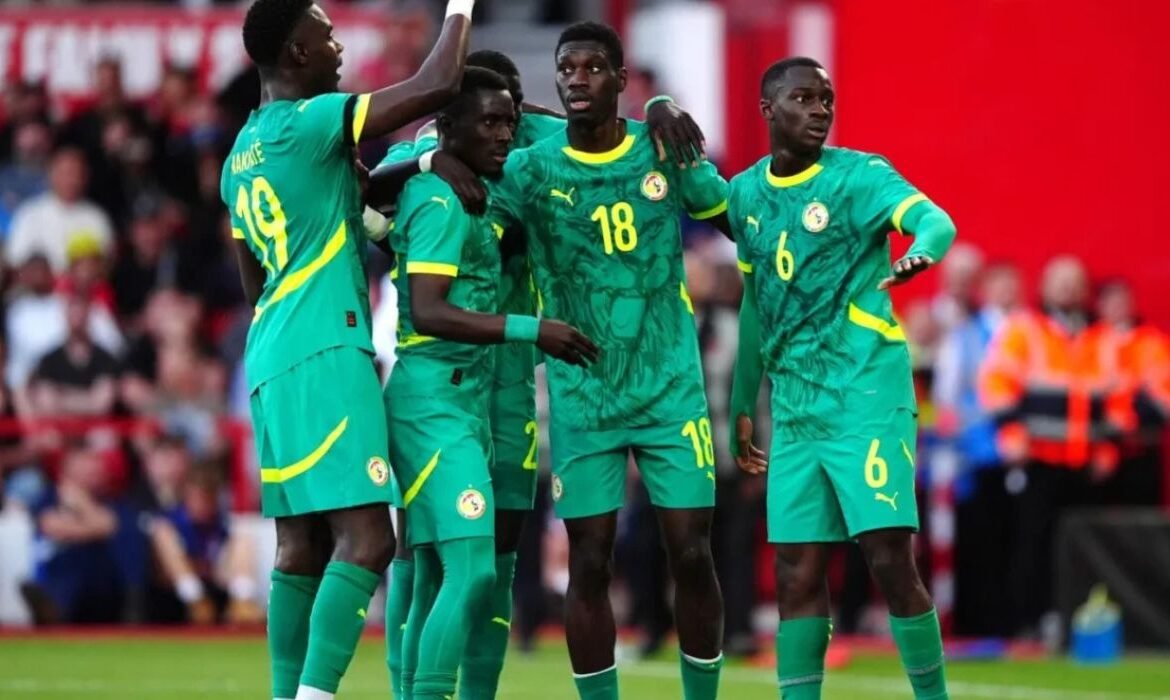
AFCON 2025: Did Senegal plan it all? New revelations from the Morocco final
More than two months after the AFCON 2025 final, the controversy between Senegal and Morocco continues to dominate headlines. Spanish outlet AS has released new information that sheds fresh light on the events surrounding the highly disputed clash.
According to a source close to the Confederation of African Football, Senegal’s conduct before and during the final is now under scrutiny. These revelations could challenge the narrative previously put forward by the Teranga Lions.
Reports suggest that Senegal may have deliberately ignored logistical recommendations from organizers. The choice of travel route to the stadium, despite warnings about crowd control in Rabat, has raised questions. Some interpret this as a strategic move to shape public opinion.
Accommodation issues also played a key role in the tensions. Senegal’s football federation had criticized their stay at the Mohammed VI Complex, citing concerns over possible surveillance. However, the source dismissed these claims, highlighting the scale and facilities of the complex.
Notably, Cameroon had previously stayed at the same venue without raising any concerns, even praising the conditions.
On the pitch, the match descended into chaos in the closing minutes following a highly controversial penalty decision. Reports indicate that several Senegalese players briefly left the field, further escalating the situation.
Despite Senegal’s victory, the matter remains unresolved. With Morocco continuing to challenge aspects of the final and CAF still reviewing the events, the case has evolved into both a legal and media battle.
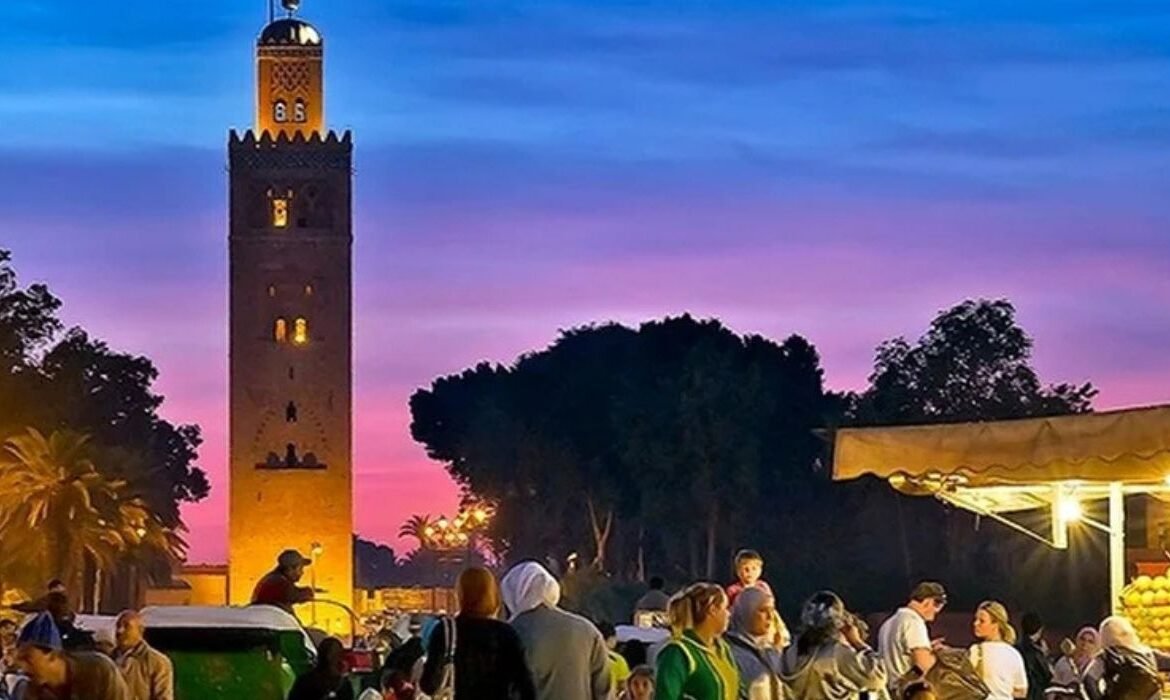
Morocco’s tourism boom continues as the Kingdom targets new records
Tourism in Morocco is entering a new phase of sustained growth, confirming its status as Africa’s leading travel destination and a key driver of the national economy. After a record-breaking 2025, early indicators for 2026 suggest that the sector is not only maintaining momentum but accelerating further.
According to recent data, Morocco welcomed nearly 19.8 million tourists in 2025, marking a historic high and a 14% increase compared to the previous year. Tourism revenues also reached record levels, exceeding 124 to 138 billion dirhams, highlighting the sector’s growing contribution to economic growth and foreign exchange earnings.
This strong performance has already allowed the country to surpass several targets set in its national tourism roadmap ahead of schedule. The sector now supports nearly 894,000 direct jobs, reinforcing its central role in employment and development.
Strong Start to 2026
The upward trend has continued into 2026. In the first quarter alone, Morocco recorded 4.3 million tourist arrivals, representing a 7% increase year-on-year, with a particularly strong surge of 18% in March.
This growth comes despite global uncertainties affecting travel costs and air traffic, underlining the resilience and attractiveness of the Moroccan destination. Authorities attribute this performance to improved air connectivity, diversified tourist markets, and an expanded tourism offering across the country.
Strategic Ambitions and Investments
Looking ahead, Morocco has set ambitious targets. The country aims to attract 26 million visitors by 2030, a goal closely tied to its role as a co-host of the FIFA World Cup alongside Spain and Portugal.
To support this ambition, major investments are underway, particularly in airport infrastructure and air transport capacity. Expansion projects in key cities such as Marrakech, Agadir, Tangier, and Fez are designed to handle a significant increase in passenger traffic in the coming years.
At the same time, Morocco continues to diversify its tourism offer, promoting new destinations and experiences beyond traditional hotspots. While cities like Marrakech remain highly attractive, authorities are increasingly focusing on sustainable tourism and regional development to spread economic benefits more evenly.
A Leading Destination in Africa
With nearly 20 million visitors and continuous growth, Morocco has consolidated its position as the most visited country in Africa. The sector now accounts for a significant share of GDP and remains a major source of employment and investment.
As global tourism rebounds and competition intensifies, Morocco’s strategy—combining infrastructure development, diversification, and international partnerships—appears to be paying off.
If current trends continue, the kingdom is well on track to not only meet but potentially exceed its long-term tourism ambitions, further strengthening its reputation as a top destination for travelers worldwide.
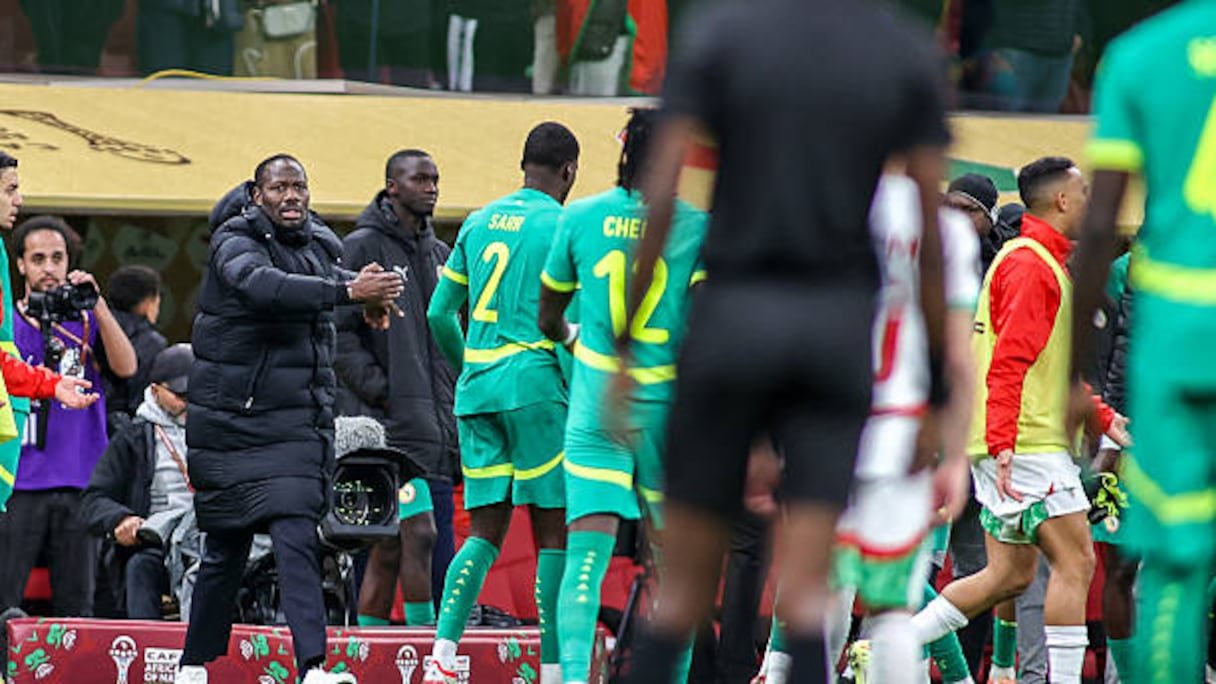
Morocco–Senegal Final: Reports highlight chaos and strengthen Morocco’s legal case
New details have emerged regarding the controversial Africa Cup of Nations final between Morocco and Senegal, reinforcing Morocco’s position in the ongoing dispute.
According to revelations from Le Monde, multiple official reports describe a chaotic situation during the match, including a 12-minute interruption that may have influenced key moments of the game.
The final’s general coordinator, Khaled Lemkecher, reportedly noted that several Senegalese players left the pitch and headed to the dressing room, leaving Sadio Mané alone on the field during the disruption.
In addition, a security report highlighted crowd violence and raised concerns over possible pressure on referees to avoid issuing red cards to Senegalese players.
These reports, prepared by officials from multiple African nations, are now central to Morocco’s legal approach. The Royal Moroccan Football Federation is seeking a clear application of the rules, arguing that the integrity of the competition must be upheld.
As the case progresses, these revelations could play a decisive role in the final outcome of the dispute.
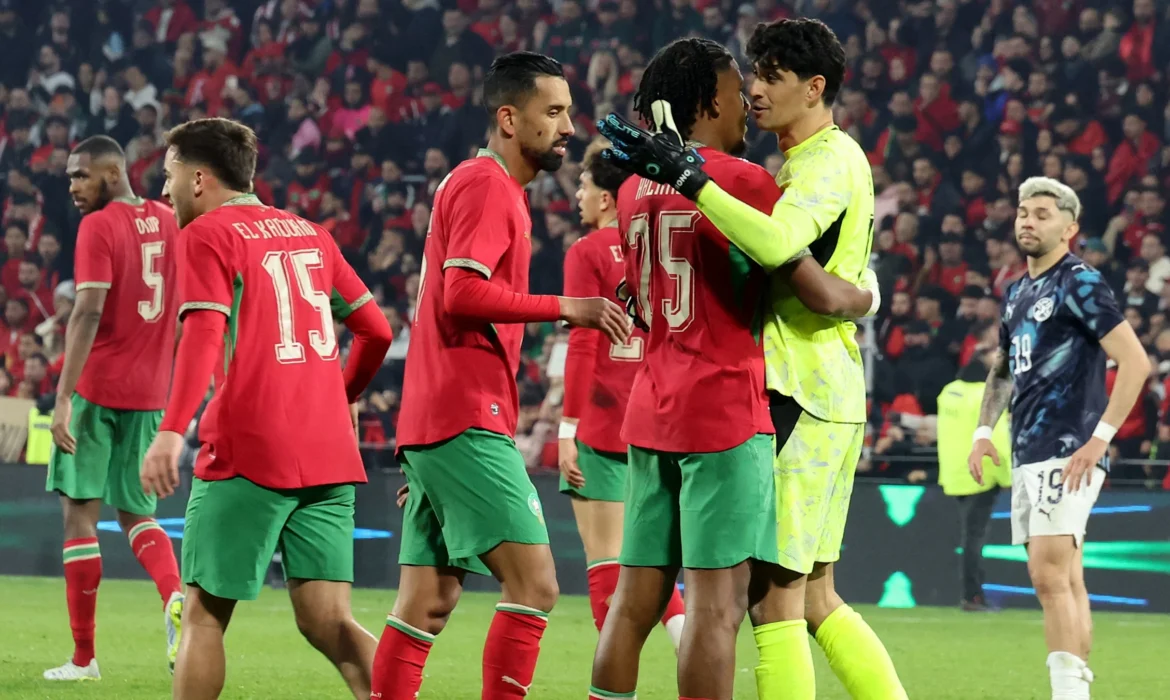
Morocco is openly aiming for the top spot in the FIFA rankings
Speaking in the presence of Philippe Diallo, head of the French Football Federation, Lekjaa congratulated the French side before issuing a confident warning that Morocco will not take long to challenge for the same position. His remarks reflect growing belief within Moroccan football circles that reaching the summit is no longer out of reach.
Atlas Lions confirm historic rise in FIFA rankings
Morocco’s current position as the eighth-ranked nation in the world marks a historic milestone. No African team has ever reached such a level in the FIFA rankings, underlining the scale of progress achieved by the national team in recent years.
This rise has been fueled by a series of strong results, including a CAF decision awarding Morocco victory in the AFCON 2025 final, alongside a draw against Ecuador and a win over Paraguay. These performances have allowed the Atlas Lions to close the gap on traditional football powers and strengthen their credibility on the international stage.
Global football giants now within reach
With only a narrow points gap separating Morocco from the teams above them, the prospect of breaking into the top five is increasingly realistic. Nations such as the Netherlands, Brazil and Portugal are now within touching distance, while England and the current top trio of Argentina, Spain and France represent the final steps toward global leadership.
Within the Royal Moroccan Football Federation, the objective is clear. The focus is no longer just on maintaining a strong ranking but on continuing the upward trajectory until Morocco reaches the very top of world football.
A defining moment for African football
Morocco’s ambition carries significance beyond national pride. If the Atlas Lions succeed in reaching the number one spot, they would become the first African nation in history to achieve this feat, setting a new benchmark for the continent.
This vision aligns with broader long-term strategies aimed at strengthening Morocco’s position in global football, including initiatives linked to the Morocco 2030 Foundation. The message is clear Morocco is no longer chasing recognition but is now positioning itself among the world’s elite
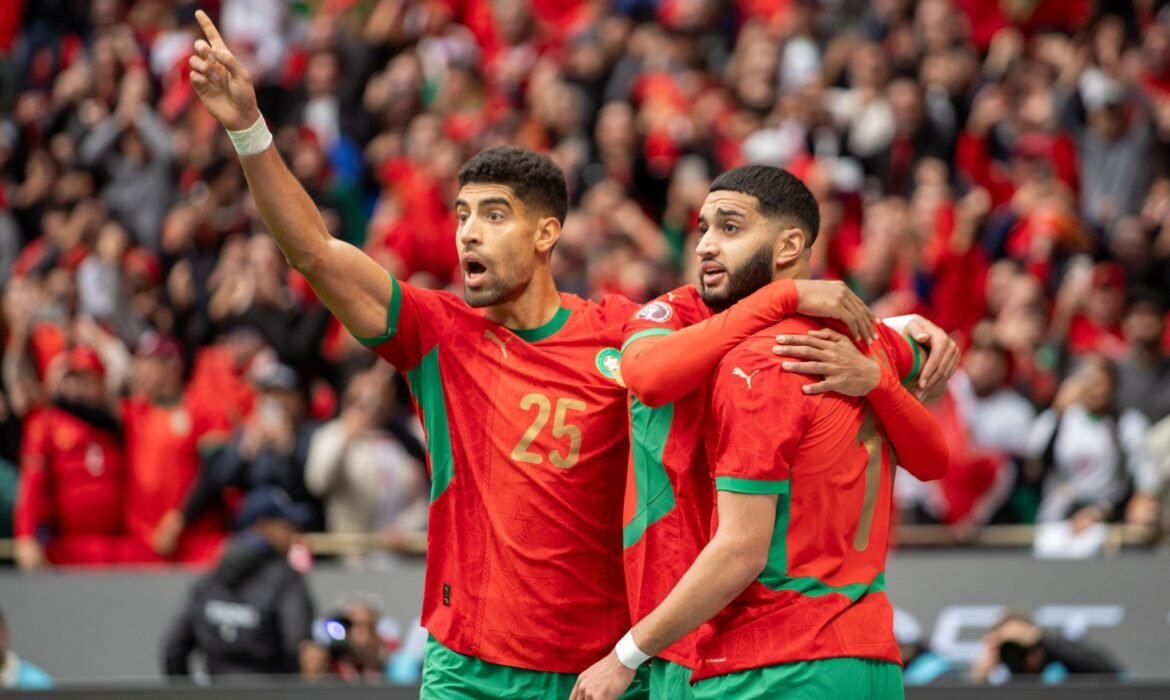
Morocco’s Saibari and teammates apologize after “Like” controversy
Caught in the crossfire after “liking” photos of Senegalese players celebrating their on-field victory in the 2025 AFCON final—a title later awarded to Morocco by the Confederation of African Football (CAF)—Ismael Saibari has broken his silence on social media.
“I liked it without thinking,” Saibari apologizes to fans
After Morocco’s national team defeated Paraguay 2-1 on Tuesday night in Lens, the first match under coach Mohamed Ouahbi, the PSV attacker issued an apology via Instagram Story.
“To clarify everything that happened over the past few days, I accidentally ‘liked’ a photo on Instagram without paying attention. I understand the anger of some people, but this doesn’t take away from the love and dedication I have for Morocco. I have always proudly represented this country.”
Rumors suggest that the player, who was not called up for Morocco’s latest match, was sanctioned despite his internal apologies. Saibari admitted that insults were directed at his family, which he condemned, urging unity ahead of the 2026 World Cup (June 11–July 19).
“However, in moments of anger, families should not be insulted—they have nothing to do with this. Let’s focus on what really matters: the upcoming World Cup, and stay united to achieve our dream.”
“A mistake,” “a thoughtless like,” “not intentional”—Riad, Kechta, and Targhalline follow suit
Chadi Riad, another figure in the “likegate,” also issued a mea culpa. Like Saibari, he reaffirmed his deep attachment to Morocco and the national team.
“A mistake; I apologize and I understand the frustration of the Moroccan people. I’ve defended this flag since I was 14, so never doubt my love for this homeland. Dima Maghreb.”
Yassine Kechta, who was not selected for this squad, echoed the sentiment: “Sorry… I understand the disappointment this may have caused. A like without any second thought. Never any disrespect. Morocco forever.”
Midfielder Oussama Targhalline also stated in the mixed zone that it was unintentional.
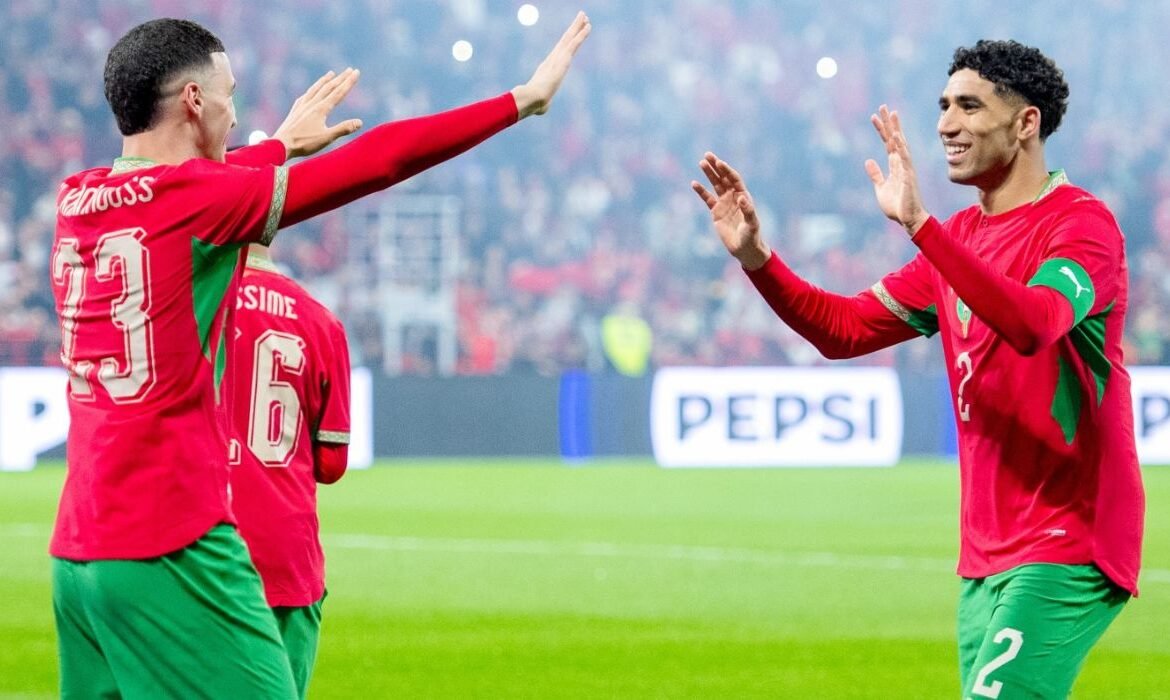
FIFA Rankings april 2026 : Morocco shine in Top 10 as Atlas Lions strengthen global status
Despite a mixed set of results, the Atlas Lions once again demonstrated their resilience. A 1-1 draw against Ecuador was followed by a valuable 2-1 victory over Paraguay, allowing Morocco to keep their momentum at the highest level.
Crucially, the officially awarded win in the AFCON 2025 final has been factored into the rankings, reinforcing Morocco’s position among the top football nations globally.
See the full rankings here
Closing in on Europe’s elite
Morocco now sit just two points behind the Netherlands, highlighting their growing competitiveness against Europe’s top sides. This proximity underlines the remarkable progress made by the national team in recent years.
Their ability to consistently secure results, even in tightly contested matches, reflects a mature and well-structured squad capable of competing on all fronts.
Clear leaders in African football
On the continental stage, Morocco remain firmly established as Africa’s number one team, ahead of Senegal and Nigeria.
While Senegal dropped in the rankings despite recent wins, Morocco’s stability and consistency have allowed them to consolidate their leadership in African football.
Building momentum ahead of major challenges
With the 2026 FIFA World Cup approaching, Morocco’s position in the Top 10 sends a strong message. The Atlas Lions are not only maintaining their status but are also positioning themselves as serious contenders on the global stage.
Their steady climb and sustained performances reflect a team that has reached a new level of maturity, ready to take on the world’s best.