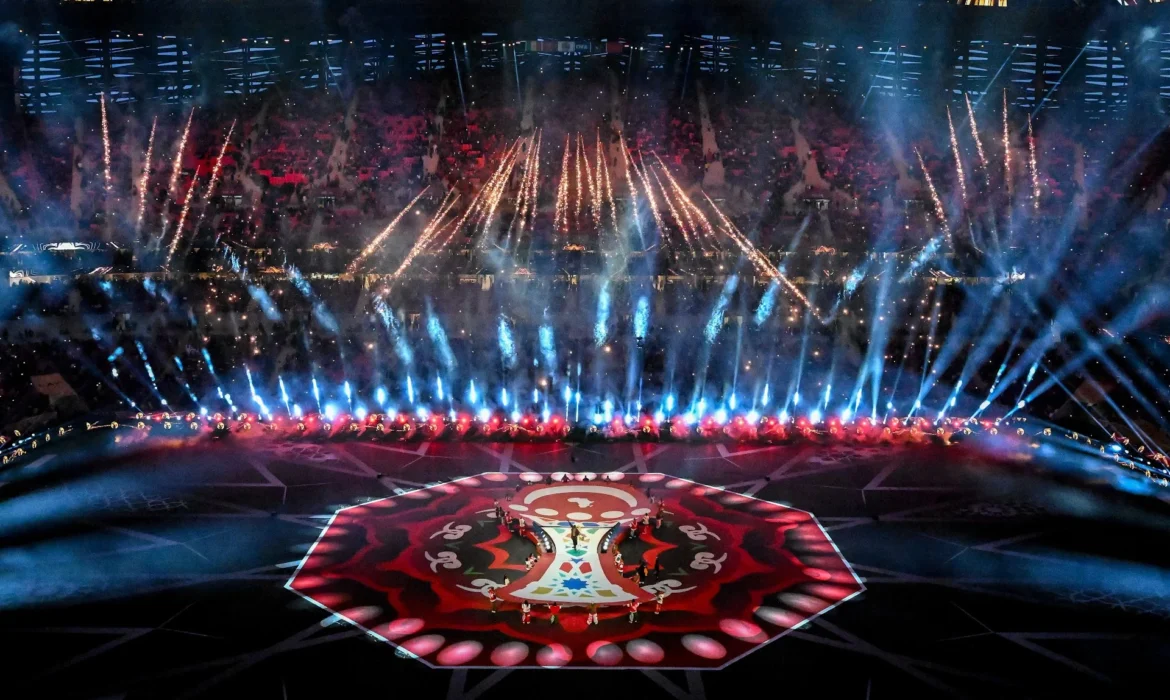
AFCON Morocco 2025 Confirms the Global Rise of African Football
The full report on the tournament’s global performance is expected to be published in the coming weeks by international analytics firm Nielsen.
These figures position the tournament organized by the Confederation of African Football (CAF) among the fastest-growing global sporting properties in terms of audience reach and international visibility.
Morocco’s AFCON Becomes the Most Widely Broadcast in History
Global broadcast expansion drives international exposure
A key factor behind the tournament’s success was its record-breaking global media distribution.
Through its commercial partnership with sports marketing agency IMG, CAF increased the number of international broadcasters by 50% compared with the 2023 edition held in Ivory Coast.
New broadcasting agreements were secured in several major markets including:
-
Japan through DAZN
-
South Korea via NAVER and STN Sports
-
China through Douyin
-
Mexico via Fox Sports and Claro Sports
-
Spain through Movistar Plus+
This extensive network made AFCON Morocco 2025 the most widely distributed edition in the competition’s history.
Europe and South America Drive Audience Growth
Strong performances in key international markets
European markets played a major role in the tournament’s rising global popularity.
In the United Kingdom, the final broadcast on Channel 4 attracted more than 3 million viewers. Meanwhile, in Germany, over 4 million fans watched the final via Sportdigital.
Interest also surged in Brazil, where the tournament drew over 24 million viewers, confirming the growing appeal of African football in South America.
New Markets Emerging in Asia
India records strong first-time viewership
AFCON Morocco 2025 also made significant progress in Asian markets.
In India, the competition was streamed on FanCode and attracted more than 800,000 viewers, an impressive figure for the tournament’s first major exposure in the country.
This breakthrough highlights Asia as a promising growth region for CAF’s international media strategy.
Commercial Value and Global Brand Visibility Increase
Sponsors and partners benefit from the tournament’s expansion
Beyond viewership figures, the tournament also delivered strong commercial performance.
CAF reported:
-
32% growth in media value for partners in Europe
-
35% increase in global media rights revenues across Europe, Asia and South America
-
65% increase in sponsor visibility in European and South American markets
These numbers underline how AFCON Morocco 2025 strengthened both the global profile of African football and Morocco’s reputation as a host of major international sporting events.
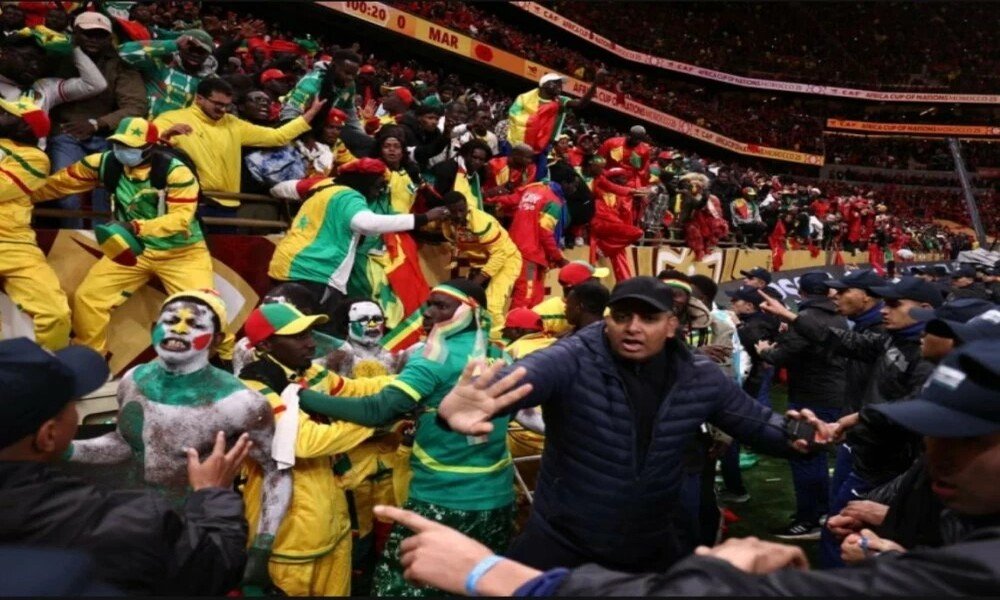
AFCON 2025 Final : Senegalese Supporters Receive a “Fair Trial”, Says Moroccan Human Rights Organization
Judicial proceedings involving several Senegalese nationals following incidents during the final of the 2025 Africa Cup of Nations continue to draw attention. In a report published on Thursday, the Moroccan Organization for Human Rights (OMDH) stated that the trial taking place in Morocco complies with the standards of a fair trial.
According to the organization, the legal process has respected fundamental guarantees provided by international law as well as the Moroccan Constitution, throughout the judicial proceedings.
Defense Allowed to Present Its Arguments Freely
Court independence and presumption of innocence respected
In its assessment, the OMDH emphasized that the court maintained its independence and impartiality while handling the case.
The accused individuals were reportedly able to respond freely to questions and benefited from the principle of presumption of innocence, a cornerstone of international legal standards.
Both the defense and the civil parties were also given sufficient time during the hearings to present their arguments and exercise their right of reply.
The report further notes that the postponements recorded during the proceedings were requested by the defendants themselves, mainly to allow their lawyers to be present or to provide additional time to prepare their defense.
Public Hearings Held in Open Court
Transparent proceedings accessible to the public
The human rights organization also underlined that the hearings were conducted publicly, ensuring transparency in the judicial process.
Members of the public were able to access the courtroom freely, from the entrance of the courthouse to the hearing chamber.
The accused appeared under security escort, in accordance with judicial procedures. However, their handcuffs were reportedly removed before the official start of the hearings.
Conflicting Accounts of the Stadium Incidents
Most defendants deny the accusations
According to the report, most of the defendants rejected the charges brought against them.
Some stated that they had entered the pitch in order to ask supporters to return to the stands, while others claimed they were trying to retrieve personal belongings that had fallen onto the field.
A few defendants said they had been pushed onto the pitch by the crowd during the post-match confusion.
Several individuals also expressed regret over the incidents and issued apologies, while emphasizing the strong relations between Senegal and Morocco.
Medical Incident Reported During a Hearing
One defendant briefly hospitalized
The OMDH report also mentioned a medical incident during the February 5, 2026 hearing.
One of the defendants reportedly felt unwell and was immediately assisted by the court’s medical staff before being transferred to the infirmary for further care.
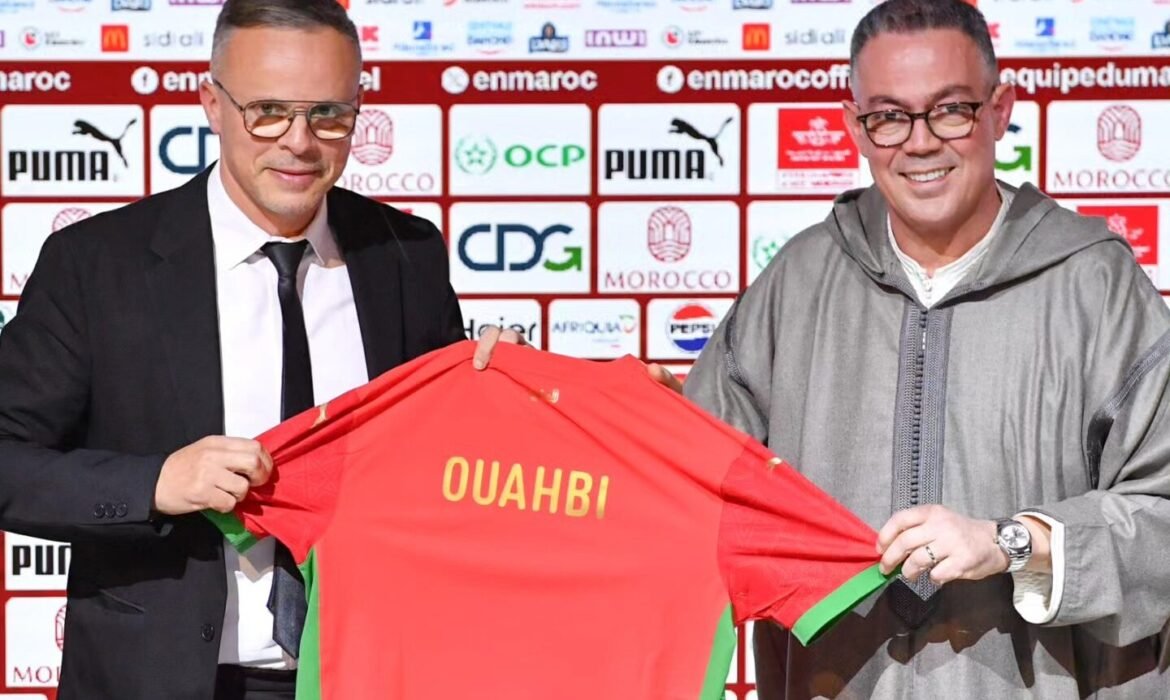
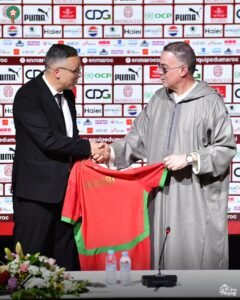
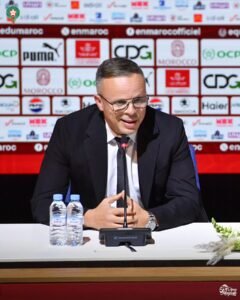
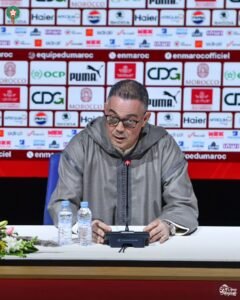
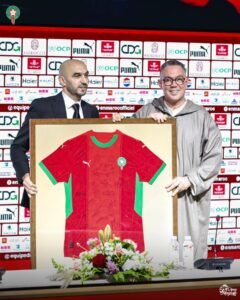
Morocco appoints Mohamed Ouahbi as new Atlas Lions head coach
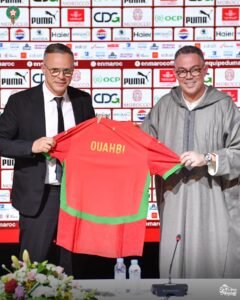
The Royal Moroccan Football Federation (FRMF) has officially appointed Mohamed Ouahbi as the new head coach of Morocco’s national team. The announcement was made on Thursday, March 5, 2026, marking the beginning of a new chapter for the Atlas Lions following the departure of Walid Regragui.
The decision is part of the federation’s strategic roadmap titled “Morocco 2030”, unveiled by FRMF president Fouzi Lekjaa. The initiative aims to strengthen Morocco’s football structure and maintain the country’s growing influence on the continental and international stage.
Mohamed Ouahbi, a coach developed within the Moroccan football system, has built a strong reputation in recent years. He notably led Morocco’s U20 national team to a FIFA World Cup title, highlighting his ability to develop young talents and build competitive squads.
By appointing Ouahbi, the FRMF reiterates its commitment to promoting Moroccan expertise while ensuring continuity between youth development and the senior national team.
To further strengthen the technical staff, the federation has also confirmed the arrival of Portuguese coach João Sacramento. The experienced tactician previously worked as an assistant coach at top European clubs including Paris Saint-Germain, AS Roma and Tottenham Hotspur. His role will be to bring international-level methodology and enhance the team’s preparation and performance standards.
At the same time, the FRMF expressed its gratitude to former head coach Walid Regragui for his commitment and contribution to Moroccan football. Regragui also thanked King Mohammed VI, the federation and Moroccan supporters for their continued support during his tenure.
With Mohamed Ouahbi now in charge and a reinforced technical staff, Morocco aims to continue its rise and remain one of Africa’s most competitive national teams ahead of major international tournaments.
FIFA Under Infantino: Lekjaa Hails a “Quiet Revolution” in Global Football
A Decade of Structural Transformation at FIFA
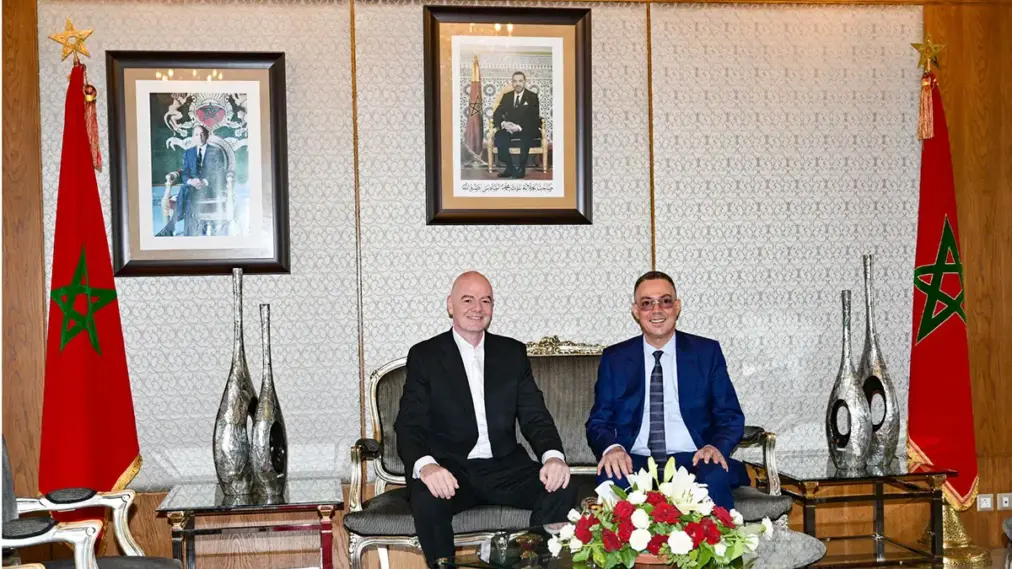
Fouzi Lekjaa, President of the Royal Moroccan Football Federation (FRMF), has praised what he describes as a “quiet revolution” in global football under FIFA President Gianni Infantino, marking ten years since Infantino’s election on February 26, 2016.
In a video message released on Morocco’s national team social media platforms, Lekjaa highlighted what he called a “comprehensive transformation” of FIFA, emphasizing governance reform, financial restructuring, and expanded global development programs.
Governance Reform and Financial Growth as Key Drivers
According to Lekjaa, one of the most significant achievements of Infantino’s presidency has been the overhaul of FIFA’s governance framework and financial management system.
He noted that financial restructuring led to:
- Increased FIFA revenues
- Expanded development funding for member associations
- Strengthened investment in infrastructure and technical training
- Greater support for women’s and youth football
Lekjaa argued that these reforms enabled FIFA to double and even triple development efforts across continents, particularly benefiting emerging football nations.
Expansion of Competitions and Globalization Strategy
Another major pillar of change has been the reform of international competitions. The expansion of the FIFA World Cup format, alongside the strengthening of youth and women’s tournaments, reflects what Lekjaa described as a clear strategy of globalizing football.
This broader inclusion has allowed more national teams to participate on the world stage, reinforcing FIFA’s commitment to competitive balance and global representation.
Morocco and the 2030 World Cup: A Symbol of a New Era
Lekjaa pointed to Morocco’s co-hosting of the 2030 FIFA World Cup alongside Spain and Portugal as a concrete example of FIFA’s evolving global vision.
The 2030 edition will:
- Mark the centenary of the FIFA World Cup
- Be hosted across two continents
- Represent the second World Cup held on African soil
For Lekjaa, this reflects Africa’s growing influence within international football governance.
Rabat as FIFA’s African Hub
The establishment of FIFA’s regional African office in Rabat was also highlighted as a strategic milestone.
Lekjaa described it as a major opportunity for:
- Capacity building
- Technical development
- Institutional strengthening across African federations
He stressed that all African member associations have benefited from enhanced development funding during the past decade.
A Decade of Institutional Stability and Global Expansion
In conclusion, Lekjaa stated that Gianni Infantino’s leadership has delivered qualitative progress at FIFA, consolidating financial stability while expanding the organization’s global reach.
As FIFA enters its second decade under Infantino, the Moroccan football chief believes the governing body is more structured, inclusive, and globally balanced than ever before.
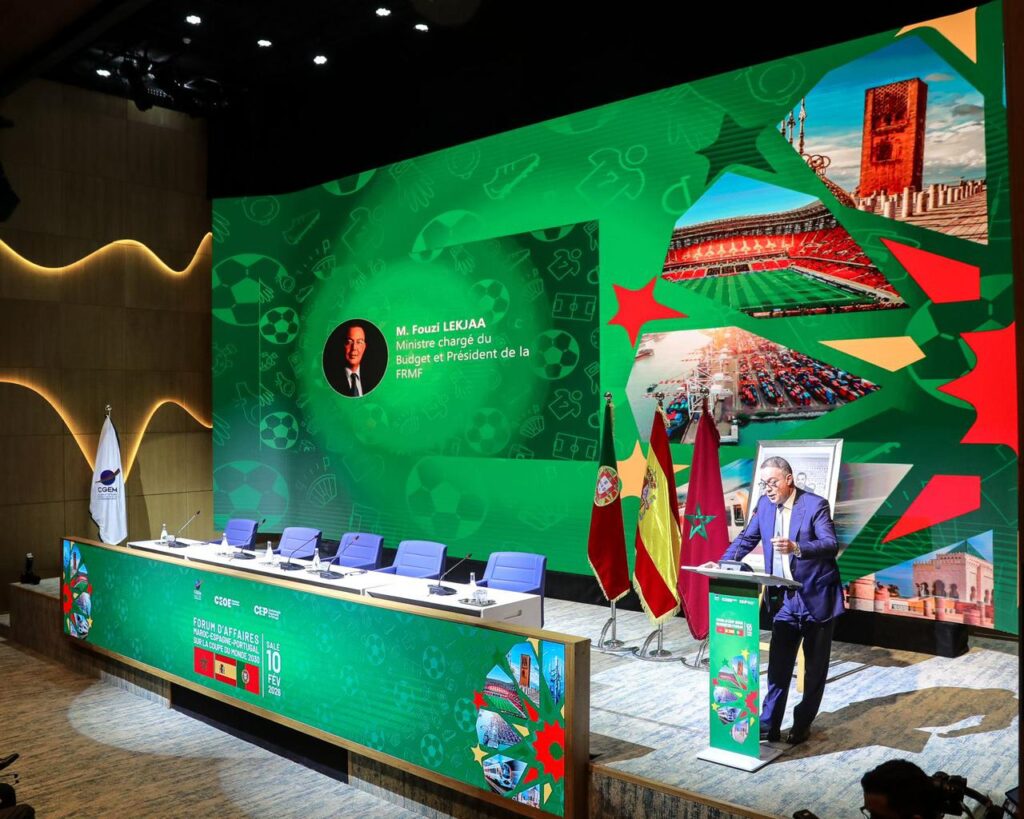
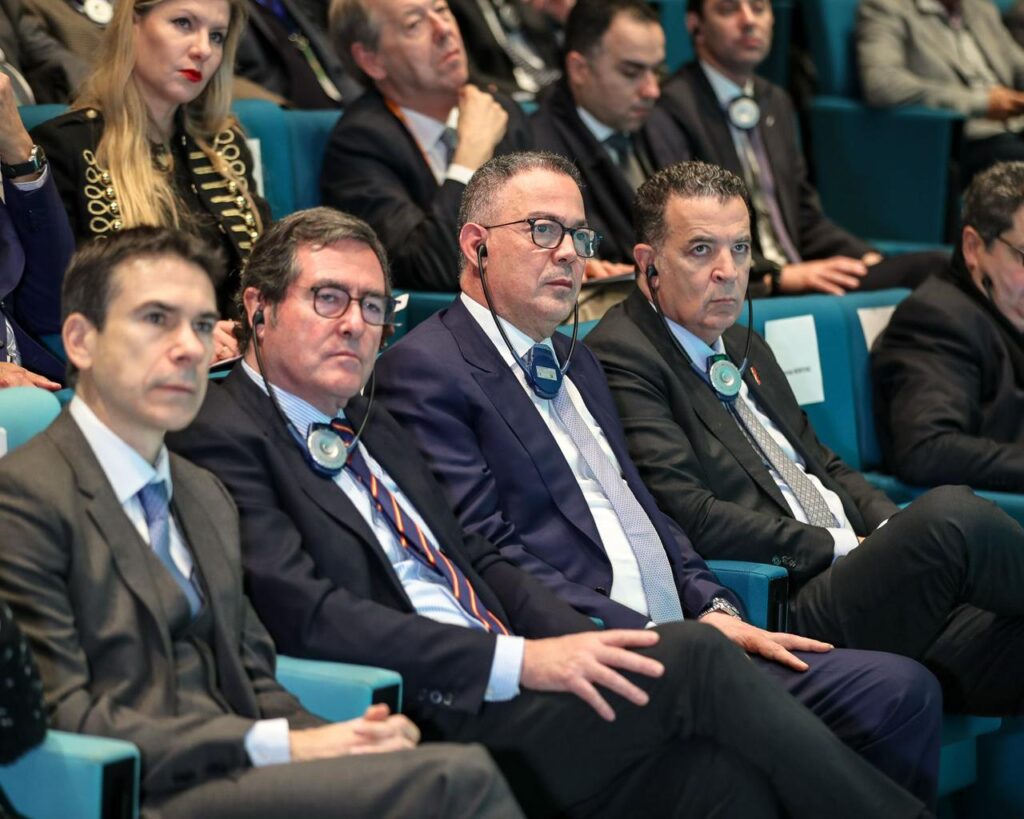
World Cup 2030: Morocco, Spain and Portugal build a new economic alliance
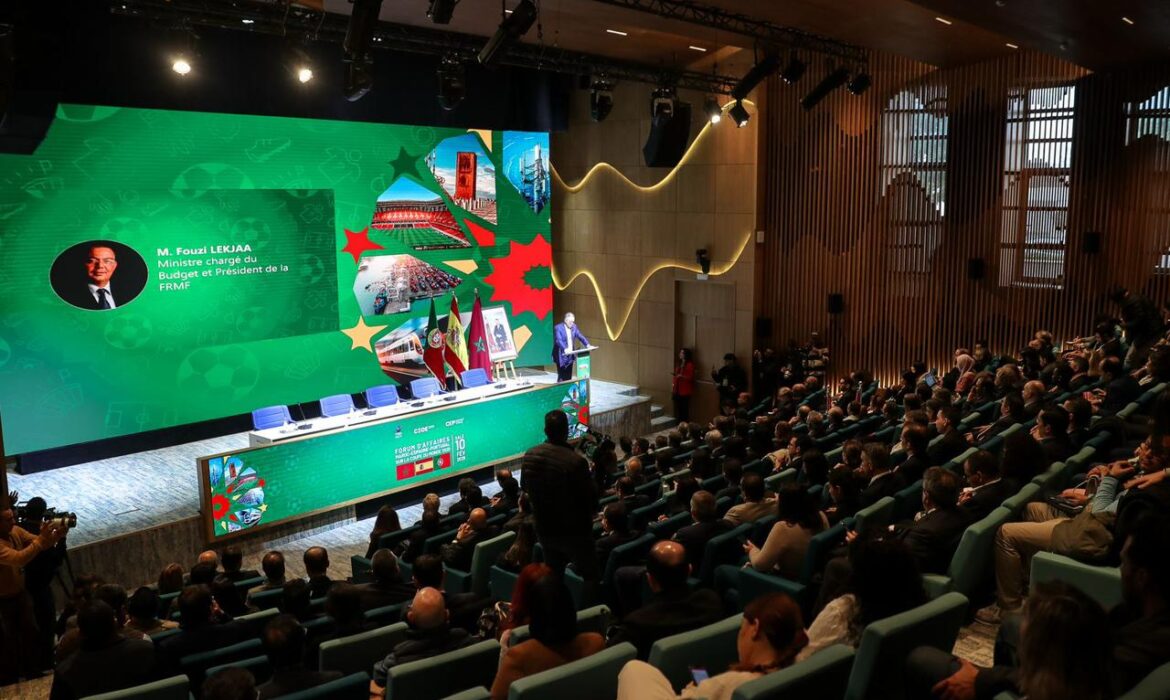
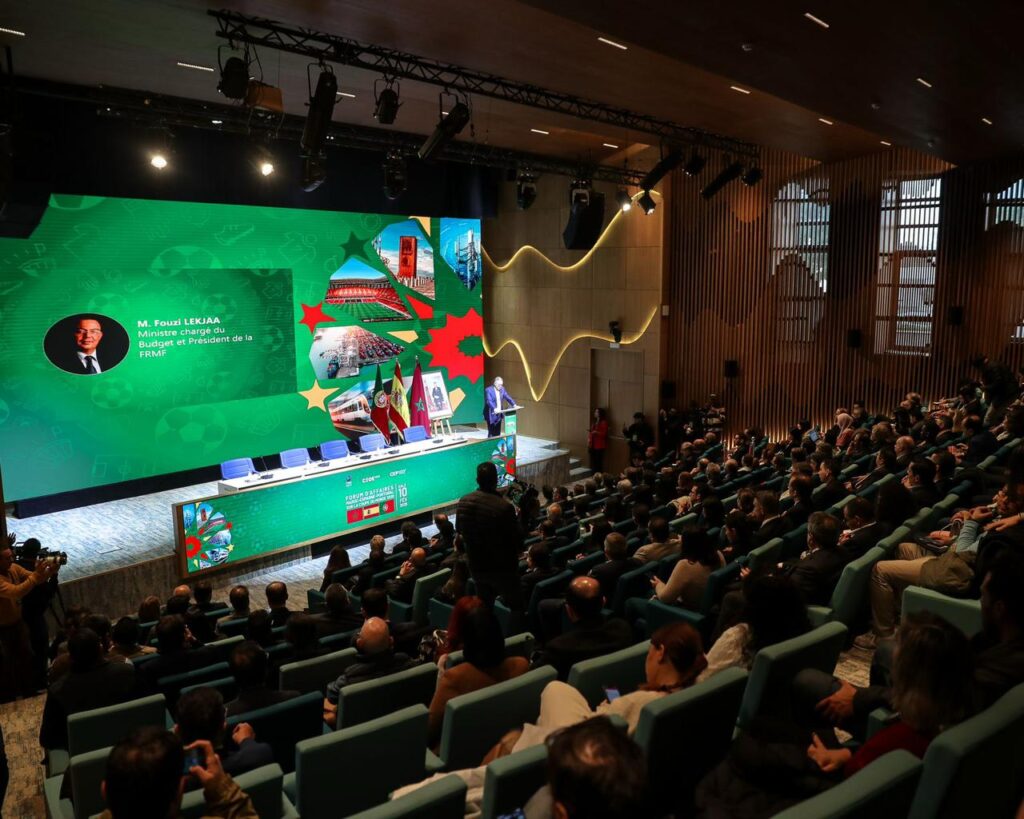
As preparations for the 2030 FIFA World Cup intensify, Morocco, Spain and Portugal are shaping an unprecedented trilateral economic partnership. Meeting in Rabat, public and private stakeholders highlighted the event’s potential to generate long-term growth beyond football. Held at the Mohammed VI Football Complex, the business forum emphasized infrastructure development, transport connectivity and cross-border coordination, as the tournament will span two continents for the first time in World Cup history.
Morocco’s recent success in hosting the Africa Cup of Nations was presented as proof of its organizational capacity. Major investments in airports, high-speed rail and logistics are already underway.
For all three countries, World Cup 2030 is seen as a catalyst for sustainable development, youth employment and Euro-African cooperation.
Morocco FA denies reports of Walid Regragui’s resignation
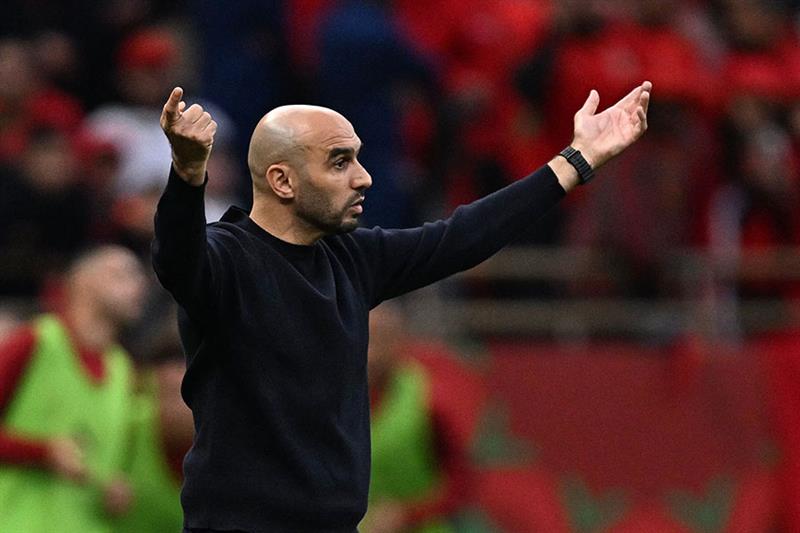
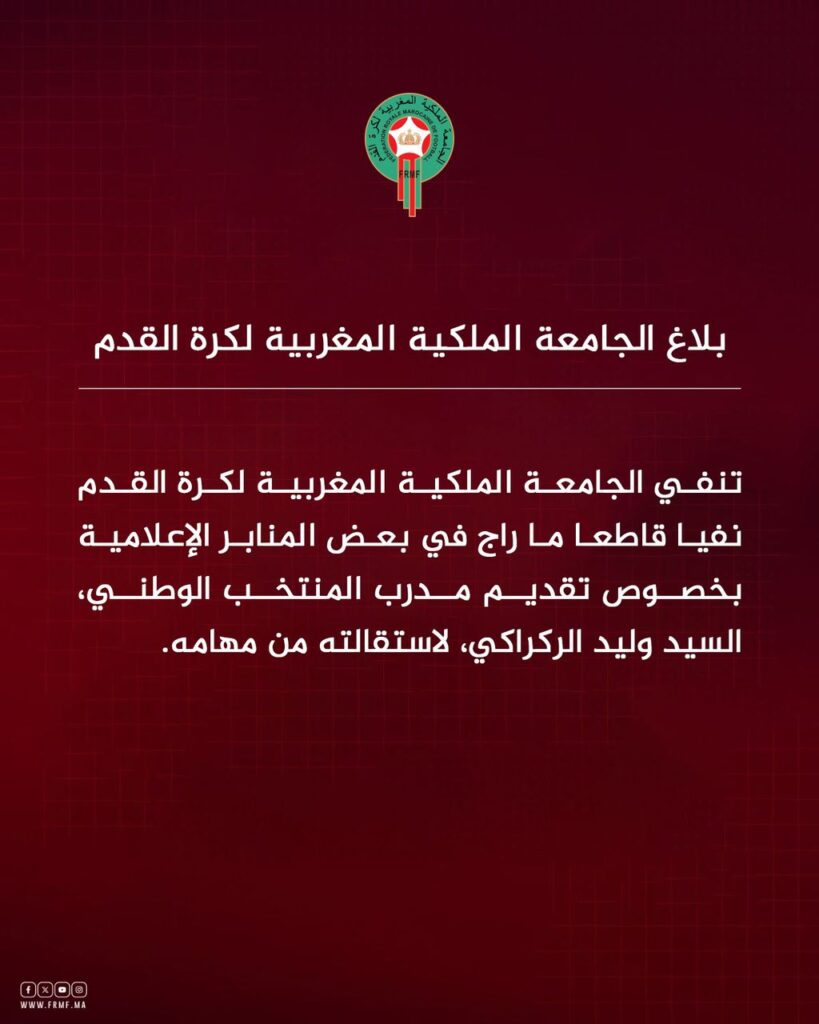
The Royal Moroccan Football Federation (FRMF) has officially denied reports claiming that national team head coach Walid Regragui has resigned.
In an official statement, the federation said it “categorically denies the information circulated by some media outlets regarding the resignation of the national team coach, Mr. Walid Regragui.”
The clarification comes amid widespread speculation in the press over the future of the Lions of the Atlas’ head coach. As of now, Walid Regragui remains in charge, with no official decision announced by the federation.
AFCON 2025 Final: FRMF Files Appeal Against CAF Disciplinary Sanctions
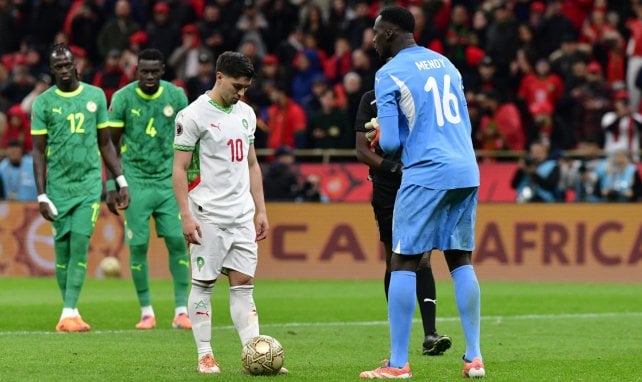
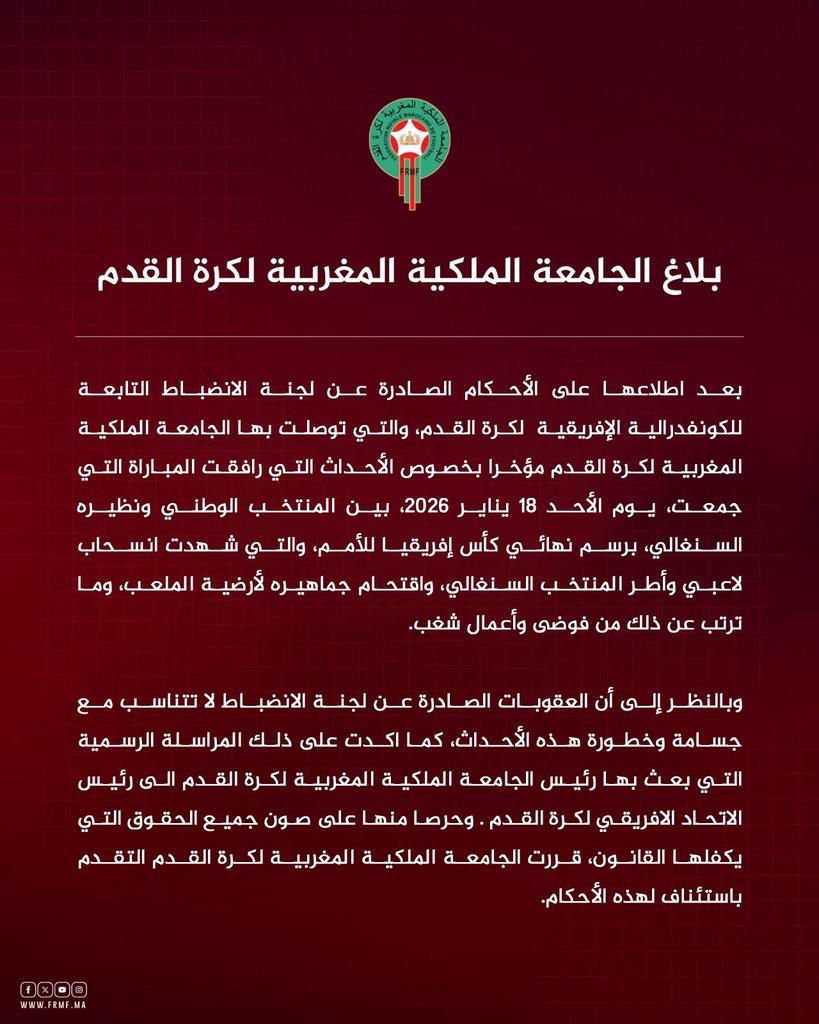
The Royal Moroccan Football Federation (FRMF) has announced that it has filed an appeal against the disciplinary sanctions issued by the Confederation of African Football (CAF) following the 2025 Africa Cup of Nations final against Senegal.
In an official statement, the FRMF said the appeal concerns serious incidents that occurred during the match played on January 18, 2026, including the temporary withdrawal of Senegalese players and staff from the pitch, as well as pitch invasions by supporters.
According to the Moroccan federation, these incidents disrupted the normal flow of the final. The appeal seeks a review of the disciplinary decisions taken by CAF’s competent bodies.
AFCON 2025 final: CAF president calls for regulatory review after disciplinary rulings
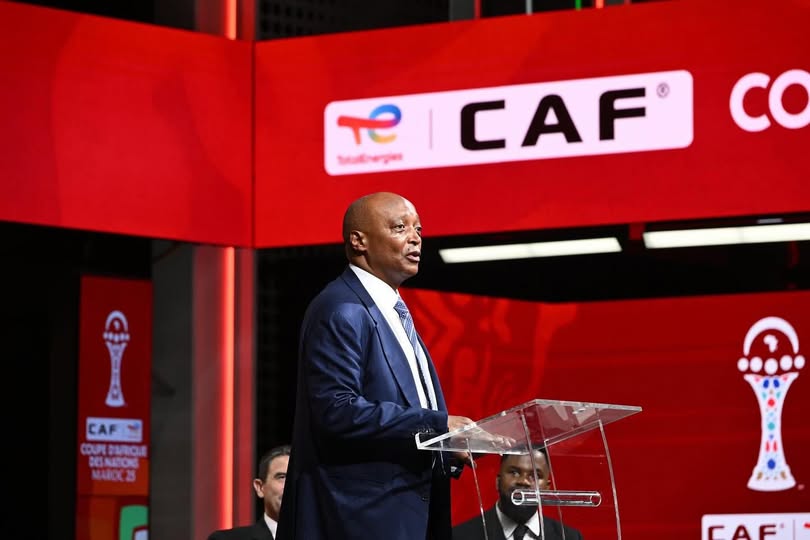
CAF President Patrice Motsepe has addressed the aftermath of the disciplinary sanctions imposed following the AFCON 2025 final held in Morocco, reaffirming the confederation’s commitment to protecting the credibility of African football.
Dr. Patrice Motsepe, President of the Confederation of African Football, said
« I am absolutely determined, as are the CAF Executive Committee (COMEX) and the Presidents of CAF Member Associations, representing 54 African countries, to preserve and strengthen the integrity, reputation, and global competitiveness of African football and CAF competitions. I was deeply disappointed by the unacceptable incidents that occurred during the final of the TotalEnergies CAF Africa Cup of Nations, Morocco 2025.
I have taken note of the decision handed down by the CAF Disciplinary Committee, announced on Wednesday, January 28, 2026, and I fully respect all decisions made by our judicial bodies, which I will strictly comply with.
I have convened a meeting of the CAF Executive Committee (COMEX), CAF’s highest decision-making body outside the Annual Ordinary General Assembly, to review CAF regulations, including the Disciplinary Code. This review aims to ensure that CAF’s judicial bodies have sufficient powers to impose appropriate and dissuasive sanctions in cases of serious violations of CAF’s Statutes, Regulations, and Disciplinary Code, as well as for any behavior that seriously damages the reputation, integrity, respect, and global competitiveness of African football and CAF competitions.
In recent years, we have significantly improved the quality, integrity, independence, skills, and expertise of African referees, VAR operators, and match commissioners. We are determined to allocate additional financial resources and enhanced technical expertise to ensure that the quality, integrity, impartiality, skills, and expertise of African referees, VAR operators, and match commissioners are comparable to the best in the world.
One of the first decisions I made upon becoming CAF President was to ensure the independence and impartiality of the CAF Referees Committee, which is composed of members nominated by the 54 CAF Member Associations, as well as the most qualified and respected referees on the continent. It is essential that African referees, VAR operators, and match commissioners are perceived, respected, and recognized as impartial, fair, and world-class.
I am confident that with the additional reforms and far-reaching measures we are putting in place, African football and CAF competitions will continue to be respected, admired, and ranked among the best in the world. «
AFCON 2025: Morocco announces significant revenue from hosting the tournament
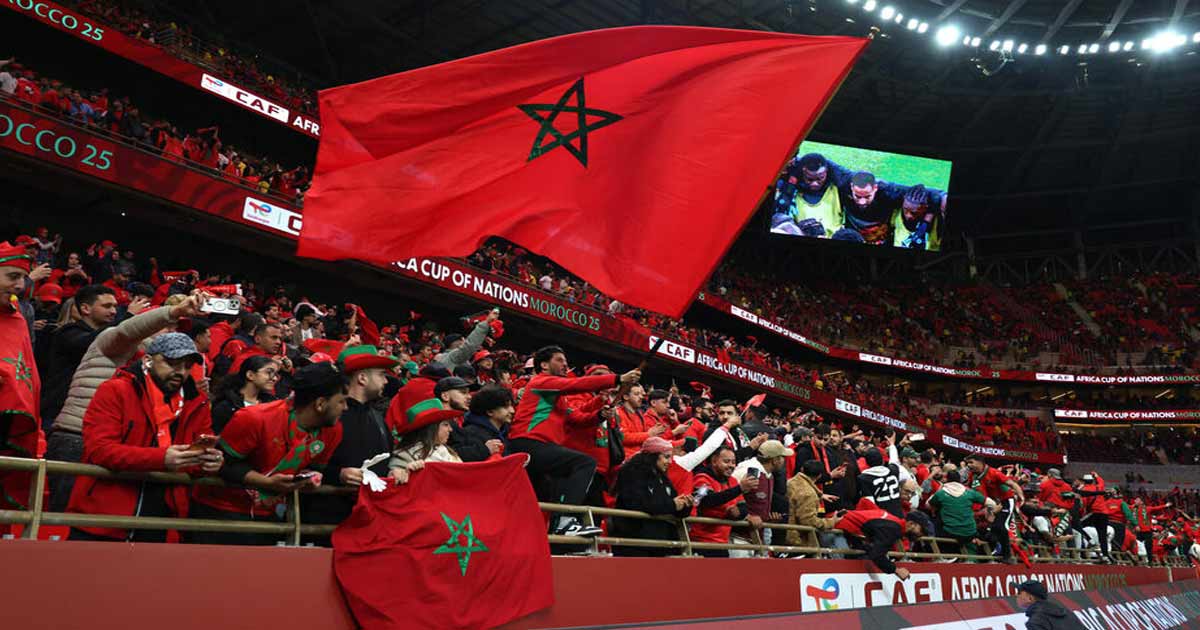
Morocco has reported €1.5 billion in revenues from hosting the 2025 Africa Cup of Nations, according to official figures released by the government on January 26, 2025.
The tournament, held from December 21 to January 18, marked the 35th edition of AFCON and generated significant income through sponsorship deals and ticket sales. Prior to the opening match, revenues had already reached €300 million, a record equal to the combined total of the previous four editions.
Authorities attribute these results to a high-level organizational framework and modern infrastructure meeting international standards.
However, revenues do not equate to net profit. The Moroccan government invested €2.3 billion in stadium renovations, road networks and airport upgrades, including the Prince Moulay Abdellah Stadium, which hosted the opening match and the final.
As a result, the event shows an estimated temporary deficit of €800 million, which officials expect to offset in the long term, particularly ahead of the 2030 FIFA World Cup.
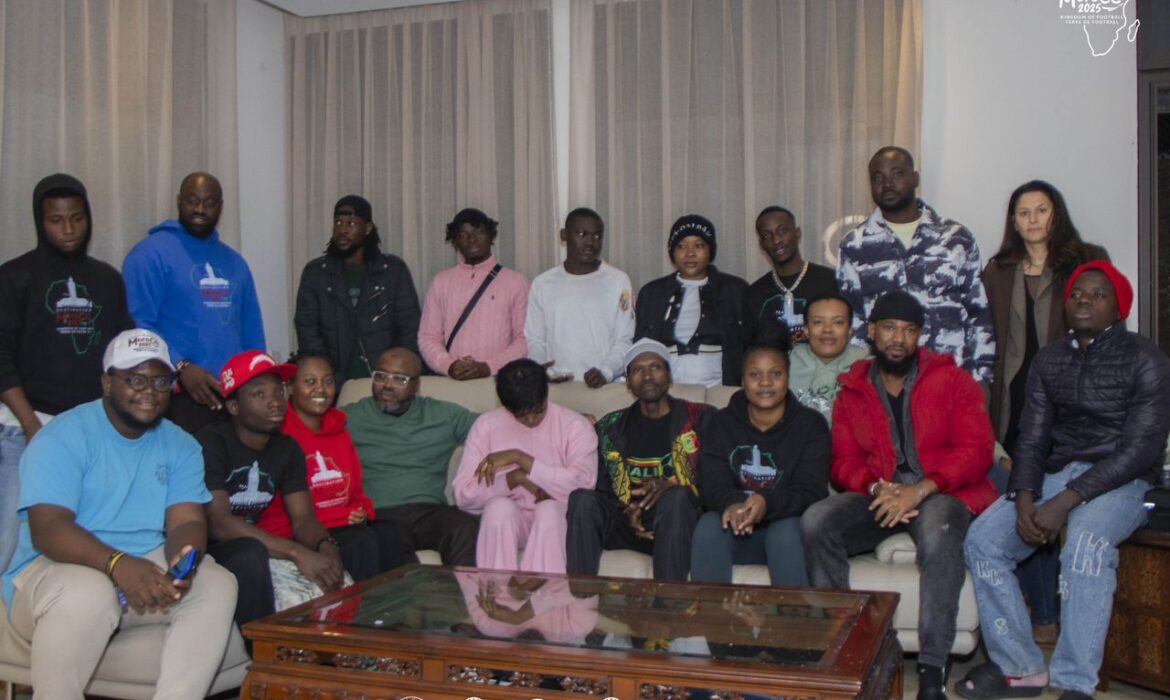
La Casa Del CAN: a remarkable success!
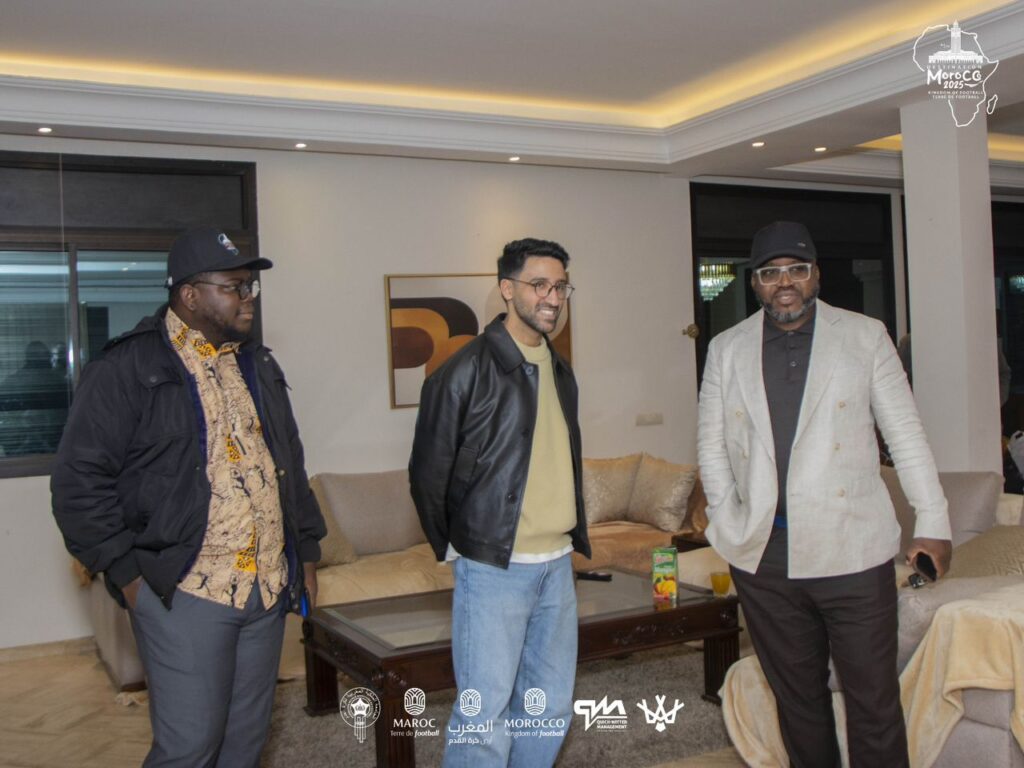
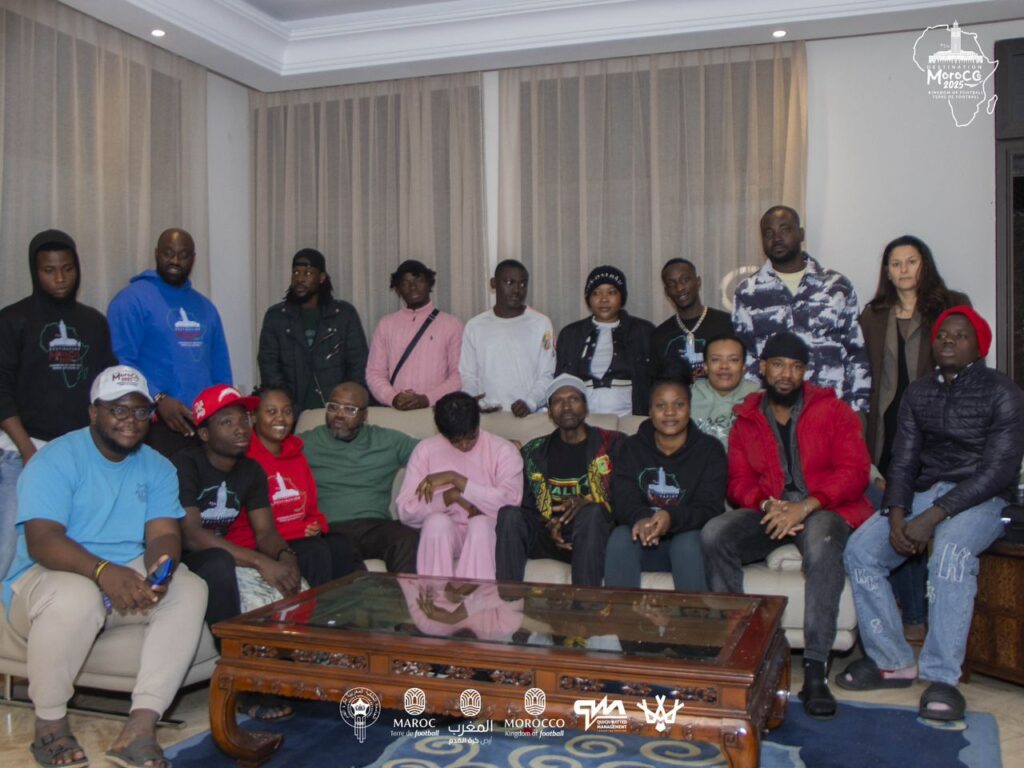
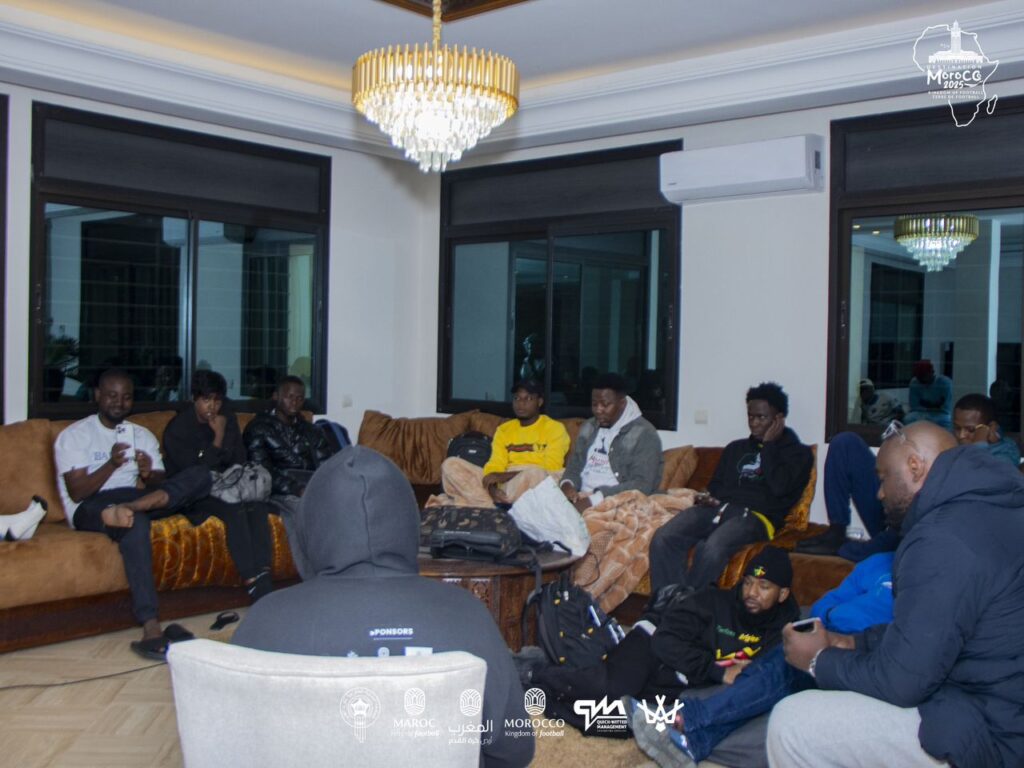
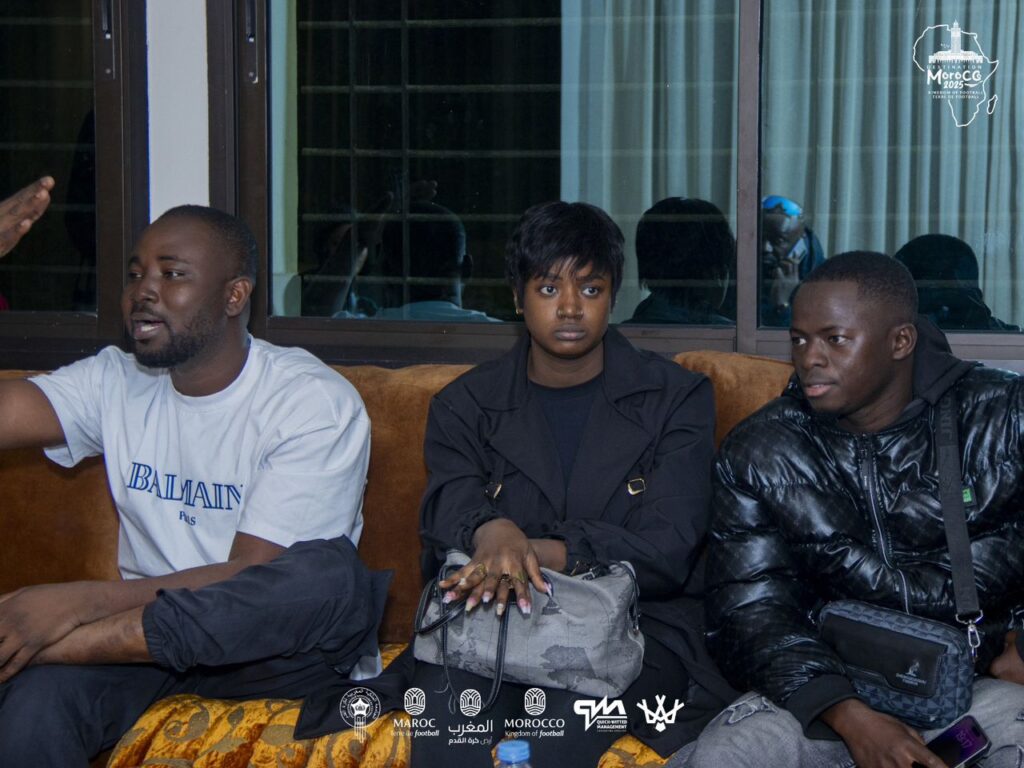
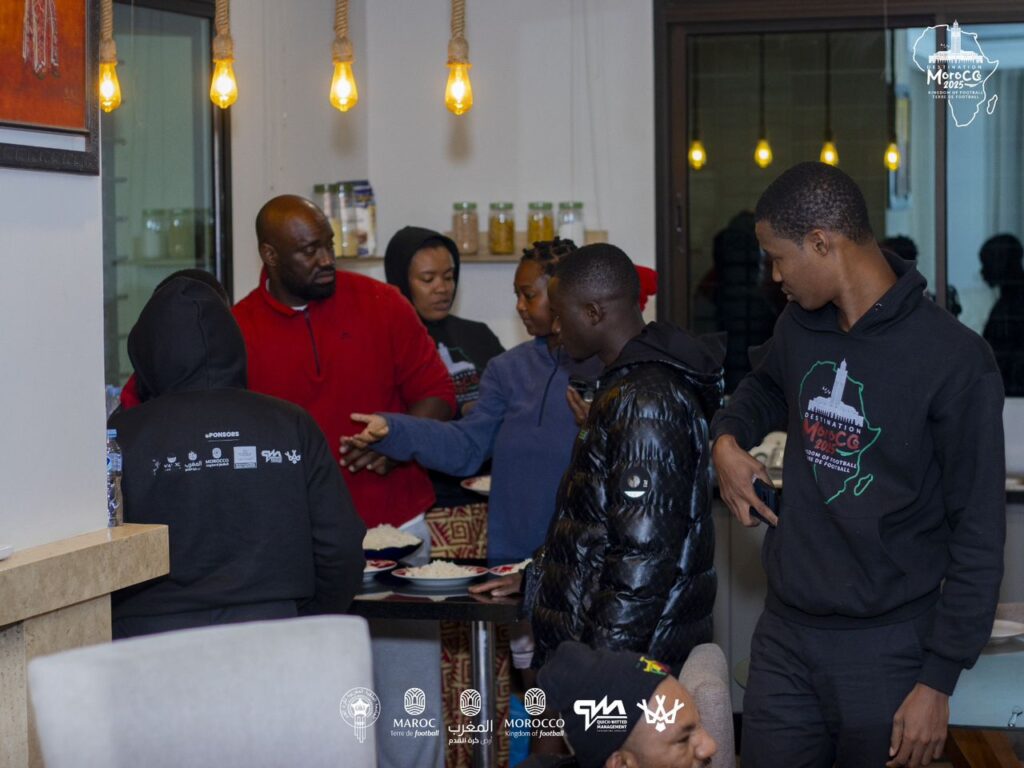
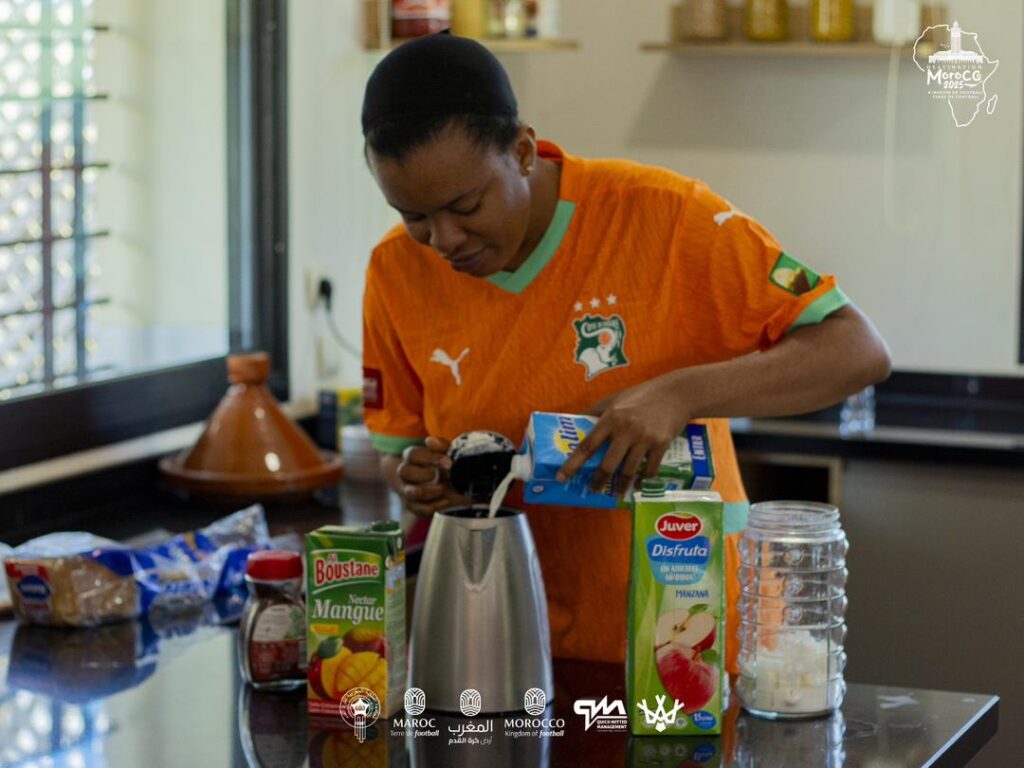
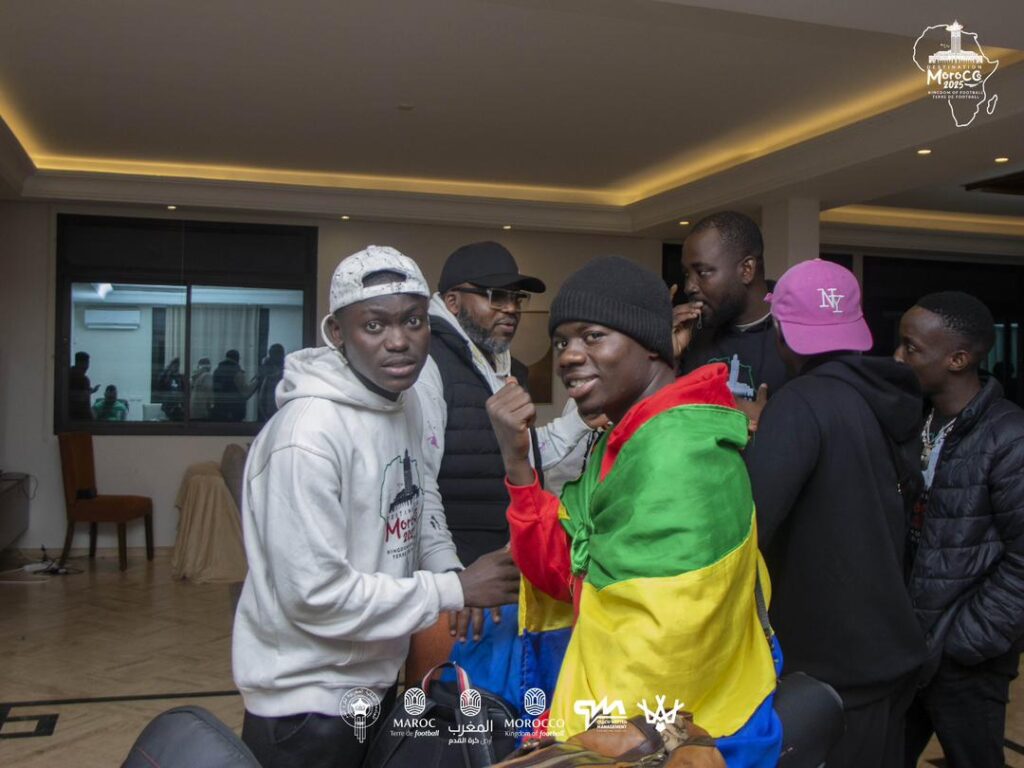
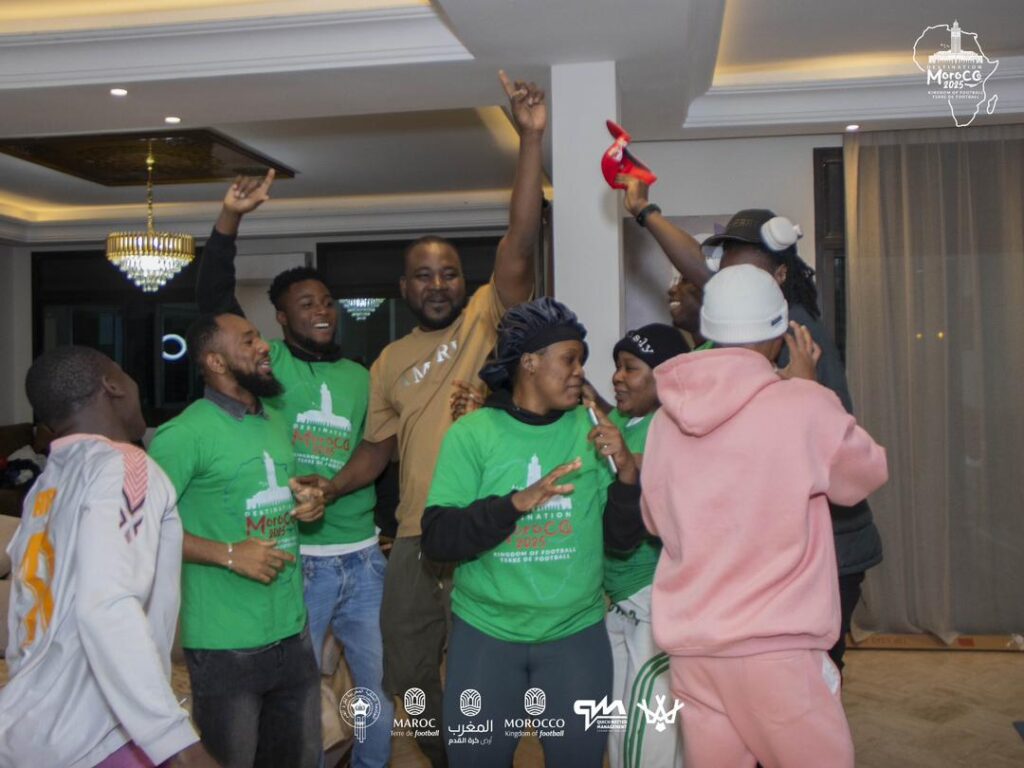
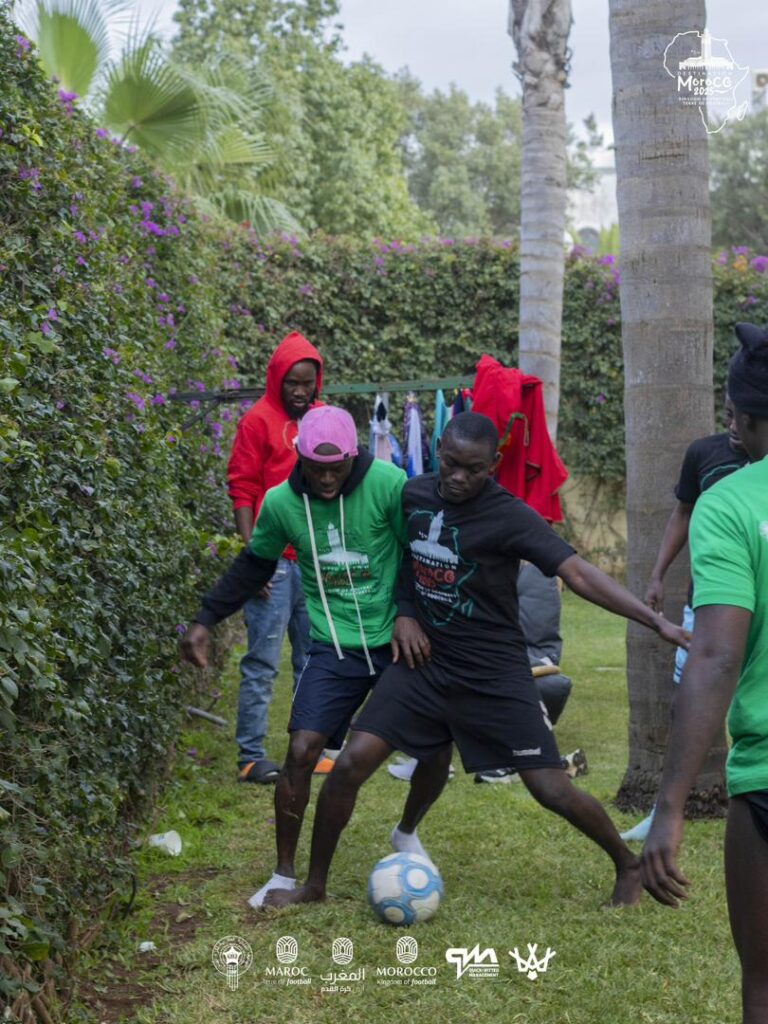
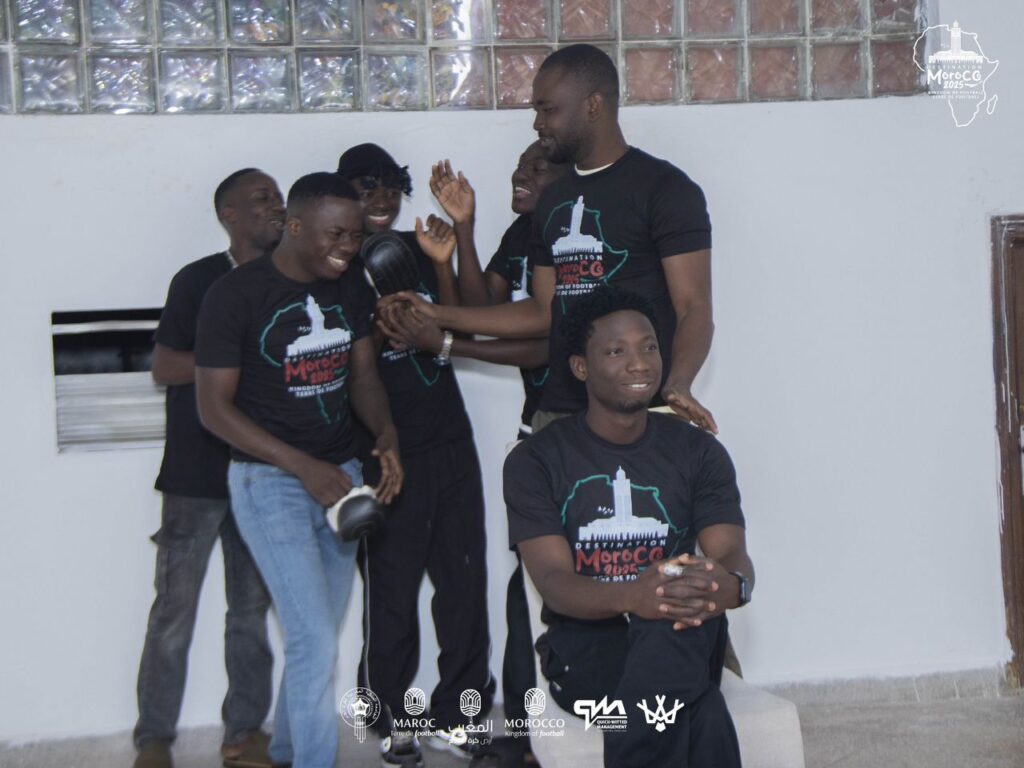
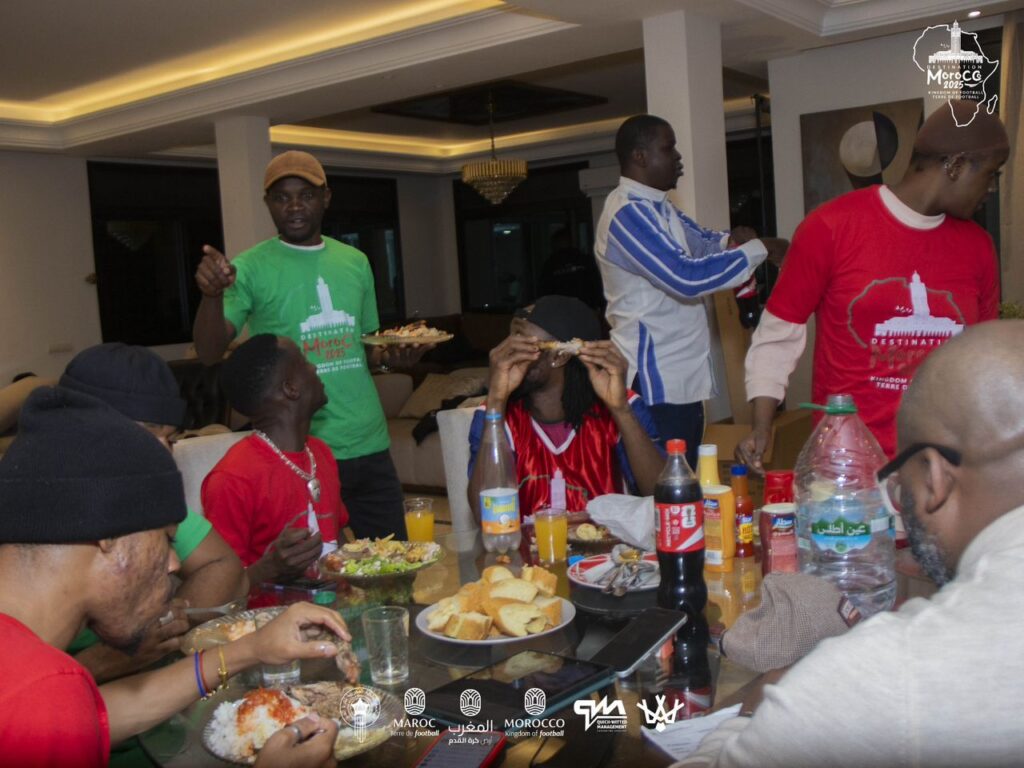
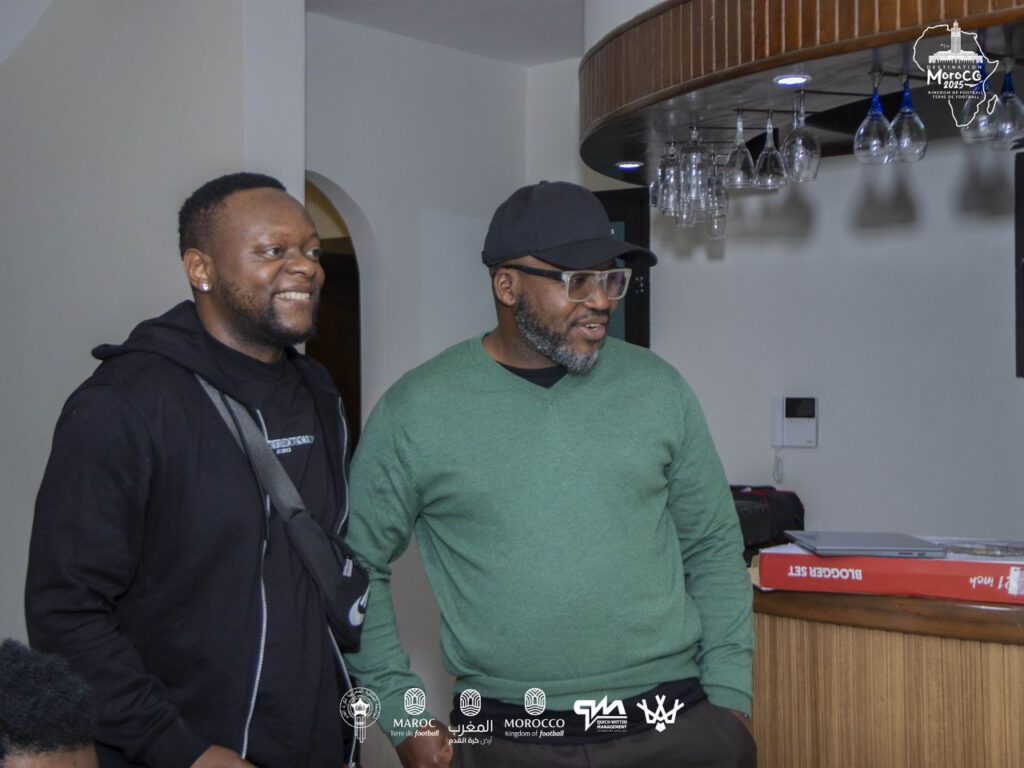
La Casa Del CAN has closed its doors, but the experience remains deeply rooted. More than a concept, more than a content hub, this Phase 2 of project « Destination Morocco 2025: Terre de Football; Kingdom of Football » has been an intense, demanding, and revealing human adventure. It echoes the resounding success of the project’s first stage: the Cotonou–Rabat road trip, which had already captured imaginations with its energy, creativity, and ability to connect Africa through football.
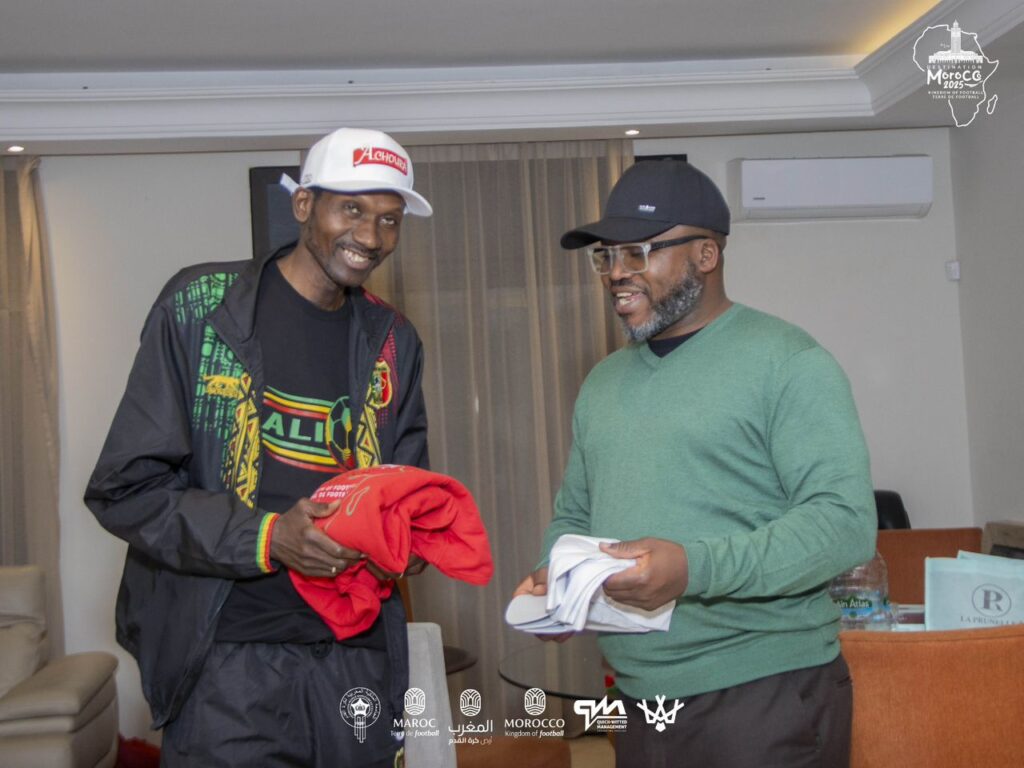
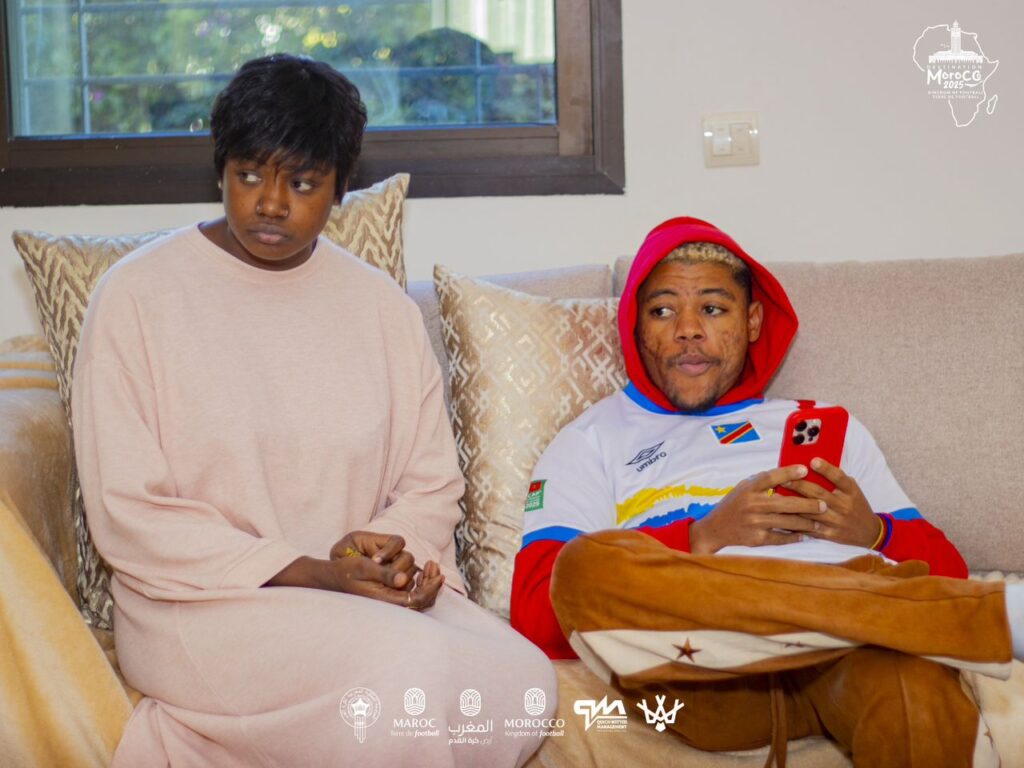
For several weeks, La Casa Del CAN was a home before it was a production space. A house inhabited by talents from diverse backgrounds, each bringing their sensitivities, rhythms, visions, and vulnerabilities. The AFCON was experienced here away from the stands, but up close with humanity: in late-night discussions, constructive disagreements, shared laughter, accumulated fatigue, spontaneous support, and silences that sometimes spoke louder than words.
The experience was enriched by the remarkable visits of Momo de Paris, Simo Sedraty, La Jaguar, Lassissi, and many others. Each brought their energy, stories, and perspective on Africa, strengthening the lively and open character of La Casa Del CAN.
What this adventure revealed above all was the complexity and richness of African cohabitation. Cultures met, personalities clashed, egos learned to step aside for the collective. Nothing was smooth, and that is precisely its value. Real Africa is not told in a fixed set, but in movement, constant adaptation, and the ability to build together despite differences.
Creatively, La Casa Del CAN became a laboratory. Vlogs, live streams, short formats, debates, life moments, premium content: each day was an attempt to tell AFCON differently. Not just football, but what it triggers: emotions, conversations, identities, passions, and sometimes tensions. Content was not merely a goal; it reflected a shared daily life.
On a human level, the experience was formative. It challenged everyone to listen, collaborate, handle pressure, respect others, and self-reflect. La Casa Del CAN didn’t just produce images; it forged bonds, created lasting memories, and left deep lessons about collective work on a Pan-African scale.
This adventure could only have happened in Morocco. A welcoming land, an African crossroads, a convergence space, the Kingdom provided the setting, stability, and openness necessary for this human and creative experiment. Through La Casa Del CAN, Morocco once again demonstrated its ability to unite, connect, and project African youth into ambitious and modern narratives, perfectly aligned with the vision of His Majesty King Mohammed VI.
La Casa Del CAN therefore ends without a real conclusion. What was experienced goes beyond the timeline of the competition. The images will continue to circulate, the formats will continue to be consumed, but above all, the human, professional, and creative trajectories started here will continue far beyond.
Quick-Witted Management, led by Zelkifli Ngoufonja, achieved its goal: to transform AFCON into an intimate, collective, and deeply African experience. A CAN lived from within, told by those who live it, with all its strengths, imperfections, and truth.
La Casa Del CAN closes its doors.
But the story continues.
Photo gallery