2026 WAFCON: Host nation Morocco secures a quarter-final spot ahead of Algeria
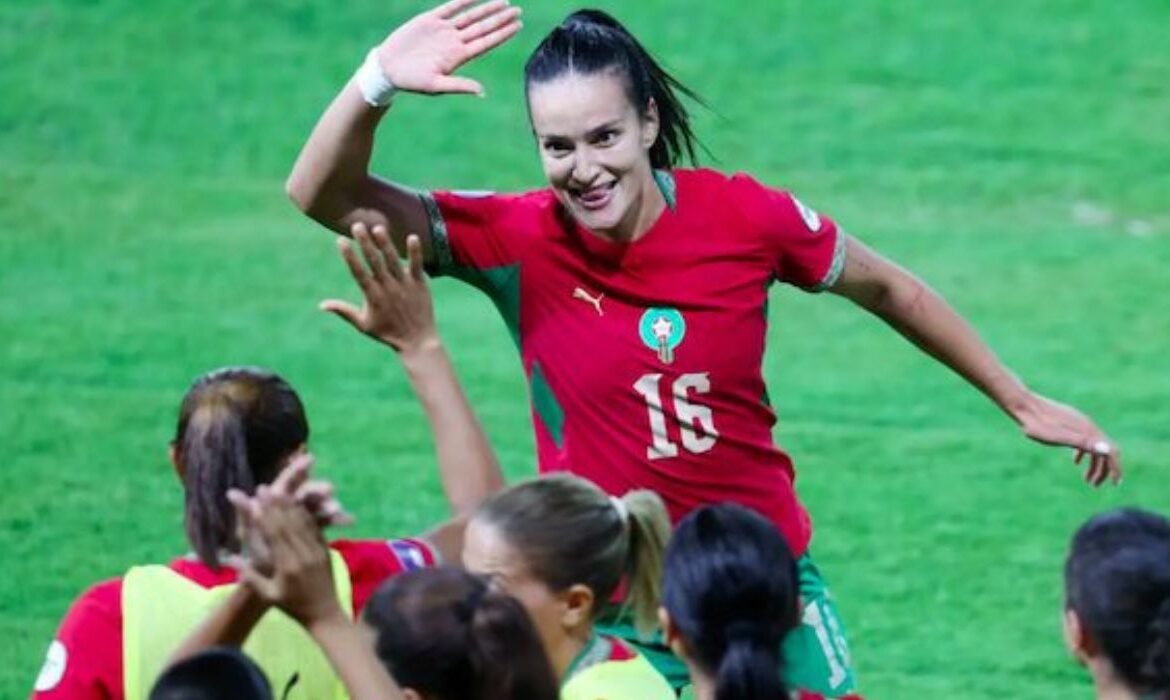
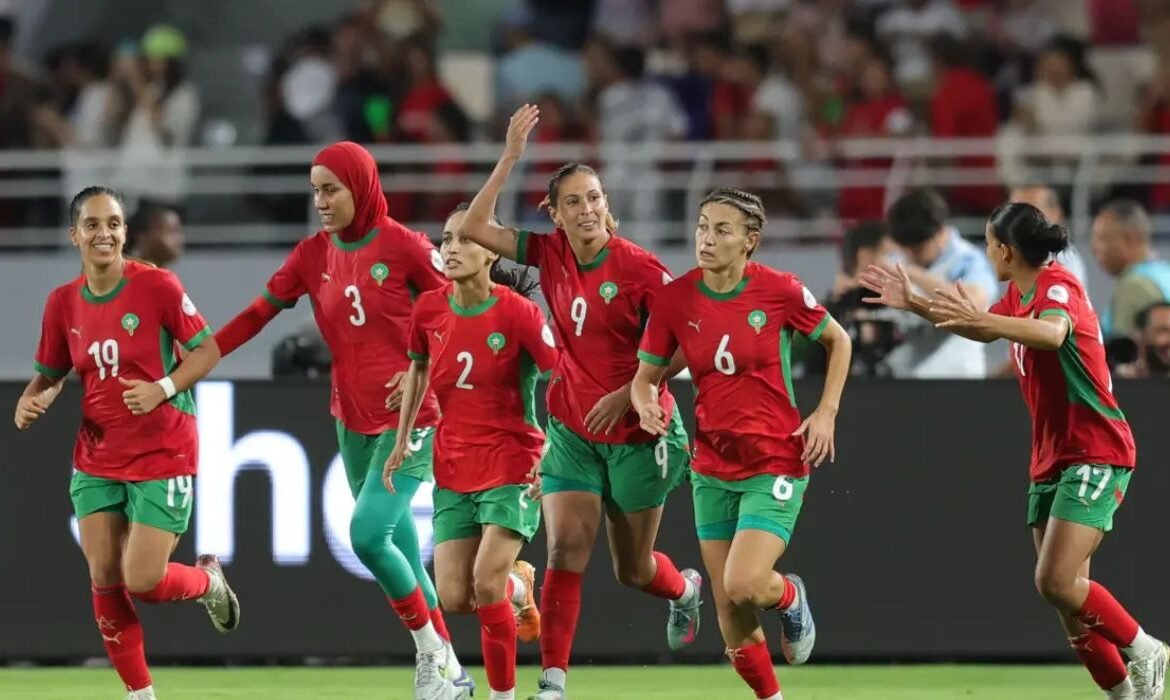
Morocco’s women’s national team has reached the knockout stage of the Women’s Africa Cup of Nations (WAFCON) 2026, after a dramatic final matchday in Group A on Monday, August 3. Playing in front of their home supporters, the Atlas Lionesses earned a crucial point against Senegal to confirm their place in the quarter-finals, while Algeria joined them in the next round after a comfortable victory over Kenya.
Morocco’s football journey continues on home soil
The atmosphere was electric at the Moulay El Hassan Stadium, where thousands of Moroccan fans gathered to support the host nation. Morocco dominated large parts of the encounter against Senegal, creating several chances but struggling to break through a well-organised Senegalese defence. The home side came closest to opening the scoring after being awarded a penalty, but the opportunity was missed. Despite the frustration in attack, the goalless draw was enough to secure Morocco’s qualification and keep their dream of winning the continental title alive in front of their supporters.
Algeria completes Group A qualification
In the other decisive Group A fixture, Algeria delivered a professional performance against Kenya, securing a 2-0 victory. The result allowed the Algerian team to finish the group stage strongly and book their place among the eight best teams of the tournament.
Group A final results
- Kenya 0-2 Algeria
- Senegal 0-0 Morocco
Morocco and Algeria move into the quarter-finals
With their qualification confirmed, Morocco and Algeria will continue their WAFCON 2026 campaign, while Senegal and Kenya exit the competition after the group stage.
For Morocco, the qualification represents another important milestone in a tournament where the country is aiming to combine sporting success with the enthusiasm generated by hosting Africa’s biggest women’s football competition. The Atlas Lionesses will now turn their attention to the quarter-finals, hoping to go all the way on home soil.
Morocco beats Algeria and moves closer to the quarter-finals of the 2026 Women’s AFCON
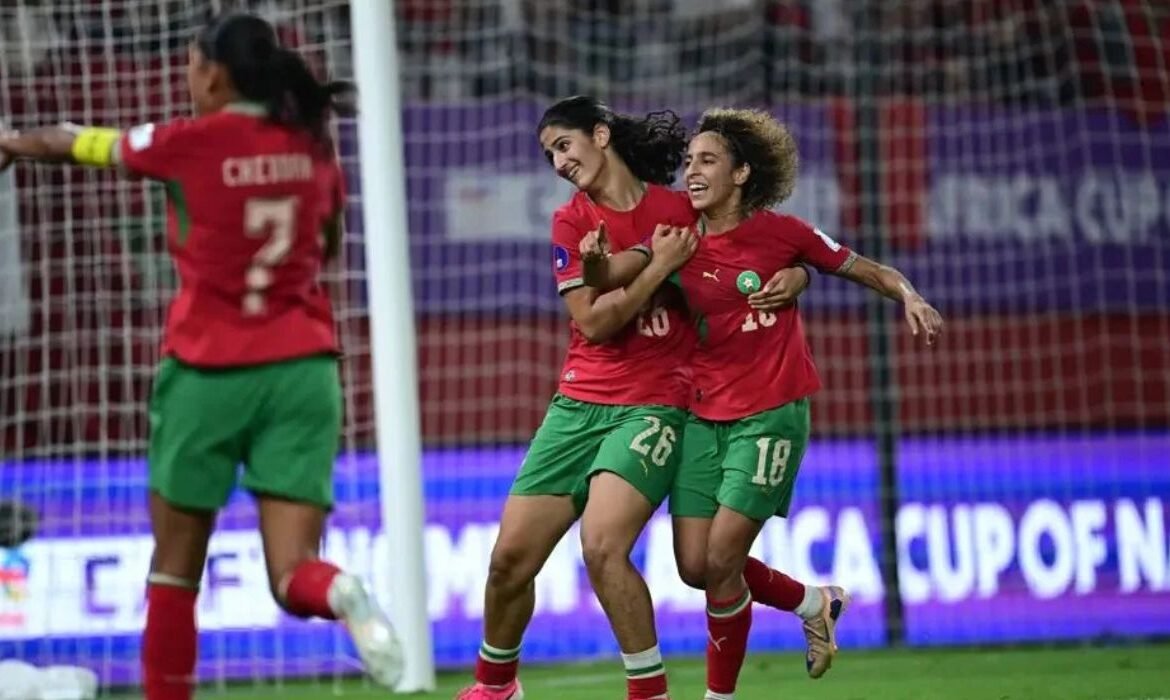
Morocco’s women’s national football team secured a valuable 1-0 victory over Algeria on Thursday, July 30, 2026, in the second matchday of the Women’s Africa Cup of Nations 2026.
Played at the Moulay El Hassan Stadium in Rabat, the North African derby saw the Atlas Lionesses claim another important win in front of their home fans. With two victories from two games, Morocco has taken a major step towards qualification for the quarter-finals.
Rabat celebrates another milestone for women’s football
The highly anticipated clash between Morocco and Algeria lived up to expectations as both teams fought for control of Group A. Backed by strong home support, the Atlas Lionesses showed determination and efficiency to secure maximum points.
The victory confirms Morocco’s growing influence in African women’s football. After reaching the final of the previous edition, the host nation continues to prove its ambition on the continental stage.
Morocco in a strong position before the knockout stage
With six points from their opening two matches, Morocco now sits in an ideal position in Group A. The result against Algeria brings the Atlas Lionesses closer to a place in the last eight of the competition.
Beyond the sporting challenge, WAFCON 2026 also highlights Morocco’s ability to host major international sporting events, with Rabat and other cities welcoming fans from across Africa.
Morocco Women’s AFCON 2026: Atlas Lionesses begin home campaign in style
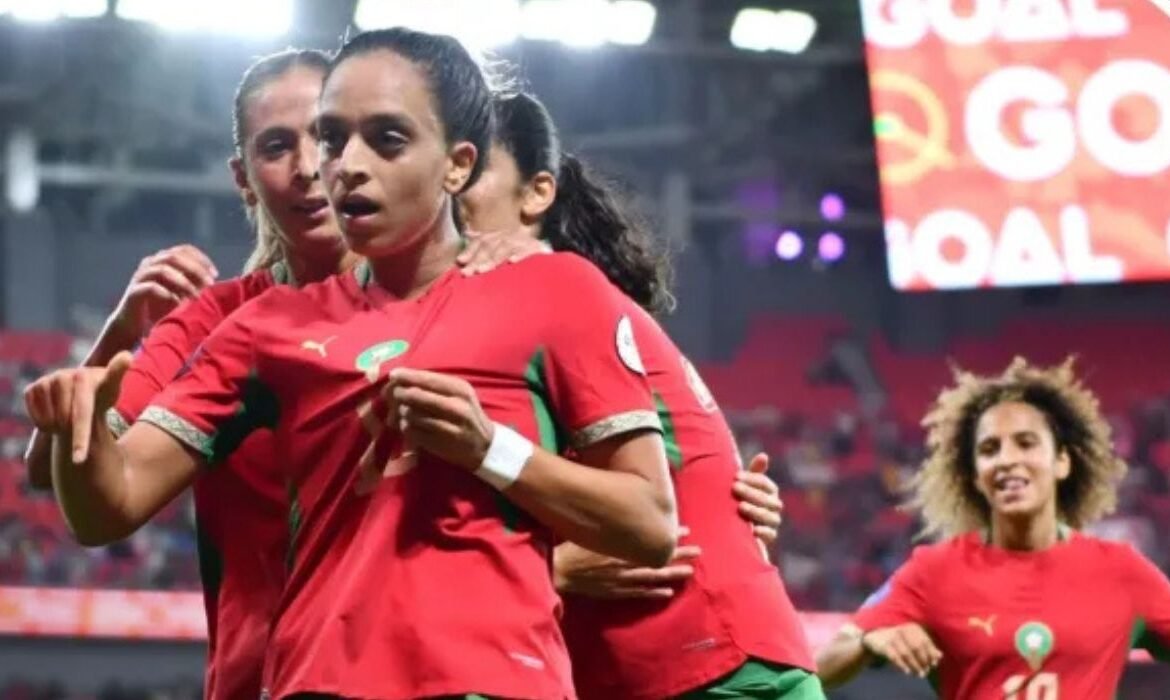
Morocco has made the perfect start to its journey at the Women’s Africa Cup of Nations 2026. Playing in front of their home supporters, the Atlas Lionesses delivered a convincing performance on Sunday, July 26, defeating Kenya 4-0 in their opening Group A match at the Prince Moulay El Hassan Stadium in Rabat.
From the first whistle, Jorge Vilda’s side showed their ambitions in a tournament they hope to win on home soil. Morocco quickly took control of the game and found the breakthrough in the 19th minute through Sanae Ouzraoui, giving the hosts the ideal start.
The Atlas Lionesses continued to dominate and doubled their advantage in the 28th minute when Mariam Atiq found the back of the net. Just three minutes later, Ibtissam Jraidi added a third goal to put Morocco in a commanding position before the break. The Moroccan striker completed her brace shortly after the restart, scoring the team’s fourth goal in the 47th minute and sealing a memorable opening victory for the hosts.
A strong statement from the tournament hosts
With this impressive success, Morocco joins Algeria at the top of Group A. The North African rivals both collected three points after winning their opening matches, setting up a highly anticipated derby clash on July 30 in Rabat.
For the Atlas Lionesses, this victory represents an important first step in their quest for a historic continental title. After finishing runners-up in the last two editions of the Women’s AFCON, Morocco is determined to go all the way this time and lift the trophy in front of its home fans.
The 2026 tournament, hosted across Morocco from July 26 to August 16, is expected to be a major celebration of African women’s football, with the Atlas Lionesses aiming to write a new chapter in the country’s sporting history.
Morocco–Benin: King Mohammed VI sends a special message to President Romuald Wadagni
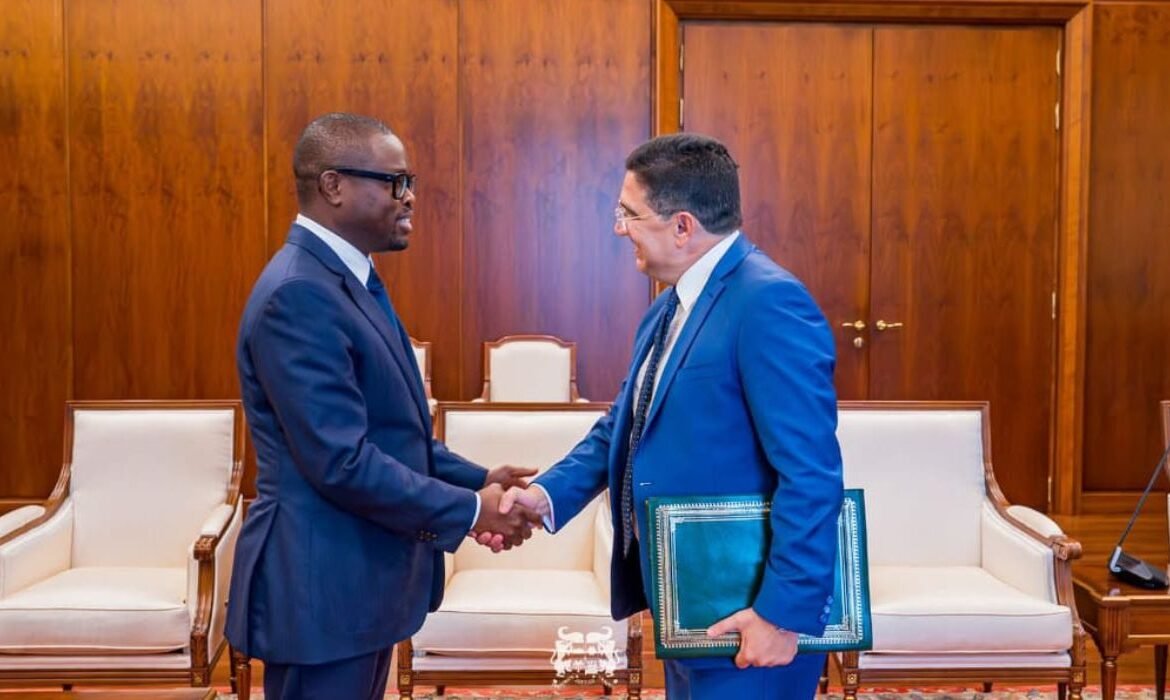
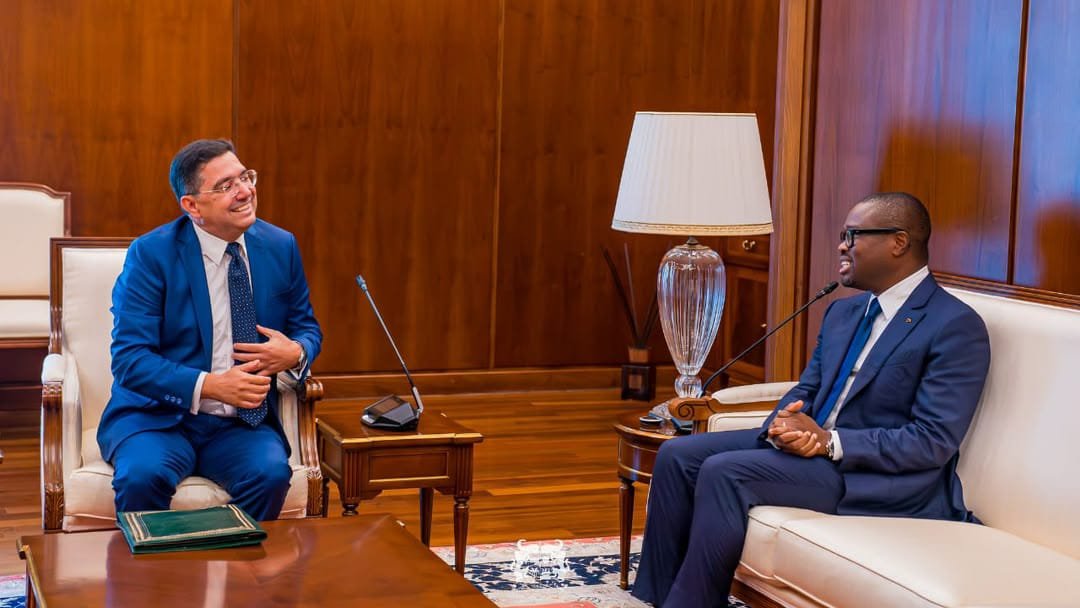
COTONOU, Benin – Morocco and Benin have reaffirmed their commitment to strengthening bilateral cooperation after Moroccan Foreign Minister Nasser Bourita delivered a special message from King Mohammed VI to Benin’s President Romuald Wadagni during an official visit to Cotonou. The meeting, held at the Marina Presidential Palace on Tuesday, took place on the sidelines of the 7th Morocco–Benin Joint Cooperation Commission, underscoring the growing strategic partnership between Rabat and Cotonou.
Royal message reinforces close ties
Following the audience, Bourita said he conveyed the Moroccan King’s fraternal greetings to President Wadagni and reiterated Morocco’s determination to further expand cooperation with Benin. The Moroccan minister also congratulated the Beninese authorities on the successful conduct of the country’s recent elections and praised Benin’s economic performance, describing it as a model of stability and resilience in West Africa.
The visit highlighted the strong political relations maintained between the two countries, which have continued to deepen through regular high-level exchanges.
Stronger economic cooperation on the agenda
Economic cooperation featured prominently during the discussions, with both sides expressing their ambition to give fresh momentum to bilateral relations. According to Bourita, Morocco and Benin aim to increase private-sector participation, strengthen collaboration between sectoral ministries and launch high-impact development projects capable of generating new economic opportunities for both nations. The renewed partnership is expected to build on the longstanding friendship between Rabat and Cotonou while promoting investment, trade and sustainable development.
Shared commitment to regional security
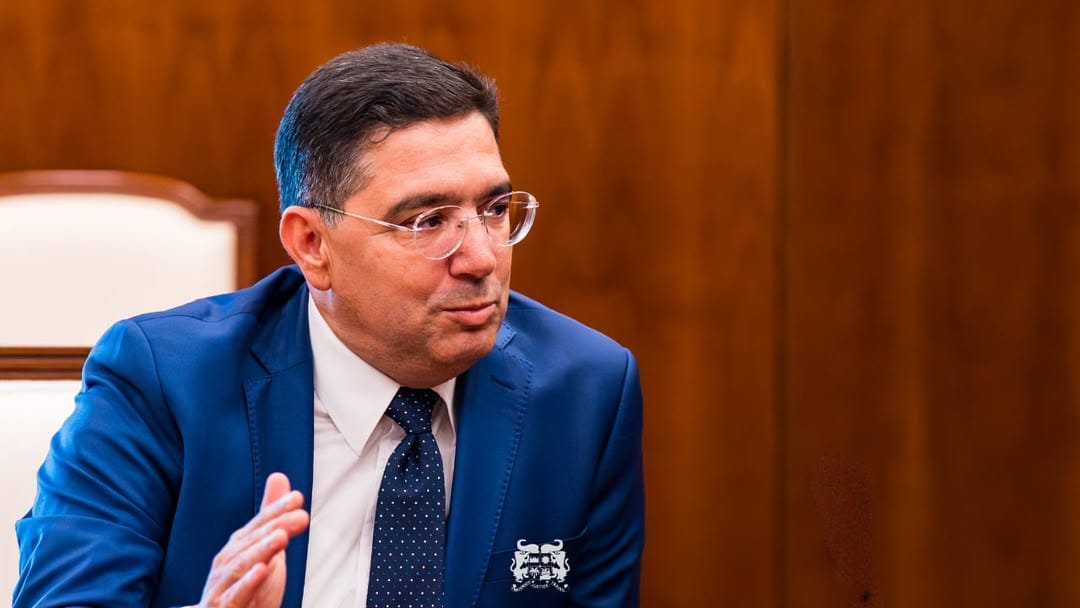
Regional security was another major topic of discussion, particularly the deteriorating situation in the Sahel. Bourita said the two leaders exchanged views on terrorism and regional instability, stressing the importance of closer African coordination to address shared security challenges. Morocco and Benin agreed on the need to enhance consultation and cooperation to promote peace, stability and security across West Africa and the wider Sahel region.
Partnership set to reach a new level
The meeting reflects the shared ambition of King Mohammed VI and President Romuald Wadagni to elevate Morocco–Benin relations through stronger diplomatic, economic and security cooperation. As both countries seek to expand their influence and partnerships across Africa, Tuesday’s discussions marked another step toward a more comprehensive strategic alliance capable of addressing regional challenges while creating new opportunities for development.
WAFCON 2026: Morocco ready for the celebration—schedule, kick-off times, and details
The countdown is officially on. With just days to go before kick-off, the official schedule and match times for the 2026 Women’s Africa Cup of Nations (WAFCON) have been confirmed, as Morocco prepares to host the largest edition in the tournament’s history.
Running from July 26 to August 16, 2026, the continental showpiece will bring together 16 national teams for the first time ever, marking a new era for women’s football in Africa. Matches will be staged in Rabat and Casablanca, with both the opening match and the final taking place in the Moroccan capital.
Morocco Opens Its Campaign on Home Soil
The tournament will kick off on Sunday, July 26, at 6:00 p.m. local time (5:00 p.m. GMT) at the Olympic Stadium in Rabat, where Algeria will face Senegal in the opening fixture.
Host nation Morocco will then make its highly anticipated debut later that evening, taking on Kenya at 9:00 p.m. local time (8:00 p.m. GMT) at the Moulay El Hassan Stadium.
Backed by passionate home support, the Atlas Lionesses will aim to begin their quest for a first continental title in front of their fans.
More Than an African Title at Stake
The stakes are particularly high at this year’s tournament. Alongside the coveted African championship trophy, teams will compete for qualification to the 2027 FIFA Women’s World Cup in Brazil.
The eventual champions will also receive a US$1 million prize, underlining the growing investment and prestige of women’s football across the continent.
Key Dates to Remember
The group stage promises several blockbuster encounters, including Nigeria vs Zambia on August 1 and Ghana vs Cameroon on August 2.
The knockout phase begins with the quarter-finals on August 8 and 9, followed by the semi-finals in Rabat on August 12.
On August 13, Casablanca will host the crucial World Cup qualification play-off matches for the losing quarter-finalists, while the third-place match is scheduled for August 15 at the Olympic Stadium in Rabat.
The tournament will culminate on Sunday, August 16, when the final kicks off at 8:00 p.m. local time in Rabat, where Africa’s new champions will be crowned.
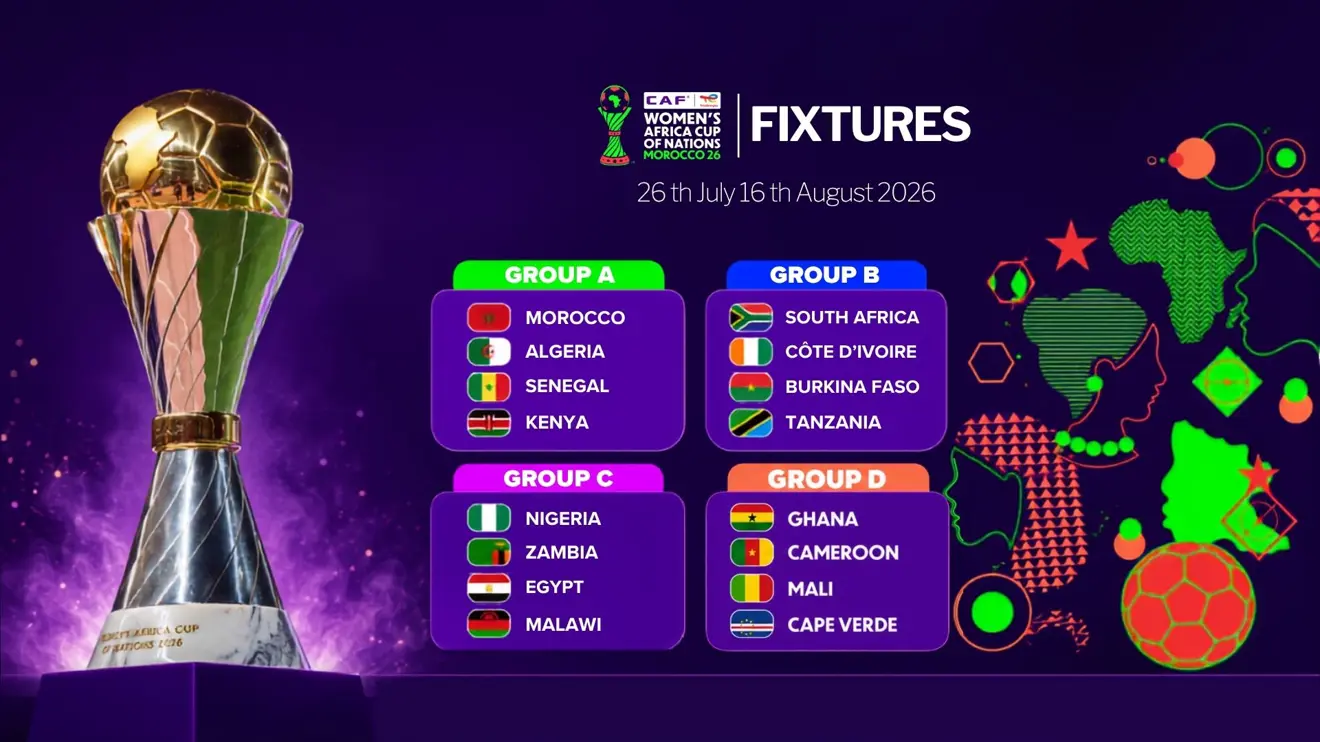
Group Stage Draw
Group A (Rabat)
- Morocco
- Algeria
- Senegal
- Kenya
Group B (Casablanca)
- South Africa
- Côte d’Ivoire
- Burkina Faso
- Tanzania
Group C (Rabat)
- Nigeria
- Zambia
- Egypt
- Malawi
Group D (Casablanca)
- Ghana
- Cameroon
- Mali
- Cape Verde
A New Chapter for Morocco and African Women’s Football
Following the success of recent major international tournaments hosted by the Kingdom, Morocco is once again set to showcase its world-class sporting infrastructure and organizational expertise. With an expanded format, World Cup qualification on the line, and Africa’s top women’s teams competing for continental glory, WAFCON Morocco 2026 promises to be the biggest and most competitive edition in the history of the tournament.
Morocco finishes as africa’s best team at FIFA World Cup 2026
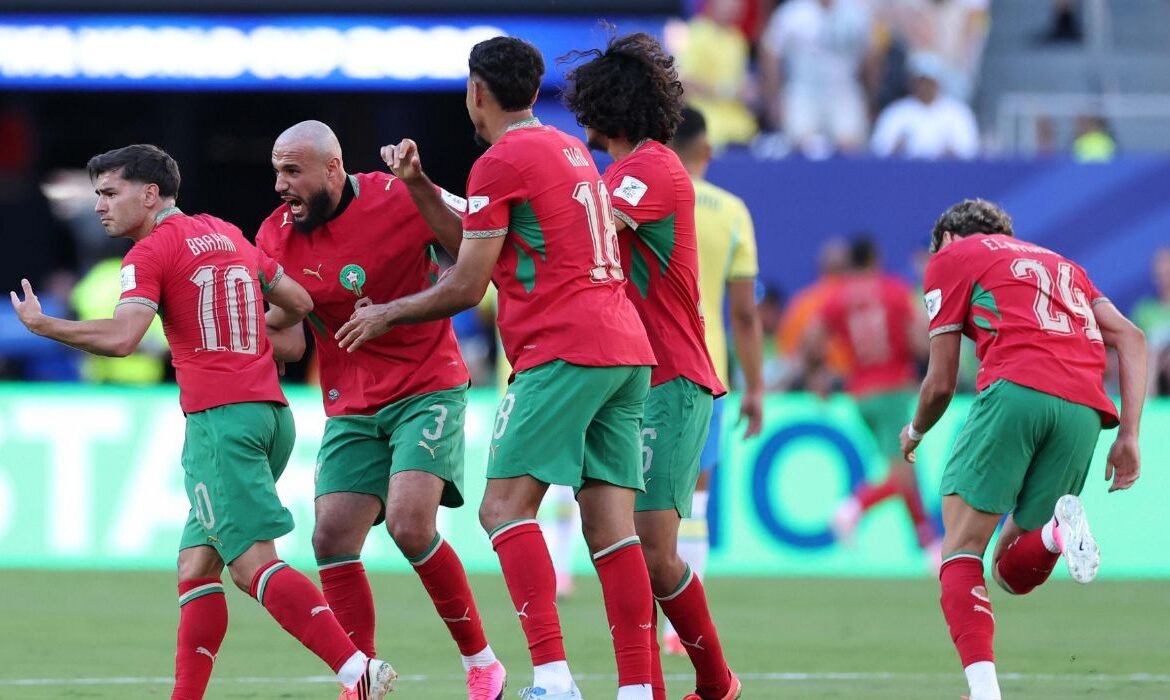
Although Spain lifted the FIFA World Cup 2026 trophy after edging Argentina 1-0 in the final, Morocco has every reason to celebrate its own remarkable campaign. The Atlas Lions ended the tournament in an outstanding seventh place, making them the highest-ranked African nation and reinforcing the Kingdom’s growing stature on the global football stage.
Hosted across the United States, Mexico and Canada, the first-ever 48-team FIFA World Cup concluded with Spain crowned world champions. But for Morocco, the competition marked another historic chapter, as the Atlas Lions once again demonstrated that their run to the semi-finals in Qatar 2022 was no coincidence.
Morocco Once Again Sets the Standard for African Football
Among the nine African nations that qualified for the tournament, Morocco delivered the continent’s strongest performance. A place in the quarter-finals secured the Atlas Lions a prestigious seventh-place finish in FIFA’s final standings, ahead of several traditional football powerhouses.
Only Spain, Argentina, England, France, Norway and Belgium finished above Walid Regragui’s side, highlighting Morocco’s consistency at the highest level of international football.
The final rankings also underline Africa’s growing influence on the global stage. Egypt impressed by finishing 15th, while Côte d’Ivoire (19th), DR Congo (23rd), Ghana (24th), South Africa (26th), Algeria (30th), Senegal (31st) and Cape Verde (32nd) completed the continent’s representation.
Another Milestone for Moroccan Football
Morocco’s latest World Cup campaign further strengthens the country’s reputation as one of football’s emerging global powers. Building on the historic achievements of recent years, the Atlas Lions have established themselves as regular contenders capable of competing with the world’s elite.
The seventh-place finish reflects the progress made by Moroccan football through sustained investment in infrastructure, youth development and sporting excellence—efforts that continue to position the Kingdom among the leading football nations beyond Africa.
Spain Claims the World Title
Spain were crowned FIFA World Cup 2026 champions after defeating defending champions Argentina 1-0 in the final. England secured third place following an entertaining 6-4 victory over France in the bronze medal match.
According to FIFA, the final standings were determined using points earned throughout the tournament, followed by goal difference and goals scored whenever teams were eliminated at the same stage.
A Landmark World Cup
The 2026 edition will be remembered as one of the most significant in football history. It was the first FIFA World Cup featuring 48 teams, produced a record-breaking 308 goals, and showcased the increasing competitiveness of nations from every continent.
For Morocco, however, the tournament will be remembered above all as another landmark achievement. Finishing seventh in the world and leading Africa once again confirms that the Atlas Lions have become one of international football’s most respected and consistent national teams.
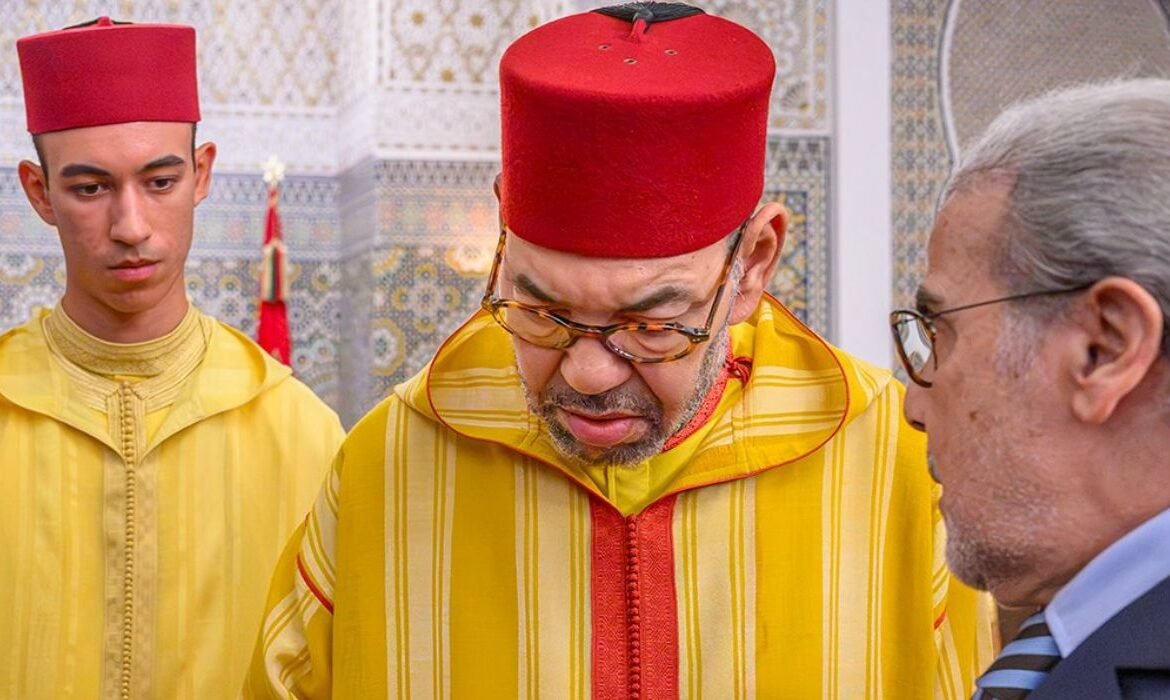
Morocco’s economic outlook remains positive, Bank Al-Maghrib tells King Mohammed VI
King Mohammed VI, accompanied by Crown Prince Moulay El Hassan, welcomed Bank Al-Maghrib Governor Abdellatif Jouahri to the Royal Palace in Tétouan on Monday, where the monarch received the central bank’s 2025 Annual Report on Morocco’s economic, monetary and financial performance. The annual royal audience highlights the close relationship between Morocco’s highest institutions and the country’s central bank, while showcasing the Kingdom’s continued economic resilience and long-term development ambitions.
Morocco Continues Its Economic Momentum
According to the report presented to the King, Morocco recorded 4.9% economic growth in 2025, driven primarily by strong investment, while average inflation remained remarkably low at 0.8%. Bank Al-Maghrib also continued its supportive monetary policy, reducing the benchmark interest rate to 2.25% and maintaining sufficient liquidity for the banking sector while encouraging financing for small businesses.
The report also noted continued improvements in Morocco’s public finances, with the budget deficit falling to 3.5% of GDP, alongside stronger foreign exchange reserves totaling 443 billion dirhams, equivalent to nearly five and a half months of imports.
Building a More Inclusive and Sustainable Morocco
While acknowledging the Kingdom’s positive economic trajectory, Jouahri stressed that future growth should benefit all Moroccans more broadly. He highlighted the importance of creating more jobs, reducing social inequalities, strengthening education and vocational training, encouraging greater private-sector participation and continuing structural reforms to support sustainable development.
The governor also pointed to strategic priorities including accelerating the energy transition, improving water resource management in response to climate change and advancing Morocco’s regional development agenda.
A Symbolic Commemorative Coin
During the audience, Abdellatif Jouahri also presented King Mohammed VI with a solid gold commemorative coin issued by Bank Al-Maghrib to celebrate the first anniversary of « Aid Al Wahda. » The commemorative piece reflects Morocco’s tradition of marking significant national milestones while showcasing the country’s rich numismatic heritage.
Tétouan Remains a Royal and Institutional Landmark
The audience once again placed Tétouan at the heart of Morocco’s institutional life. Frequently hosting official royal engagements, the northern city continues to embody the Kingdom’s blend of history, governance and cultural heritage. For visitors seeking to discover Morocco beyond its iconic tourist destinations, Tétouan offers a unique gateway into the country’s royal traditions, architectural beauty and modern institutional landscape.