Morocco: Official squad list for the 2026 Women’s AFCON on home soil
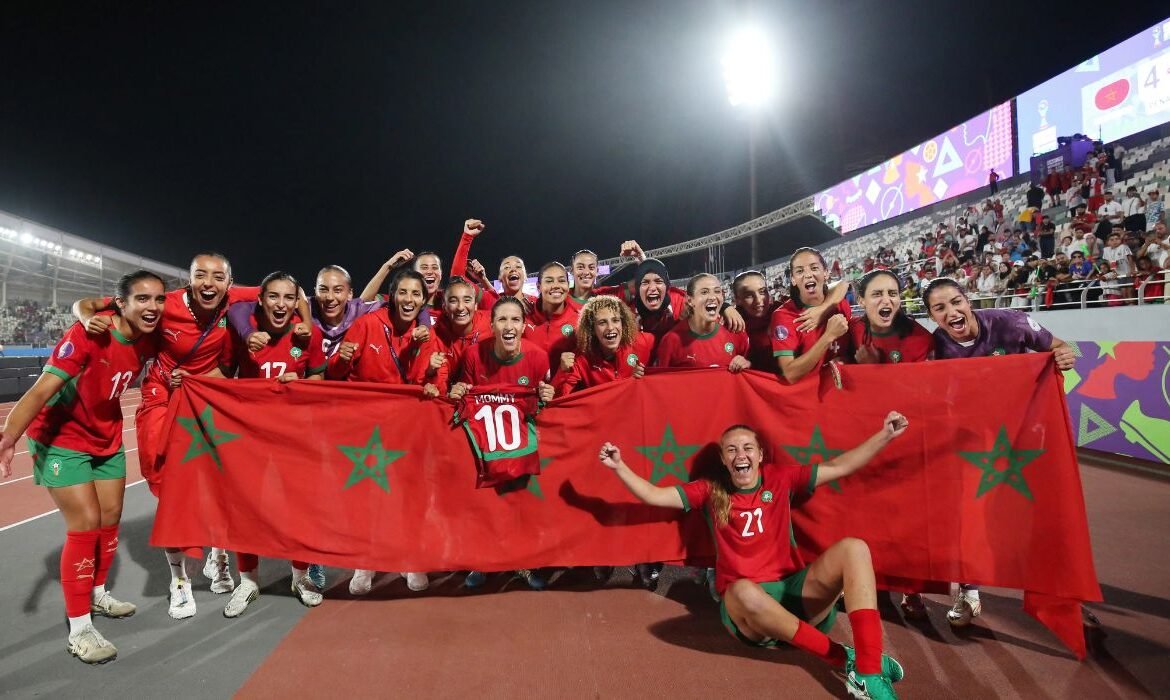
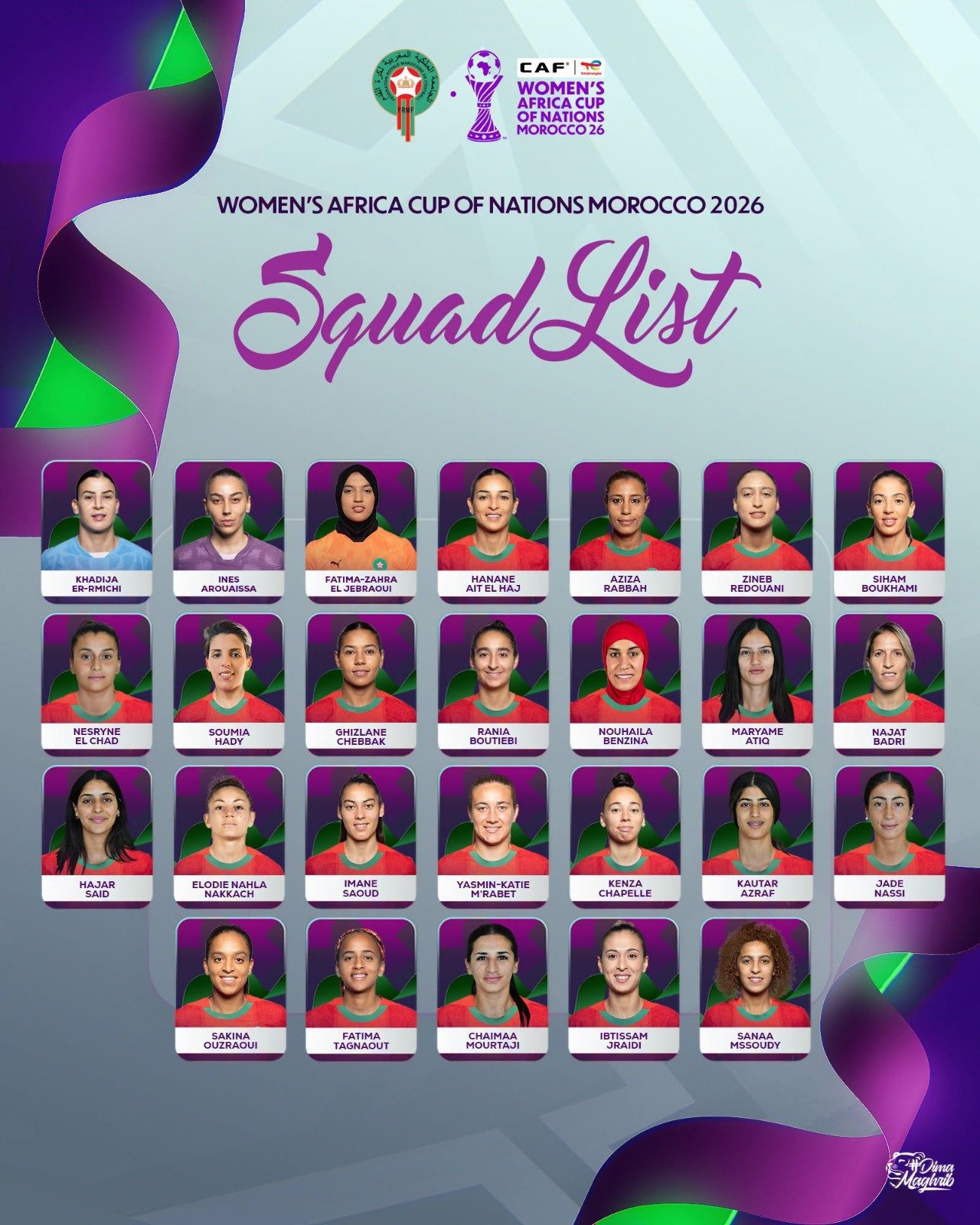
Morocco head coach Jorge Vilda has named his 26-player squad for the 2026 Women’s Africa Cup of Nations (WAFCON), with the Atlas Lionesses aiming to finally lift the continental title on home soil. Hosts Morocco will welcome Africa’s best teams from July 26 to August 16, with the final set to take place in Rabat. After finishing runners-up in the last two editions, also held at home, the Atlas Lionesses are determined to go one step further.
Vilda has retained the core of his experienced squad, led by 2025 African Women’s Player of the Year Ghizlane Chebbak, Fatima Tagnaout and prolific striker Ibtissam Jraidi, who has scored five goals in six international appearances in 2026.
Barcelona teenager earns first WAFCON call
The biggest talking point is the inclusion of 18-year-old Barcelona forward Kautar Azraf, who is set to make her Women’s Africa Cup of Nations debut after earning her first senior call-up earlier this year.
Defender Hajar Said (Paris FC), Jade Nassi (Le Havre), as well as experienced duo Chaimaa Mourtaji and Maryame Atiq also return to the squad.
Meanwhile, Hind Hasnaoui, Sabah Seghir, Salma Bouguerch, Anissa Lahmari, Sarah Kassi, Méné El Ghazouani and Kenza Chapelle have all been left out compared to the squad that reached last year’s final.
Tough Group A challenge
Morocco have been drawn in a competitive Group A alongside Kenya, Algeria and Senegal.
The Atlas Lionesses will open their campaign against Kenya on July 26 before facing regional rivals Algeria on July 30 and Senegal on August 3. All three matches will be played at the Moulay El Hassan Stadium in Rabat.
Morocco head into the tournament unbeaten in 2026, having recorded five wins and three draws in their friendly matches. Their preparations included a 4-2 victory over Benin before a goalless draw against New Zealand in June.
With an experienced squad and home support behind them, the Atlas Lionesses will be hoping the third time proves lucky as they chase a first-ever Women’s Africa Cup of Nations title.
Morocco FA backs Mohamed Ouahbi and steps up preparations for 2030 World Cup
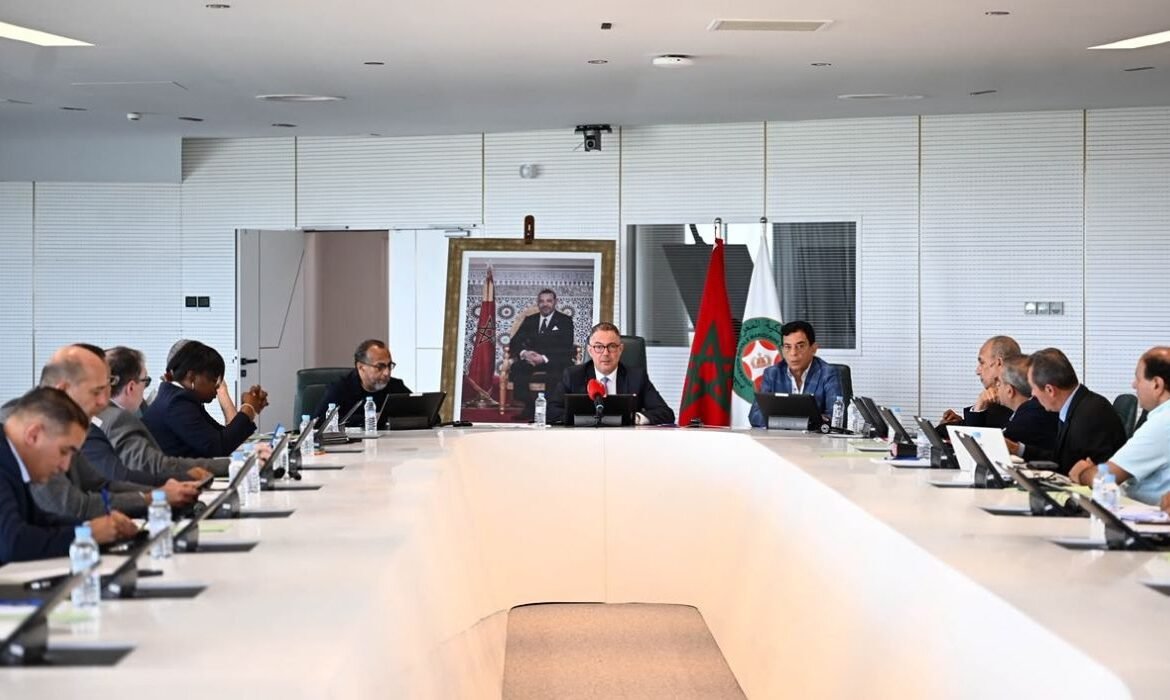
The Royal Moroccan Football Federation (FRMF) has reaffirmed its confidence in head coach Mohamed Ouahbi while outlining an ambitious roadmap towards the 2030 FIFA World Cup, which Morocco will co-host alongside Spain and Portugal.
Meeting on Thursday, July 16, under the chairmanship of FRMF President Fouzi Lekjaa, the federation’s Executive Committee reviewed Morocco’s 2026 World Cup campaign and discussed preparations for the historic 2030 tournament.
Lekjaa sets sights on 2030
Opening the meeting, Lekjaa stressed the need to mobilize every stakeholder in Moroccan football to ensure the successful organization of the 2030 World Cup. He described the tournament as a national strategic project aligned with the vision of King Mohammed VI, calling for close coordination between the Morocco 2030 Foundation, the FRMF and the country’s national and regional leagues.
The federation also urged the leagues to modernize their structures and working methods so they can play an active role in delivering a successful World Cup and leave a lasting legacy for Moroccan football.
Morocco’s World Cup campaign praised
The Executive Committee described the Atlas Lions’ performance at the 2026 FIFA World Cup as « positive and honorable » after the team reached the quarter-finals before being eliminated by France. FRMF officials hailed the campaign as further evidence of Morocco’s steady rise on the international stage, following its historic semi-final appearance at the 2022 World Cup.
The federation noted that the achievement reflects years of sustained investment and development, highlighting Morocco’s rise from 84th in the FIFA rankings in 2018 to sixth in the world. Officials also pointed out that Morocco’s path in the tournament included several matches against teams ranked among the world’s top ten.
FRMF dismisses rumours
The Executive Committee also condemned what it described as false information and rumours circulated after Morocco’s quarter-final defeat to France. Lekjaa defended the commitment and professionalism of the national team players, insisting they represented the country with determination throughout the tournament.
He added that the federation had provided the squad with the best possible preparation, including logistical and moral support for players’ families during the competition. The FRMF called for greater responsibility in protecting the national team’s environment from misinformation that could affect its stability and performances.
Ouahbi retains federation’s confidence
At the end of the meeting, the Executive Committee officially confirmed Mohamed Ouahbi as head coach of the Atlas Lions. By renewing its trust in the 49-year-old coach, the FRMF reaffirmed its commitment to continuity as Morocco looks to remain among the world’s leading football nations while preparing for future continental competitions and the 2030 FIFA World Cup on home soil.
Morocco is preparing a “prestigious friendly match” for September 2026
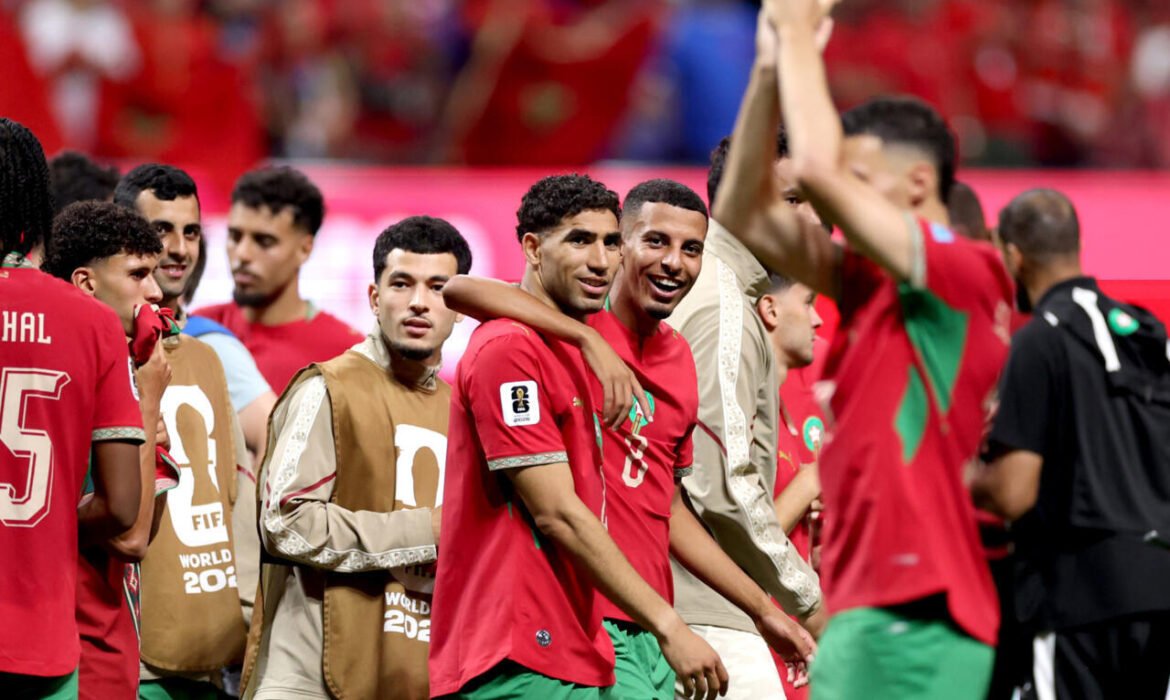
Despite Morocco’s elimination in the quarter-finals of the 2026 FIFA World Cup after a 2-0 defeat to France, head coach Mohamed Ouahbi has no intention of lowering the Atlas Lions’ ambitions. Instead, the Moroccan coach wants his team to continue competing against the best nations in the world and use upcoming international breaks to prepare for future challenges. Speaking at his World Cup review press conference on Tuesday, Ouahbi revealed that he has already requested a prestigious friendly match for the next international window in September 2026.
“I have asked for a high-profile match in September to continue being challenged. We need to play more friendly games that put us under pressure,” he said.
For Ouahbi, facing top-level opposition is essential to help Morocco maintain its progress after another historic World Cup campaign. The Atlas Lions reached the quarter-finals for the second consecutive edition, further confirming their status as one of Africa’s leading football nations.
The Moroccan coach believes regular encounters against elite teams will allow his squad to gain experience and continue closing the gap with the world’s best sides.
Morocco : Mohamed Ouahbi takes responsibility for World Cup exit, backs Atlas Lions’ future
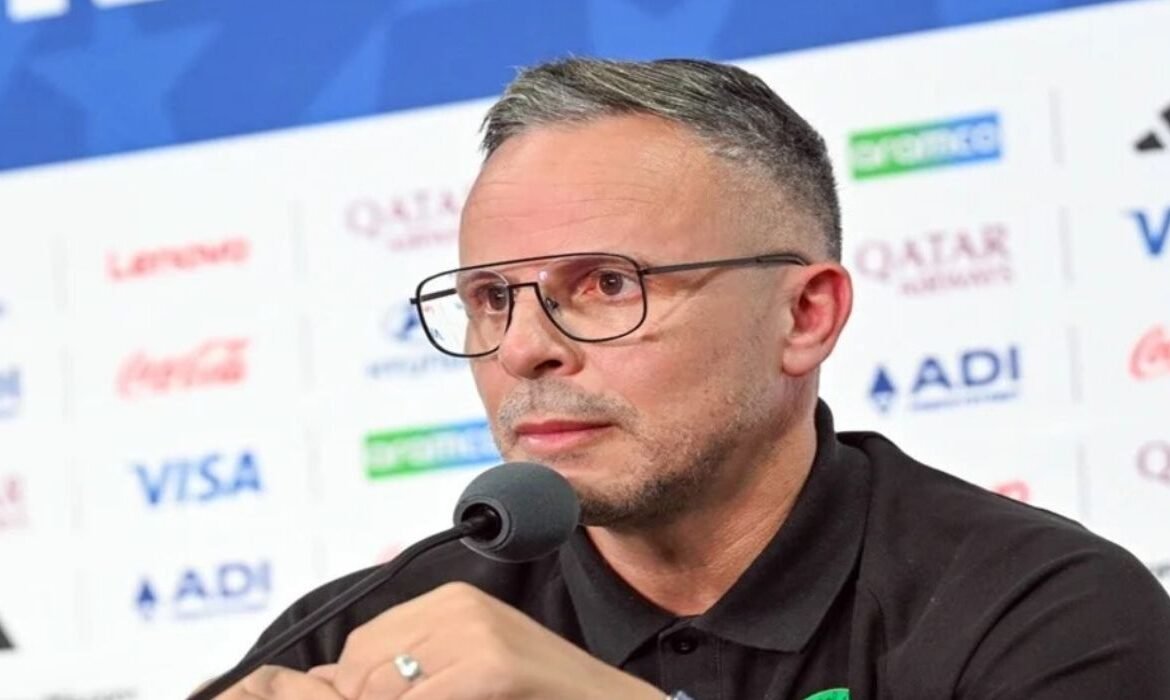
« We wanted to face France while staying true to our identity, but that didn’t happen. I take full responsibility for that, » the Morocco coach said.
Despite the disappointment, Ouahbi maintained that reaching the quarter-finals for the second consecutive World Cup confirms the progress of Moroccan football.
« The assessment does not stop with one match. We are satisfied with our World Cup in terms of our performances and the quality of our football. Our World Cup ended in the quarter-finals, but our ambition continues, » he said.
« We lacked our identity against France »
Ouahbi admitted his players failed to impose their usual style against the 2022 runners-up but rejected suggestions that Morocco approached the game with fear.
« Our game plan was exactly the same as it was against Brazil and the Netherlands. We changed nothing. The intentions were the same, » he explained.
« I never ask my team to sit back and defend. We simply lacked personality and maturity at certain moments. »
The Moroccan coach also praised France’s quality, describing Didier Deschamps’ side as one of the strongest teams in world football.
« I’m not asking myself how we could have beaten France. I don’t know which team could have. The real question is how we can make life much more difficult for them next time, and how we can do that in four years. »
According to Ouahbi, Morocco struggled to stretch the French defense and failed to create enough attacking depth.
Defending his squad selections
Ouahbi also dismissed criticism surrounding his squad selection, insisting the players he chose had earned their place after leading Morocco to another historic World Cup run.
« The players who were here made the country dream for five matches while producing some of the best football Morocco has ever played at a World Cup, » he said.
« It’s always easier after a defeat to say another player should have been selected. »
The coach acknowledged that one tactical decision against France did not produce the expected result but accepted full responsibility.
« The idea was there. It didn’t work, and I accept that. »
Building towards 2030
Ouahbi believes the tournament will serve as valuable experience for one of the youngest squads left in the competition after the Round of 16.
« We had the youngest team from the knockout stage onward. Many of these players will be even stronger in four years. »
His long-term objective is to establish Morocco among football’s elite rather than treating the country’s recent achievements as isolated successes.
« We want the 2022 achievement not to remain unique. Reaching another World Cup quarter-final shows Morocco is working in the right direction. »
He also recalled the difficult period following Morocco’s disappointing Africa Cup of Nations campaign, saying rebuilding confidence ahead of the World Cup had been a major challenge.
Coach dismisses speculation
Ouahbi used the press conference to deny reports that assistant coach Joao Sacramento could leave the national team setup.
« Those reports are completely false. He is very happy here, and we are very happy to have him. »
He also rejected speculation of tension with midfielder Sofyan Amrabat.
« If Amrabat had a problem with me, he would tell me directly. There has never been an issue. »
Regarding captain Achraf Hakimi, Ouahbi said fatigue was not the decisive factor against France despite the defender’s demanding schedule.
« It wasn’t really fatigue. We simply struggled to find a second wind. »
Eyes already on the future
While acknowledging there is room for improvement, Ouahbi warned against making drastic changes after a single defeat.
« What I don’t like is when you reach the quarter-finals against France and people suddenly want to change everything. That would send the wrong message. »
The coach revealed he has already requested a high-profile friendly in September to continue testing his squad against top opposition.
« We want to be challenged. »
Ouahbi concluded by reaffirming his commitment to Morocco’s long-term project.
« The future will decide how long I stay, God willing. For now, I’m here and fully committed to continuing what we have started. »
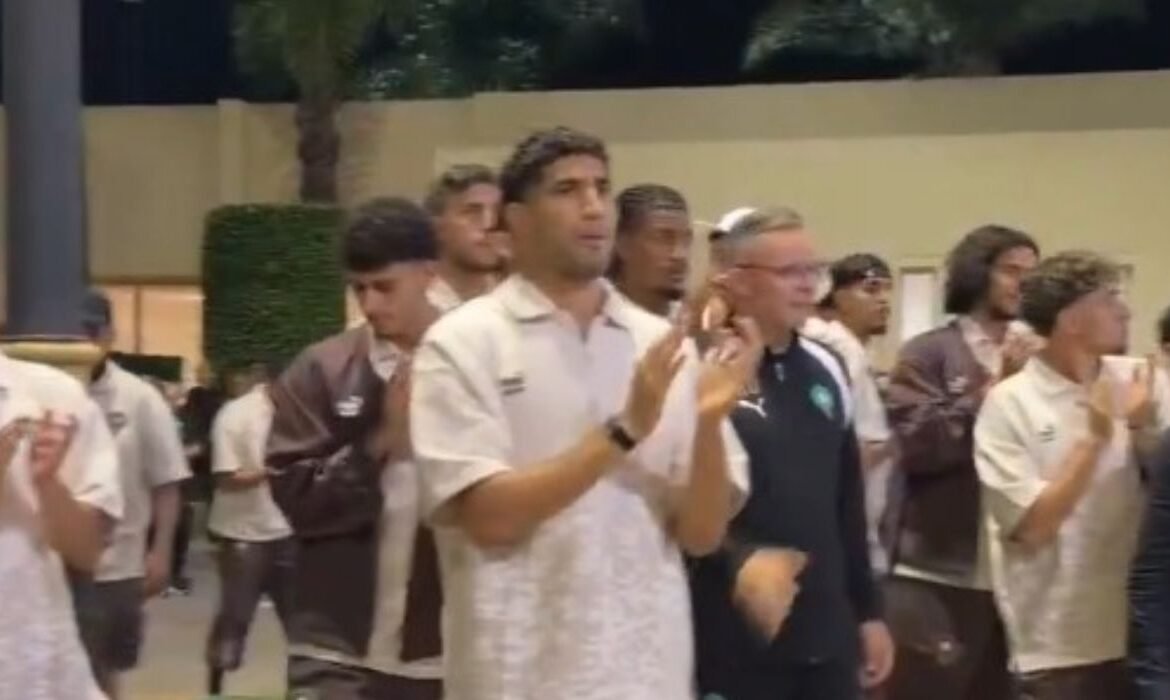
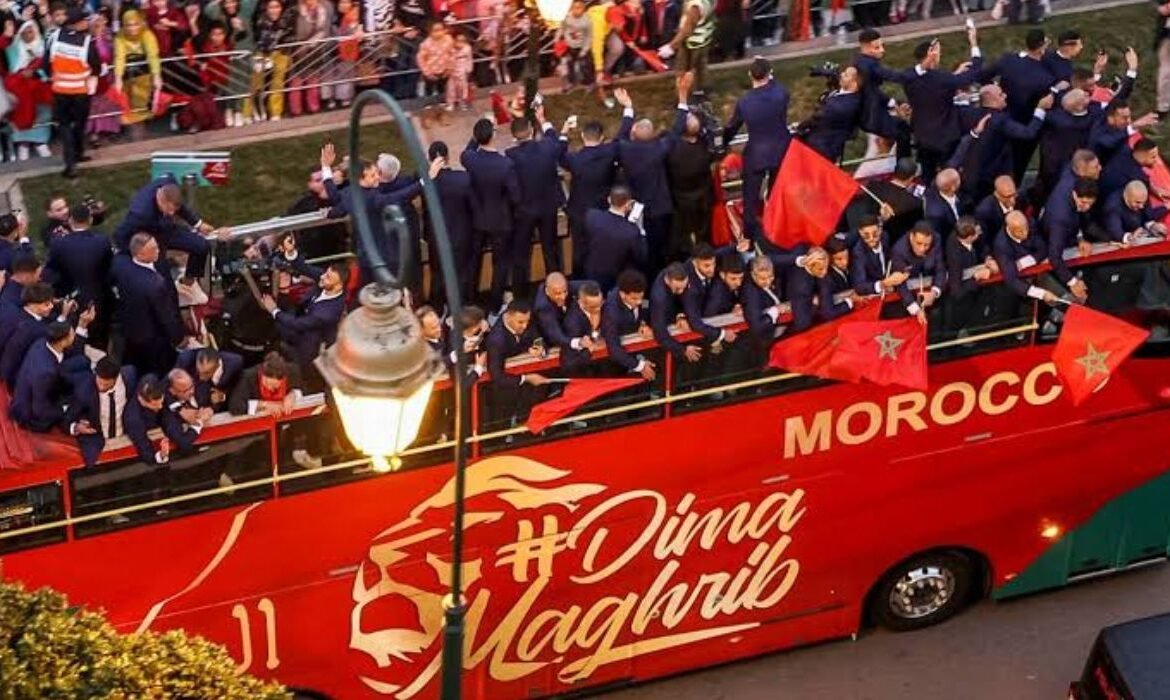
Morocco: The Atlas Lions return home after another remarkable run at the 2026 World Cup
Morocco is preparing to celebrate the return of its national football team following an impressive campaign at the 2026 FIFA World Cup. The Royal Moroccan Football Federation has announced that the Atlas Lions are expected to arrive at Rabat–Salé Airport in the early hours of Sunday, July 12, after departing from Boston, USA.
Led by head coach Mohamed Ouahbi, the Moroccan side saw its remarkable journey come to an end in the quarter-finals with a 2–0 loss to France. Nevertheless, the team returns home having once again etched its name into football history as the only African and Arab nation to reach the last eight of the tournament.
The achievement builds on Morocco’s groundbreaking semi-final appearance at the 2022 World Cup in Qatar, further establishing the Kingdom as one of Africa’s football powerhouses and a respected force on the world stage.
Supporters from across the country are expected to give the players a rousing welcome, celebrating a squad whose performances continue to inspire pride and highlight the enduring rise of Moroccan football.
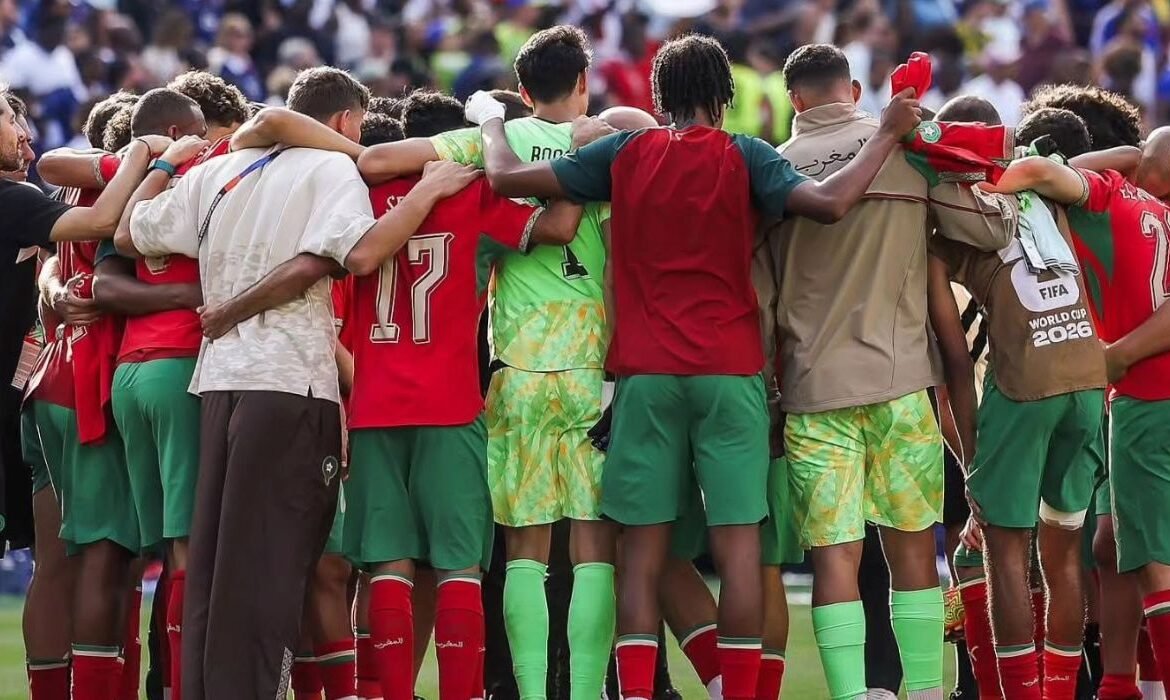
Morocco: 2026 World Cup journey ends in the quarter-finals
Morocco’s run at the 2026 FIFA World Cup came to an end after a 2-0 defeat to France in the quarter-finals, bringing another memorable campaign for the Atlas Lions to a close.
After a balanced first half, Kylian Mbappé opened the scoring in the 60th minute before Ousmane Dembélé added a second six minutes later to send France into the semi-finals.
Although eliminated, Morocco once again demonstrated why it remains one of Africa’s football powerhouses. The Atlas Lions reached the last eight after an impressive tournament, confirming the progress they have made since their historic semi-final appearance at the 2022 World Cup.
Throughout the competition, Morocco displayed tactical discipline, resilience, and attacking quality against some of the world’s strongest teams, earning admiration from fans across Africa and beyond.
While their quest for a first World Cup semi-final since 2022 falls short this time, the Atlas Lions leave the tournament with pride, having once again represented African football with distinction on the global stage. Their quarter-final finish further cements Morocco’s place among the world’s elite national teams and reinforces the country’s growing influence in international football.
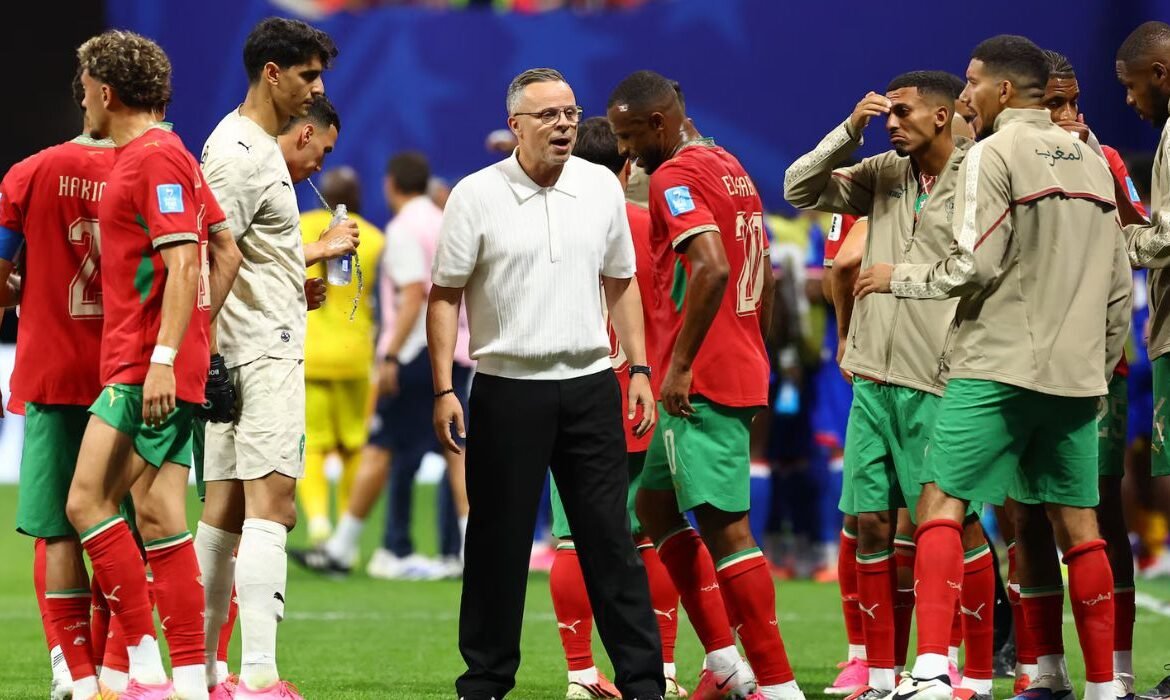
France vs. Morocco: Time and TV channel for the 2026 World Cup clash
France and Morocco are set for another blockbuster encounter as they meet in the 2026 FIFA World Cup quarter-finals on Thursday, July 9, rekindling one of the tournament’s most memorable recent rivalries. The two sides face each other four years after their historic 2022 World Cup semi-final in Qatar, where France secured a 2-0 victory to end Morocco’s remarkable run.
This time, the Atlas Lions will be aiming for revenge and another historic achievement as they continue their impressive campaign. France, meanwhile, is chasing a place in the semi-finals and remains on course to win a third FIFA World Cup title.
France vs Morocco: Match Details
- Date: Thursday, July 9, 2026
- Kick-off: 20:00 GMT
- Venue: Gillette Stadium, Foxborough (Boston, USA)
Where to Watch
The quarter-final will be broadcast live across several African broadcasters, including NCI, RTI Group channels, New World TV, and beIN SPORTS.
In Benin, fans will also be able to watch the match live on SRTB’s Bénin TV.
With a place in the World Cup semi-finals at stake, another chapter is set to be written in one of international football’s most compelling modern rivalries.
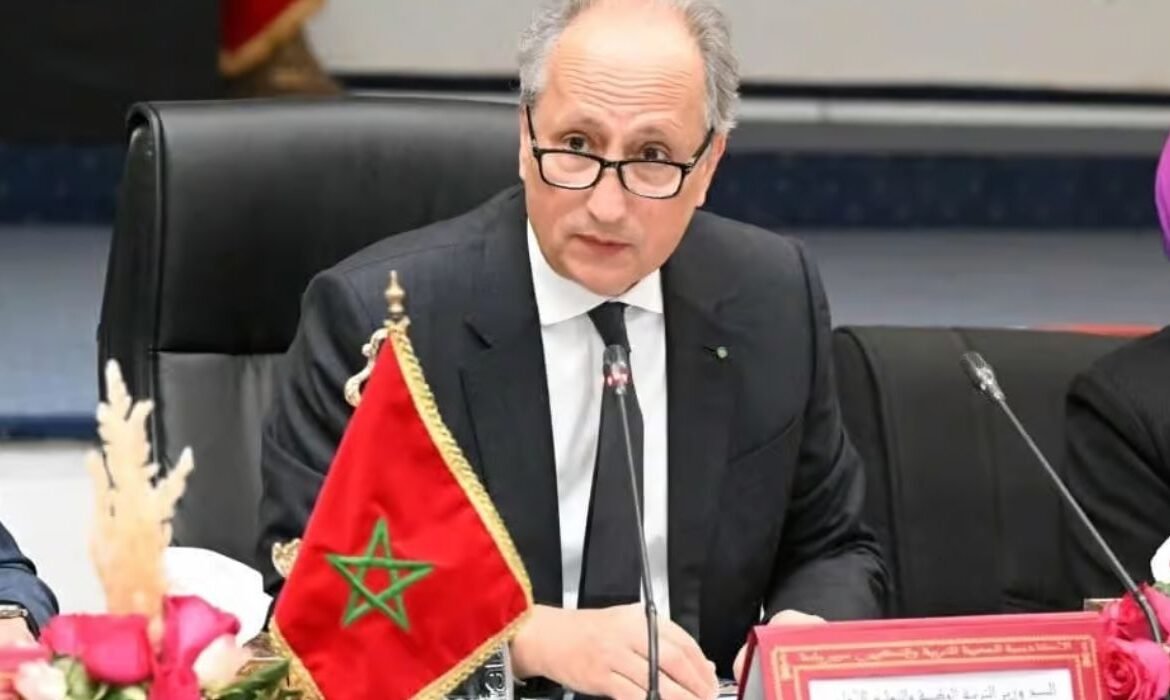
Morocco denies remarks attributed to Mohamed Berrada and reaffirms its commitment to Africa
As Morocco continues its impressive journey at the 2026 FIFA World Cup, the Moroccan government has officially dismissed false statements circulating on social media that were wrongly attributed to Mohamed Saad Berrada, the Minister of National Education, Preschool and Sports.
The controversy emerged at a time when the Atlas Lions are once again capturing global attention with another outstanding World Cup campaign. Several social media posts and online platforms claimed that the minister had allegedly said that « Morocco does not represent Africa, » that « the national football team represents only Morocco, not Africa, » and that « Morocco does not need Africa’s support. »
The Ministry has categorically denied these claims, describing them as completely fabricated and without any factual basis.
According to the official statement, Minister Berrada has never made such remarks and has not given any media interview on the subject. The Ministry stressed that the statements do not reflect either the minister’s views or the official position of the Kingdom of Morocco.
Beyond denying the misinformation, the government reaffirmed Morocco’s deep African identity. The statement emphasized that the Kingdom remains proud of its African roots and highlighted the historic, cultural and human ties that connect Morocco with the rest of the African continent.
The clarification comes as Morocco enjoys another memorable World Cup campaign, strengthening its reputation as one of international football’s emerging powers after its historic semifinal appearance in Qatar in 2022. The Atlas Lions’ performances have once again inspired millions of supporters across Africa and beyond.
Authorities also urged journalists, media outlets and social media users to verify information before publishing it, warning that legal action could be taken against those responsible for spreading false statements or attributing fabricated quotes to public officials.
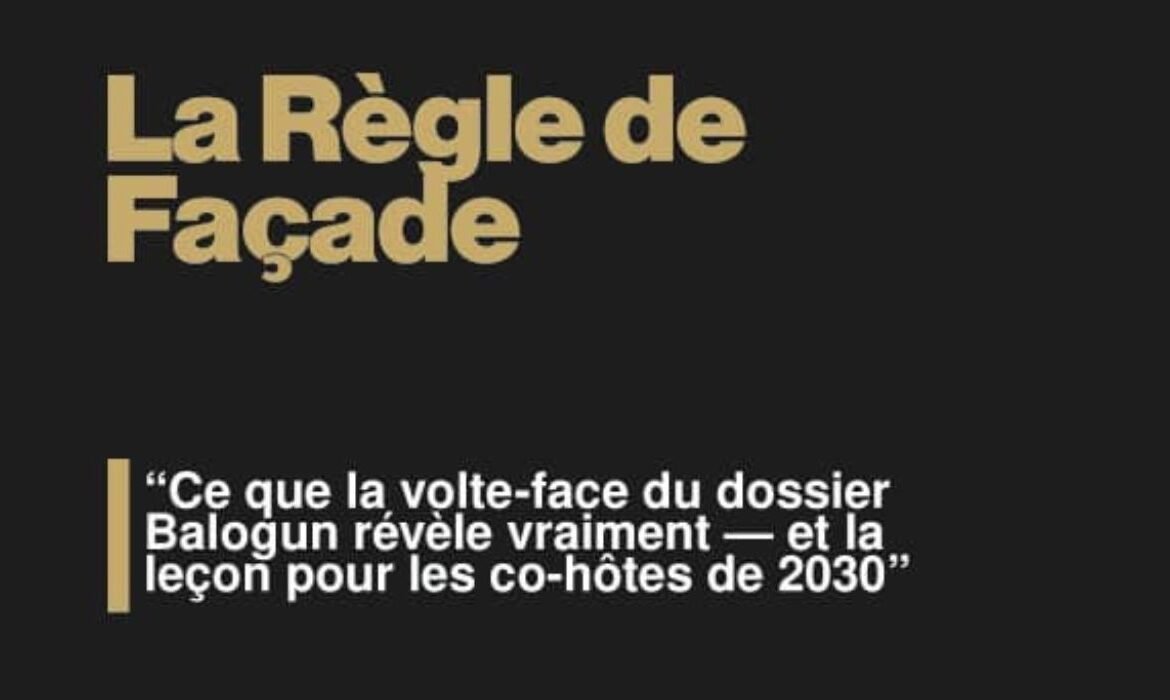
NEW REPORT | THE PLACEHOLDER RULE – THE AFRICAN ADVANTAGE
When a rule that is supposed to be « automatic » stops being applied automatically to certain teams, it is no longer just a sporting decision. It becomes a matter of governance, transparency, and fairness.
Through this report, Quick-Witted Management (QWM) provides an in-depth analysis of the Balogun case during the 2026 FIFA World Cup and what it reveals about the governance mechanisms of world football.
Beyond a single match incident, this document highlights several major issues:
– the application of international regulations;
– the credibility of sports institutions;
– political influence in major competitions;
– and, above all, the strategic lessons for Africa as the 2030 FIFA World Cup approaches.
This report is intended for governments, football associations, policymakers, investors, media professionals, and everyone who believes that sport is also a powerful tool for diplomacy, governance, and development.
We invite you to read it, share it, and contribute to the discussion with sound arguments, factual evidence, and a forward-looking perspective.
Because major competitions do more than crown champions. They also reveal how the institutions that organize them truly operate.
Free download. Enjoy the read.
https://theafricanadvantage.com/product/prod_01KWWWQYBK9F3QRQEHFF27GTSQ