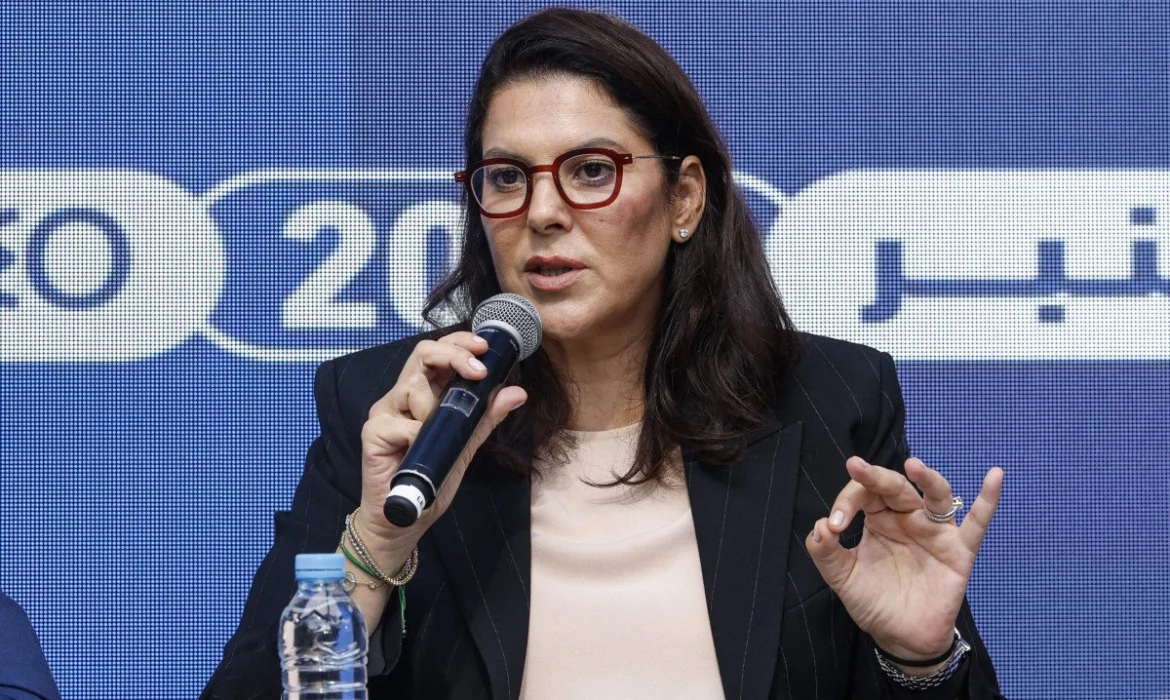
Challenged under an incorrect title in the House of Representatives, Fatima Ezzahra El Mansouri firmly shut down opposition MPs. This Moroccan parliamentary exchange is generating widespread coverage across the international press.
A verbal exchange in the Moroccan Parliament has crossed the Kingdom’s borders and made waves in international media. On 22 October 2026, during a session in the House of Representatives, Head of Government Fatima Ezzahra El Mansouri immediately corrected an opposition MP who repeatedly addressed her using the masculine title of head of government. Confidently reminding her counterpart of her official title, the leader asserted that he would have to get used to it. This incisive and symbolic intervention instantly set social media alight before being widely picked up and analyzed by foreign press outlets, particularly in Italy where major dailies such as La Repubblica and Open devoted detailed reports to the event.
A committed speech in favour of Moroccan women’s empowerment
Beyond the procedural correction issued to Justice and Development Party MPs, Fatima Ezzahra El Mansouri used the platform to deliver a powerful plea for women’s rights. Responding to conservative views on the role of women in society, the Head of Government affirmed that she was not a mere decorative object, but a brain, a conscience, and a set of convictions serving the nation. She strongly denounced the double standard of certain political leaders, highlighting the reality of widows and divorced women who struggle daily to support their households alone. This address, applauded in the chamber, adds major social resonance to her political action.
A historic trajectory for the first female Head of Government
The international impact of this event is also explained by the leader’s pioneering journey. A former lawyer and the first female mayor of Marrakech in 2009, Fatima Ezzahra El Mansouri became, on 29 September 2026, the first woman to lead the Moroccan government following her party’s victory in the parliamentary elections. By clearly reasserting her authority from the parliamentary podium, she marks a highly symbolic milestone in the Kingdom’s contemporary political history and embodies the evolution of female leadership within state institutions.