The African Advantage: The 2026 World Cup signals a new strategic era for African football
The FIFA World Cup 2026 is emerging as more than just a sporting event for African football. It is becoming a milestone that reflects a deeper structural shift: Africa is no longer only participating in global football dynamics, it is actively reshaping them.
Across the tournament, African national teams have delivered a level of performance that reflects a long-term evolution rather than a temporary surge. With nine African nations reaching the knockout stage, the continent has confirmed a new level of consistency and competitiveness on the world stage. This is no longer about isolated surprises; it is about a collective rise in standards, preparation, and ambition.
This progression highlights a key reality: African football is undergoing a transformation in its foundations. National teams are increasingly built on more structured systems, stronger talent pipelines, and improved tactical and physical preparation. As a result, they are now capable of competing regularly with traditional football powers, not just challenging them occasionally.
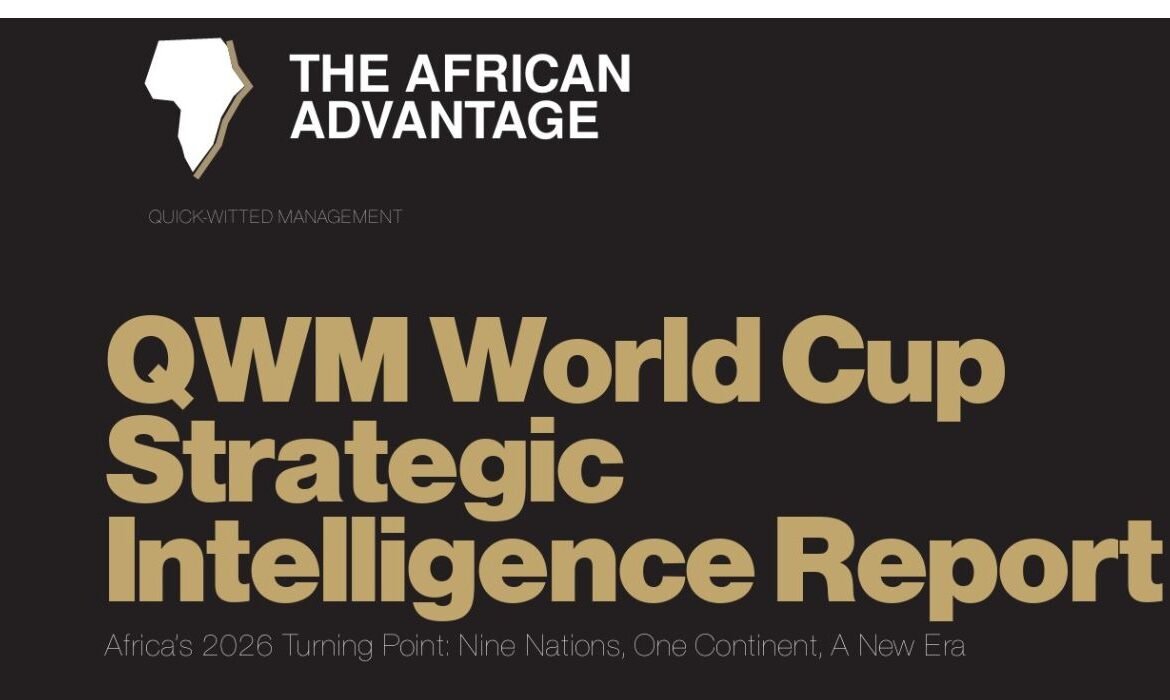
Within this context, Quick-Witted Management introduces a new analytical framework through its latest publication, The African Advantage – Strategic Intelligence Report. The report moves beyond match results and tournament narratives to examine what is driving this shift at a deeper level.
Rather than treating African football as a purely sporting subject, the report positions it within a broader ecosystem shaped by economics, governance, geopolitics, and global competition for talent. It explores how football is becoming a strategic sector for African states and institutions, influencing areas such as investment flows, international visibility, infrastructure development, and soft power.
Several structural drivers are identified behind this rise. New talent development models are emerging across the continent, often combining local scouting systems with international partnerships. Football academies are playing an increasingly central role in shaping a more professionalized pipeline of players. At the same time, the African diaspora continues to act as a powerful extension of the continent’s football ecosystem, contributing skills, experience, and global exposure.
Governance reforms within African football structures are also gradually improving organizational efficiency and competitiveness. In parallel, the growing use of data, analytics, and sports intelligence is influencing decision-making at both club and national team levels. Together, these shifts signal a slow but significant modernization of the entire system.
The report also emphasizes the expanding role of external sectors in this transformation. Investment in sports infrastructure, media rights, tourism linked to football events, and state-level sports diplomacy are increasingly shaping how African football evolves and positions itself globally. Football is no longer isolated from economic strategy—it is becoming part of it.
However, despite this progress, the transformation remains incomplete. Structural challenges persist, particularly in the areas of long-term planning, institutional stability, and the ability to retain value within local ecosystems. Many African football systems still face the risk of exporting talent without fully capturing the economic benefits of its development.
The key challenge identified is therefore not only performance, but sustainability: how to convert current sporting success into a durable strategic advantage that generates long-term economic, institutional, and social value for the continent.
Ultimately, The African Advantage frames African football as an emerging global force. The 2026 World Cup does not represent an endpoint, but rather a signal that the balance of influence in world football is gradually shifting. Africa is no longer only a talent supplier to global football—it is becoming a strategic actor within it.
The African Advantage
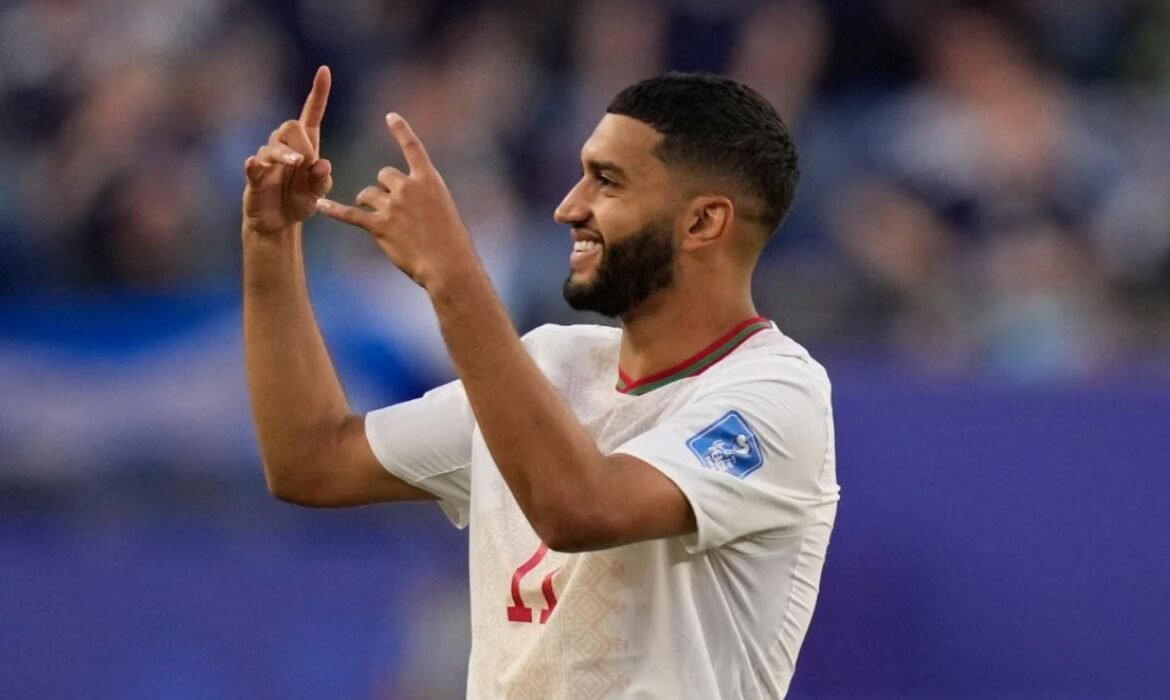
Morocco: Excelling ahead of the 2026 World Cup, Ismael Saibari impresses Yamal
Lamine Yamal has singled out Ismael Saibari as one of the standout performers of the 2026 FIFA World Cup, praising the Moroccan midfielder ahead of Spain’s Round of 32 clash with Austria. Speaking to Spanish radio station COPE, the 18-year-old was asked to name the players who have impressed him most during the tournament.
Yamal Impressed by Saibari
While mentioning global stars such as Lionel Messi and Vinícius Júnior, Yamal also highlighted Morocco’s in-form playmaker. “Ismael Saibari is doing great things. He’s playing really well,” Yamal said. The praise comes as little surprise given Saibari’s outstanding performances for Morocco during the World Cup.
A Tournament to Remember
Deployed as a false nine for the Atlas Lions, the 25-year-old has been one of the competition’s biggest revelations, building on an exceptional season with PSV that earned him the Eredivisie MVP award. Saibari announced himself on the world stage by scoring just 71 seconds into Morocco’s opening match against Brazil, setting the fastest World Cup goal in Morocco’s history.
He has since continued his remarkable run, becoming the first African player ever to score in each of his country’s three group-stage matches at a FIFA World Cup. With three goals, he is now level with Youssef En-Nesyri as Morocco’s joint all-time leading scorer in World Cup history.
More Records in Sight
Saibari will have another opportunity to add to his growing list of achievements when Morocco face Canada in the Round of 16. With his confidence soaring and admiration coming from some of football’s brightest young stars, the Moroccan international continues to establish himself as one of the breakout players of the 2026 FIFA World Cup.
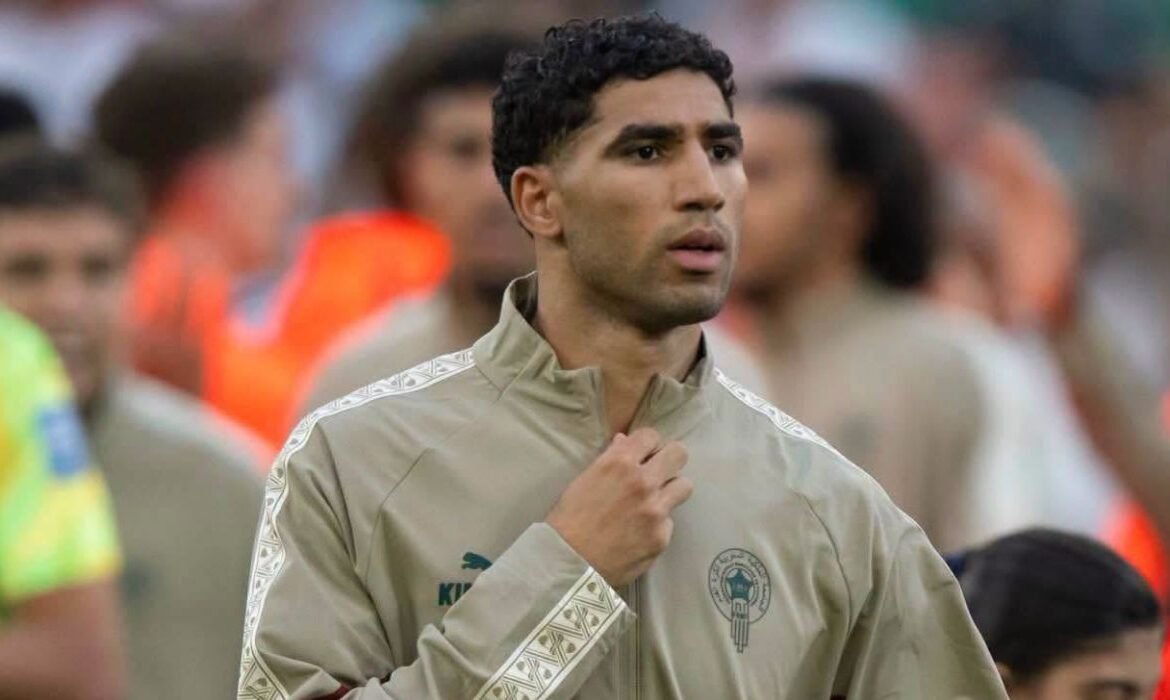
Hakimi after Morocco’s qualification: “We are a top World Nation”
Following Morocco’s dramatic Round of 16 qualification at the 2026 FIFA World Cup, achieved after a thrilling penalty shootout victory over the Netherlands, captain Achraf Hakimi delivered a strong and confident message about his team’s growing status on the global stage.
Speaking immediately after the match, the Moroccan right-back responded to lingering doubts about Morocco’s rise since their breakthrough at the 2022 World Cup: “Are we now a top world nation? YES. Many people thought it was luck in 2022.” The statement reflects Morocco’s growing confidence as they continue to establish themselves among the elite of international football.
A message of mental strength
Hakimi also highlighted the team’s discipline and composure in a high-pressure match against the Netherlands, emphasizing the tactical and mental demands of the encounter: “This team stayed focused. We know this style of play, we knew who we were facing. We had to be strong both physically and mentally.”
His comments underline the maturity and resilience that have become hallmarks of the Moroccan national team in recent tournaments.
Appreciation for the Fans
In a moment of celebration, the Paris Saint-Germain defender also acknowledged the incredible atmosphere in the stands, particularly the support from local fans: “I want to thank the Mexican people for their support today. They gave us incredible backing here in Mexico.”
Morocco Continue Their Historic Campaign
With this qualification secured, Morocco extend their impressive run at the 2026 World Cup, reinforcing their ambition to compete with the world’s strongest teams and continue their pursuit of history on football’s biggest stage.
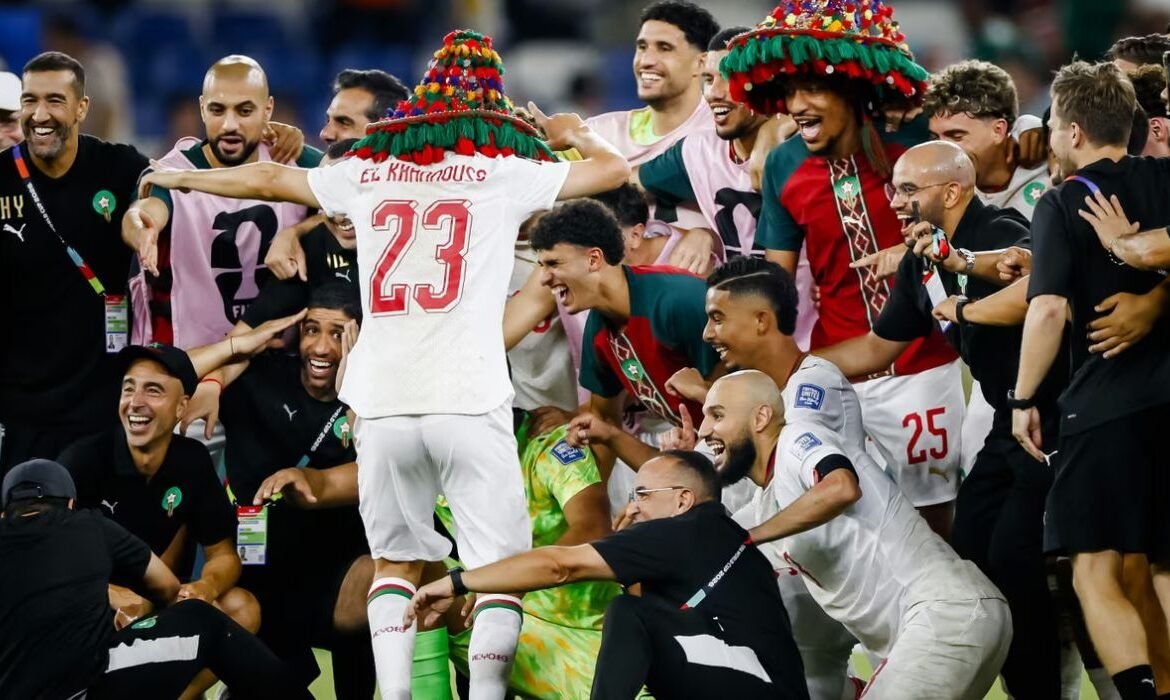
2026 World Cup: Morocco to face Canada in the round of 16
The Morocco national football team now know their next opponent in the 2026 FIFA World Cup Round of 16: Canada. The Atlas Lions will face the Canadian national team in a highly anticipated knockout clash, with a place in the quarter-finals on the line.
Morocco continue their historic run
Morocco booked their spot in the Round of 16 after a dramatic penalty shootout victory over the Netherlands (1-1, 3-2 pens), confirming their growing status as one of the most consistent teams in the tournament. The Lions of the Atlas have impressed with their discipline, resilience, and ability to perform in high-pressure moments throughout the competition.
Canada reach a major milestone
Canada, meanwhile, continue their strong World Cup campaign by reaching the knockout stages and earning a prestigious clash against one of the tournament’s standout teams. Their qualification sets up one of the most intriguing fixtures of the Round of 16.
A decisive knockout showdown ahead
The Morocco–Canada encounter promises a tactical and intense battle between two teams with different styles but the same objective: a place in the quarter-finals. Morocco will rely on their defensive organization and collective
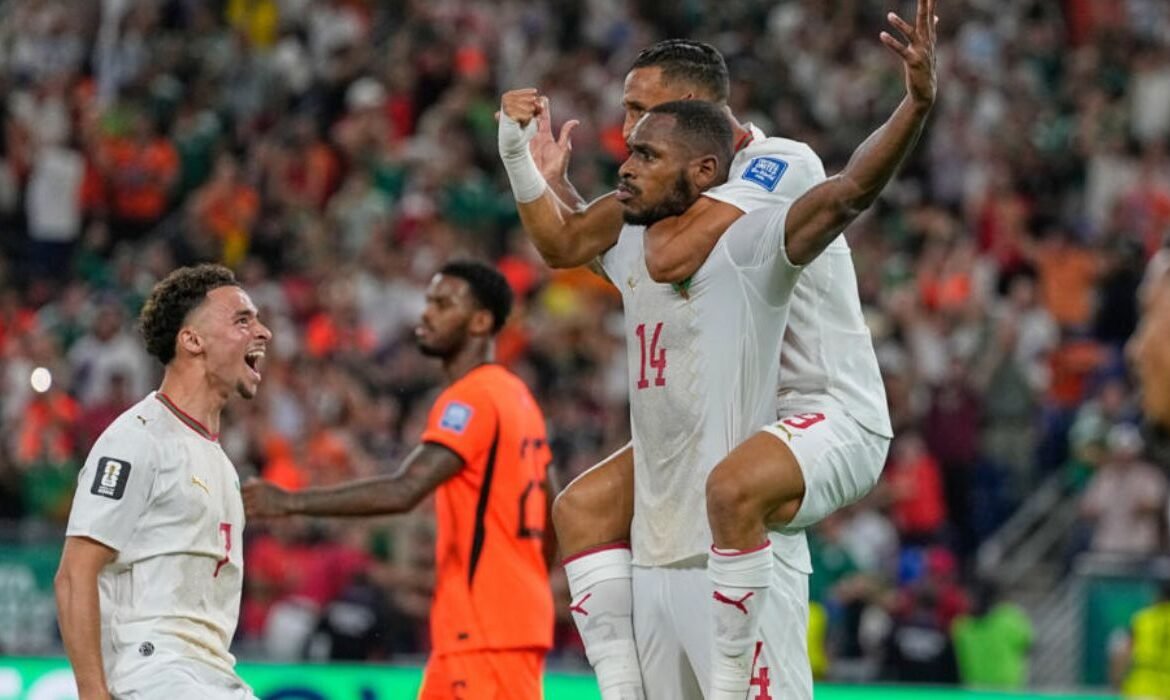
2026 World Cup: Morocco stun the Netherlands to reach the round of 16
Morocco’s remarkable 2026 FIFA World Cup journey continues. The Atlas Lions secured their place in the Round of 16 after defeating the Netherlands on penalties (1-1, 3-2) following a dramatic Round of 32 clash on Monday night. Facing one of Europe’s strongest teams, Morocco showed tremendous resilience and determination to keep their World Cup dream alive.
Morocco fight back in dramatic fashion
After a tightly contested first half, the Netherlands appeared to be heading for victory when Cody Gakpo broke the deadlock in the 72nd minute. With elimination looming, Morocco refused to surrender. Deep into stoppage time, Issa Diop equalized in the 90th minute, sending Moroccan supporters into celebration and forcing the match into extra time. Neither side was able to find a winner during the additional 30 minutes, leaving the outcome to be decided by a penalty shootout.
Atlas Lions hold their nerve
Morocco kept their composure from the penalty spot, converting three of their attempts while the Dutch scored only twice. The victory on penalties secured qualification for the Round of 16, extending the Atlas Lions’ impressive run after an encouraging group-stage campaign.
Result
Netherlands 1–1 Morocco (Morocco win 3–2 on penalties)
Scorers:
- Cody Gakpo (72′) – Netherlands
- Issa Diop (90′) – Morocco
Morocco’s World Cup Dream Continues
By eliminating one of Europe’s traditional football powerhouses, Morocco once again demonstrated why they are among the tournament’s most dangerous teams. The Atlas Lions continue to impress with their fighting spirit and tactical discipline, reinforcing the growing reputation of Moroccan football on the international stage. Morocco will now face Canada in the Round of 16 as they look to continue their remarkable journey and dream even bigger at the 2026 FIFA World Cup.
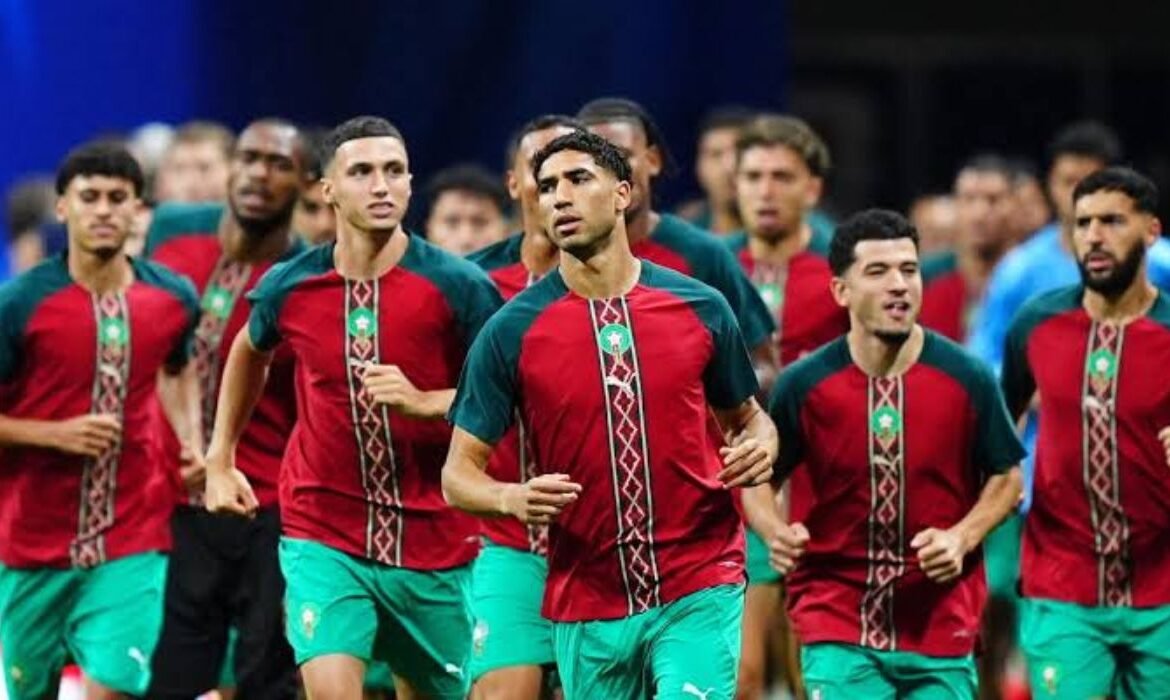
2026 World Cup: Morocco vs Netherlands – Kick-off time and where to watch
Morocco vs Netherlands: Match Information
Date: Monday night / Tuesday morning
Kick-off: 2:00 a.m. (Morocco) | 3:00 a.m. (France)
Venue: Estadio BBVA, Monterrey, Mexico
TV Broadcast
- France: beIN Sports 1
- Morocco: Arryadia
- Middle East & North Africa: beIN Sports Max 1
- Sub-Saharan Africa: New World TV
The match will not be broadcast free-to-air on M6 in France.
A Chance to Write Another Chapter in History
For Morocco, this Round of 16 showdown is another opportunity to confirm their growing status among world football’s elite. Following their memorable achievements in recent years, the Atlas Lions are aiming to reach another milestone by overcoming one of Europe’s traditional powerhouses and booking their place in the World Cup quarter-finals.
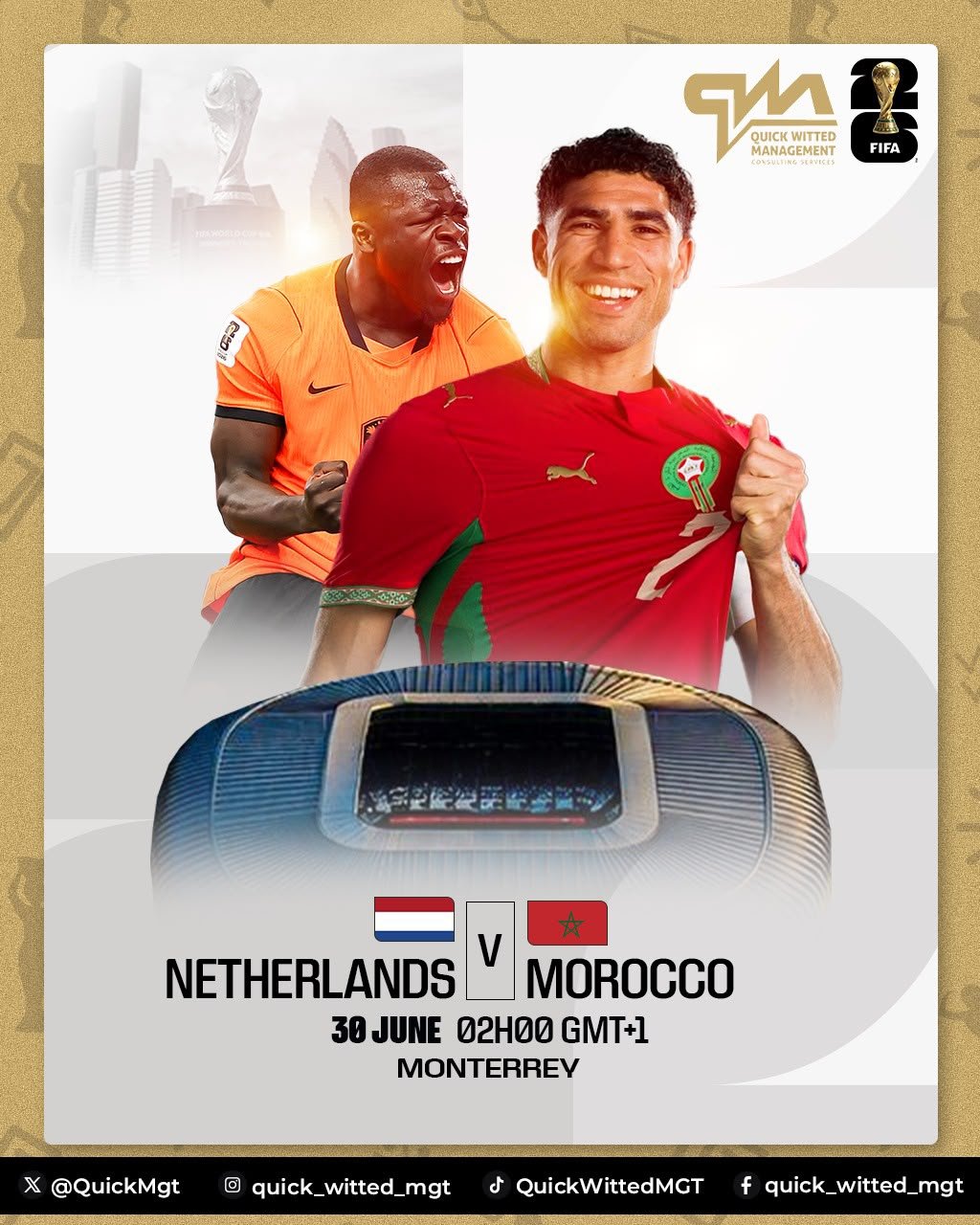
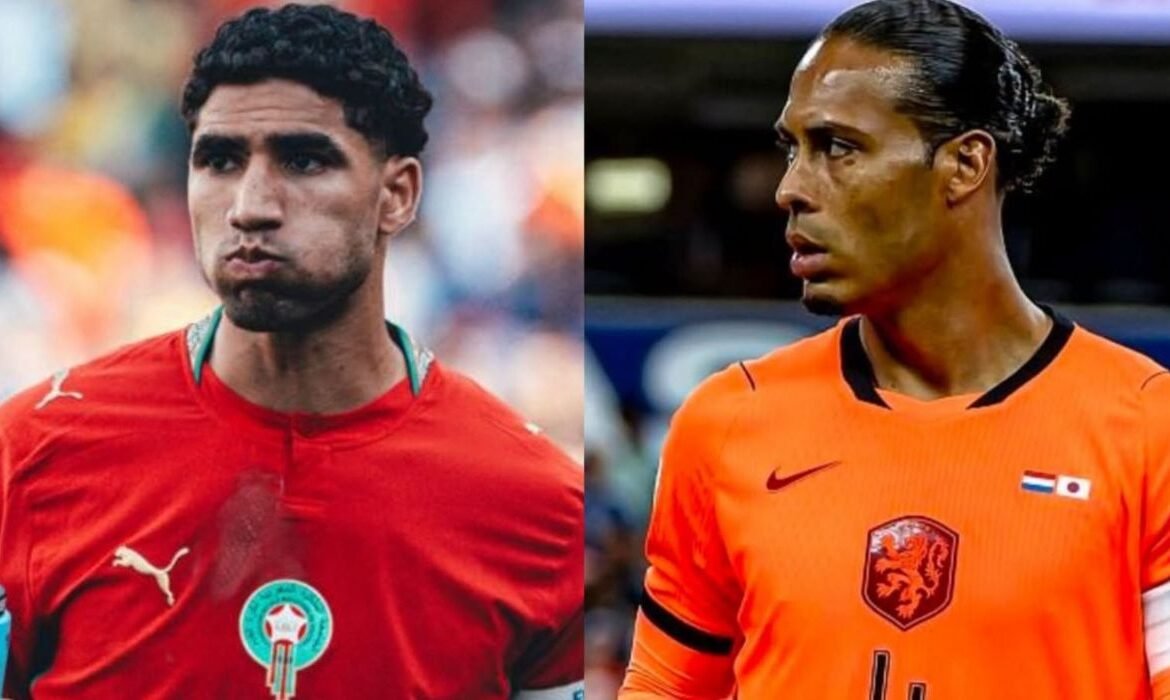
2026 World Cup: Netherlands vs Morocco set for high-stakes round of 16 Clash
The Round of 16 lineup is now officially confirmed, with the Morocco national football team set to face the Netherlands on June 30, 2026, at 3:00 a.m. in one of the most anticipated early knockout-stage fixtures of the tournament. This heavyweight encounter brings together two in-form teams who both impressed during the group stage and now enter the most unforgiving phase of the competition, where every mistake can prove decisive.
A Europe–Africa Showdown of Elite Ambition
The Netherlands arrive with the status of group winners, having delivered a controlled and efficient campaign in the opening round. The Oranje will be aiming to confirm their title ambitions and take another step toward the latter stages of the tournament.
Morocco, meanwhile, continue their strong momentum. Unbeaten in the group stage, the Atlas Lions have once again demonstrated consistency at the highest level and enter this knockout clash with confidence and belief.
No Margin for Error in the Knockout Stage
The Round of 16 marks the beginning of the World Cup’s most intense phase, where a single moment can define a team’s entire tournament. Morocco will rely on their collective discipline and attacking efficiency, while the Netherlands are expected to lean on their tactical experience and game management to control proceedings.
One of the Standout Fixtures of the Round
This fixture is already being viewed as one of the most high-profile clashes of the early knockout rounds, pitting two distinct football identities against each other for a place in the quarter-finals. With contrasting styles and equally strong ambitions, only one team will advance to the last eight of a 2026 World Cup that remains wide open and increasingly unpredictable.
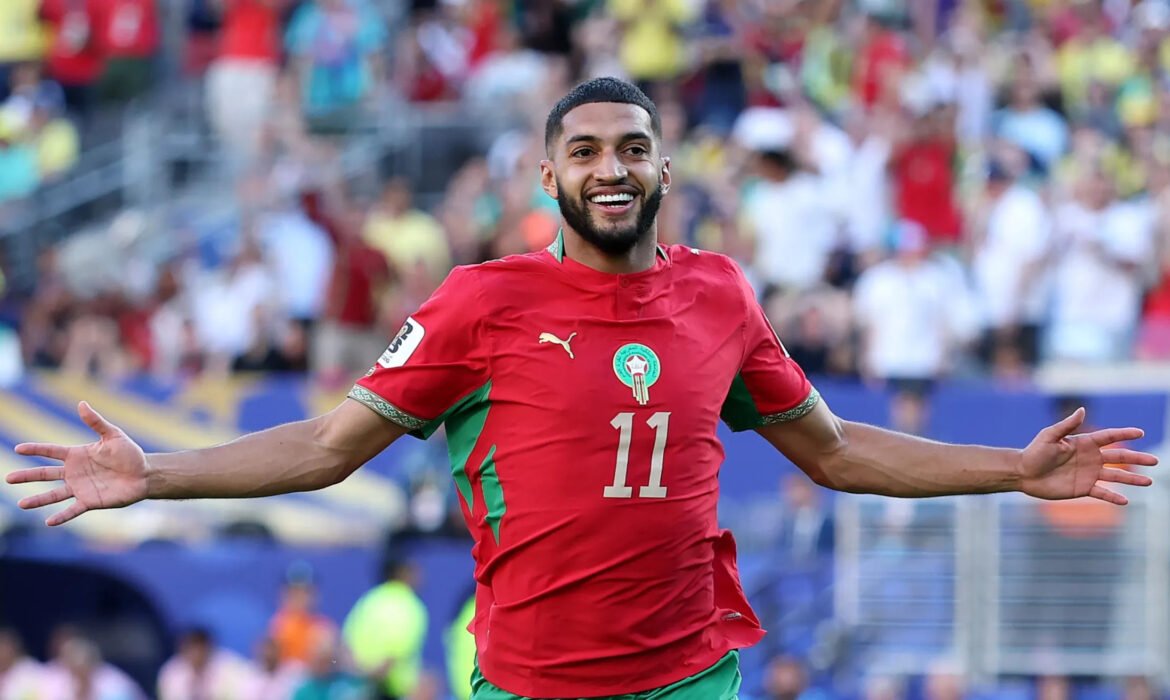
Ismaël Saïbari shines as Morocco’s new World Cup hero
Morocco’s impressive run at the 2026 FIFA World Cup has produced many standout moments, but few have captured attention quite like the performances of Ismaël Saïbari. The Atlas Lions forward has enjoyed a sensational start to the tournament, scoring in each of Morocco’s three group-stage matches and playing a key role in securing the nation’s place in the Round of 32. Against Brazil, Scotland and Haiti, Saïbari consistently found the back of the net, demonstrating remarkable composure and efficiency on football’s biggest stage.
Three matches, three goals
Saïbari’s group-stage campaign has been nothing short of exceptional:
- Goal against Brazil
- Goal against Scotland
- Goal against Haiti
With three goals in three matches, the Moroccan attacker delivered whenever his team needed him most, establishing himself as one of Morocco’s most dangerous offensive weapons. His contributions helped the Atlas Lions complete the group stage unbeaten and secure second place in Group C behind Brazil.
The face of Morocco’s ambitious new generation
Beyond the statistics, Saïbari embodies the confidence and ambition that define this exciting Moroccan generation. As Morocco continues to build on its historic achievements of recent years, the young forward has emerged as a symbol of the country’s growing footballing strength. His ability to perform in high-pressure moments reflects the maturity and belief that now characterize the Atlas Lions on the international stage. Morocco’s qualification for the knockout rounds is the result of a collective effort, but Saïbari’s impact has undoubtedly been one of the major stories of the team’s campaign so far.
A historic achievement
By scoring in each of Morocco’s three group-stage matches, Saïbari has achieved a feat rarely seen at the World Cup and has become one of the tournament’s standout performers. His consistency in front of goal has not only boosted Morocco’s chances but has also elevated his profile among the breakout stars of the 2026 World Cup.
With the knockout stage now approaching, all eyes will be on Saïbari and the Atlas Lions as they look to continue their remarkable journey. If the Moroccan forward can maintain his outstanding form, he could help guide Morocco toward another historic World Cup run while also entering the conversation for individual honors at the tournament. For a nation experiencing one of the greatest periods in its football history, Ismaël Saïbari’s rise is yet another sign that Morocco’s golden era is far from over.
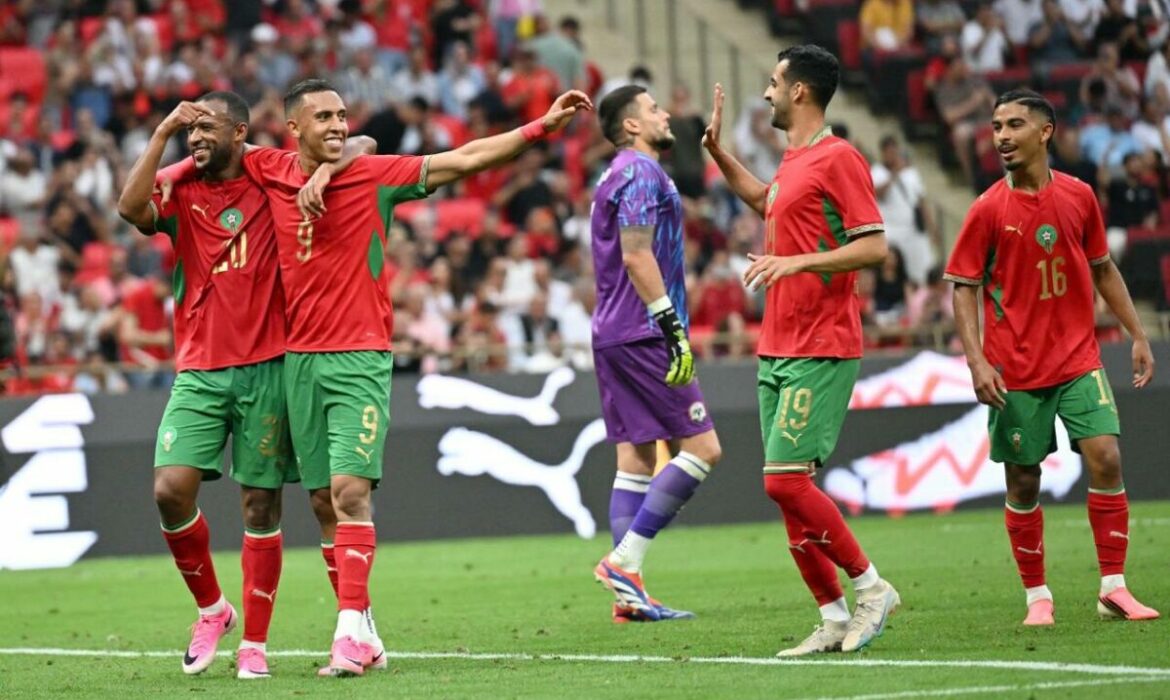
2026 World Cup: Morocco continues its rise and confirms the golden age of its football
Mission accomplished for Morocco. Unbeaten at the end of the 2026 FIFA World Cup group stage, the Atlas Lions secured their place in the Round of 32 and continued their remarkable momentum on the international stage. With two wins and one draw in three matches, the Moroccans have confirmed their status as serious contenders in this World Cup and now head into the knockout rounds with high ambitions.
A Group Stage Controlled from Start to Finish
Morocco’s campaign in Group C ended with a strong record:
- 3 matches played
- 2 victories
- 1 draw
- 0 defeats
The Atlas Lions notably held Brazil to a 1–1 draw before defeating Scotland 1–0 and Haiti 4–2. A convincing campaign that allowed them to finish second in the group behind the Seleção.
A Historic Decade for Moroccan Football
This qualification is part of an exceptional period for Moroccan football. For several years, the Kingdom has been delivering major achievements at both senior and youth levels. Among the greatest successes of this generation are:
- African champions at the 2025 Africa Cup of Nations
- Winners of the 2025 FIFA Arab Cup
- FIFA U-20 World Champions in 2025
- Three-time African Nations Championship winners in 2018, 2020, and 2025
- African U-17 champions in 2025
- African U-23 champions in 2023
- Bronze medalists at the 2024 Summer Olympic Games
From Doha 2022 to North America 2026
Moroccan football has reached a new dimension since its historic run at the 2022 FIFA World Cup. As the first African and Arab nation to reach the semi-finals of a World Cup, Morocco finished in a remarkable fourth place, leaving a lasting mark on world football history. Four years later, the Atlas Lions have demonstrated that this achievement was not merely a one-off success, but rather the result of an ambitious and sustainable sporting project.
A Golden Generation Making History
Led by players such as Achraf Hakimi, Yassine Bounou, and several emerging talents from Morocco’s new generation, this national team continues to deliver top-level performances. The winning streaks and unbeaten records attributed to this generation reflect its exceptional consistency and its growing influence on both African and international football.
Having qualified for the Round of 32 of the 2026 World Cup, the Atlas Lions now have the opportunity to add another chapter to a decade already regarded as the most glorious in the history of Moroccan football.
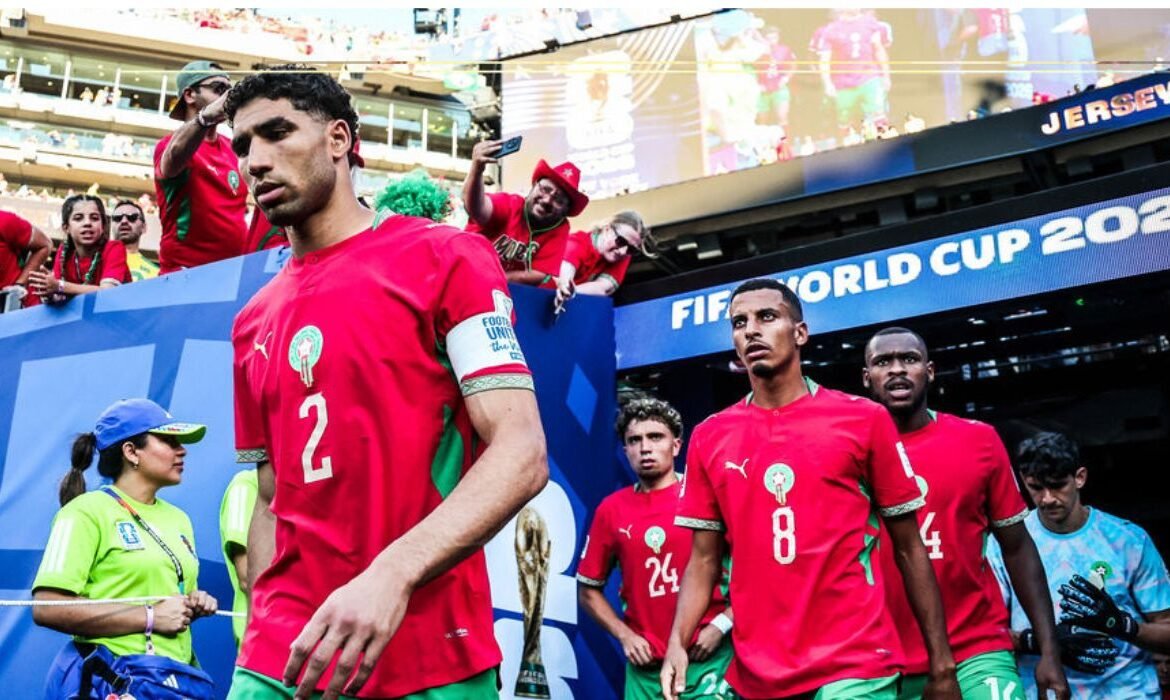
FIFA Rankings: Morocco rise to 5th after victory over Scotland in 2026 World Cup
Morocco national football team have climbed to a historic 5th place in the FIFA World Rankings following their 1–0 victory over Scotland on Matchday 2 of the 2026 FIFA World Cup. This remarkable leap places the Atlas Lions inside the global top five for the first time in their history, marking a major milestone for African football.
A Historic First Since 1994 for Africa
Morocco’s rise makes them the first African nation to reach the FIFA top five since 1994, underlining the scale of their recent progress on the international stage. The achievement reflects their growing consistency in major competitions and their ability to deliver results against top-level opposition.
The ranking boost follows a strong start to their World Cup campaign. After holding Brazil to a 1–1 draw in their opening match, Morocco followed up with a narrow but crucial win over Scotland. These back-to-back positive results have reinforced their reputation as one of the most reliable and competitive teams in the tournament.
Surpassing Global Football Giants
By breaking into the top five, Morocco have overtaken established football powers such as Portugal and Brazil, a development that highlights their rapid rise in world football. The Atlas Lions’ progress is increasingly seen as the result of long-term structural development and sustained international performance.
Momentum Ahead of the Tournament’s Next Phase
Still unbeaten after two group-stage matches at the 2026 World Cup, Morocco enter the next phase of the competition with growing confidence. Their rise in the FIFA rankings further strengthens their status as genuine contenders and adds to the momentum surrounding their campaign.