Morocco women maintain strong momentum ahead of women’s AFCON 2026
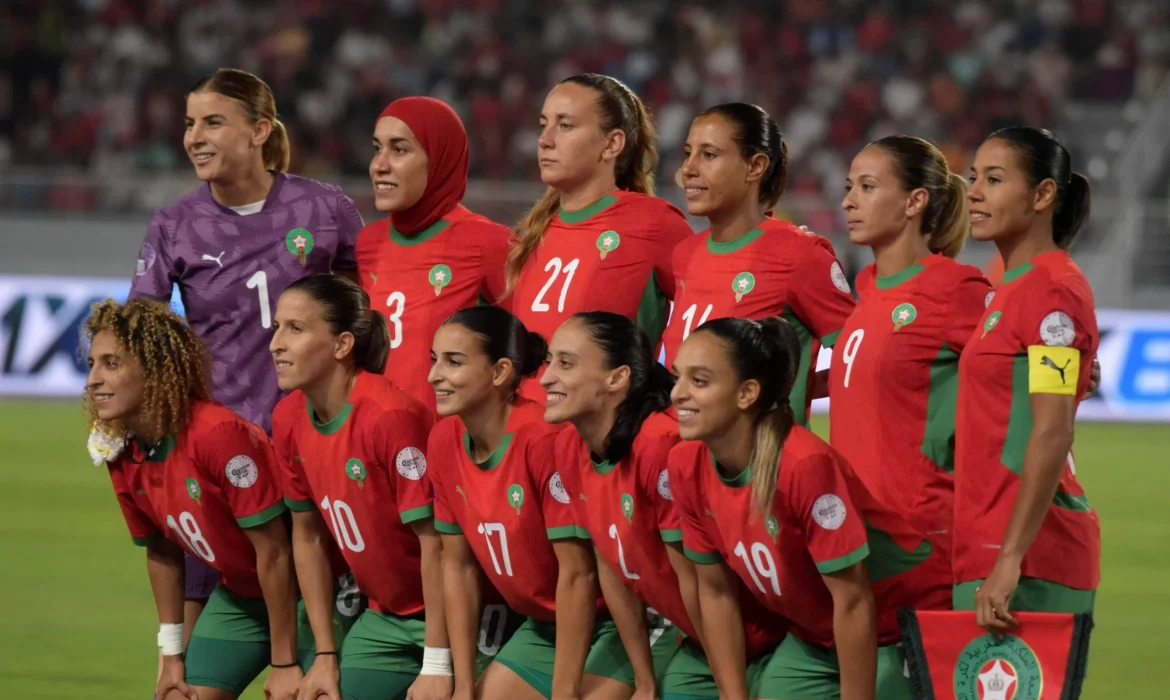
The Morocco women’s national football team secured a convincing victory on Monday as part of their preparations for the upcoming Women’s Africa Cup of Nations (AFCON), which Morocco will host from July 25 to August 16.
Currently in a training camp ahead of the continental tournament, the Atlas Lionesses defeated the Tanzania women’s national football team 3–0 in a friendly match at Prince Moulay El Hassan Stadium in Rabat.
Forward Sanaâ Mssoudy put Morocco ahead early, finding the net in just the 4th minute. The AS FAR striker doubled the lead in the 77th minute, completing her brace, before Yasmin Mrabet sealed the victory three minutes later with a third goal.
Unbeaten run continues
This result marks a third consecutive match without defeat for the Moroccan side, who have remained unbeaten since late February following a double-header against the Burkina Faso women’s national football team (5–0, 1–1).
The team will look to maintain this positive momentum on Friday when they face the Ghana women’s national football team, another side preparing for the Women’s AFCON.
The last meeting between Morocco and Ghana took place in the semifinals of the 2025 Women’s AFCON, where Morocco triumphed after a penalty shootout (1–1, 4–2), underlining the competitive edge between the two teams.
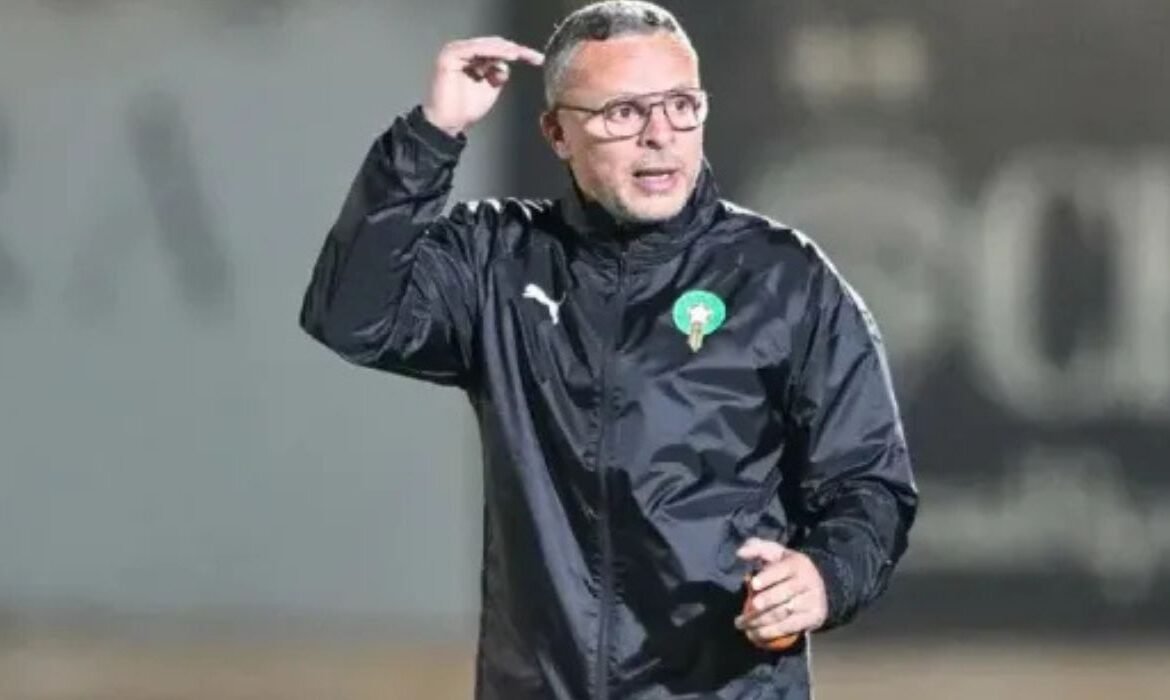
Morocco : Mohamed Ouahbi faces high expectations ahead of World Cup 2026
As the 2026 FIFA World Cup approaches, Mohamed Ouahbi is already deep into preparations with Morocco’s national team. While he enjoys significant autonomy in managing the squad, expectations remain high, as emphasized by the Moroccan Football Federation’s technical leadership.
Speaking at a press conference held at the Mohammed VI Football Complex, Fathi Jamal, the National Technical Director, highlighted Ouahbi’s central role in overseeing all national team categories. “He has access to all age groups and can select any players he wants. Our goal is to help as many players as possible reach the senior team,” Jamal stated.
Intensive Work Behind the Scenes
Despite this freedom, the responsibility attached to leading the senior national team remains immense, especially with the World Cup fast approaching. Jamal stressed that Ouahbi’s workload is often underestimated: “His job is extremely demanding, and many people do not fully realize the scale of his efforts. He works constantly and closely monitors players, especially those based abroad.”
A structured system has been put in place to track players daily, including regular communication with clubs, coaching staff, and medical teams. This ongoing coordination is designed to ensure optimal preparation for the tournament.
A New Era After Walid Regragui
Appointed on March 5 following the departure of Walid Regragui, Ouahbi arrives with strong credentials, having previously guided Morocco’s U20 team to a world title. Since taking charge, he has overseen two friendly matches: a 1-1 draw against Ecuador and a 2-1 victory over Paraguay—early tests as part of the team’s World Cup preparations.
A Challenging Group Awaits Morocco
Morocco is set to compete in its seventh World Cup appearance, facing a particularly competitive group. The Atlas Lions will play in Group C alongside Brazil, Scotland, and Haiti. Morocco will open its campaign with a high-profile clash against Brazil on June 13 at MetLife Stadium. The team will then face Scotland on June 19 in Boston before concluding the group stage against Haiti on June 24 in Atlanta.
A Nation’s Hopes Rest on Ouahbi
With a demanding group and rising expectations, all eyes are now on Ouahbi to lead Morocco through one of its most ambitious World Cup campaigns. His ability to manage talent, maintain cohesion, and deliver results on the global stage will be closely watched.
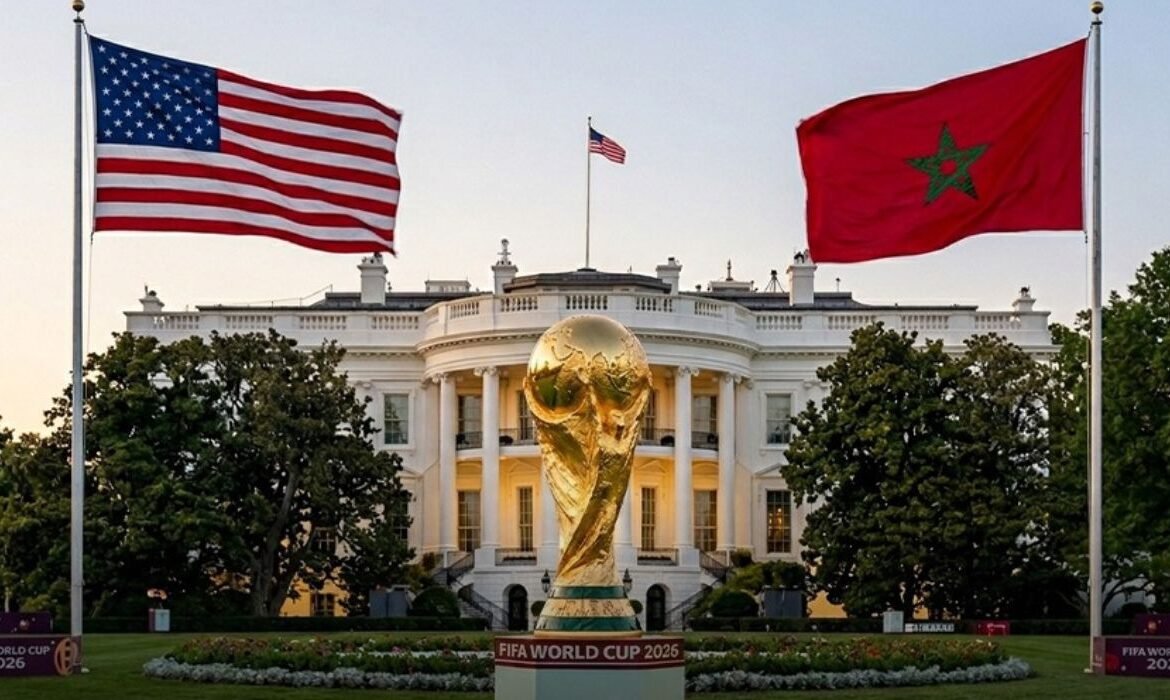
Morocco joins white house task force for FIFA World Cup 2026
Morocco has been selected to join the White House Task Force on the FIFA World Cup 2026, a strategic body set up by the United States to coordinate preparations for the global tournament. This decision highlights Morocco’s growing international credibility, particularly in security management and large-scale sporting event organization.
Strengthening Morocco–US Security Cooperation
The announcement was confirmed by the US Embassy in Morocco, emphasizing that the initiative aims to enhance security cooperation among partner nations ahead of the tournament. The move also comes as Morocco and the United States celebrate 250 years of diplomatic relations, reinforcing a long-standing strategic partnership.
High-Level Coordination Led by Washington
The task force operates under the leadership of Donald Trump, alongside Vice President JD Vance. It brings together key federal agencies, including the FBI, to ensure seamless planning and security operations. Its mandate runs through December 31, 2026, supporting the.
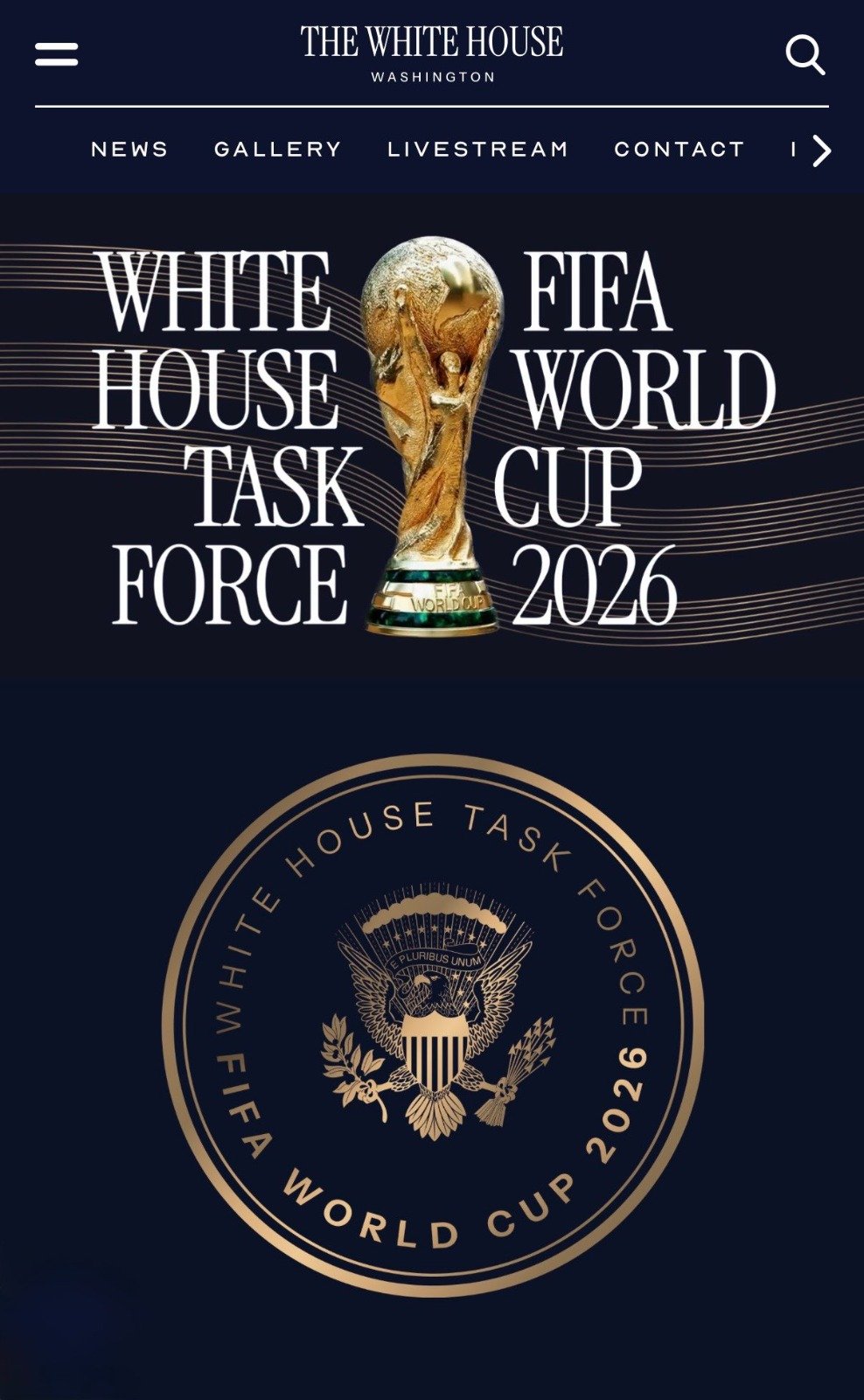
Morocco’s Growing Role on the Global Stage
Morocco’s inclusion reflects its proven expertise, notably demonstrated during major events such as AFCON 2025. The country is also set to co-host the 2030 FIFA World Cup alongside Spain and Portugal, further solidifying its position as a global hub for international sports.
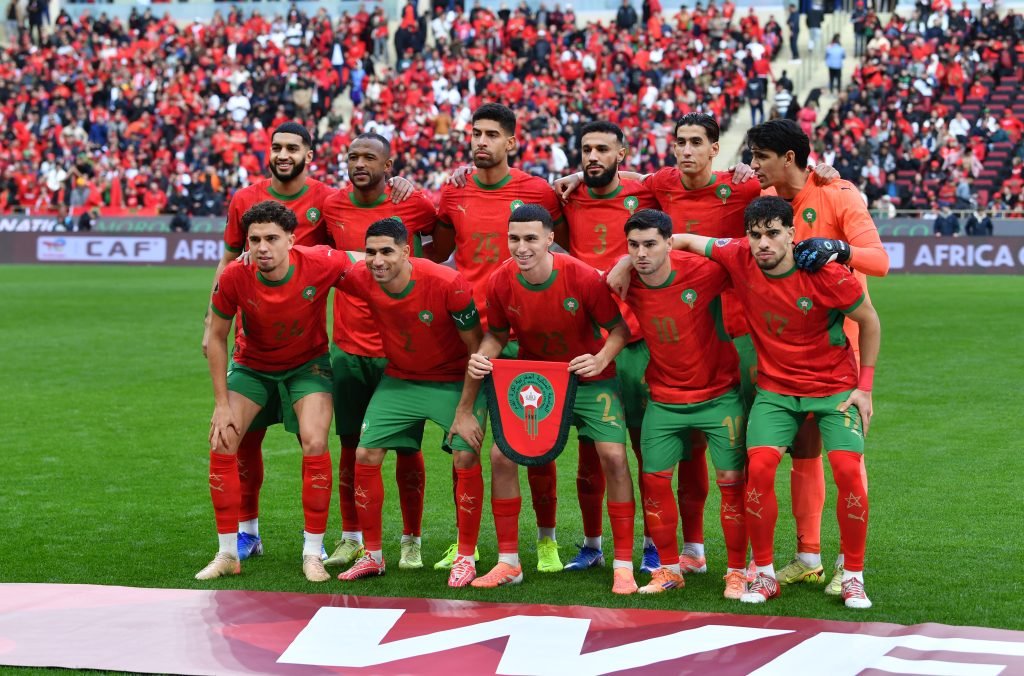
Morocco vs Norway: A high-profile friendly ahead of the 2026 World Cup
The Royal Moroccan Football Federation (FRMF) has officially confirmed one of two international friendlies scheduled for June as part of the Atlas Lions’ preparations for the 2026 FIFA World Cup, set to take place from June 11 to July 19. This fixture marks a crucial step in Morocco’s final build-up to the global tournament.
Morocco to Face Norway on June 7 in the United States
As expected in recent weeks, Morocco will take on Norway on Sunday, June 7, 2026. The match will be held at Sports Illustrated Stadium in Harrison, New Jersey, one of the host locations where the Atlas Lions will play during the group stage.
Kick-off is scheduled for 3:00 PM local time (8:00 PM in Morocco). The encounter will feature Morocco’s star-studded squad, led by Achraf Hakimi, against a strong Norwegian side spearheaded by Erling Haaland, who has also qualified for the World Cup.
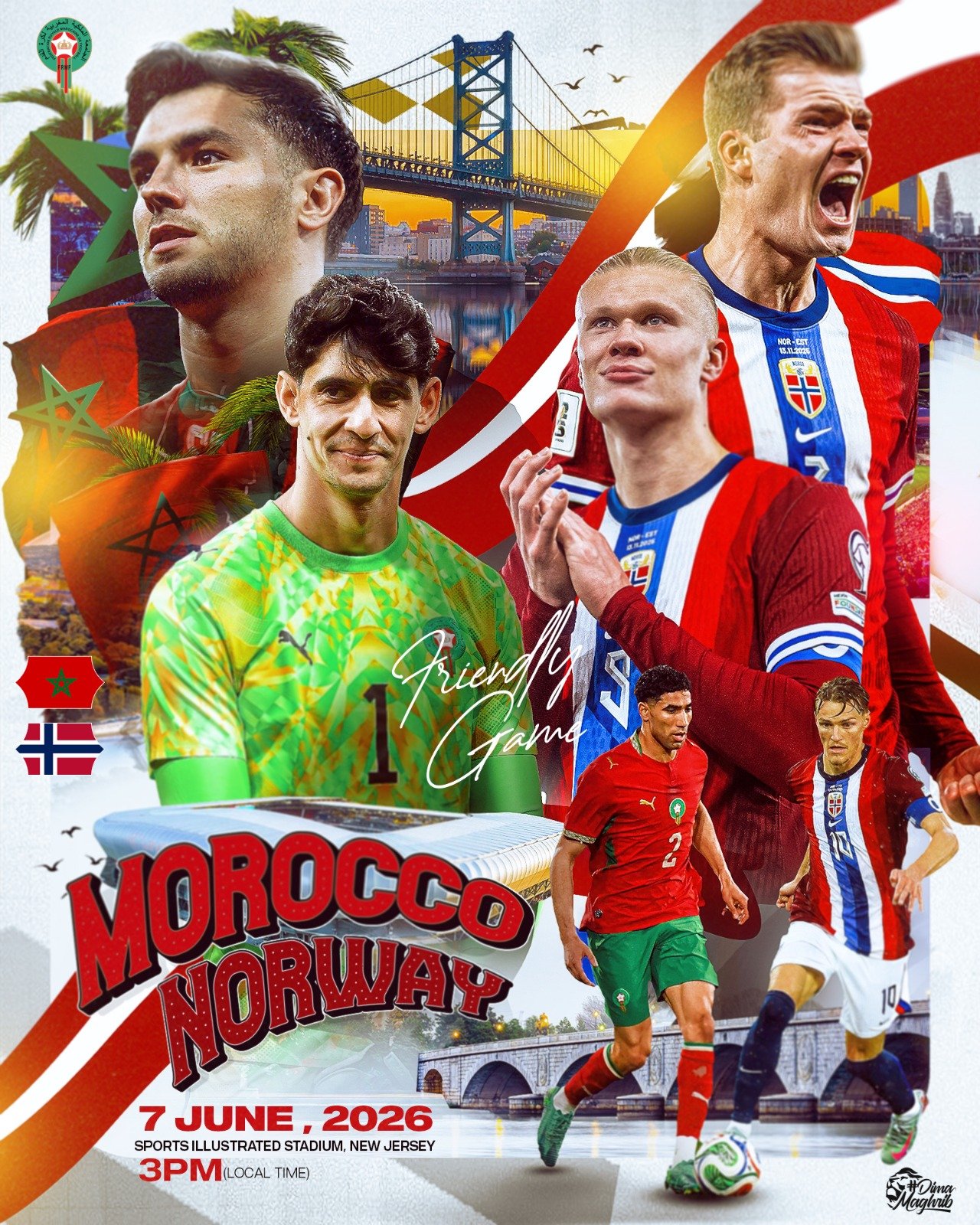
In an official statement, the FRMF said: “As part of its preparations for the final phase of the FIFA World Cup 2026, the Moroccan senior national team will play an international friendly against the Norwegian national team.”
Strategic Build-Up to World Cup 2026
This friendly is part of a broader preparation plan designed to fine-tune team chemistry and test Morocco against top-level opposition. Hosting the match in the United States also allows the team to adapt to local conditions ahead of the tournament. A second friendly opponent is yet to be confirmed, with Honduras and El Salvador among the potential candidates. During the March international break, Morocco drew 1-1 with Ecuador before securing a 2-1 win over Paraguay, continuing their positive momentum.
Morocco remains africa’s Top tourism destination in value
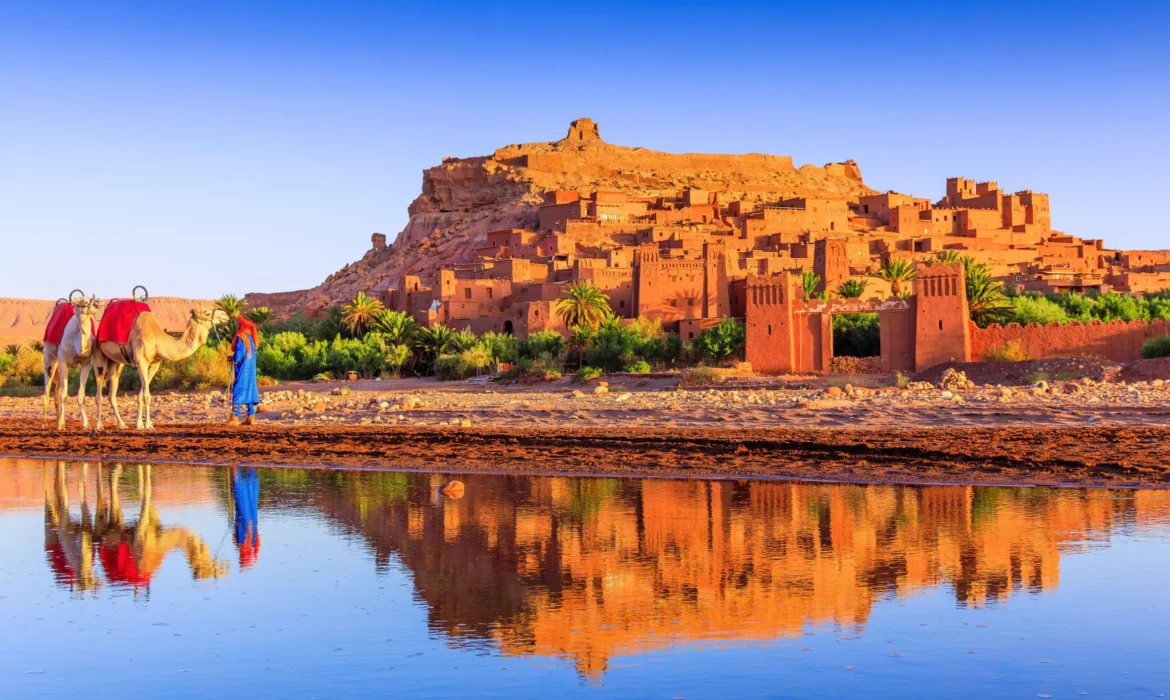
Morocco continues to stand out as Africa’s leading tourism destination in terms of revenue, welcoming 17.4 million international visitors in 2024. While Egypt may reach higher arrival numbers in 2025, Morocco maintains a కీలक advantage: higher tourism earnings and premium visitor experiences.
Morocco’s success is driven not just by volume, but by value. Travelers are drawn to a unique blend of:
- Cultural heritage and historic cities
- Luxury hospitality and resorts
- Diverse landscapes—from deserts to coastlines
- Modern infrastructure and connectivity
This positioning allows Morocco to generate stronger economic returns per visitor.
A Destination Ready for the 2030 World Cup
As a co-host of the FIFA World Cup 2030 alongside Spain and Portugal, Morocco is leveraging its tourism strength to prepare for a global influx of visitors. Ongoing investments in infrastructure, hotels, and transport are enhancing the country’s readiness to deliver a world-class experience.
Why Travelers Choose Morocco
With its vibrant culture, welcoming atmosphere, and growing global reputation, Morocco offers a travel experience that goes beyond traditional السياحة, making it one of the most attractive destinations in Africa. Morocco’s focus on quality, innovation, and sustainability ensures its continued leadership in Africa’s tourism sector, especially as global travel demand rises.
Morocco, Spain, and Portugal strengthen legal framework for FIFA World Cup 2030
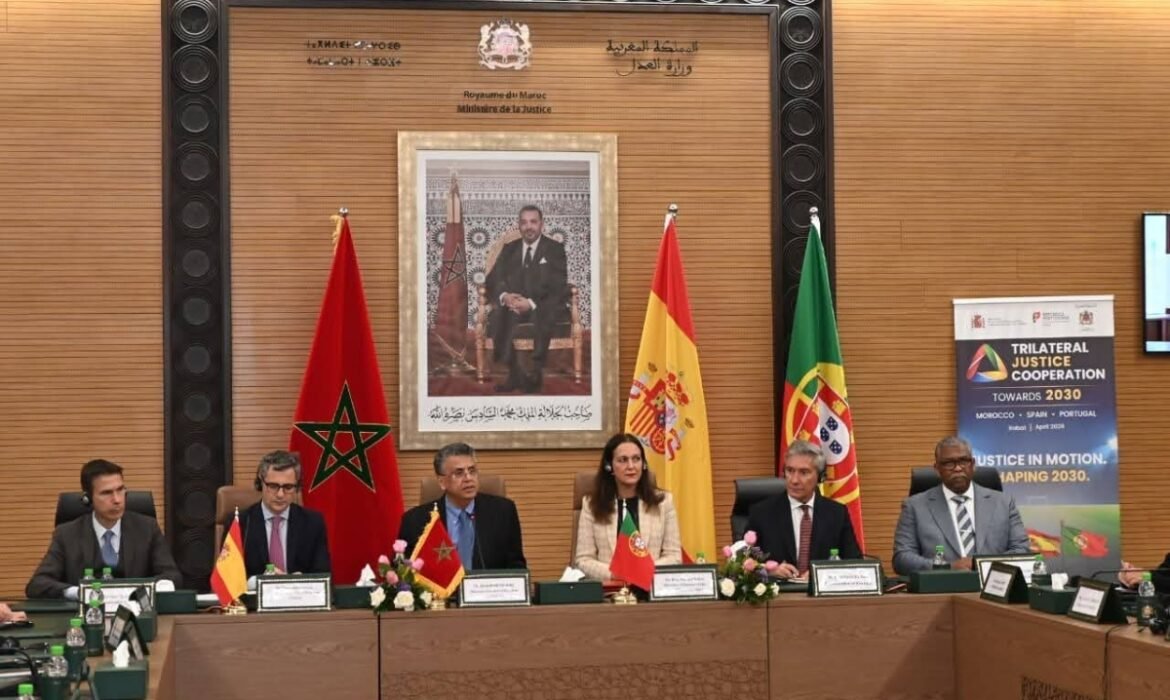
Morocco, Spain, and Portugal have signed a judicial cooperation agreement in Rabat, reinforcing preparations for the FIFA World Cup 2030. The agreement aims to ensure smooth coordination between the three host countries, covering legal, security, and organizational aspects of the tournament.
Building a Connected and Secure Travel Experience
For travelers and football fans, this agreement is a strong signal that the 2030 World Cup will offer a seamless and secure experience across three देशों and two continents.
The التعاون framework will facilitate:
- Easier movement between host countries
- Coordinated security measures
- Efficient handling of legal matters
This enhances Morocco’s appeal as a safe and well-prepared destination for international visitors.
Morocco at the Heart of a Historic Tournament
As a co-host, Morocco is positioning itself as a key gateway between Africa and Europe. The country continues to invest heavily in infrastructure, transport, and hospitality to welcome millions of fans.
From vibrant cities to world-class stadiums, Morocco is preparing to deliver a unique and memorable World Cup experience.
A Unique Cross-Continental Celebration
The 2030 edition of the FIFA World Cup 2030 will be the first to unite Africa and Europe in such a масштаб, offering fans the opportunity to explore diverse cultures, landscapes, and traditions within a single tournament.
A Strong Foundation for 2030
With legal frameworks now taking shape, Morocco, Spain, and Portugal are demonstrating their readiness to host one of the biggest sporting events in the world.
Morocco targets 26 Million tourists by 2030 as travel boom continues
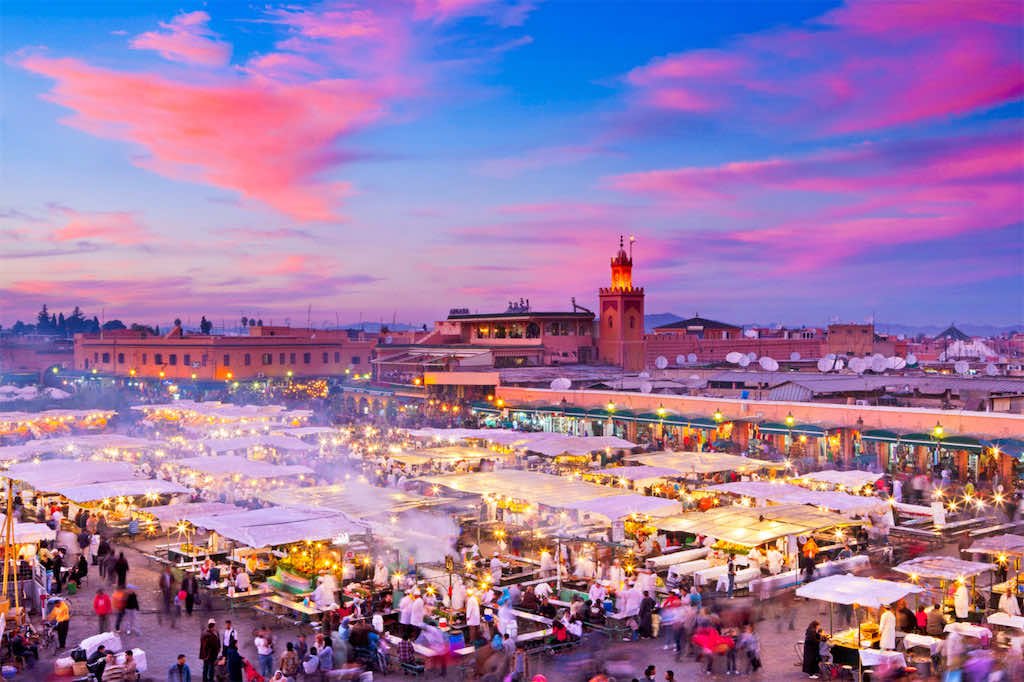
Morocco is setting an ambitious goal: welcoming 26 million visitors by 2030. This target builds on strong momentum, with the country surpassing 20 million tourists for the second consecutive year—marking a historic milestone in its tourism growth.
New Hotels and Global Partnerships Fuel Expansion
To support this rapid growth, Morocco is expanding its hospitality infrastructure. A key highlight is the strengthened partnership between Accor and Risma, aimed at developing new hotels across major destinations.
These projects will enhance accommodation capacity while offering visitors a wider range of high-quality travel experiences.
A Destination Ready for the Future
Morocco’s tourism strategy is closely aligned with its long-term vision for 2030. Investments in airports, transport, and tourism services are helping the country prepare for increased global demand.
From vibrant cities like Marrakech and Casablanca to الساحل الساحر and desert landscapes, Morocco continues to attract travelers seeking culture, adventure, and relaxation.
Why Travelers Are Choosing Morocco
Visitors are drawn to Morocco’s unique blend of:
- Rich cultural heritage
- Diverse landscapes
- Modern infrastructure
- World-class hospitality
This combination positions Morocco as one of the most attractive destinations in Africa and beyond.
A Bright Future for Moroccan Tourism
With sustained investment and growing international appeal, Morocco is on track to become a top global tourism hub by the end of the decade.
Morocco’s managem invests $750 million in gold expansion across Africa
A Major خطوة Strengthening Morocco’s Economic Footprint in Africa
Managem has announced a $750 million investment program to expand its gold mining operations across Africa, reinforcing Morocco’s growing role as a leading economic force on the continent.
The company has already achieved a 134% increase in gold production across five African countries, highlighting the rapid scale-up of its mining activities.
Morocco’s Industrial Champions Driving Continental Growth
This expansion reflects the strength of Morocco’s industrial ecosystem. Through companies like Managem, Morocco continues to build strong economic bridges across Africa, promoting investment, innovation, and sustainable development.
The country is increasingly seen as a gateway for business and investment between Africa and global markets.
People, Partnerships, and Long-Term Vision
Managem’s growth strategy goes beyond extraction. It emphasizes:
- Local job creation
- Skills development
- Long-term partnerships with host countries
This approach strengthens Morocco’s soft power by fostering shared prosperity and deeper regional integration.
Gold: A Strategic Resource for the Future
With global demand for gold remaining strong, Managem is positioning itself as a key player in Africa’s mining future. The investment underscores confidence in the continent’s vast natural resources and economic potential.
A Gateway to Opportunity in Morocco
As Morocco continues to expand its industrial and economic influence, it offers a dynamic environment for investors, travelers, and partners seeking to engage with Africa’s growth story.
Mali Backs Morocco’s autonomy plan, strengthening ties and regional influence
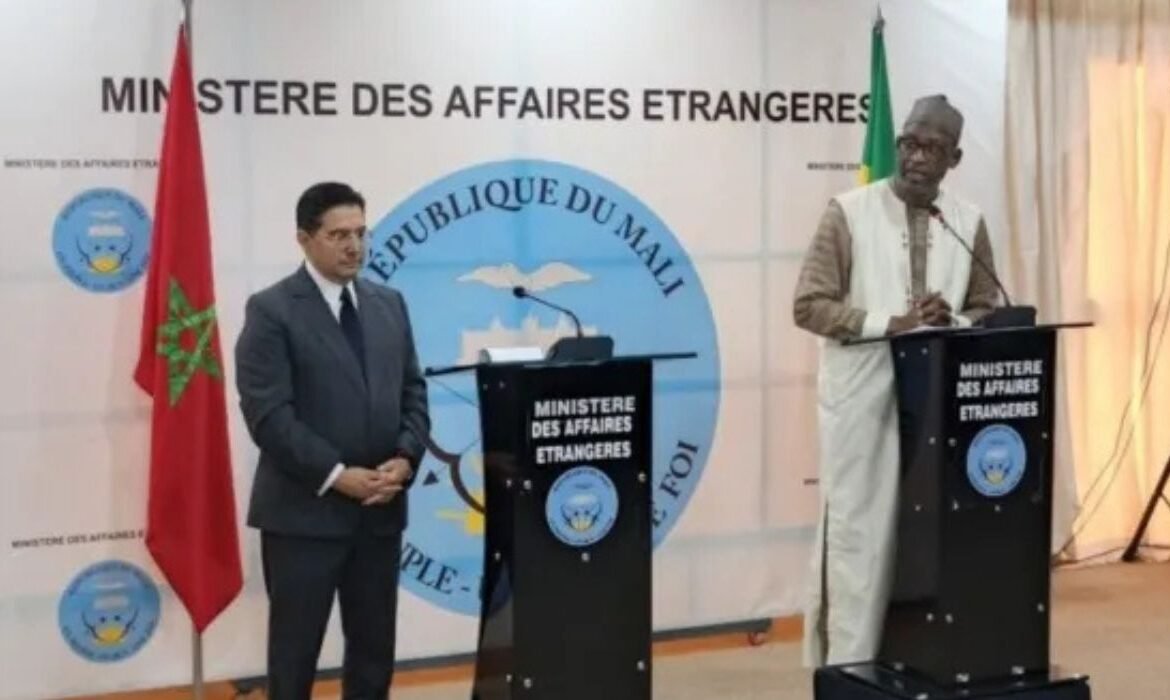
Mali has officially withdrawn its recognition of the Sahrawi Arab Democratic Republic (SADR), endorsing Morocco’s autonomy plan as the most credible solution to the long-standing Sahara dispute. The move signals a growing alignment with Rabat’s vision for stability and development across Africa.
Bamako also expressed support for UN Security Council Resolution 2797, reinforcing its commitment to a pragmatic and peaceful political process.
Morocco’s Growing Appeal Across Africa
This decision highlights Morocco’s rising influence on the continent, driven by a strategy that combines diplomacy, economic cooperation, and cultural exchange. Mali becomes the fourth Sahel country in 2026 to shift its stance, reflecting a broader continental trend.
Morocco’s leadership is increasingly seen as a model of stability and partnership, particularly in West Africa.
Stronger Bilateral Ties Through People-Centered Initiatives
At the heart of this diplomatic success lies Morocco’s proactive engagement with African nations. Key initiatives include:
- Visa-free access for Malian citizens
- 300 scholarships offered to Malian students
These measures not only strengthen political relations but also foster human connections, education, and long-term cooperation—key pillars of Morocco’s soft power.
A Safer, More Connected Africa
As Mali faces ongoing security challenges, its closer ties with Morocco reflect a shared interest in regional stability and sustainable development. Morocco’s approach—centered on dialogue, investment, and connectivity—positions the country as a gateway between Africa and the world.
Morocco’s Vision for Peace in the Sahara
With increasing international support, Morocco’s autonomy plan is gaining traction as a realistic pathway toward lasting peace. The initiative reflects a broader vision of unity, cooperation, and prosperity across the continent.
CAF: Motsepe dodges questions on Olivier Savary and AFCON 2025 refereeing
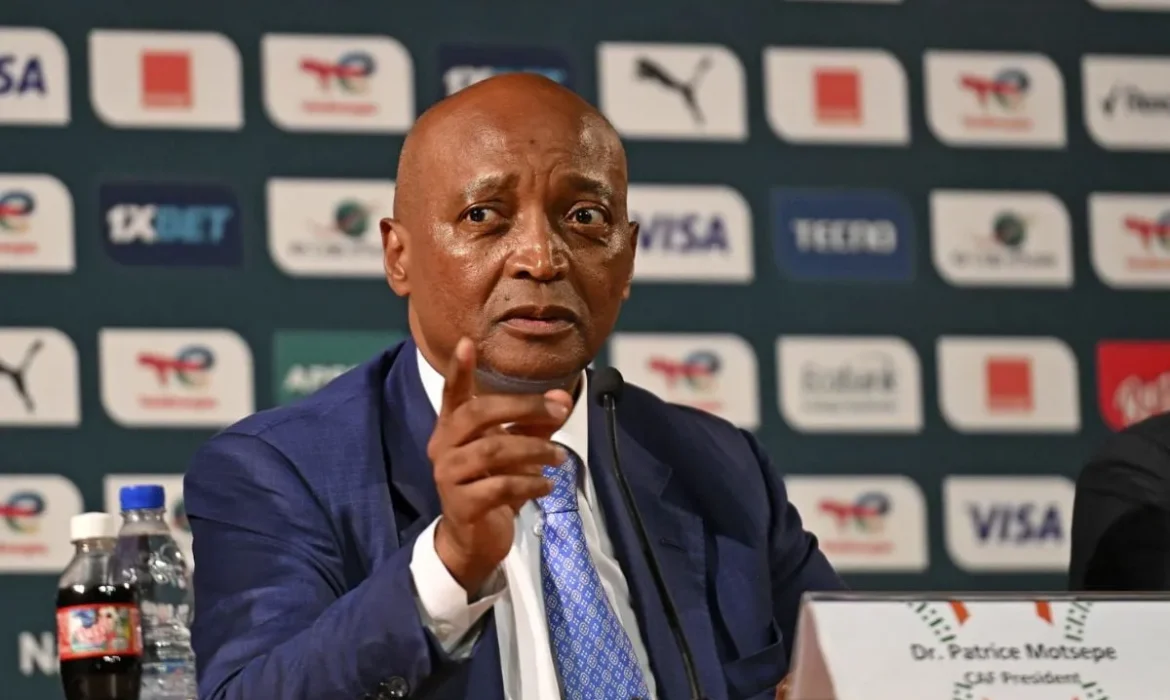
In Morocco, a press conference involving Patrice Motsepe has sparked fresh debate over refereeing transparency in African football. Asked about a possible intervention by refereeing official Olivier Savary, the president of the Confederation of African Football declined to give a direct response.
CAF Sticks to “Ongoing Procedure” Line
Instead of addressing the allegations head-on — including claims that referees may have received instructions regarding yellow cards — Motsepe redirected the question to the organization’s secretary general.
The response remained cautious, emphasizing that a procedure is currently underway, without confirming or denying the claims.
Silence Raises Questions
This lack of clarity has fueled speculation, particularly as Morocco continues to host major continental football events. Observers note that transparency is crucial to maintaining trust in officiating decisions.
A Test for CAF’s Image
As Morocco strengthens its reputation as a leading football destination in Africa, controversies like this highlight the importance of clear governance at the continental level. The CAF now faces mounting pressure to ensure accountability and transparency.