Morocco officially arrives in the United States to begin World Cup 2026 preparations
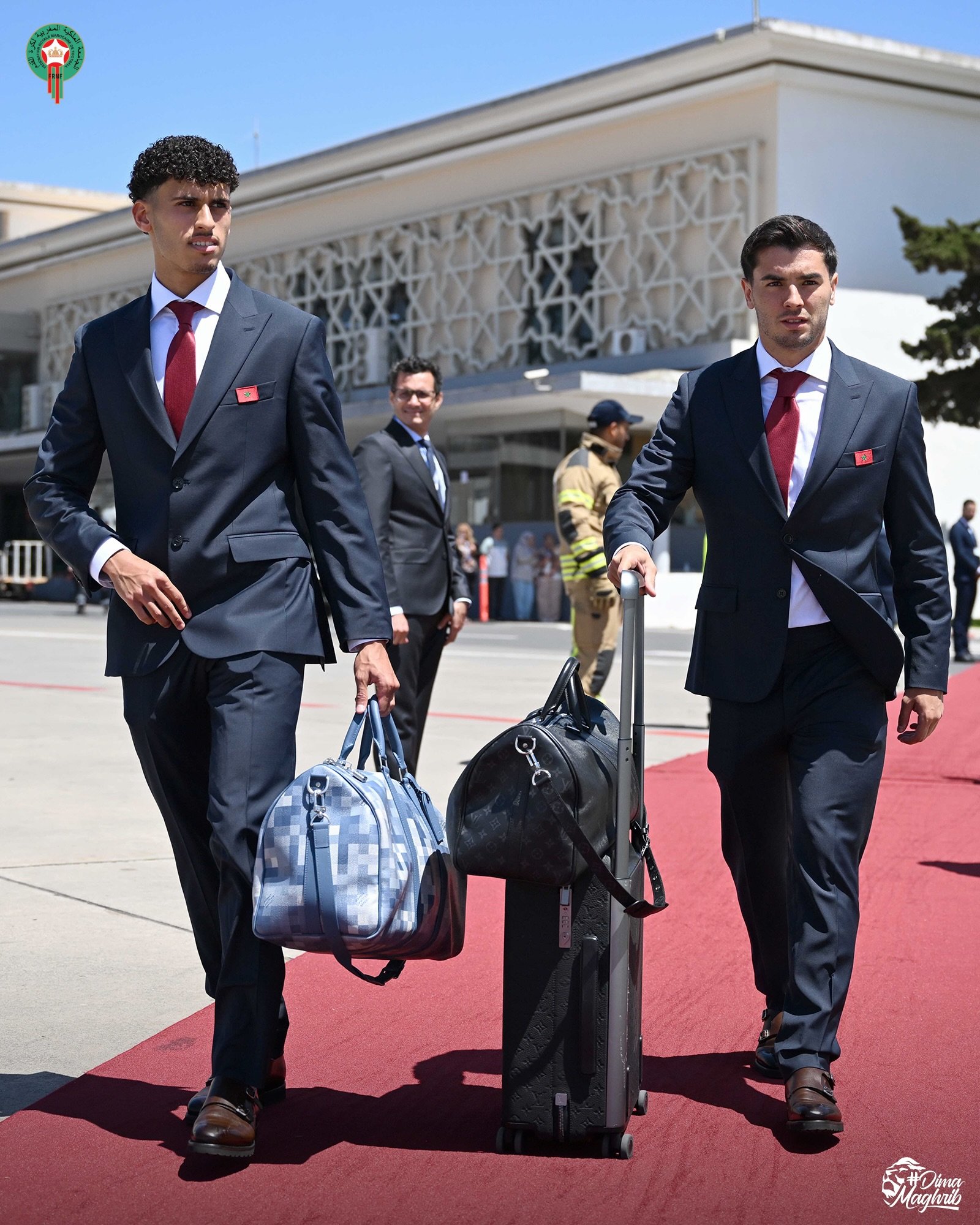
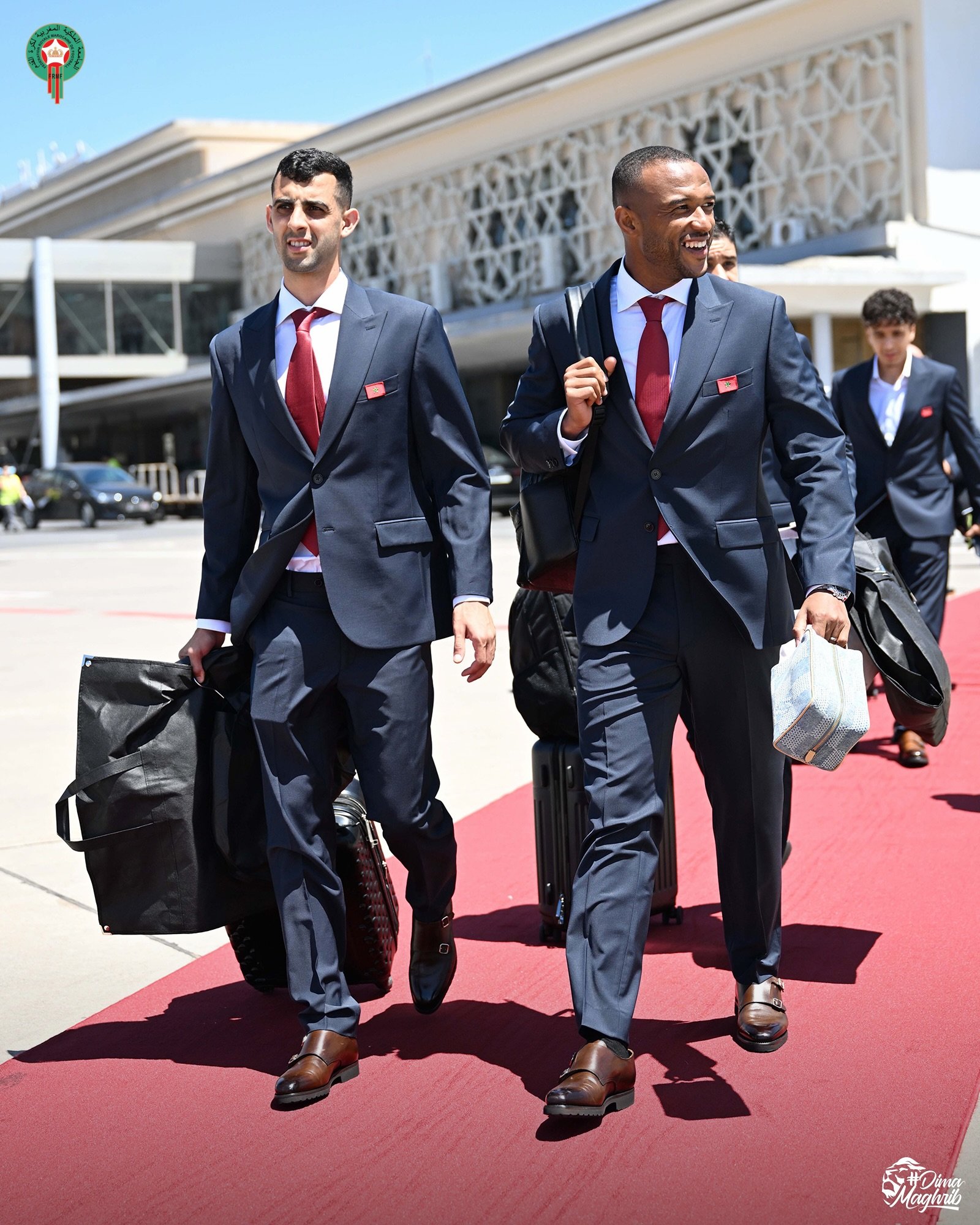
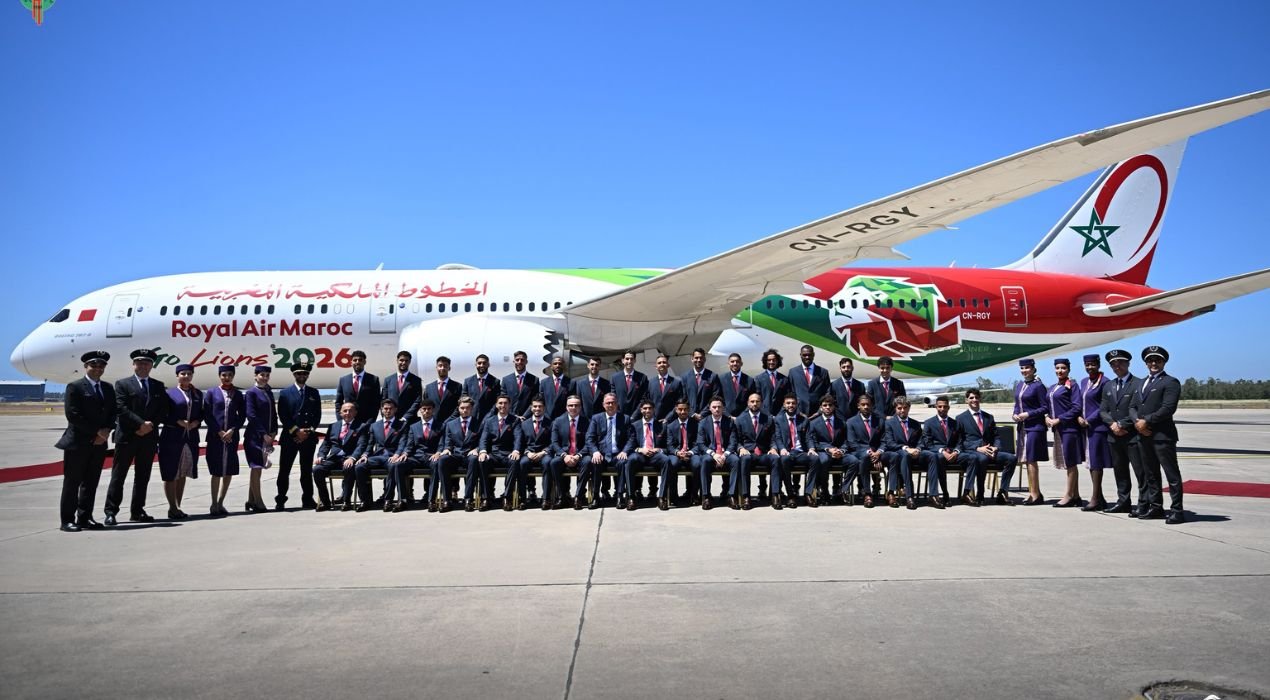
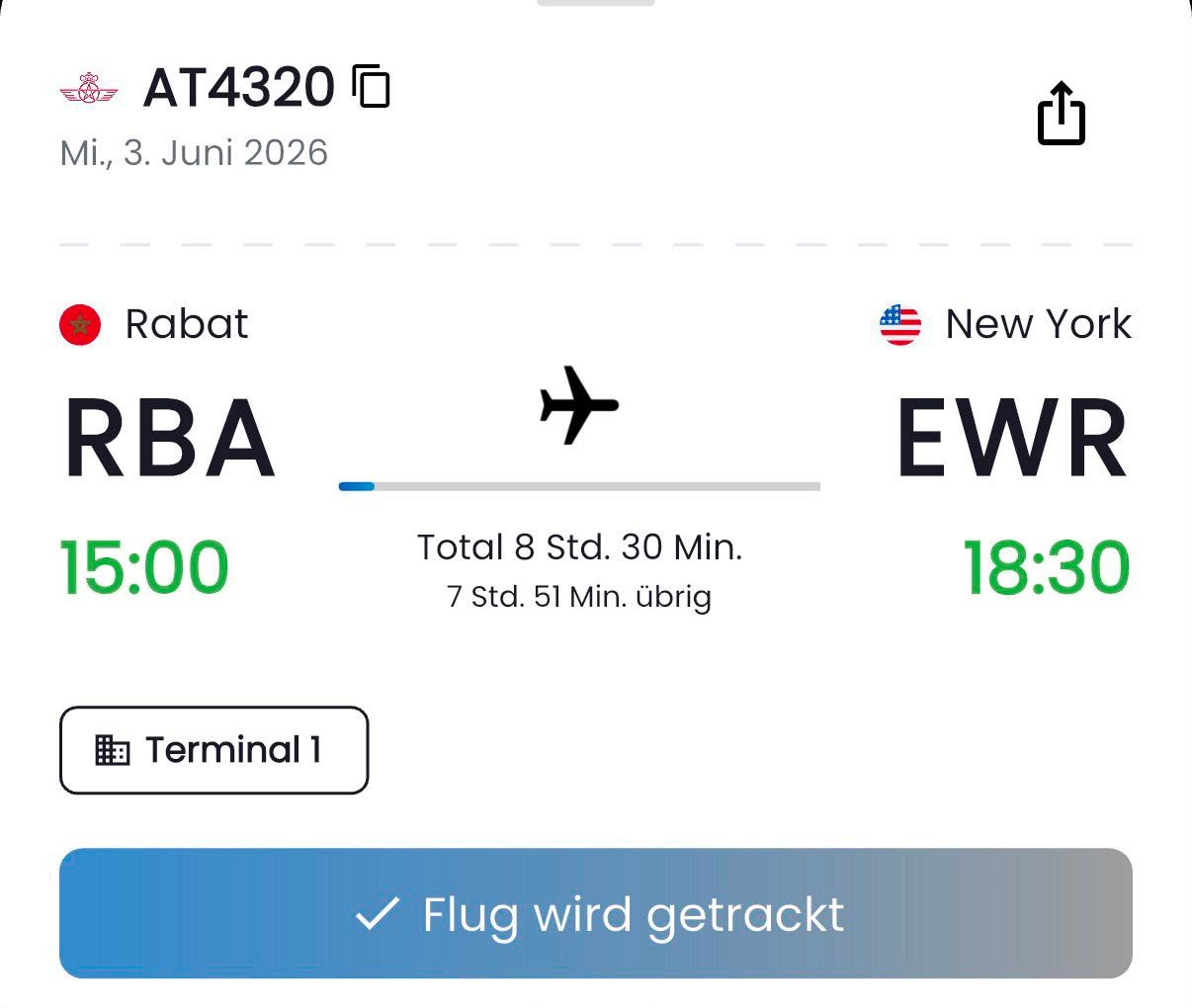
The Morocco national football team has officially arrived in the United States on June 3, 2026, marking the start of its final preparation phase for the Coupe du monde 2026. The Atlas Lions are now fully focused on building momentum ahead of the global tournament hosted across the United States, Canada and Mexico.
Focus on adaptation and fine-tuning
Now based on American soil, the Moroccan squad enters a crucial adaptation phase. The program includes recovery sessions, tactical adjustments, and gradual integration of all players into the team environment. The technical staff aims to fine-tune performance details and ensure optimal readiness ahead of the competition.
A confident and ambitious Morocco
Following strong recent international performances, Morocco enters the World Cup with high expectations and renewed confidence. No longer seen as an outsider, the team is aiming to build on its 2022 success and push even further in 2026.
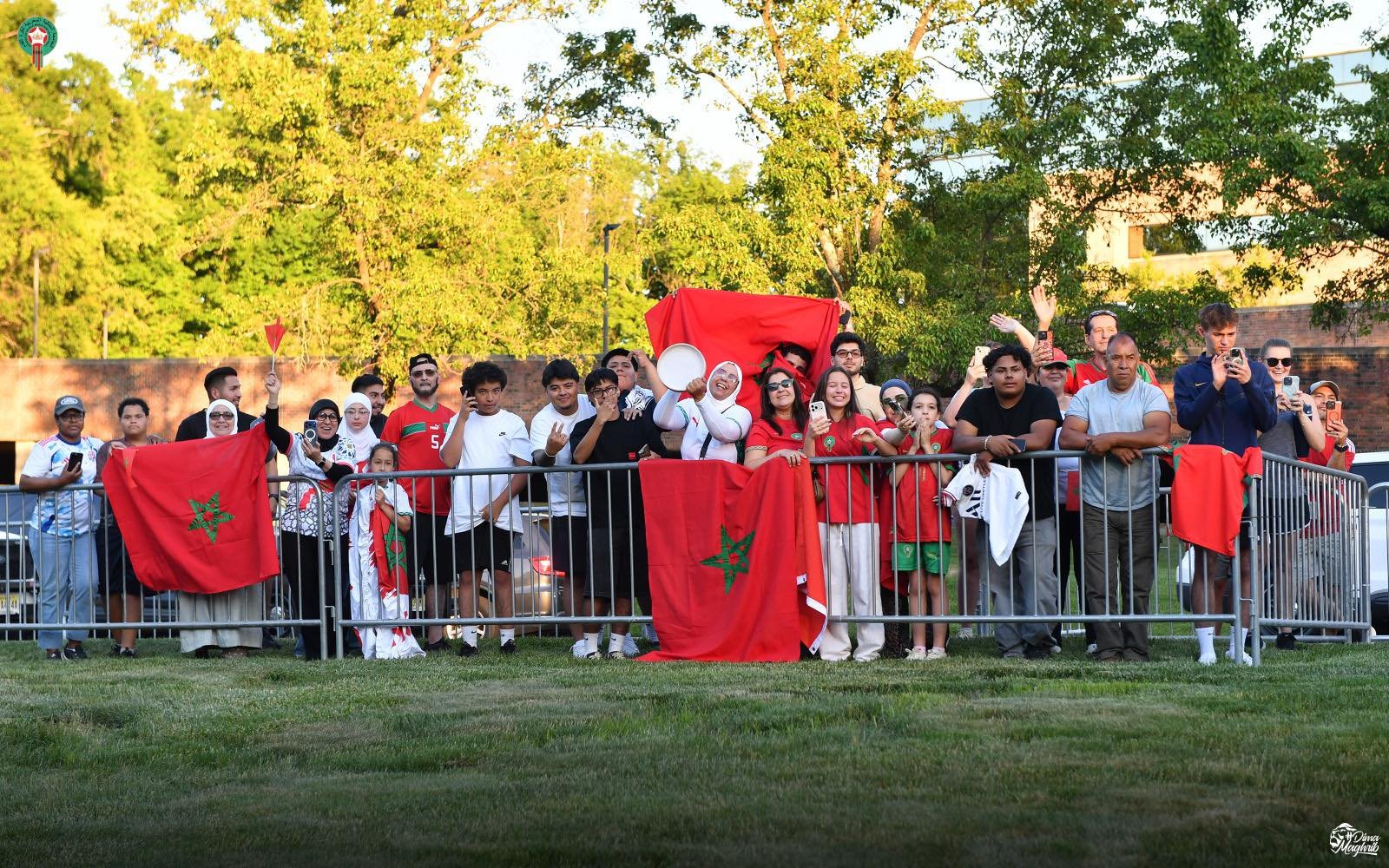
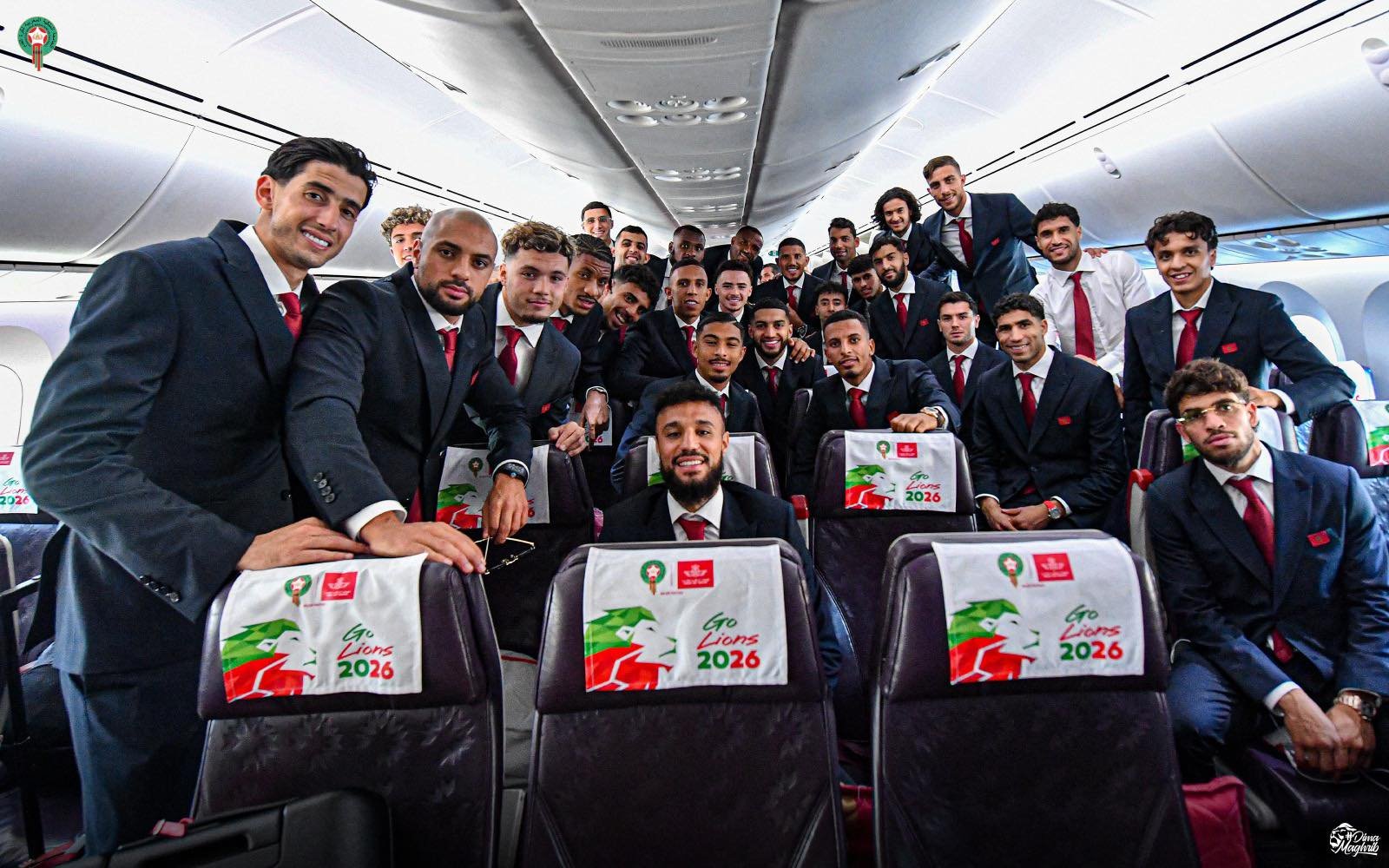








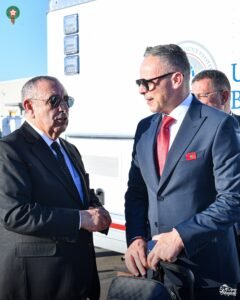
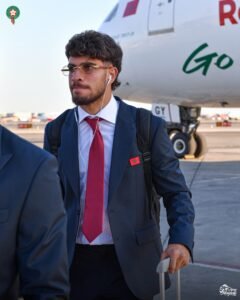
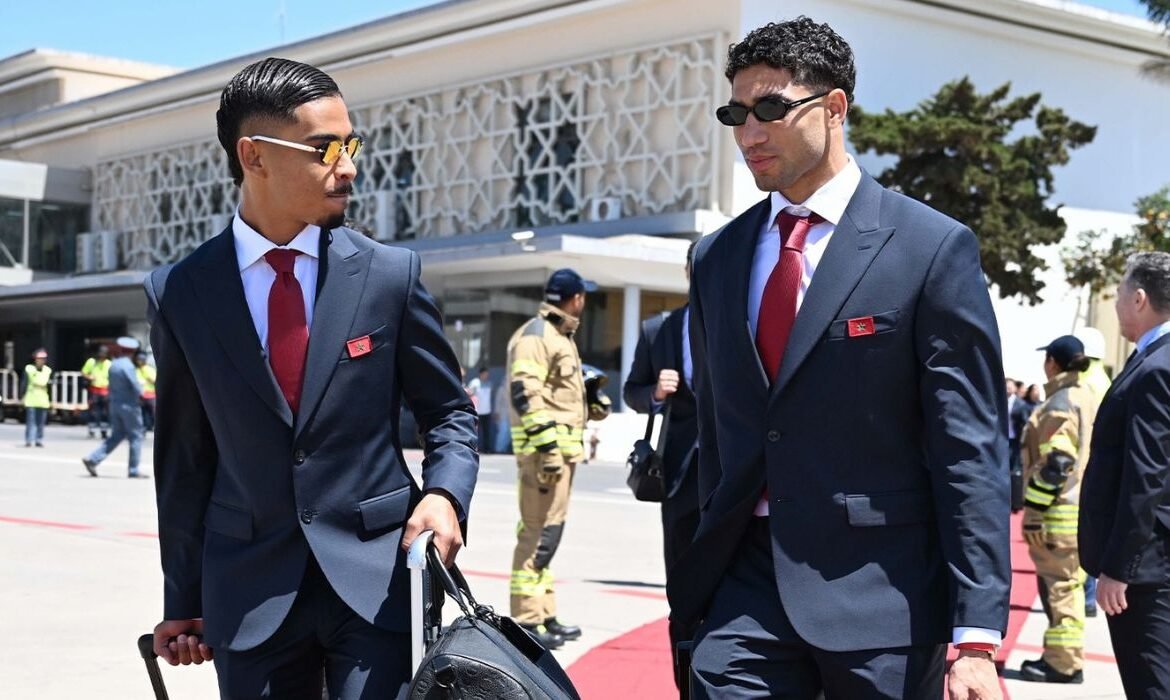
2026 World Cup: Morocco heads to the United States with the ambition of doing better than 2022
The Morocco national football team has officially left for the United States on June 3, 2026, to begin its final preparation phase ahead of the Coupe du monde 2026. The Atlas Lions arrive with high expectations following their historic semi-final run in 2022, aiming this time to go even further on the global stage.
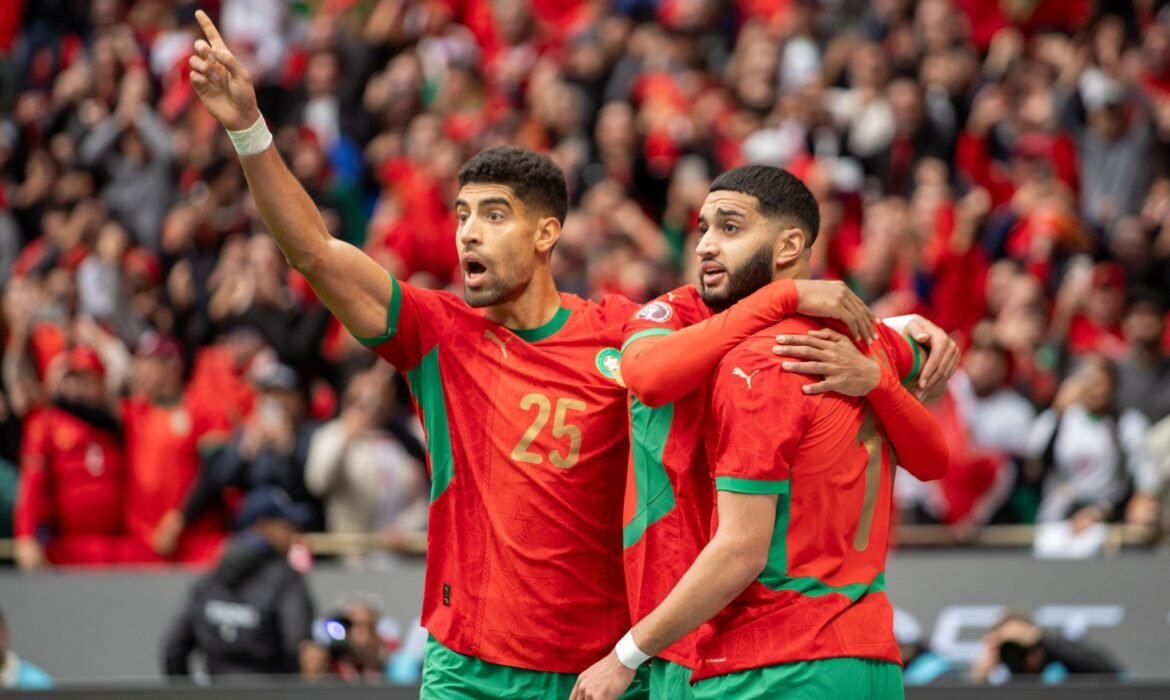
This departure marks the beginning of Morocco’s World Cup journey. The squad combines experience, tactical discipline, and a strong winning mentality built over recent years. Led by captain Achraf Hakimi, the team is determined to confirm its status among the world’s elite national sides.
A new chapter in Morocco’s football history
No longer seen as outsiders, Morocco enters the 2026 World Cup with the ambition of building on its previous success and achieving an even deeper run in the competition.
Morocco on track to dominate Group C of the 2026 World Cup
As the Coupe du monde 2026 approaches, Group C is rapidly emerging as one of the tournament’s most intriguing storylines. Much of that attention is being driven by Morocco, which continued its impressive run with a commanding 4-0 victory over Madagascar in a pre-tournament friendly on June 2. Midfielder Ismael Saibari scored twice as the Atlas Lions extended their unbeaten streak to 27 matches.
Confidence growing around the Atlas Lions
Four years after their historic World Cup semi-final run, Morocco enters the competition with renewed confidence and growing international respect. Led by captain Achraf Hakimi, the team has combined experienced leaders with an emerging generation of talent. Their tactical organization, consistency and winning mentality have made them one of the most closely watched teams heading into the tournament.
More than an outsider
Morocco is no longer viewed simply as a surprise package. Instead, many observers now consider the Atlas Lions among the strongest challengers outside the traditional football powers. With Brazil, Scotland and Haiti sharing the same group, Group C promises drama, quality and global attention from the opening round onward.
European investment strengthens Morocco’s role as a Mediterranean gateway
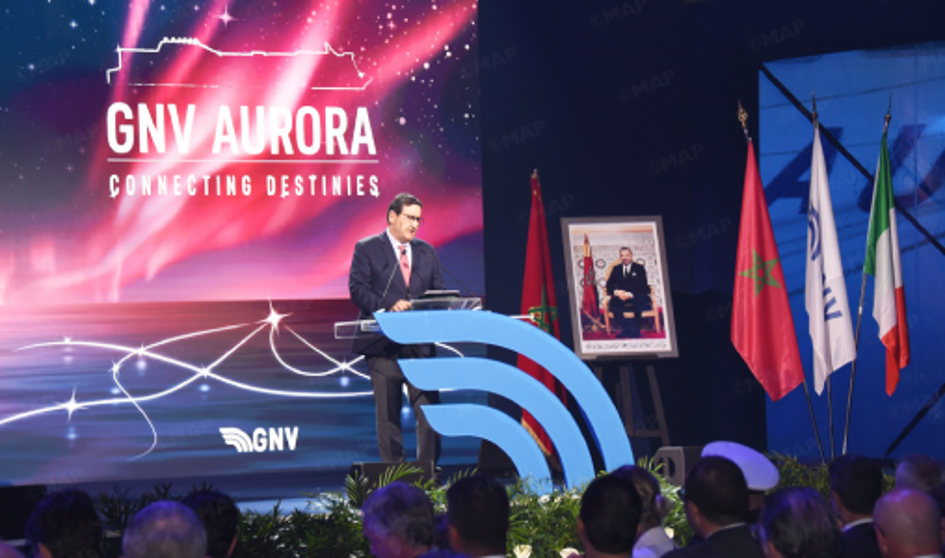
Morocco’s strategic position between Europe and Africa continues to attract major international investment, with MSC and its ferry subsidiary GNV committing €1.3 billion to fleet modernization as part of their long-term 2030 vision. A key element of the investment is the deployment of two brand-new LNG-powered ferries on routes connecting Europe and Morocco.
Building connectivity for the future
The decision reflects growing confidence in Morocco’s role as a major transportation and logistics hub in the Mediterranean region. With world-class ports, expanding infrastructure and strong economic links to Europe, Morocco continues to strengthen its position as a preferred destination for trade, tourism and investment. The timing is also significant as the country prepares to co-host the Coupe du monde 2030, an event expected to further accelerate infrastructure development and international connectivity.
A vote of confidence in Morocco’s long-term vision
By aligning its investment strategy with the horizon of 2030, MSC is highlighting Morocco’s growing importance within regional transport networks and its attractiveness as a destination for long-term international capital.
Rabat shines as Africa’s only Diamond League destination in 2026
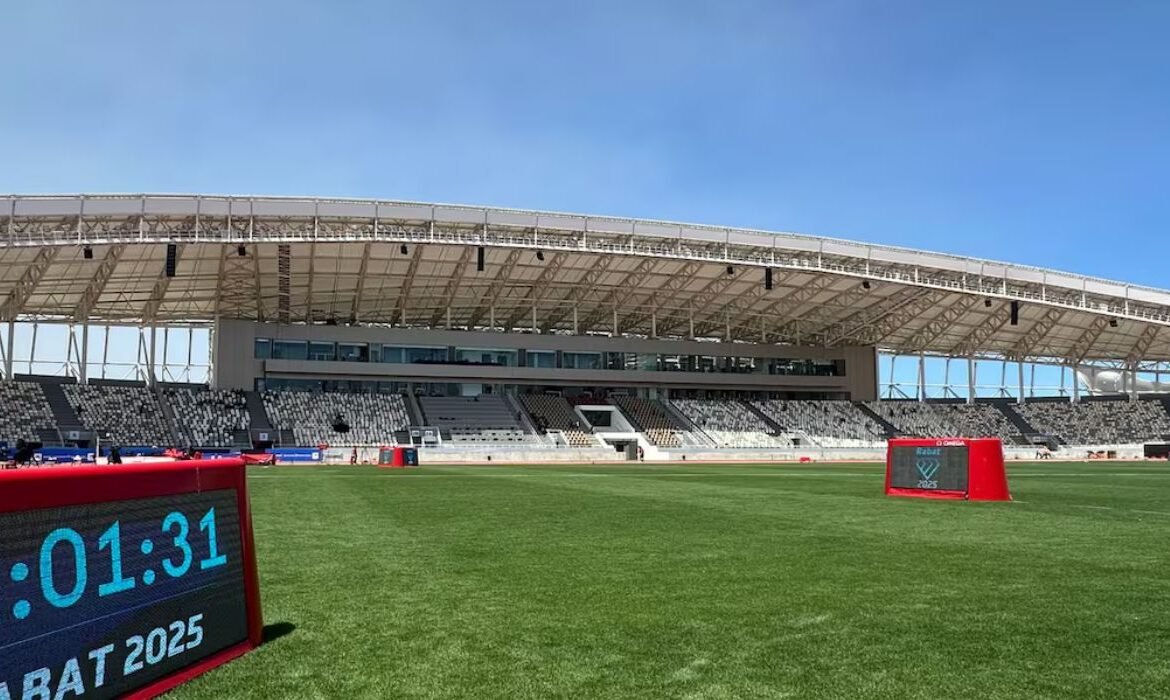
The city of Rabat once again took center stage in global athletics as it hosted the African leg of the prestigious Diamond League on June 1. As the only African stop on the international circuit, the event showcased Morocco’s growing reputation as a destination capable of delivering world-class sporting experiences.
Global stars compete in Morocco
The meeting featured some of the biggest names in athletics, including Morocco’s Olympic champion Soufiane El Bakkali, who lined up for a highly anticipated showdown in the 3,000m steeplechase against world champion Geordie Beamish. Olympic 400m gold medallist Quincy Hall was also among the headline attractions, further elevating the international profile of the event.
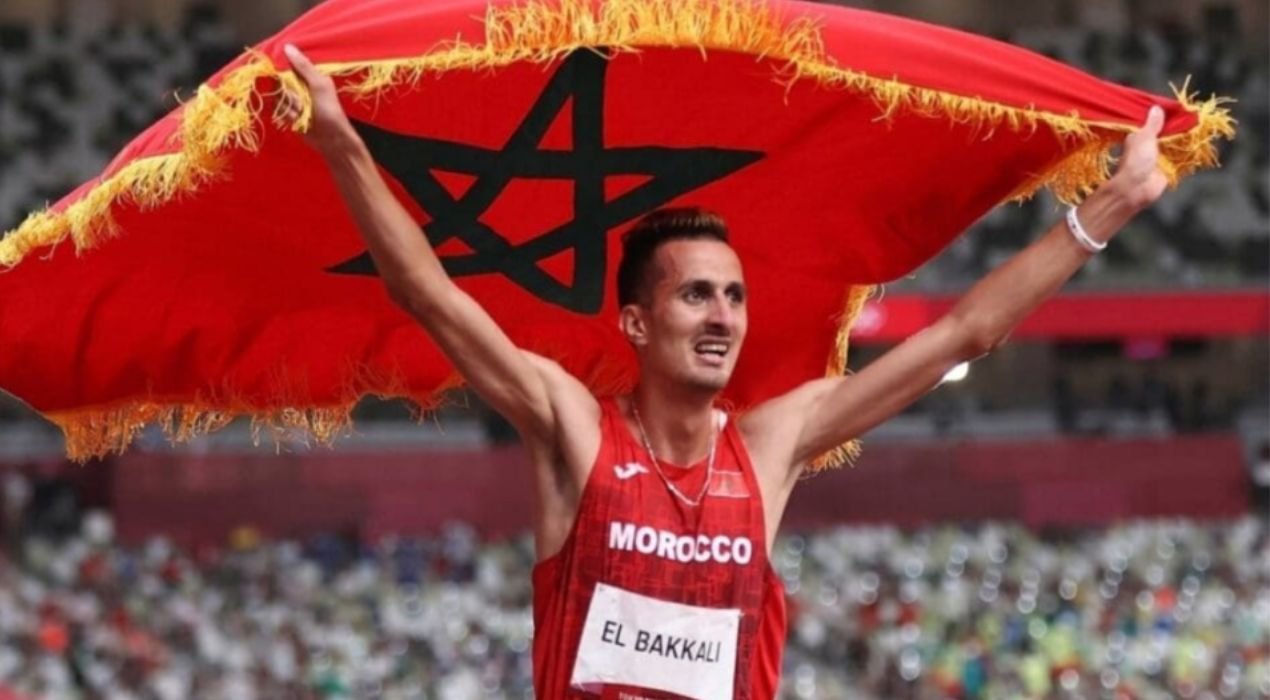
Strengthening Morocco’s global sports reputation
Hosting the continent’s only Diamond League meeting reinforces Morocco’s status as a leading sports destination and a trusted host for elite international competitions. The event also highlights the country’s continued investment in modern sports infrastructure and its growing role in attracting major global events across multiple disciplines.
For Morocco, the Diamond League is more than a sporting competition—it is another opportunity to showcase its organizational expertise, hospitality, and international appeal to a worldwide audience.
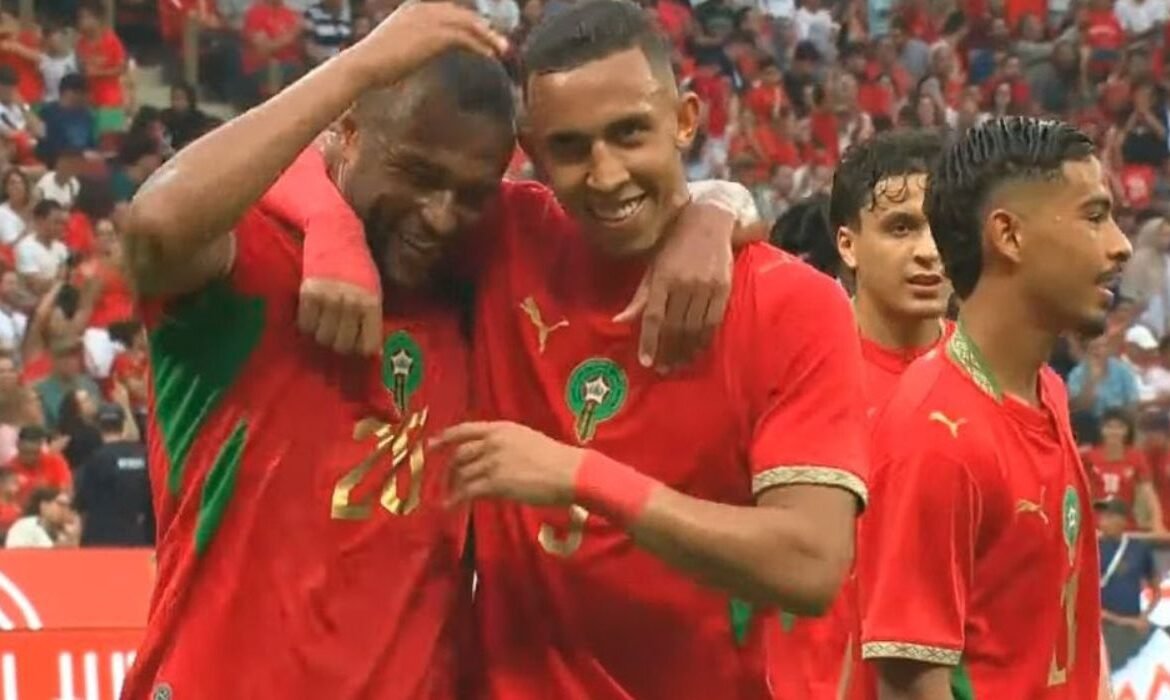
Morocco secures a confident victory against Madagascar ahead of the 2026 World Cup
As part of its final preparations for the Coupe du monde 2026, Morocco secured a comfortable 4–0 victory over Madagascar on Tuesday, June 2, 2026, at the Prince Moulay Abdellah Stadium in Rabat. The 2022 World Cup semi-finalists extended their remarkable unbeaten run to 27 matches, reinforcing their status as one of the most consistent national teams on the international stage.
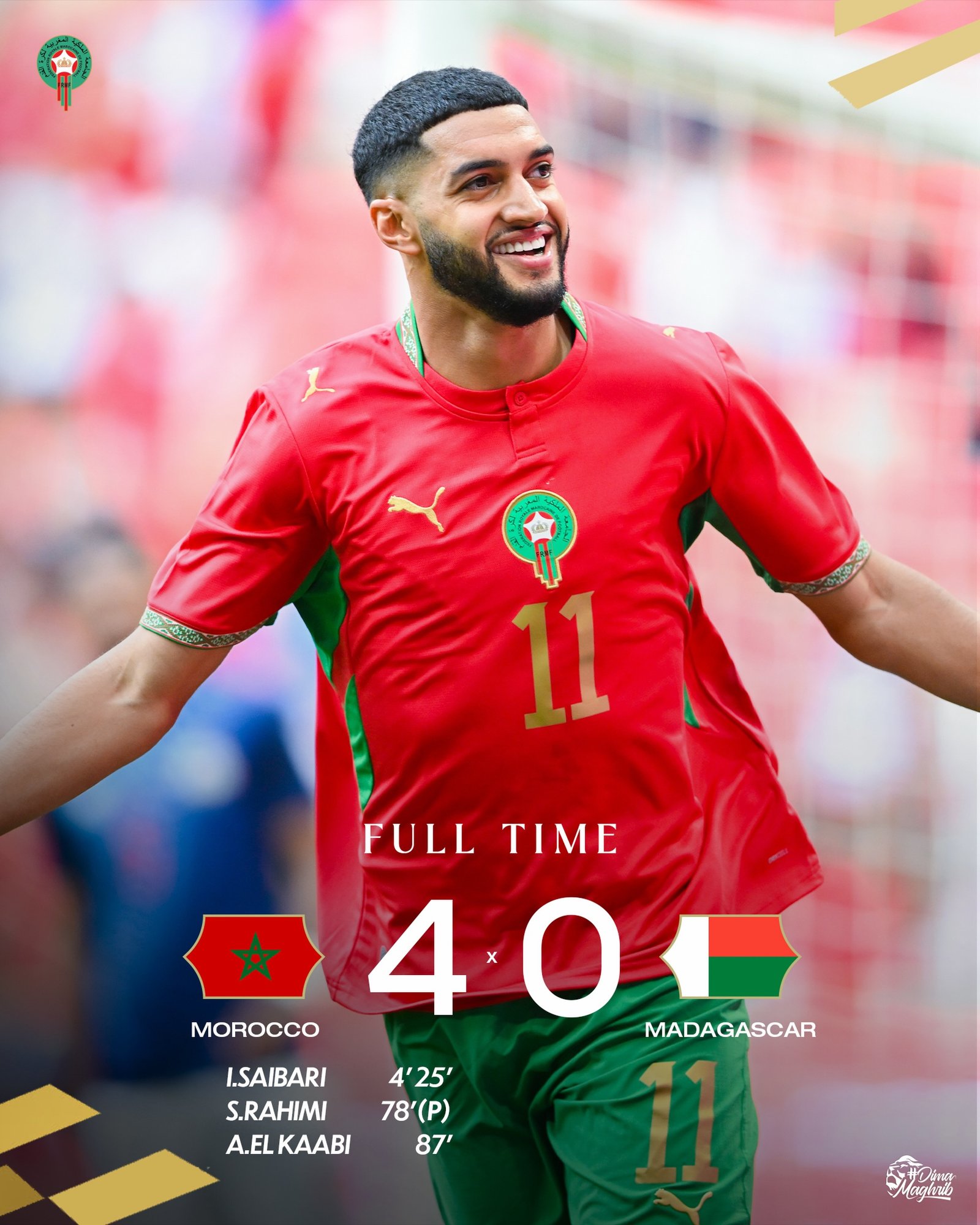
Strong momentum before the final preparation phase
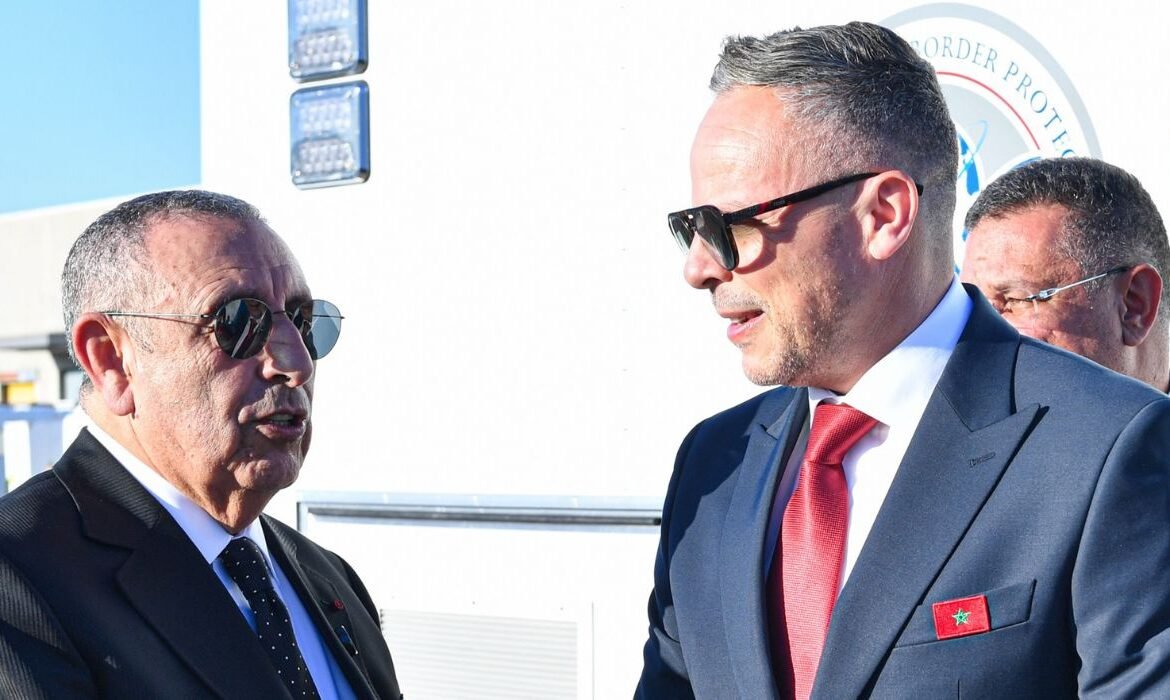
The match showcased Morocco’s depth and tactical discipline as they continue to build momentum ahead of their upcoming fixture against Norway on June 5, before departing for the United States. Beyond the sporting performance, the event also carried a strong symbolic dimension. Held in the presence of diplomatic representatives, the match reflected Morocco’s ability to combine elite sport with international visibility and institutional stability.
A statement of confidence and continuity
Since their historic 2022 campaign, Morocco has maintained a consistent trajectory at the highest level, positioning itself as a reference point in global football development. This latest victory further strengthens the country’s image as a stable, competitive, and globally engaged sporting nation ahead of the 2026 World Cup.
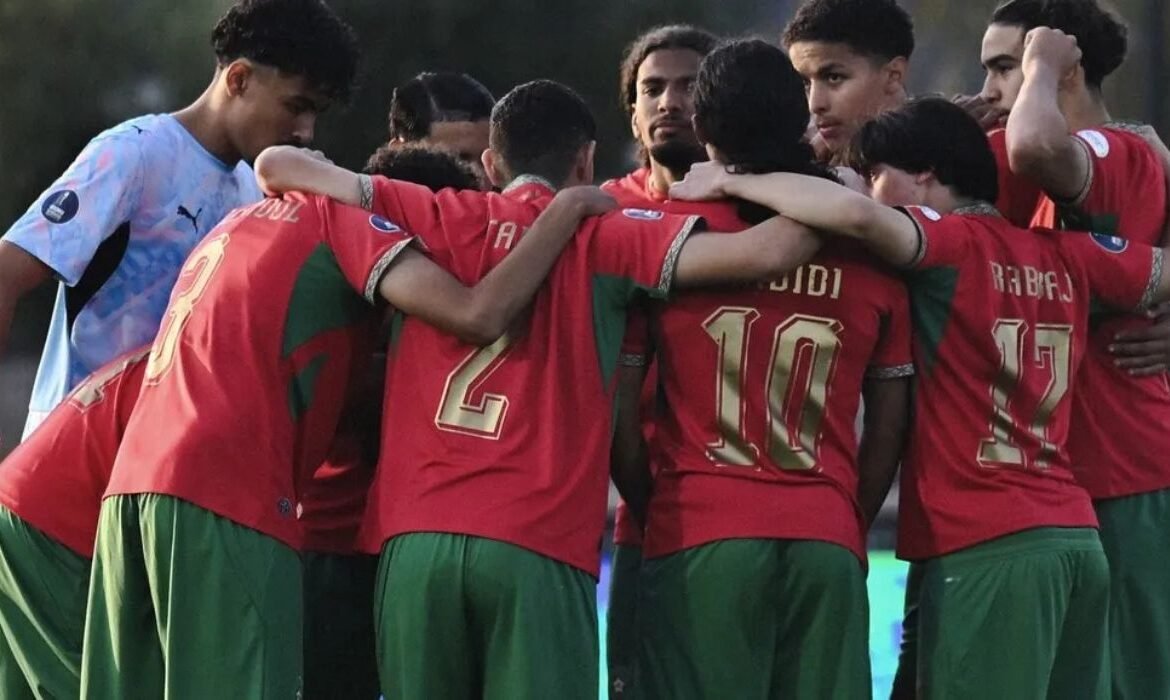
CAN U17 2026: Morocco just off the podium, World Cup qualification achieved
Morocco’s U17 national team concluded their campaign at the CAN U17 2026 in fourth place after a 2–0 defeat against Egypt in the third-place playoff on Monday, June 1, 2026, at the Mohammed VI Football Complex. Despite missing out on a podium finish, the Young Atlas Lions achieved their main objective: qualification for the next FIFA U-17 World Cup, the primary target of the continental competition.
A generally encouraging tournament for Morocco’s U17 squad
Although the disappointment of narrowly missing out on a medal remains, Morocco’s overall campaign at the U17 Africa Cup of Nations 2026 showed positive signs. Throughout the tournament, the young Moroccan side displayed promising passages of play, tactical discipline, and strong collective progress against Africa’s best youth teams. This performance also confirms Morocco’s consistency in youth development competitions and strengthens expectations for the future.

Focus shifts to the World Cup challenge
While the fourth-place finish leaves a sense of unfinished business, it fits into a broader positive trajectory for Moroccan youth football. The key takeaway from this campaign is qualification for the FIFA U-17 World Cup, where the Young Atlas Lions will aim to translate their continental experience into stronger global performances and further showcase the progress of Moroccan football development.
African development bank commits record €1.3 billion to Morocco’s development agenda
The Banque africaine de développement has announced a record €1.3 billion financing package for Morocco, marking its largest annual commitment ever to a single African country. This landmark investment highlights Morocco’s growing role as a leading development and investment destination on the African continent.
Supporting infrastructure, innovation and human capital
The funding will be directed toward key sectors including airport infrastructure, local development projects, entrepreneurship, agriculture, and climate resilience initiatives. More than €200 million will specifically target youth and women skills development programs, reinforcing Morocco’s long-term strategy for inclusive and sustainable growth.
A strong vote of confidence in Morocco’s development model
This unprecedented level of support from Africa’s leading development bank signals strong confidence in Morocco’s economic trajectory and institutional stability. It also reinforces the country’s position as a reliable partner for large-scale development projects, while strengthening its role as a bridge between Africa, Europe, and global investment flows.
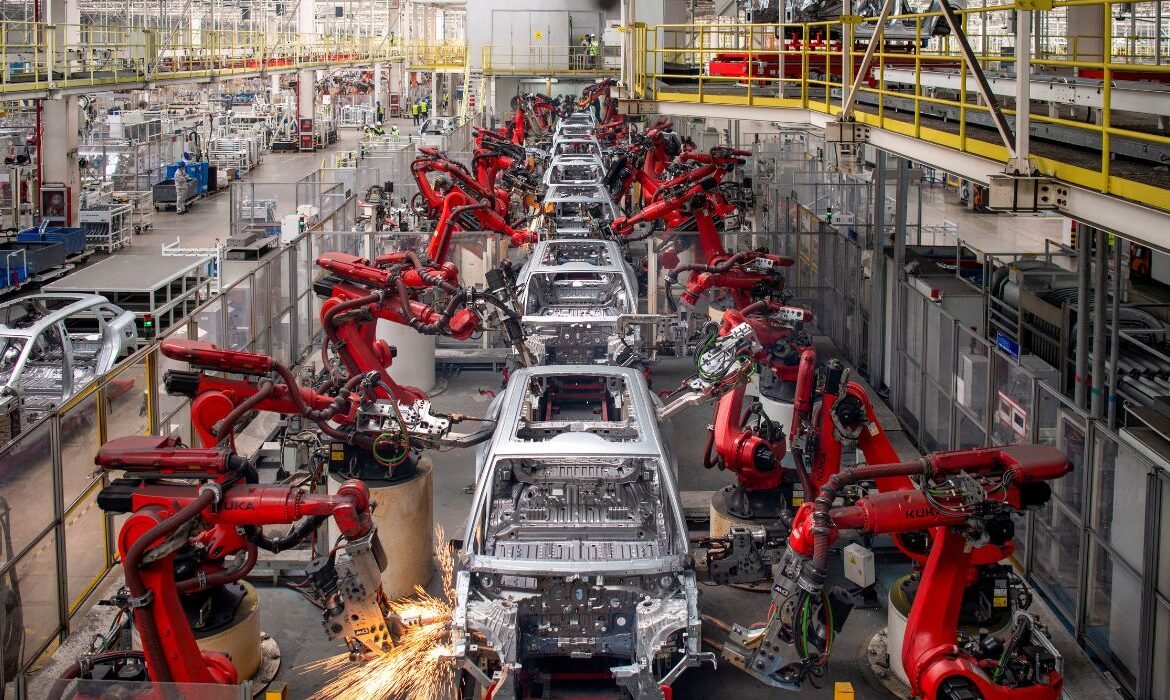
Morocco emerges as a global EV manufacturing hub with $6 Billion chinese investment
Morocco is strengthening its position as a rising industrial and investment hub following reports of a major $6 billion commitment from China into its electric vehicle (EV) ecosystem. According to Business Insider Africa, the investment includes the development of a $1.3 billion battery gigafactory, marking a significant step in the country’s industrial transformation. This development places Morocco at the heart of the global EV supply chain, reinforcing its role as a strategic bridge between Europe, Africa, and Asia.
A strategic industrial gateway
Supported by its geographic proximity to Europe and strong trade agreements, Morocco is increasingly viewed as a competitive manufacturing base for next-generation industries, particularly electric mobility. Analysts from the Stimson Center highlight Morocco’s integration into broader global industrial trends linked to clean energy and supply chain diversification.
At the same time, the evolving global competition around EV production places Morocco in a unique position within the broader international industrial landscape, including relations with the European Union.
Building long-term industrial value
Beyond investment figures, this momentum reflects Morocco’s long-term strategy to attract high-value industries, foster technology transfer, and create skilled employment opportunities. The country continues to position itself as a stable and competitive destination for global investors seeking access to both African and European markets.
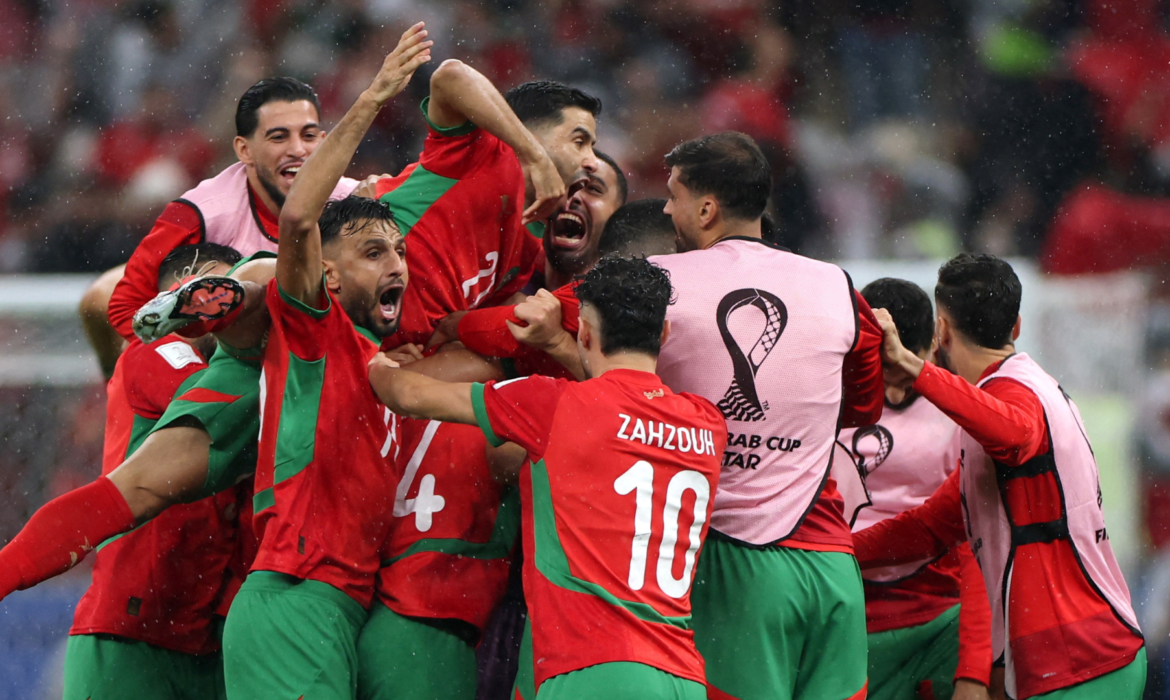
Morocco at the 2026 World Cup: A nation on the global stage
As the world prepares for the Coupe du monde 2026, Morocco steps forward not only as a football competitor, but as a global ambassador of African excellence and national pride. Building on its historic 2022 campaign, where the country reached the semi-finals for the first time in African football history, Morocco now presents a 26-player squad blending experience and international talent from across Europe and beyond.
At the heart of this new generation stands Achraf Hakimi, a symbol of modern Moroccan football and a global sporting icon. Morocco has been drawn into a challenging group alongside the Brésil national football team, the Écosse national football team, and the Haïti national football team. The journey begins on June 14 in Boston against Haiti, followed by a marquee clash with Brazil on June 24 in Miami.
Beyond football, Morocco’s presence at the World Cup continues to strengthen its global visibility. The 2022 breakthrough created a lasting legacy, and 2026 represents a continuation of that story on an even larger stage.
Each match offers Morocco an opportunity to showcase its identity, unity, and international outlook — a country deeply rooted in African heritage while fully connected to the world.