UN-AU: Omar Hilale at the heart of peace talks
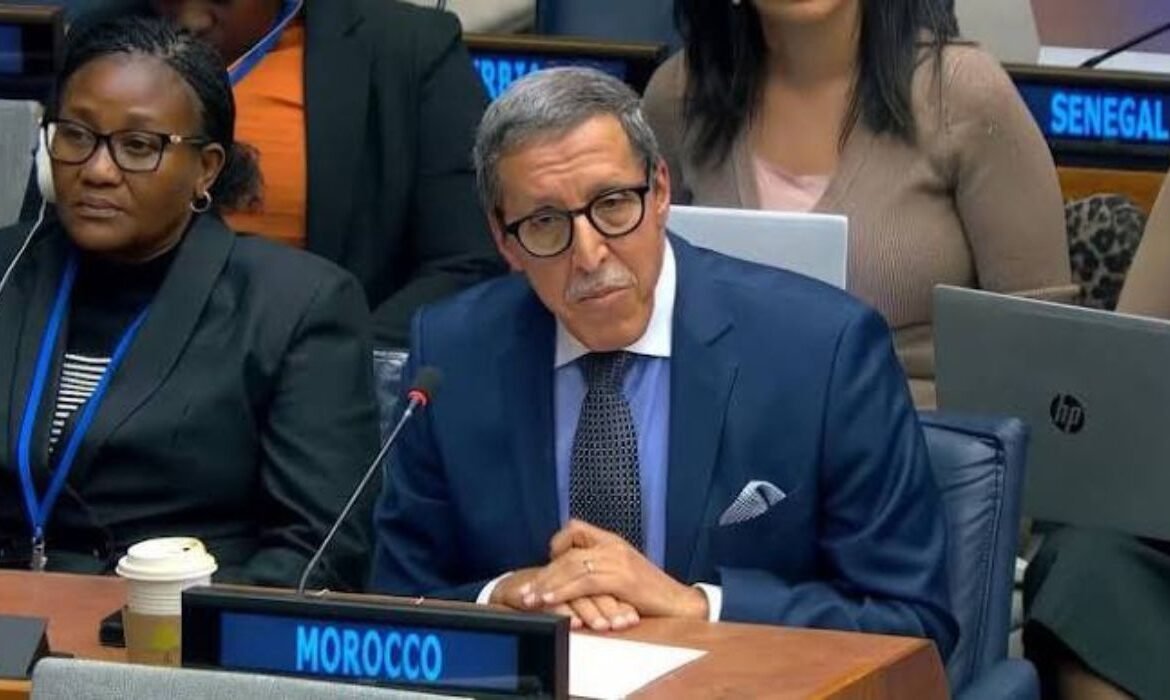
In New York, Morocco’s Permanent Representative to the United Nations, Omar Hilale, co-chaired the ninth annual consultative meeting between the UN Peacebuilding Commission and the African Union Peace and Security Council.
Morocco is consolidating its position as a key facilitator in the diplomatic dialogue between the United Nations and the African Union. On Wednesday 21 October 2026 in New York, Omar Hilale, the Kingdom’s Permanent Representative to the UN and Chair of the UN Peacebuilding Commission, co-chaired the ninth annual consultative meeting with the AU Peace and Security Council. This strategic meeting brings together the two main bodies responsible for supporting vulnerable countries in emerging from crises and preventing the emergence of conflicts on the continent.
Morocco: a bridge between the UN and Africa
Elected Chair of the Peacebuilding Commission in January 2026, Omar Hilale chaired this high-level meeting alongside the current Chair of the Peace and Security Council of the African Union. By spearheading this major initiative, the Moroccan diplomat reaffirms the Kingdom’s central role in promoting pragmatic and solidarity-based multilateralism, in perfect alignment with the strategic vision set out by His Majesty King Mohammed VI for Africa’s stability and shared development. The outcome of the discussions was marked by the unanimous adoption of a joint communiqué setting out the framework for a work programme extending until 2027.
Strategic follow-up commitments until 2027
This founding text provides for the establishment of regular monitoring mechanisms and the strengthening of regional cooperation, by aligning international interventions with the peace priorities defined sovereignly by the African states themselves. The fundamental objective of this strengthened partnership is to improve the coordination of actions carried out on the ground by the UN and the African Union, in order to avoid a fragmentation of efforts and maximise the impact of stabilisation policies. For the Moroccan Chair of the Commission, the commitment made in New York entails rigorous follow-up work to translate diplomatic guidelines into concrete and measurable results, with a view to building lasting peace on the continent.
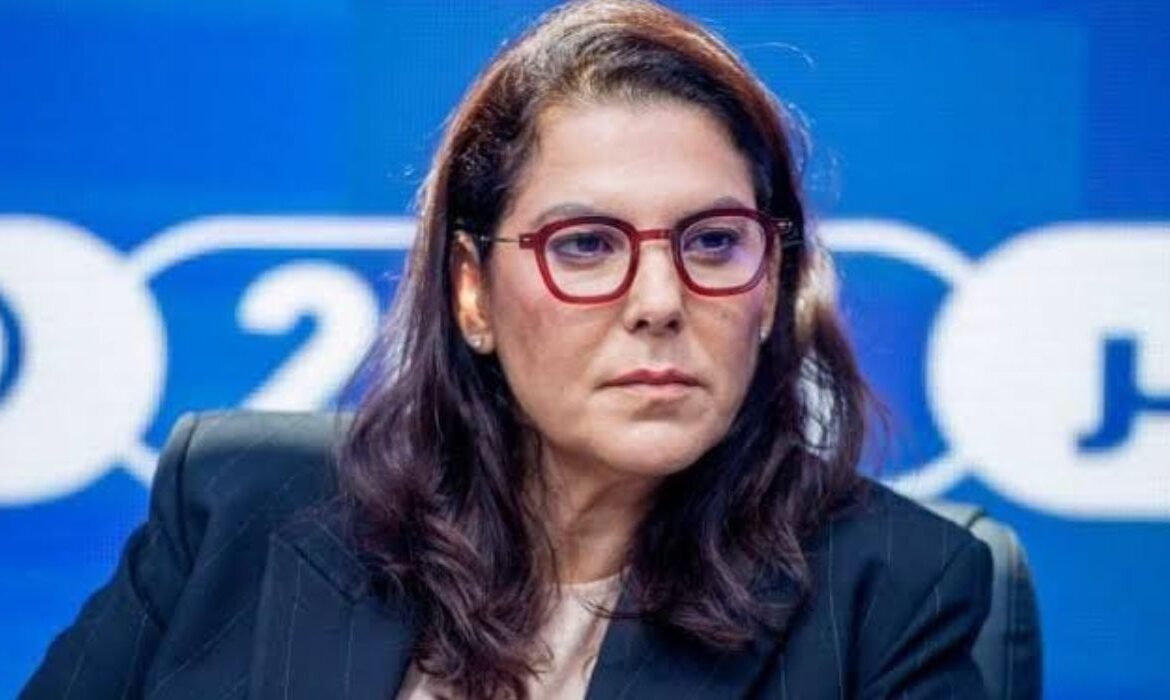
El Mansouri’s Government : Commitments Under Review
Backed by a clear majority in the House of Representatives, the new government led by Fatima Ezzahra El Mansouri has committed to specific targets. Purchasing power, employment, health and education must now be reflected in measurable results in people’s daily lives.
The government led by Fatima Ezzahra El Mansouri now has the parliamentary legitimacy to carry out public policy. On Thursday 22 October 2026, the House of Representatives voted in favour of the government’s programme for the period 2026–2031, with 204 votes in favour and 127 against. This vote of confidence followed a lively and rigorous debate on the major national priorities. From tackling the high cost of living and creating jobs to modernising healthcare services, reforming the education system and combating corruption, the expectations voiced in the Chamber accurately reflect the aspirations of public opinion. The key challenge for the executive now is to transform these policy directions into tangible achievements for citizens.
To make its case, the government’s statement is underpinned by a series of quantified commitments with significant social and economic impact. Direct social assistance paid to disadvantaged families is set to rise from 500 to 1,000 dirhams by the end of the term of office, accompanied by an automatic compensation mechanism to cover the monthly electricity bills of eligible households. At the macroeconomic level, El Mansouri’s team is targeting average annual growth of 5 per cent, inflation kept in check at around 2 per cent, and a budget deficit limited to 3 per cent of gross domestic product. Support for the local economy also includes a plan to reserve 30 per cent of the value of public procurement contracts for Moroccan small and medium-sized enterprises. The effectiveness of these measures will depend on the regular publication of monitoring indicators, for which the 2027 draft Finance Bill will serve as the very first practical test.
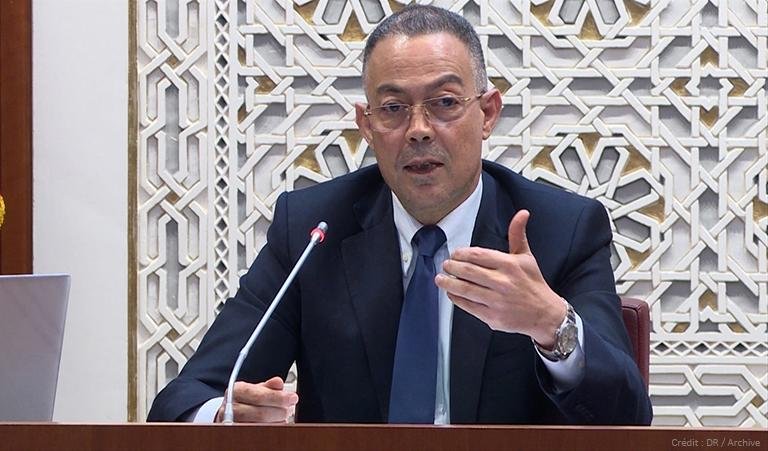
2027 Budget : Lekjaa sets out an ambitious agenda
King Mohammed VI chaired a Cabinet meeting at the Royal Palace in Rabat to discuss the general guidelines of the 2027 draft Finance Bill. Presented by Fouzi Lekjaa, this budget places citizens and the regions at the heart of public policy.
On 17 October, King Mohammed VI chaired a crucial Cabinet meeting at the Royal Palace in Rabat, focusing on the guidelines for the 2027 draft Finance Bill. Presented by Fouzi Lekjaa, Minister for the Economy, Finance and Public Performance, these guidelines place citizens at the heart of the government’s priorities. Centred on supporting purchasing power, strengthening the welfare state, youth employment, regional development and strategic sovereignty, the draft aims to provide concrete responses to the day-to-day needs of Moroccans whilst pursuing long-term ambitions.
The primary priority of this budget proposal is to safeguard purchasing power and to continue major social initiatives. The bill provides for a structural reform of markets and price regulation mechanisms from 2027, an increase in direct social assistance, and the full extension of universal healthcare coverage. It is accompanied by the ongoing modernisation of the health and education systems, complemented by the continuation of the direct housing support programme. For young people, an integrated national programme covering the period 2027–2031 will support them from career guidance and training right through to the funding of their projects. At the same time, the regions will benefit from a total budget of approximately 25 billion dirhams earmarked for new integrated territorial development programmes as part of the advanced regionalisation process.
From a strategic perspective, the 2027 Finance Act aims to strengthen the Kingdom’s sovereignty in key sectors such as water security, renewable energy, green hydrogen through the ‘Offre Maroc’ initiative, gas infrastructure, food sovereignty and the digital sector. Support for private investment and small businesses will also be strengthened through the reform of the Regional Investment Centres. These commitments are underpinned by very sound macroeconomic fundamentals, with growth projected at 4.7 per cent for 2026, inflation maintained at a very low level of 0.7 per cent, and a budget deficit gradually reduced to 3 per cent of gross domestic product before the bill is finally presented to Parliament.
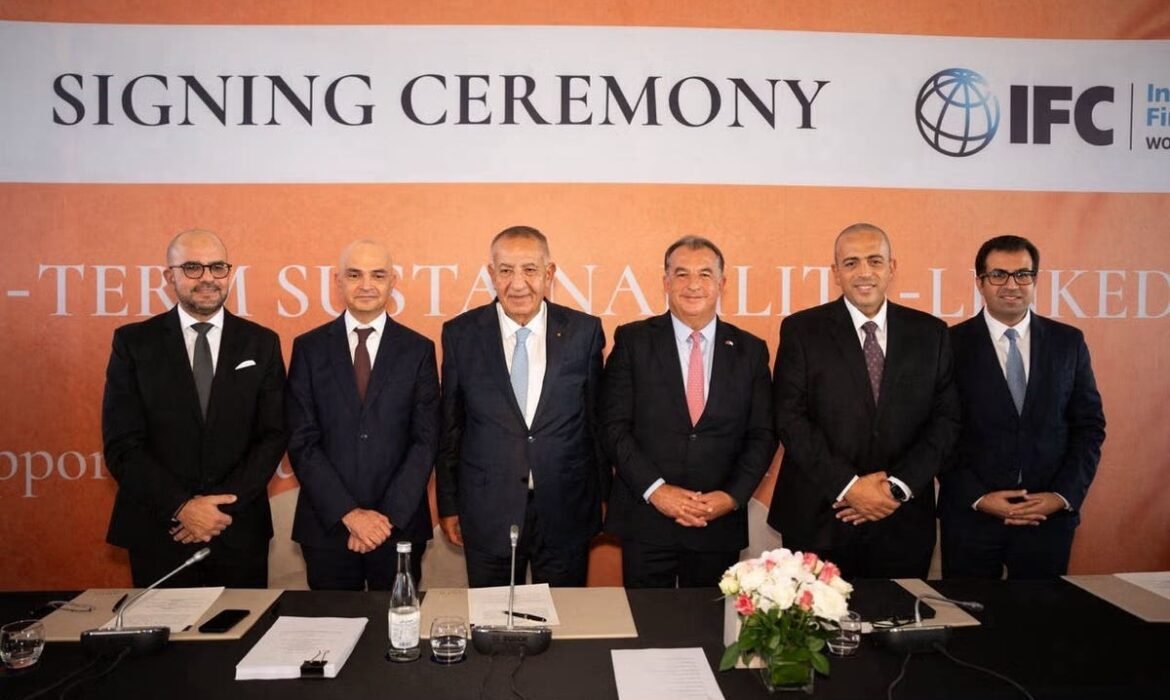
Hospitality sector : $250 million for Morocco
Morocco is accelerating the development of its hotel infrastructure with a view to welcoming 26 million tourists by 2030. A record investment of $250 million, backed by the IFC and Attijariwafa Bank, is helping to drive this momentum.
Morocco is accelerating the development of its hotel sector to meet its ambitious tourism targets. Having added 45,000 beds over the last four years, the Kingdom plans to roll out a further 60,000 beds by the time the 2030 World Cup takes place. This nationwide effort aims to support the growth of a sector that aspires to welcome 26 million visitors a year. This momentum is attracting major international and institutional investors, such as the World Bank Group through its subsidiary IFC and the financial group Attijariwafa bank, which are jointly mobilising $250 million to support the modernisation of Morocco’s hotel sector – the largest hotel financing package ever provided by the IFC in the country.
Currently boasting just over 300,000 beds, the Kingdom is aiming for a total of more than 360,000 beds by 2030, representing an increase of nearly a fifth of its overall capacity. For the Minister for Tourism, Fatim-Zahra Ammor, hosting the World Cup is a powerful catalyst for generating sustainable economic value. Projects are springing up across the country, with 75 hotels and over 10,600 rooms currently under development, around 70 per cent of which are due to open by 2027, placing Morocco second on the continent in terms of hotel construction projects. Major international chains are supporting this trend, such as the Radisson Group, which plans to triple its network in the country. The Mohammed VI Investment Fund is also contributing to this effort, backed by record visitor numbers expected to reach nearly 20 million by 2025.
The landmark financing deal formalised in Marrakesh illustrates the financial sector’s growing confidence in Morocco’s tourism roadmap. Under this agreement, the IFC is providing a loan of 165 million dollars, coupled with a funding package of 85 million dollars from Attijariwafa bank, for the benefit of the Pickalbatros Group, which has been operating in the domestic market since 2015. This programme involves the acquisition of three properties in Casablanca, as well as the refurbishment of existing facilities in Marrakech and Agadir. According to IFC projections, this operation will support more than 7,500 direct and indirect jobs by 2032, whilst generating $269 million in economic benefits. As the first green and partially blue financing granted by the IFC in Africa, this project incorporates a sustainability approach aimed at achieving EDGE environmental certification for several hotels through water and energy savings of at least 20 per cent.
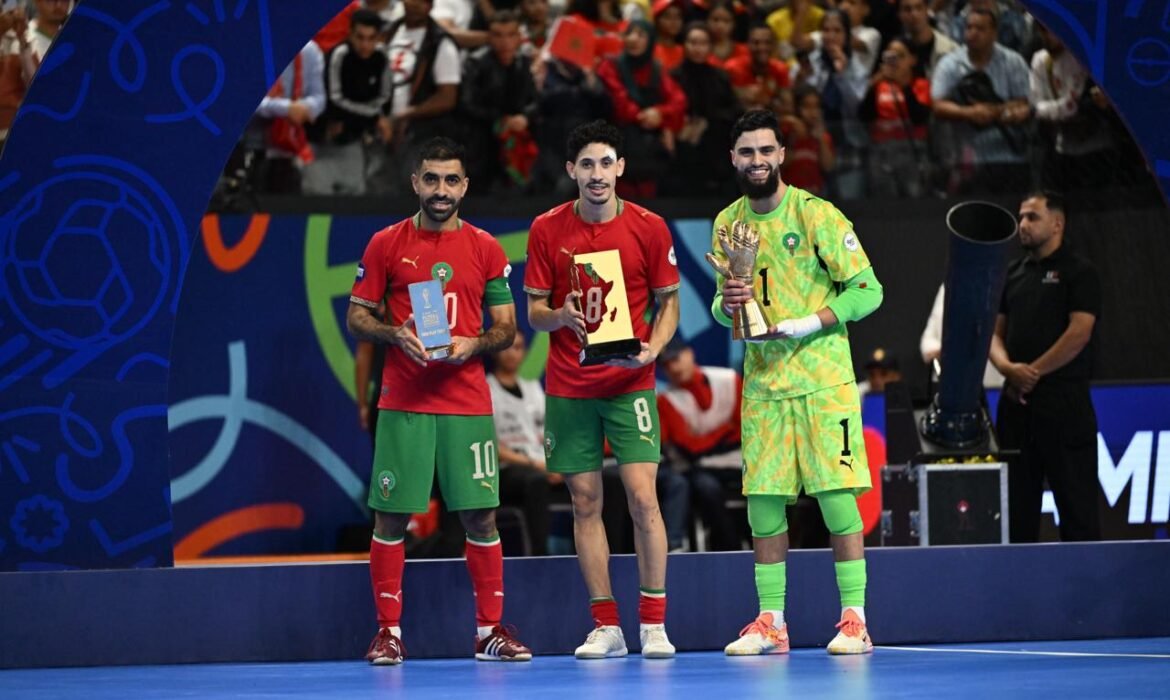
Futsal Africa Cup of Nations : Morocco takes home the individual awards
After securing their fourth consecutive continental title in Rabat, the Moroccan futsal team also dominated the individual awards at the 2026 Africa Cup of Nations. The Atlas Lions took home the trophies for best player, best goalkeeper and the fair play award.
Moroccan futsal’s supremacy on the African continent extends far beyond simply winning the team trophy. Following their 5–2 victory over Angola in the final in Rabat, the Moroccan national team swept the board, claiming the majority of the individual honours awarded by the Confederation of African Football. This haul of awards crowns a competition dominated from start to finish by Hicham Dguig’s men, confirming the technical and tactical superiority of the Moroccan side throughout this eighth edition.
A prestigious double for Youssef Jouad and Youssef Bensalam
Having delivered performances of the very highest standard throughout the tournament and once again proving decisive in the final match with a crucial goal, Moroccan international Youssef Jouad was voted the tournament’s best player. Meanwhile, national goalkeeper Youssef Bensalam received the trophy for best goalkeeper, in recognition of his decisive saves and remarkable reliability throughout Morocco’s campaign. Only the top scorer’s title eluded the Kingdom, going instead to Angolan international João Campangula for his clinical finishing in front of goal.
Fair Play Award seals Morocco’s dominance
To round off this exceptional list of honours, the Moroccan team also received the Fair Play Award, a distinction recognising the impeccable discipline and sportsmanship displayed by the squad throughout the tournament. This clean sweep of individual honours rounds off the Atlas Lions’ trophy haul at this 2026 tournament, hosted on home soil. It recognises the groundwork carried out at national level and further cements Morocco’s position at the pinnacle of African and world futsal.
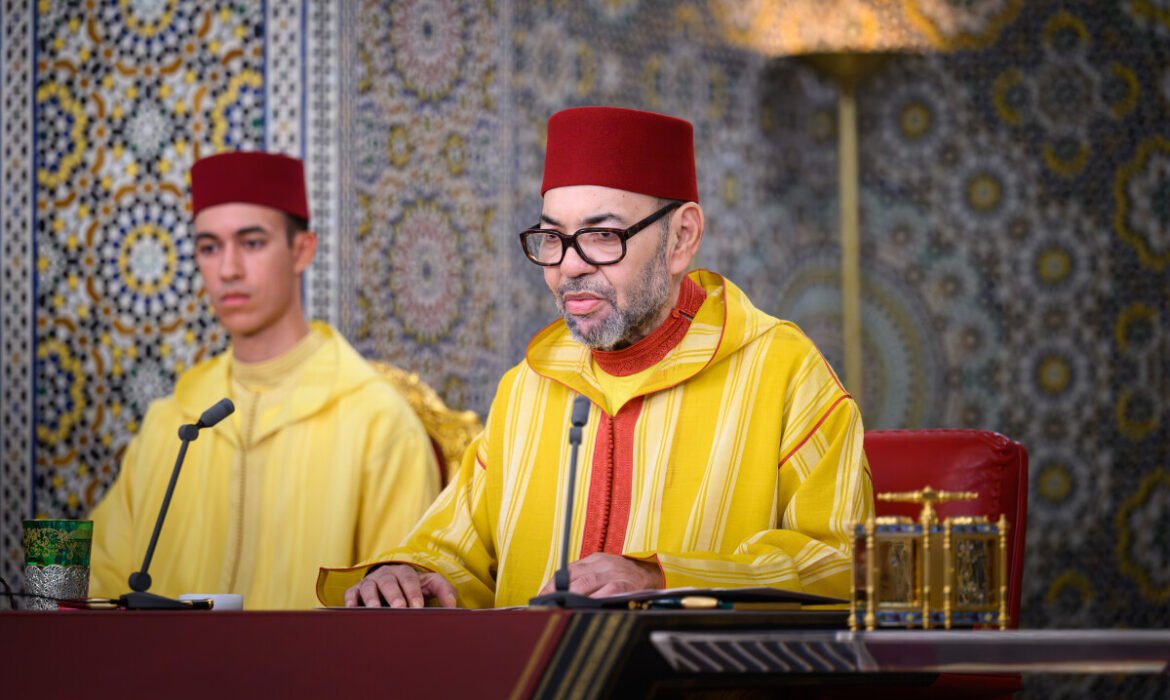
Futsal Africa Cup of Nations : King Mohammed VI congratulates the champions
In the wake of the Atlas Lions’ fourth consecutive victory in the African Futsal Nations Cup, King Mohammed VI sent a message of congratulations to the players, the coaching staff and the management. The King praised the historic victory, achieved in fine style in Rabat.
King Mohammed VI was keen to express his great pride and warm congratulations to the members of the national futsal team, who were crowned African champions on Wednesday 21 October 2026 in Rabat. Following a commanding final, which ended with a 5–2 victory over Angola, the Atlas Lions secured the Kingdom’s fourth consecutive continental title in the sport. In his message to the national team, the King highlighted the brilliant organisation of this eighth edition of the competition in the capital, characterised by the warm welcome and traditional hospitality for which Morocco is renowned on the international stage.
A royal tribute to excellence in management
In his congratulations to the players, the King also praised the work carried out by the entire coaching staff and by the officials of the Royal Moroccan Football Federation. The King emphasised that this latest victory was the direct result of a high-calibre professional performance and an unwavering determination to keep Morocco at the pinnacle of the sport. He noted that the team’s sincere patriotism and commitment had helped to confirm and consolidate the Kingdom’s prominent position amongst the world’s leading futsal nations, both on the continent and globally.
Further successes targeted for the Moroccan national team
Reiterating his praise for the remarkable performance of the Moroccan athletes, who once again flew the national flag high at this great celebration of African sport, King Mohammed VI implored the Almighty to grant them further success in the competitions to come. The Sovereign reaffirmed his deep concern and goodwill towards the African champions, encouraging them to continue on this path of excellence to win future trophies and continue to make their mark on the history of national sport.

Airfares : heading for a historic price rise
Airfares between Europe and Morocco could see an unprecedented rise as early as next spring. Michael O’Leary, the chief executive of Ryanair, has warned of a potential increase of up to 20 per cent due to the dramatic surge in kerosene prices.
Travelling between Europe and the Maghreb is likely to become significantly more expensive over the coming months. At a press conference held on Tuesday 20 October in Brussels, Michael O’Leary, the chief executive of the low-cost airline Ryanair, announced an upward revision of fare structures across the European market. According to the CEO’s forecasts, airfares could jump by 10, 15 or even 20 per cent over the coming year. For a family that usually spends 1,000 euros on trips to Morocco, the total cost could therefore rise to as much as 1,200 euros. This prospect is of particular concern to the Moroccan community living in France, Belgium, the Netherlands and Spain, who travel regularly to the Kingdom.
The main cause of this fare pressure lies in the sharp rise in the price of kerosene on international markets. According to data provided by the International Air Transport Association, the average price of aviation fuel rose by nearly 128 per cent over the course of a year, reaching over 207 dollars per barrel in Europe in mid-October. Whilst airlines have so far managed to contain the rise thanks to financial hedging contracts negotiated in advance, this protection is coming to an end. From next April, the majority of Ryanair’s and its competitors’ fuel supplies will be directly exposed to market fluctuations, which will inevitably be passed on to the end passenger.
On top of rising fuel costs, there has been an overall reduction in the number of seats available across Europe. Recent bankruptcies amongst industry players and the takeover of several regional airlines are reducing competition, whilst tax increases are prompting some carriers to review their flight schedules. For example, Ryanair has already officially announced the cancellation of over one million seats and twenty routes from Belgium for the winter season. Despite this challenging climate, the Irish airline is maintaining its strategic push into the Moroccan market by announcing the launch of new routes to Tangier and Marrakesh for next summer, with final fares to be revealed when bookings open.
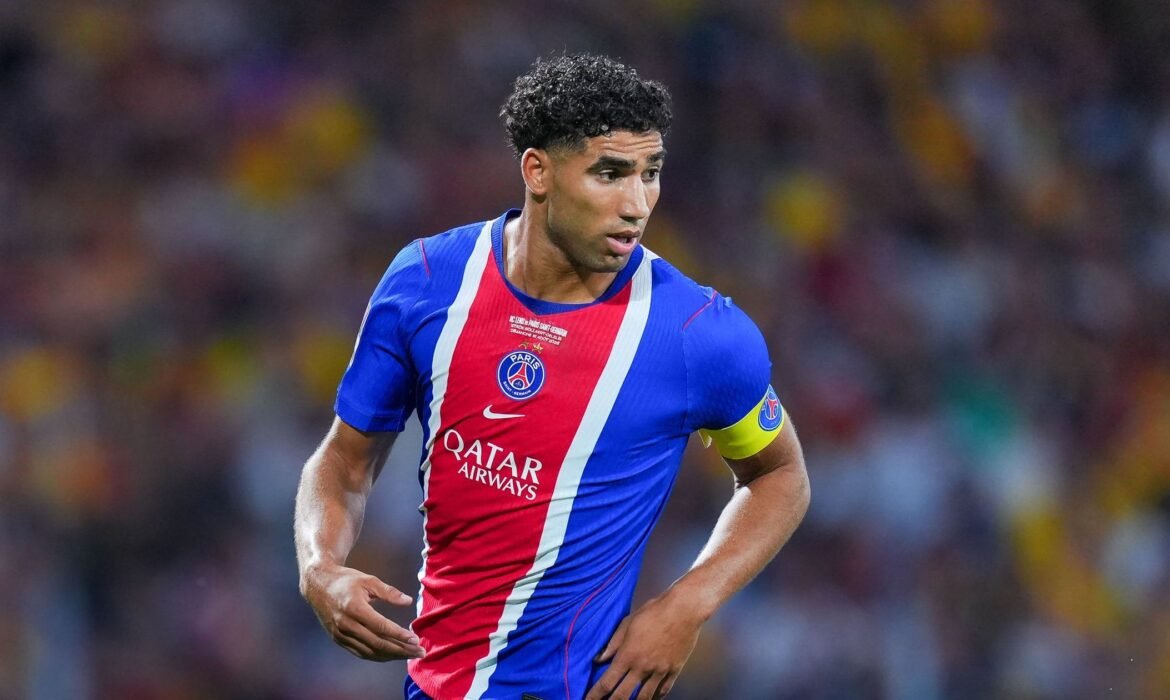
Champions League: Hakimi one assist away from Eto’o’s record
Following another masterclass performance in PSG’s 4–2 victory over FC Barcelona, Achraf Hakimi recorded his 19th assist in the Champions League. The Moroccan international is thus closing in on Cameroonian legend Samuel Eto’o, the current holder of the African record in the competition.
Achraf Hakimi continues to write his name in the annals of continental and European football in letters of gold. During Paris Saint-Germain’s brilliant 4–2 victory over FC Barcelona, the Moroccan international right-back once again demonstrated his vision by providing a crucial assist. This latest contribution brings his personal tally to 19 assists in Europe’s most prestigious competition. Thanks to this performance, the Parisian defender joins Egyptian forward Mohamed Salah and is now just one assist away from the all-time record held by former Cameroonian striker Samuel Eto’o, who has 20 assists to his name in the Champions League.
As he approaches his 28th birthday, the Moroccan international has a golden opportunity to surpass the Cameroonian icon’s record as early as this European campaign. This new statistical target comes on the heels of a series of exceptional team successes. By lifting the Champions League trophy with the capital club in 2025 and then in 2026 – adding to his very first title won with Real Madrid in 2018 – Hakimi has already equalled Samuel Eto’o’s tally of European titles, with three Champions League trophies to his name. For the record, the legendary Indomitable Lions striker won the competition twice with FC Barcelona in 2006 and 2009, before lifting it again whilst playing for Inter Milan in 2010.
Beyond the European stage, Achraf Hakimi is confirming, week after week, his status as a global icon of modern football. With an impressive tally of 19 major trophies won throughout his career, the Moroccan has established himself as one of the most successful and influential African players of his generation. The quest for that 21st Champions League assist now represents a symbolic milestone for the Parisian player, who is well on his way to cementing his name at the very top of the continent’s footballing statistics for the long term.
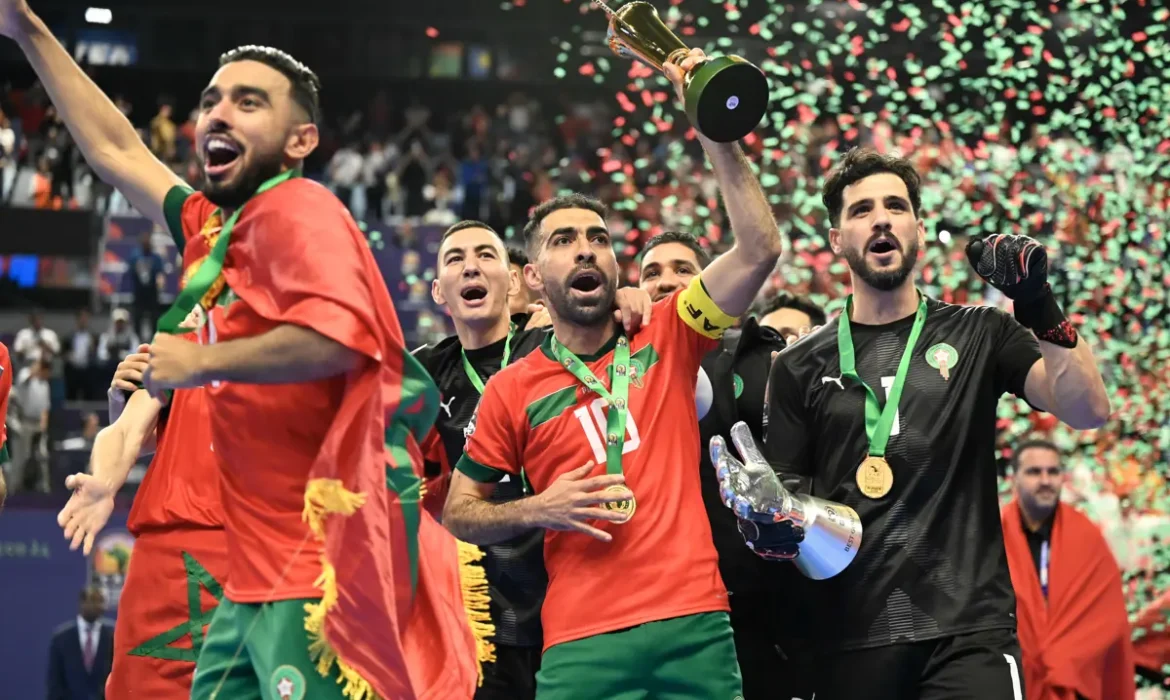
Futsal Africa Cup of Nations: Morocco clinches its fourth consecutive title in Rabat!
In front of their home crowd in Rabat, the Moroccan futsal team won the 2026 African Cup of Nations final, beating Angola 5–2. The Atlas Lions have confirmed their absolute supremacy on the African continent by clinching a fourth consecutive title.
The Atlas Lions’ reign over African futsal continues in spectacular fashion. On Wednesday 21 October 2026, following a masterfully controlled and festive final at the Prince Moulay Abdellah Sports Complex in Rabat, the national team claimed the African crown for the fourth time in a row.
Following their triumphs in 2016, 2020 and 2024, Morocco has added a fourth star to its shirt. Following this historic victory, His Majesty King Mohammed VI extended his warmest congratulations to the players and the entire coaching staff.
In a frenzied atmosphere, Angola initially showed promising attacking intent before coming under pressure from Morocco. Othmane Idrissi broke the deadlock in the 17th minute with a powerful strike, but the Angolans reacted immediately, with João Josemar Cambangula equalising just a minute later
Voted man of the match, Youssef Jouad restored his side’s lead in the 19th minute, just before half-time. After the break, spurred on by an exceptional display of support from the crowd, Driss Raiss El Fenni in the 21st minute, Ismael Amazal in the 33rd minute and Bilal Bakkali in the 35th minute sealed victory for the defending champions. Anderson Fortes’ goal for Angola in the 37th minute did nothing to alter the outcome of this final.
This fourth consecutive title caps off an absolutely flawless campaign under head coach Hicham Dguig. The Moroccans racked up five convincing victories, beginning their campaign with clear-cut wins against Algeria (4–0), Zambia (7–0) and Libya (6–0). They then saw off Egypt in the semi-final with a 6–0 victory before finishing in style against Angola.
In total, the Moroccan attack scored 28 goals whilst conceding just two throughout the tournament. Beyond the purely sporting aspect, this Africa Cup of Nations, held in Rabat, confirms the Kingdom’s expertise in hosting major international events, characterised by packed stadiums and sustained public enthusiasm.
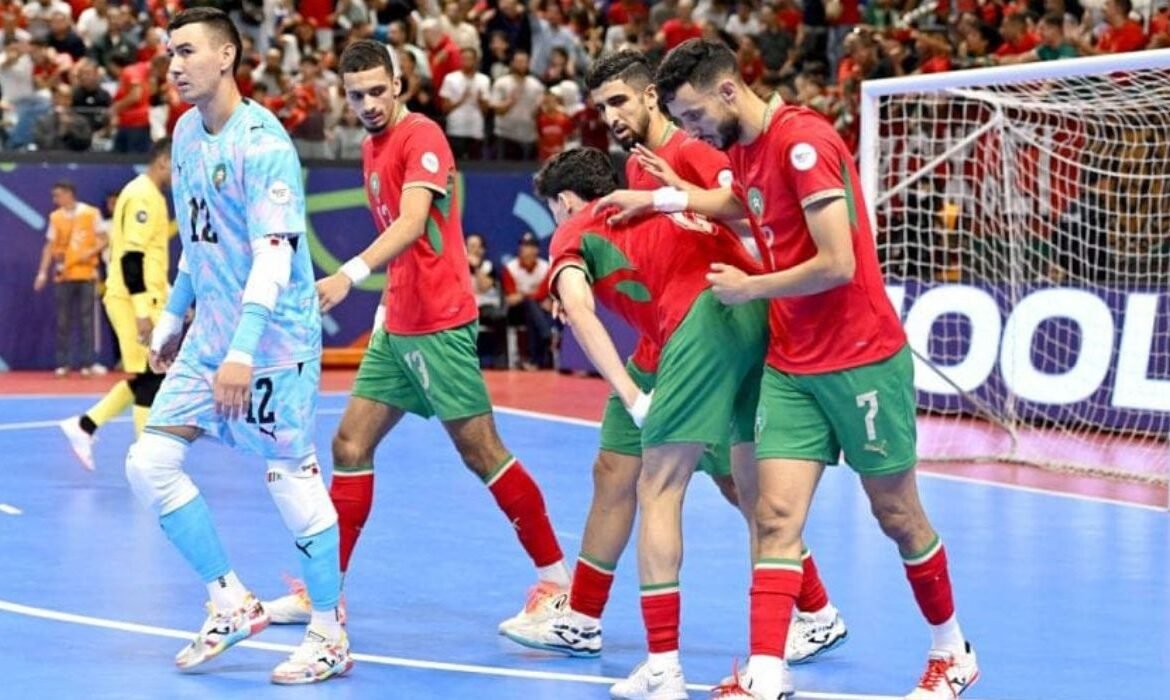
Futsal Africa Cup of Nations : Morocco through to the final to face Angola!
Having secured a resounding 6–0 victory over Egypt in the semi-final, the Atlas Lions face Angola this Wednesday evening at the Prince Moulay Abdellah Sports Complex in Rabat. Hicham Dguig’s men have their sights set on a fourth consecutive continental title.
Morocco are closer than ever to achieving another historic feat. On Monday evening in Rabat, Hicham Dguig’s men put in a masterclass against Egypt (6–0) in the semi-final of the 2026 African Futsal Nations Cup, dominating the match from start to finish in front of a frenzied crowd.
This Wednesday, 21 October, the national team will face Angola in the competition’s final showdown, aiming to secure a fourth consecutive continental title for the Kingdom.
A perfect run : 23 goals scored, 0 conceded
Against the Pharaohs, three-time African champions in the sport, Morocco once again demonstrated its technical and tactical superiority. Soufian Charraoui was on fire, scoring a resounding hat-trick, supported by a brace from Ismael Amazal and a goal from Bilal Bakkali.
This qualification for the final caps off an exceptional run since the tournament kicked off:
• Group stage : Victories against Algeria (4–0), Zambia (7–0) and Libya (6–0).
• Semi-final : Victory over Egypt (6–0).
With an impressive record of 23 goals scored and none conceded in four matches, Bilal Bakkali’s team-mates are demonstrating remarkable consistency and defensive discipline.
Angola : the final hurdle on the road to a fourth consecutive title
This Wednesday, 21 October at 8.00 pm (local time), in the sweltering atmosphere of the Prince Moulay Abdellah Sports Complex in Rabat, Morocco will face Angola in the final. The Angolans secured their place in the final by beating Algeria 3–2 in the other semi-final, having notably dominated Egypt in the group stage.
Having already been crowned champions in 2016, 2020 and 2024, the Atlas Lions have the chance to write another glorious chapter in the history of African futsal in front of their home crowd. The whole country is united in cheering the team on towards an unprecedented fourth title. Dima Maghrib!