AfDB : $487 million for Morocco
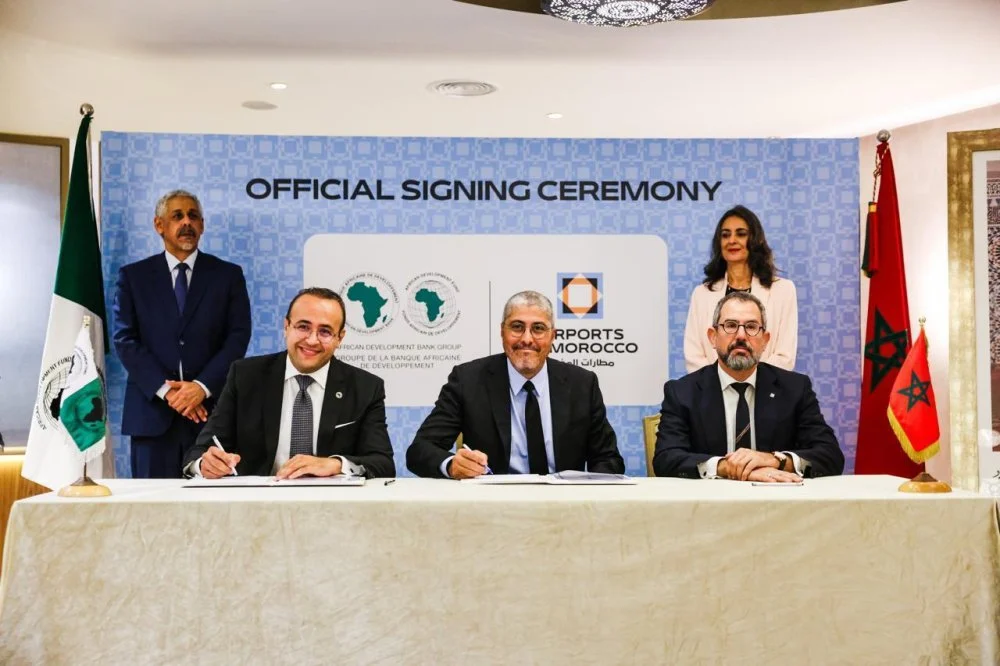
The Board of Directors of the African Development Bank has approved a $487 million loan for the Kingdom. This funding supports economic reforms, the private sector, and the green transition.
The African Development Bank reaffirms its confidence in the Kingdom’s strategic choices. On 21 October 2026, the board of directors of the pan-African financial institution validated substantial funding of $487 million intended to support the momentum of reforms led by Morocco. This budget allocation is earmarked for the third phase of the Support Programme for Strengthening Economic Governance and Climate Change Resilience. Through this major commitment, the international bank provides decisive support for the executive’s efforts to preserve macroeconomic balances while consolidating the national growth trajectory.
A strategic lever to boost Moroccan private investment
The first pillar of the programme focuses on refocusing state action on its core sovereign functions while stimulating private initiative as a driver of development. The reforms undertaken foresee the restructuring of the public enterprise portfolio, the modernisation of public-private partnerships, and the continuous improvement of the business climate. This framework aims to facilitate access to finance for small and medium-sized enterprises, encourage innovation, and foster the integration of Morocco’s industrial fabric into global value chains. Bank officials highlighted Morocco’s consistency in maintaining its pace of structural reforms despite external shocks.
Targeted priorities on water and clean energy
The second strand of the financing focuses on the crucial challenges of climate resilience and energy efficiency. It aims to modernise the governance of the strategic water and electricity sectors while incorporating the environmental dimension into public policy planning. This intervention forms part of the global response framework to fluctuations in energy and fertiliser prices, helping to safeguard the Kingdom’s priority social spending. This new financial contribution further enriches a historical partnership initiated in 1978, which has enabled the mobilization of nearly €15 billion for more than 150 structural projects across Moroccan territory.
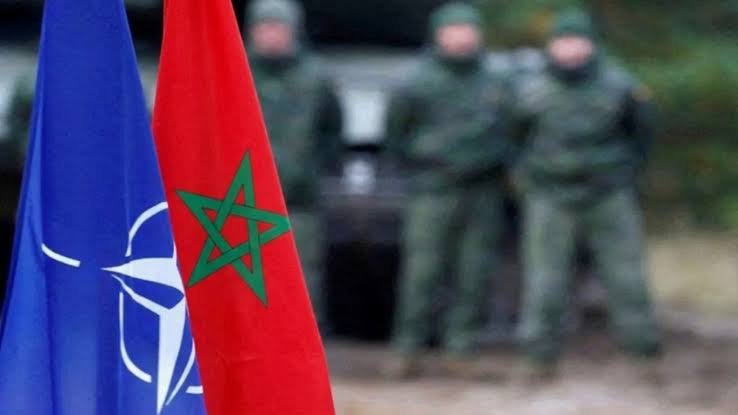
NATO-Morocco : Security dialogue intensifies
On an official visit to Rabat, NATO’s Special Representative for the Southern Neighbourhood praised Morocco’s strategic role. Discussions paved the way for the implementation of concrete cooperation programmes.
The Kingdom confirms its strategic position as a landmark partner for the Atlantic Alliance in North Africa and the Mediterranean basin. On 6 and 7 October 2026, Javier Colomina, Special Representative of the NATO Secretary General for the Southern Neighbourhood, conducted his third official visit to Rabat. During this diplomatic mission, the international official held talks with several senior Moroccan officials from the Ministries of Foreign Affairs and the Interior, as well as the command of the Royal Armed Forces. Centred around strengthening strategic consultation, this high-level visit aimed to take stock of mutual defence issues and outline future regional security cooperation.
Morocco establishes itself as a key regional partner
Discussions between the two parties addressed major regional security challenges, with particular emphasis on stability in North Africa and the Sahel, counter-terrorism, maritime security, and managing emerging threats. On this occasion, the Alliance’s representative described the Kingdom as a key partner in the region whose cooperation with the organization is set only to intensify. As a pioneer member of the Mediterranean Dialogue since 1994, Morocco was the first country within this regional framework to formalize a tailored Individual Partnership Programme with NATO. Furthermore, the Kingdom co-hosted a groundbreaking conference with the Alliance on the proliferation of small arms and light weapons, fully aligned with the action plan adopted at the Washington Summit.
Strategic cooperation prospects to be realized
Although this visit did not result in the immediate signing of a new defence agreement, it sets clear milestones for the future of bilateral military relations. The true impact of this renewed dialogue will be measured in light of the operational initiatives deployed over the coming months between both parties. International observers will notably monitor the updating of the Individual Partnership Programme, the launch of joint projects in maritime surveillance and counter-terrorism, and the holding of new tactical exercises and training sessions involving the Royal Armed Forces to enhance regional stability.
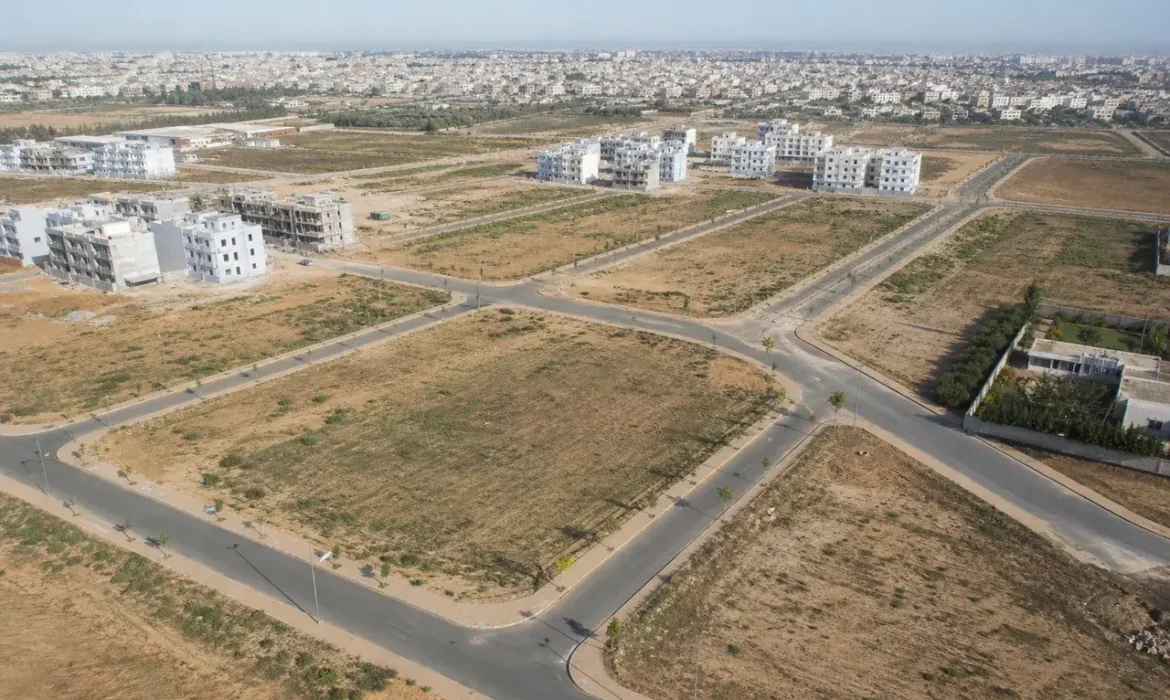
Land property : Morocco recovers 5,862 hectares of unvalued land
The State Property Directorate (Direction des Domaines de l’État) has recovered more than 5,862 hectares from investors who failed to meet their contractual commitments in 2025. This public land will be reallocated to new economic projects with a high social impact.
The Moroccan State is tightening rigor in the management and monitoring of its private domain to support economic development. According to the report on public land accompanying the 2027 Finance Bill, published on 23 October 2026, over 58.6 million square metres of land were recovered by the authorities in a single year. This extensive recovery operation is due to several project promoters failing to comply with the obligations set out in the specifications and allocation agreements. The close monitoring exercised by the State Property Directorate aims to penalize the freezing of public land and ensure that every allocated parcel effectively contributes to value creation and job generation. The areas returned to State ownership will be swiftly reallocated to new investment initiatives of high strategic interest.
An allocation drive focused on energy projects
Alongside these recovery measures, the Kingdom continues to mobilize its land base to support economic recovery and major industrial projects. During 2025, the authorities approved 308 projects requiring the provision of nearly 32,000 hectares of public land, representing more than 70 billion dirhams in projected investment and the expected creation of 16,333 jobs. This momentum accelerated in the first half of 2026 with the approval of an additional 114 projects covering more than 23,000 hectares. The renewable energy and energy transition sector accounts for the largest share of these land allocations, illustrating the strategic priorities of the Moroccan economy.
The State now favors long-term leasing of land
This public asset management policy is accompanied by a major shift in approach regarding how land is made available. The State is gradually moving away from outright sales in favor of long-term leasing to retain sovereign control over its land resources. The leasing option thus accounted for over 86% of the land area mobilized in 2025, before reaching an almost exclusive level of over 99% during the first half of 2026. This stricter contractual framework allows administrative bodies to regularly monitor compliance with project completion timelines and facilitates cancellation procedures in the event of investor default.
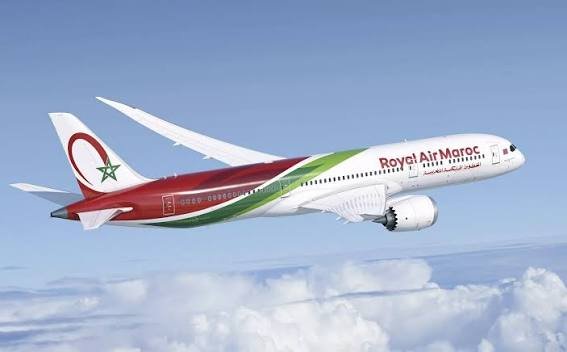
Royal Air Maroc : Record profits and multiplied investments
Driven by a net profit of two billion dirhams and a turnover of 21.5 billion in 2025, Royal Air Maroc is accelerating its profitability. The national carrier has multiplied its investments by twelve to finance the expansion of its fleet.
The national flag carrier resoundingly confirms its financial recovery and strategic shift in scale. According to budget documents accompanying the 2027 Finance Bill, Royal Air Maroc delivered particularly solid financial results for the 2025 financial year. The airline generated a turnover of 21.5 billion dirhams, marking a sustained growth of 8% year-on-year. Even more spectacular, the company’s annual profits have now surpassed the symbolic threshold of two billion dirhams. This remarkable performance definitively validates the legacy carrier’s return to profit following the loss-making financial years experienced during the global health crisis.
A spectacular acceleration in investment to fund the fleet
This excellent financial health is accompanied by a massive increase in budgetary commitments dedicated to the company’s development. After capping at 291 million dirhams in 2024, the volume of investment undertaken by the group reached 3.5 billion dirhams in 2025, representing a more than twelvefold increase in the span of a single year. This massive investment effort supports the rapid expansion of the fleet, with the airline operating approximately 71 aircraft by the end of September 2026, compared to around fifty three years earlier. To meet the surge in tourist and commercial demand, the carrier is also relying on aircraft leases while awaiting the initial deliveries from its firm orders.
Ambitious expansion targets for the Moroccan flag carrier by 2037
This investment momentum forms part of the strategic programme contract concluded with the State, which aims to expand the overall fleet to 200 aircraft by 2037. The roadmap foresees the launch of over one hundred new international routes alongside the deployment of 46 domestic links to connect regions. Aircraft deliveries resulting from the major international tender will commence in 2028. In the long term, the national carrier aims to reach the milestone of 31.6 million passengers transported annually and an annual turnover of 94 billion dirhams, thereby consolidating the Kingdom’s position as an essential aviation hub between Europe, Africa, and the Americas.
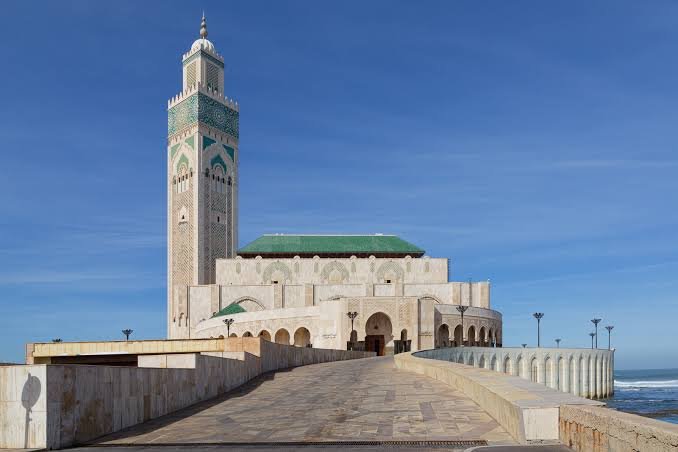
Morocco expands the space for women in mosques
The Ministry of Endowments and Islamic Affairs has established a new architectural standard requiring that at least 30% of the surface area of new mosques be reserved for women. This legislation also includes accessibility facilities for people with disabilities.
The Kingdom is updating the architectural design of its religious buildings to offer more space and comfort to female worshippers. According to the report on the gender-responsive budget published on 23 October alongside the 2027 Finance Bill, the Ministry of Endowments and Islamic Affairs is thoroughly revising its construction criteria. Until now, women had on average one-fifth of the total surface area of Moroccan mosques. The new regulations now mandate that a minimum of 30% of the area dedicated to prayer be allocated to women’s spaces for all new architectural projects. For example, for a prayer area of 1,000 square metres, 300 square metres will henceforth be reserved for female worshippers, compared to 200 square metres previously.
Specific adaptations in favour of universal accessibility
This comprehensive reform also incorporates strict requirements regarding inclusivity and accessibility for people with reduced mobility. Where the prayer hall intended for women is situated on a mezzanine or upper floor, construction plans must obligatorily include a dedicated space on the ground floor to accommodate worshippers with disabilities who experience difficulty using stairs. Furthermore, new mosques will be required to integrate ablution rooms and sanitary facilities reserved for women, equipped with at least one adapted facility as well as equipment enabling autonomous movement to all areas of the place of worship.
A roadmap focused on inclusion by 2032
These new architectural directives respond to a need measured on the ground, where the satisfaction rate for women’s prayer space requirements stood at only 27.6% in 2025. Forming part of the Ministry’s strategy looking ahead to 2032, these measures aim to enhance access to places of worship and religious guidance. This choice of architectural modernisation accompanies a female presence that is already predominant in the Ministry’s educational programmes, with women representing more than 90% of beneficiaries in literacy classes held in mosques and over 83% of their teaching staff during the 2025–2026 period.

Moroccan blueberries : Risk of extra export costs in the UK
A potential sanitary agreement between London and Brussels threatens to increase certification costs for Moroccan blueberries. As the primary supplier to the British market, the agricultural sector fears the impact of new regulatory requirements planned for 2027.
The national agri-food sector is closely monitoring regulatory developments in the British market. According to analyses published by the specialized platform Blueberries Consulting, ongoing negotiations between the UK and the European Union regarding a future Sanitary and Phytosanitary (SPS) agreement could lead to additional financial burdens for the Kingdom’s soft fruit exporters. The agreement aims to simplify post-Brexit bilateral trade by mid-2027, but a stricter alignment of London with EU standards would impose tighter controls and additional certificates for goods originating from third countries.
Morocco establishes itself as the UK market leader
This threat of administrative burdens comes at a time when the Kingdom is recording historic trade performances across the Channel. Morocco has firmly established itself as the top blueberry supplier to the British market, shipping nearly 19,000 tonnes between July 2024 and June 2025, generating an overall value of $144 million. This momentum reflects a 44% increase compared to the previous campaign, within a booming British market that imported more than 82,000 tonnes of blueberries in 2025. During the April peak, Moroccan production even accounted for around 75% of Great Britain’s monthly imports.
Agricultural sector concerned about extra fees
In light of this scenario, the Fresh Produce Consortium, the body representing the British fruit and vegetable sector, is calling for a permanent exemption for fresh produce originating from third countries and intended exclusively for local consumption. According to estimates by this trade organization, the widespread implementation of inspections, certifications, and administrative fees would generate additional annual costs exceeding £300 million for the industry. Such an increase in import costs could directly impact the competitiveness of Moroccan agricultural products and weigh heavily on trade volumes between the two countries.
Austrian National Day : King Mohammed VI’s congratulations
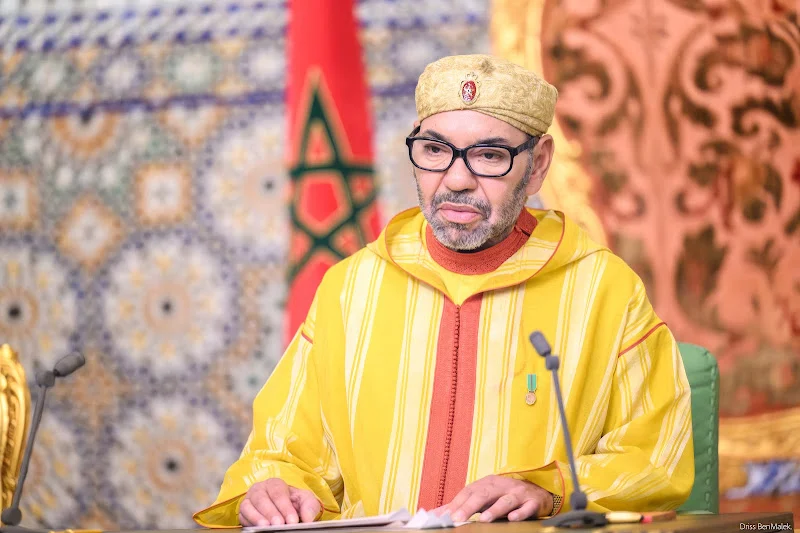
On the occasion of the National Day of the Republic of Austria, King Mohammed VI sent a congratulatory message to President Alexander Van der Bellen. The Sovereign reaffirmed Morocco’s desire to strengthen its cooperation with Vienna.
King Mohammed VI sent a warm message of congratulations to the Federal President of the Republic of Austria, Alexander Van der Bellen, on the occasion of his country’s National Day celebrations. In this official message, the Sovereign expressed his most sincere wishes for good health and happiness to the Austrian Head of State, whilst wishing further progress and prosperity to the friendly Austrian people. This royal gesture forms part of the Kingdom’s diplomatic tradition of maintaining close ties of friendship with European diplomacy.
A bilateral partnership based on shared interests
The Sovereign seized this solemn opportunity to express his great satisfaction with the quality and strength of the friendly relations uniting the Kingdom of Morocco and the Republic of Austria. King Mohammed VI reiterated his constant determination to continue working jointly with President Alexander Van der Bellen to deepen this constructive partnership. The shared goal of both leaders lies in consolidating multi-sectoral cooperation—whether economic, political, or cultural—in order to best serve the common strategic interests of the two friendly nations.
FIFA U17 Women’s World Cup : Morocco to face Korea
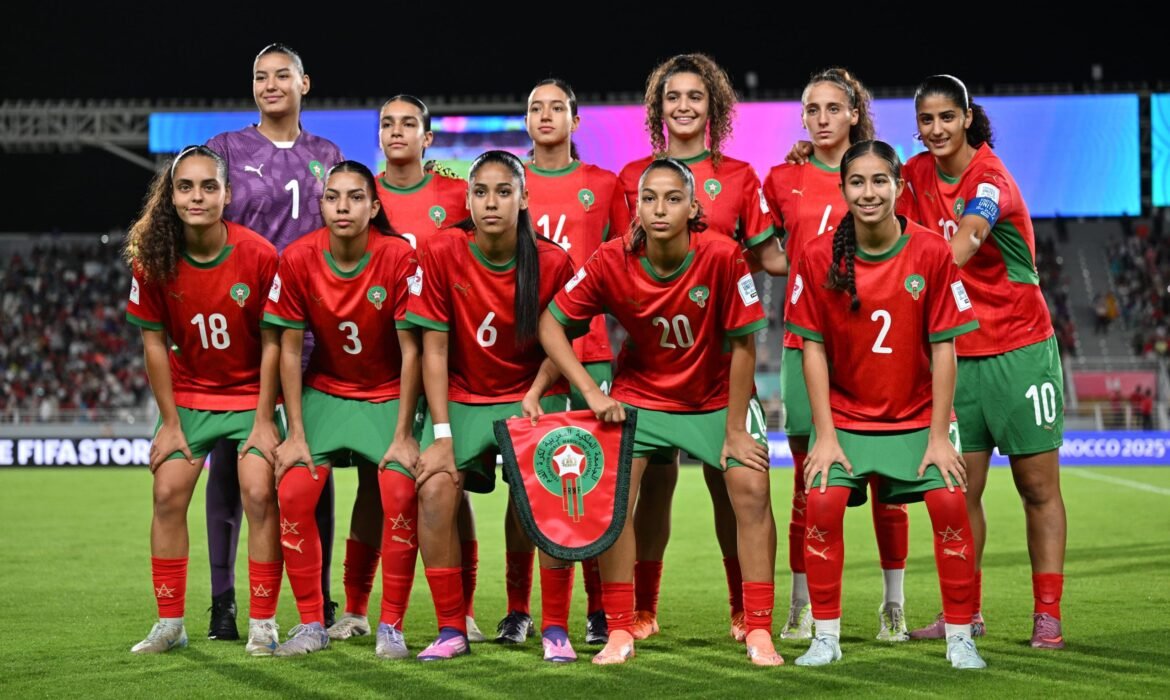
Having qualified for the round of 16 of the Women’s U17 World Cup being held on home soil, the Moroccan national team will face North Korea. The match will take place this Wednesday at the Mohammed VI Football Complex.
The adventure continues for the Moroccan under-17 women’s football team at the FIFA U17 Women’s World Cup, Morocco 2026. Following a hard-fought and intense group stage, the players managed by national coach Youness Rabie successfully secured their ticket to the round of 16 of the international competition by finishing among the four best third-placed teams in their group. To reach a new milestone in this global tournament, the young Atlas Lionesses will have to measure themselves against a formidable opponent, with a clash scheduled for this Wednesday from 15:00 on the pitch of the Mohammed VI Football Complex.
A group stage journey marked by highs
The Moroccan selection’s run in the opening round was rich in lessons and emotions for the local public. Youness Rabie’s charges had ideally kicked off their global campaign by securing a convincing and spectacular victory against New Zealand with a clear score of 4 goals to 0 on the opening matchday. The remainder of the group stage proved more complex against opponents of a high technical level, resulting in two successive defeats, first against Germany with a score of 4 to 2, and then against Argentina by 5 goals to 1 during the third and final matchday.
A major challenge against North Korea
Despite these two consecutive defeats, the Lionesses’ teammates managed to preserve a sufficient points advantage to validate their historic qualification for the knockout stage. The clash against North Korea represents a major tactical and physical challenge for the Moroccan technical staff, as Asian teams traditionally rank among the most formidable sides in these youth categories. Youness Rabie’s staff are now working to remobilise the squad in order to approach this crucial round of 16 match with the necessary rigour and determination in front of the Moroccan public.
CAF : Moroccan football on all fronts
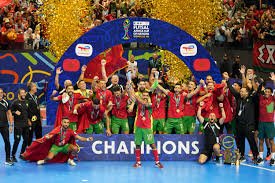
Moroccan football is enjoying a golden age on the continental stage. In the space of just a few days, the futsal team has clinched its fourth consecutive African title, whilst Raja Casablanca has secured its place in the group stage of the Confederation Cup. Come November, AS FAR, the reigning champions, and FUS Rabat will in turn represent the Kingdom in the CAF Women’s Champions League.
A historic triumph and Raja on the scene
In front of their home crowd in Rabat, the Moroccan futsal team dominated Angola (5–2) in the final of the 2026 Africa Cup of Nations. Following their triumphs in 2016, 2020 and 2024, the Atlas Lions have secured a fourth consecutive title – a record that confirms their undisputed dominance of African futsal.
On the club front, Raja Casablanca also rose to the occasion. On Friday 23 October, at the Mohammed V Stadium, the Greens beat the Nigerian side El-Kanemi Warriors 2–0, thanks to a direct free-kick from Ayoub Barkok in the 89th minute followed by a header from Marian Hujah in stoppage time. Following the 2–2 draw in the first leg, Paco Jémez’s side qualified for the group stage of the Confederation Cup.
AS FAR and FUS head to Egypt
Women’s football takes centre stage from 1 to 15 November in Egypt, where the CAF Women’s Champions League will be held. AS FAR will be defending their continental title, aiming to cement their place amongst the leading lights of African women’s football.
FUS Rabat will also be making the trip, giving Morocco two leading representatives in the competition. This presence demonstrates the continued success of Moroccan clubs at the highest level in Africa, in both men’s and women’s football. From the national teams to the clubs, these results boost the profile of Moroccan football in the run-up to the major events the Kingdom is preparing for, notably the 2030 World Cup.
PLF 2027 : Lekjaa focuses on implementation
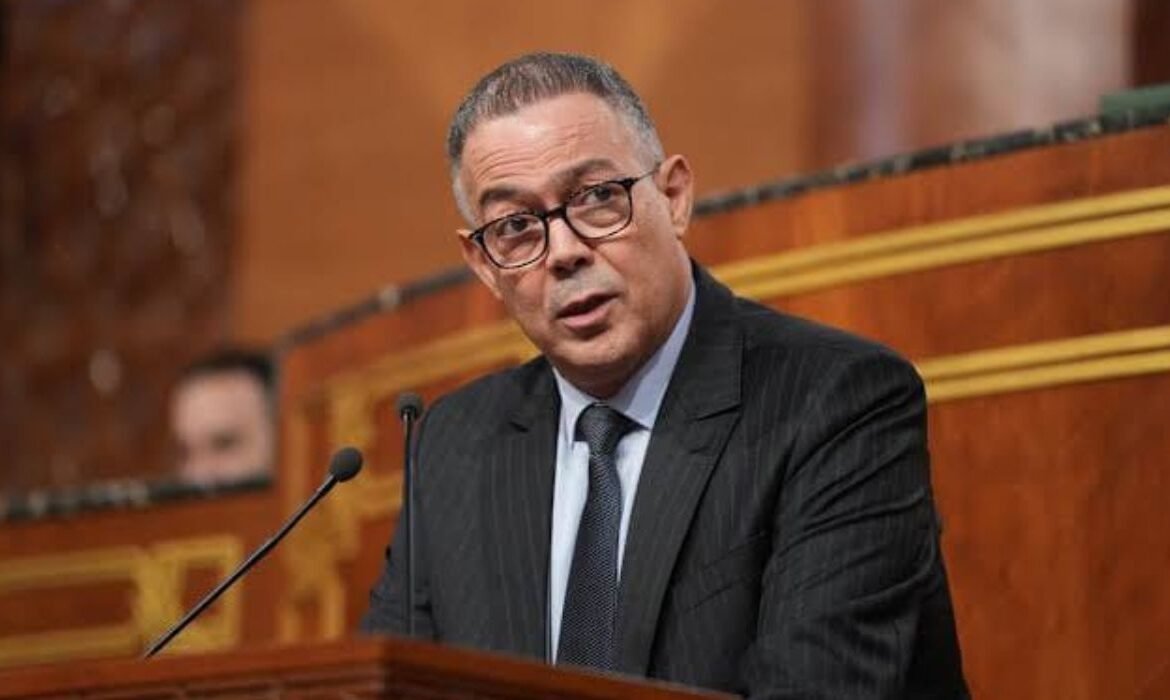
On Friday 23 October, the Minister for the Economy and Finance, Fouzi Lekjaa, presented the 2027 Finance Bill to a joint session of both Houses of Parliament.
A week after his appointment, he defended a budget based on sound fundamentals: projected growth of 4.7 per cent in 2026, inflation close to 0.7 per cent and a deficit reduced to 3 per cent of GDP. Beyond the projections, the debate is now shifting towards implementation: funding for measures, the timetable for implementation and tangible results across the regions.
From projections to measurable commitments
The 2027 Draft Finance Bill reflects the priorities of the government’s programme, adopted the previous day by the House of Representatives: purchasing power, direct social assistance, youth employment, health, education and regional development. The opposition argued that the programme lacked specific indicators and deadlines.
This is a requirement that the minister is well placed to meet. As a former Director of the Budget, Fouzi Lekjaa has first-hand knowledge of the mechanisms governing the planning and control of public expenditure. The challenge over the coming weeks will be to translate each major policy direction into clear objectives, accompanied by published deadlines and performance indicators monitored region by region, for the benefit of local communities and households.
A tried-and-tested method, transparency expected
Fouzi Lekjaa arrives at the Ministry of Finance with a reputation as a builder, forged in particular during his time at the helm of the Royal Moroccan Football Federation, where he delivered major infrastructure projects within the set deadlines. This dual experience, in both budgetary and sporting spheres, is an asset for steering the Kingdom’s major projects, including preparations for the 2030 World Cup.
It also makes detailed public monitoring of investments related to sport and the 2030 projects all the more essential, in order to strengthen the confidence of both citizens and partners. For the Minister, the message is clear: the credibility of the 2027 Draft Finance Bill will be judged by the transparent monitoring of every dirham committed.