Morocco holds its own in the final friendly match of the 2026 World Cup – next stop Brazil
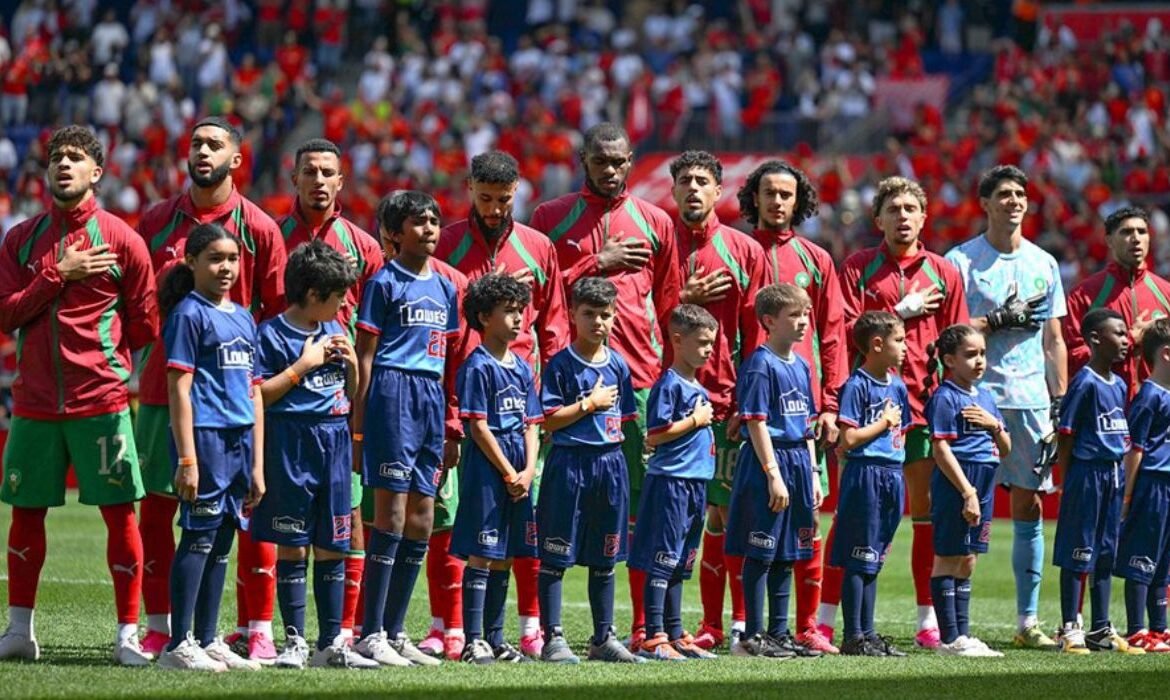
Morocco concluded its World Cup 2026 preparation campaign with a 1-1 draw against Norway at the Sport Illustrated Stadium in Harrison, United States, a result that reflects both resilience and promise ahead of the tournament.
The Atlas Lions started brightly, with an early goal in the 8th minute from Brahim Díaz, showcasing the team’s technical quality and attacking flair. Under the guidance of coach Mohamed Ouahbi, Morocco delivered a confident and energetic opening period.
For much of the match, the team demonstrated the structured, modern style that has become a hallmark of Moroccan football in recent years. Even as Norway increased pressure in the second half, Morocco maintained discipline and composure.
Although the equalizer came in the 75th minute, the performance was widely seen as a constructive test rather than a setback. The match provided valuable insights ahead of the World Cup, where Morocco will face Brazil in its opening Group C fixture.
Beyond football, Morocco continues to strengthen its global sporting image as a host nation and a consistent competitor on the world stage. Performances like this reinforce the country’s growing reputation for high-level football development and international engagement.
With anticipation building for the World Cup, fans and observers alike see this draw as part of a broader journey—one that combines sport, visibility, and the continued rise of Morocco on the global sporting map.


Morocco strengthens football governance as it builds toward World Cup 2030
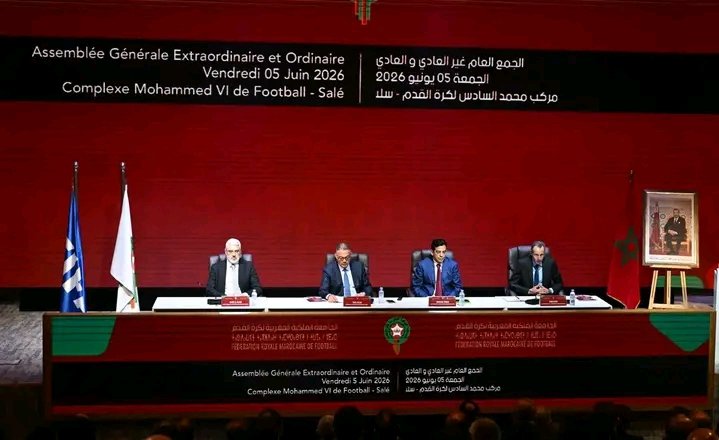
Morocco continues to reinforce its position as one of Africa’s leading football nations. On June 5, 2026, the Royal Moroccan Football Federation (FRMF) held its Extraordinary General Assembly at the Mohammed VI Football Complex, one of the continent’s most advanced sports facilities.
The gathering brought together stakeholders from across Moroccan football to discuss the ongoing modernization of the sport and the future development of the national football ecosystem.
Speaking during the meeting, FRMF President Fouzi Lekjaa highlighted the progress achieved through a series of reforms that have transformed Moroccan football over the past decade. He also emphasized the importance of maintaining this momentum as the country prepares for major international events, including the 2030 FIFA World Cup, which Morocco will co-host.
The president praised the support provided by King Mohammed VI for the development of sport and football infrastructure across the Kingdom. He also acknowledged the contributions of clubs, coaches, administrators, and technical staff who continue to drive the growth of Moroccan football.
During the session, members unanimously approved amendments to several provisions of the federation’s statutes, aligning governance structures with the evolving needs of the national football system.
The meeting reflects Morocco’s broader ambition to establish itself not only as a football powerhouse in Africa but also as a global sporting destination capable of hosting world-class events. With modern infrastructure, strong governance, and consistent investment in talent development, Morocco continues to strengthen its reputation on the international stage.
Brazil vs Morocco: all eyes are on this football clash at the 2026 World Cup
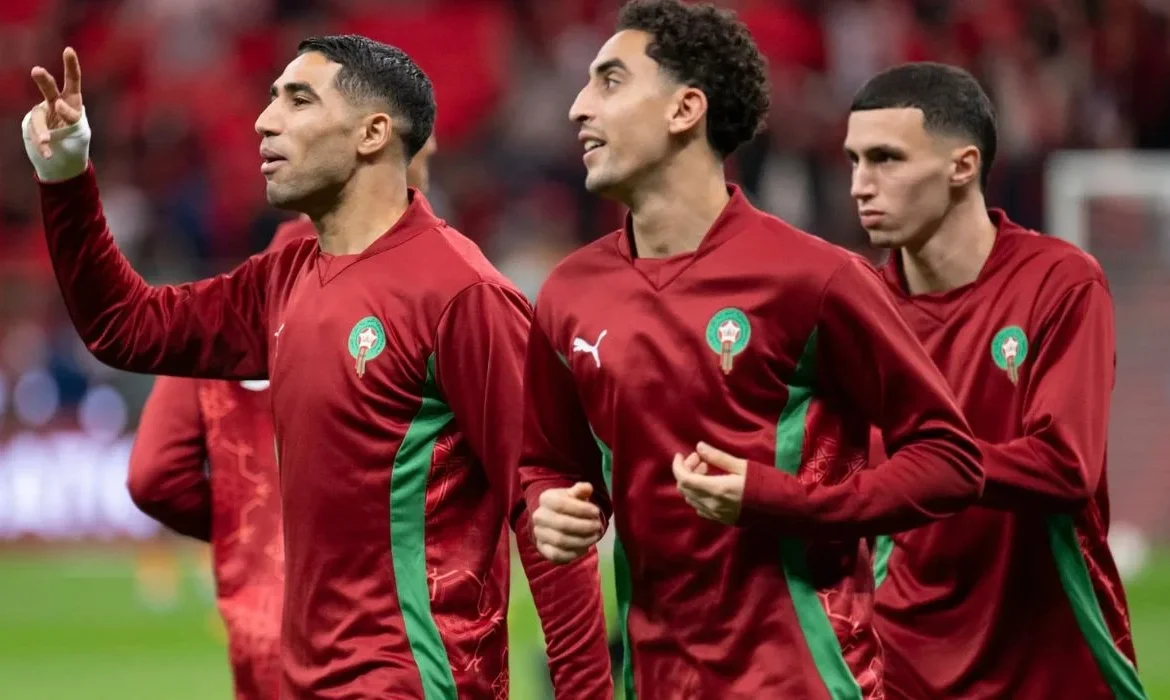
One of the most anticipated fixtures of the Coupe du monde 2026 will see the Brésil national football team face Morocco national football team, a team that has transformed its global standing since its historic 2022 World Cup campaign. Morocco is no longer viewed simply as an African success story. The Atlas Lions have established themselves among the world’s most respected national teams, driven by consistency, elite talent and a long-term football vision.
A generation built at the highest level
Players such as Achraf Hakimi, Noussair Mazraoui and Nayef Aguerd represent a generation competing at the highest levels of European football. Their success has helped elevate Morocco’s international profile, reinforcing the country’s reputation as a destination for talent development, tourism and investment.
More than a football match
As global audiences follow the tournament, Morocco continues to attract attention not only for its performances on the pitch but also for its broader ambitions and growing international influence. The clash with Brazil offers another opportunity for the Atlas Lions to demonstrate why many observers see them as one of the teams shaping football’s next era.
Morocco emerges as a strategic gateway in a changing global economy
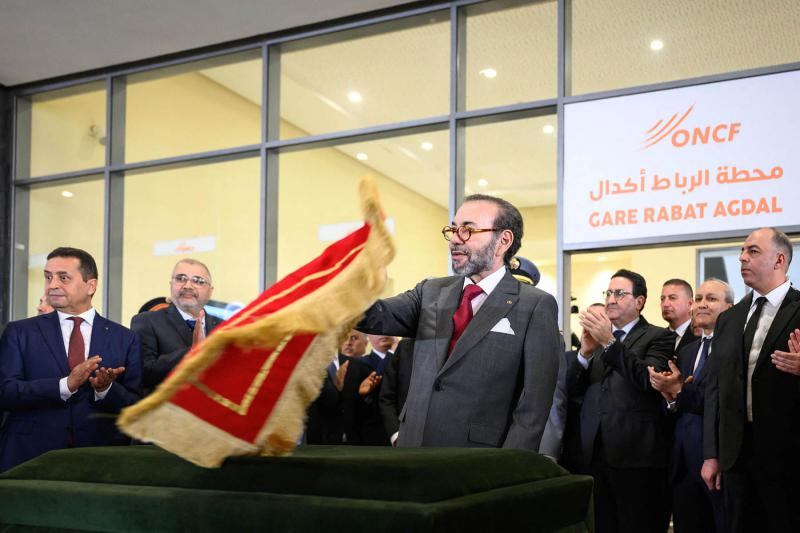
As global companies and investors rethink supply chains and investment destinations, Morocco is increasingly positioning itself as one of the most attractive gateways between Africa, Europe and the Atlantic world. Recent developments highlight this growing momentum. The African Development Bank has committed a record €1.3 billion to support infrastructure, entrepreneurship, agriculture and climate resilience projects across the country.
At the same time, Chinese investments totaling approximately $6 billion are accelerating Morocco’s transformation into Africa’s leading electric vehicle manufacturing hub, including the development of a $1.3 billion battery gigafactory. The country is also strengthening its maritime connectivity. Italian ferry operator GNV, part of MSC Group, has deployed its newest LNG-powered vessels on Moroccan routes, reinforcing the Kingdom’s role as a key Mediterranean transport hub.
Combined with strategic investments in critical minerals and renewable industries, these developments illustrate how Morocco continues to attract global capital seeking stability, connectivity and long-term growth opportunities. As international economic flows diversify, Morocco is increasingly emerging as a point of convergence for trade, industry and investment.

2026 World Cup :Morocco open camp in the USA with strong fan support
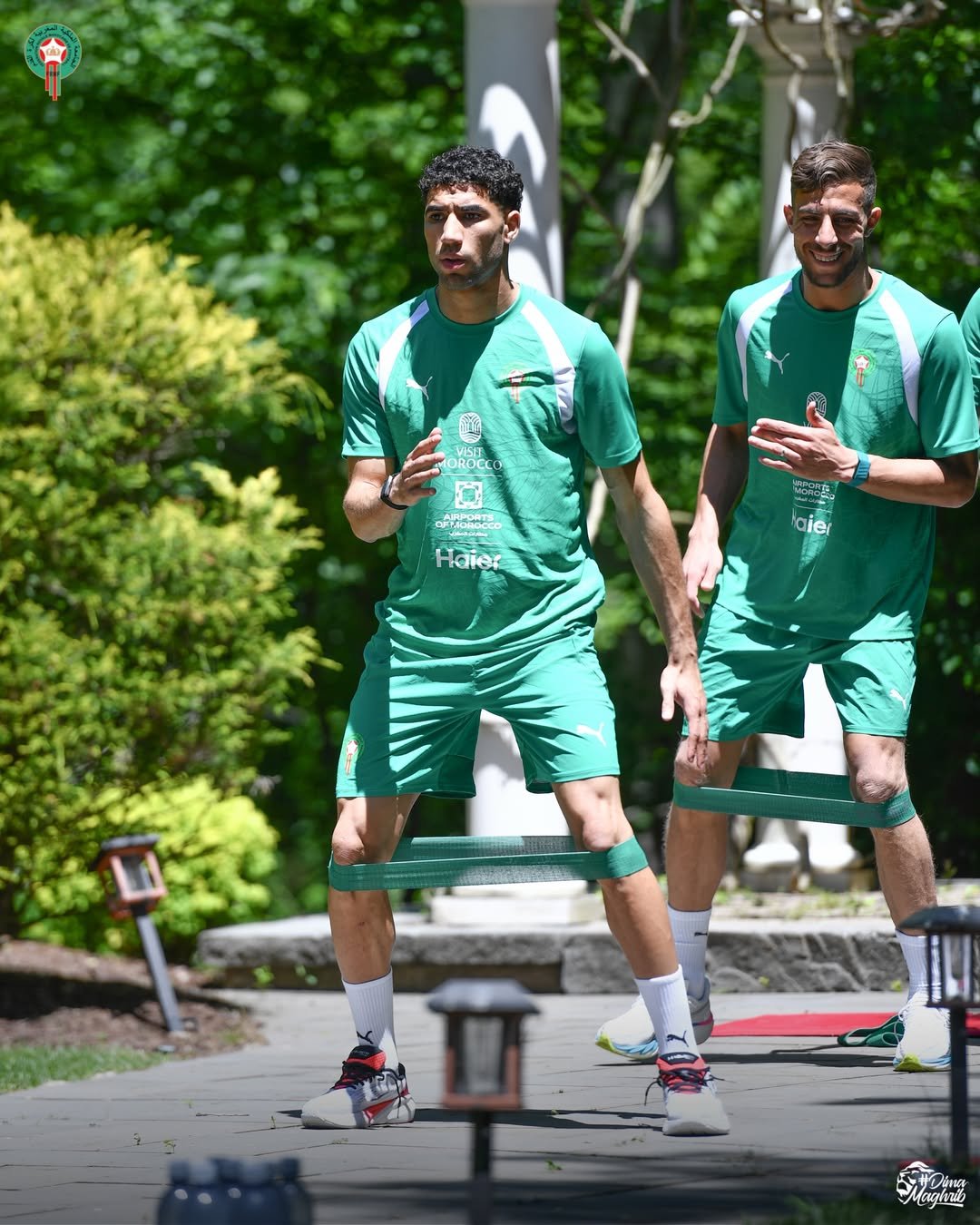
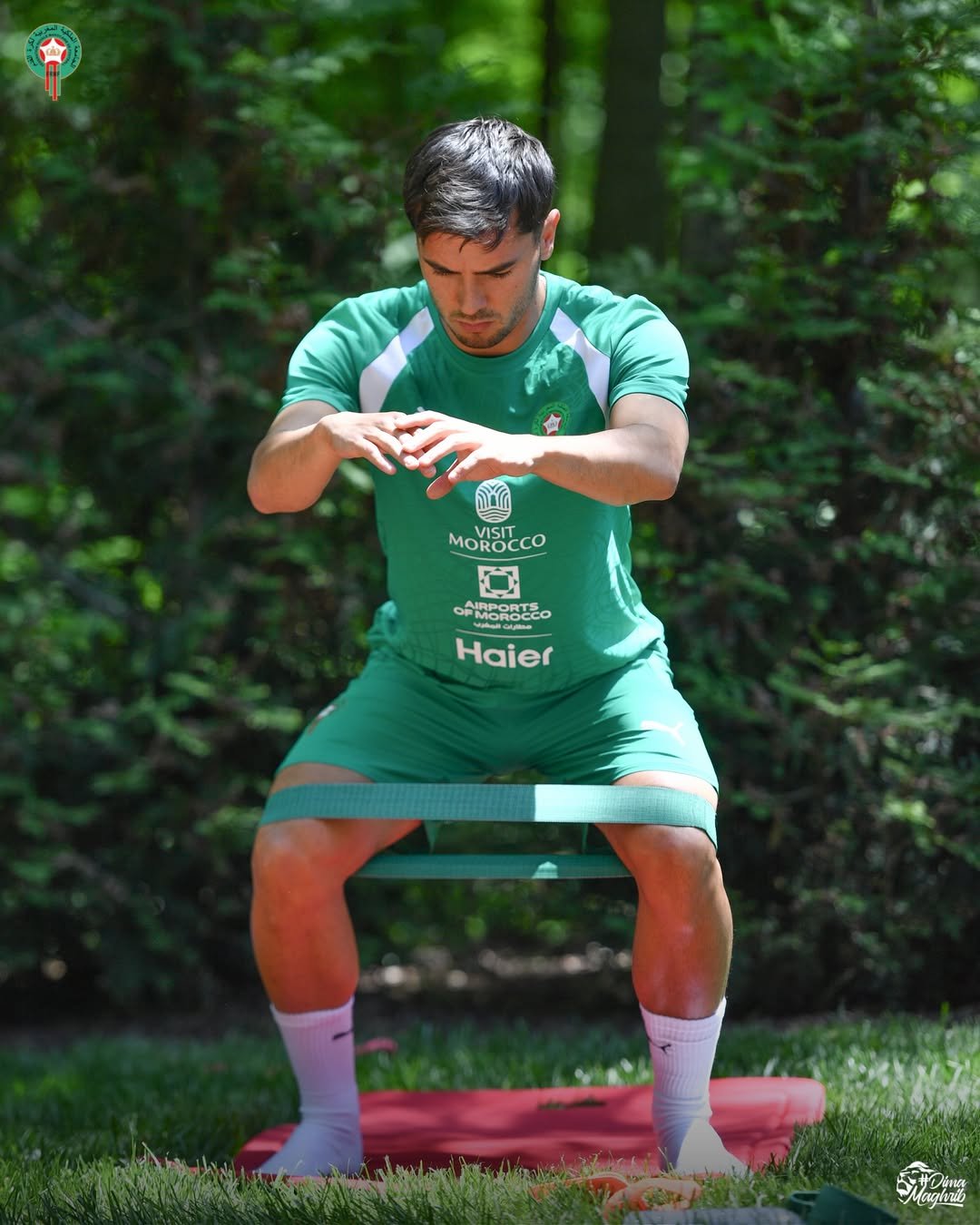
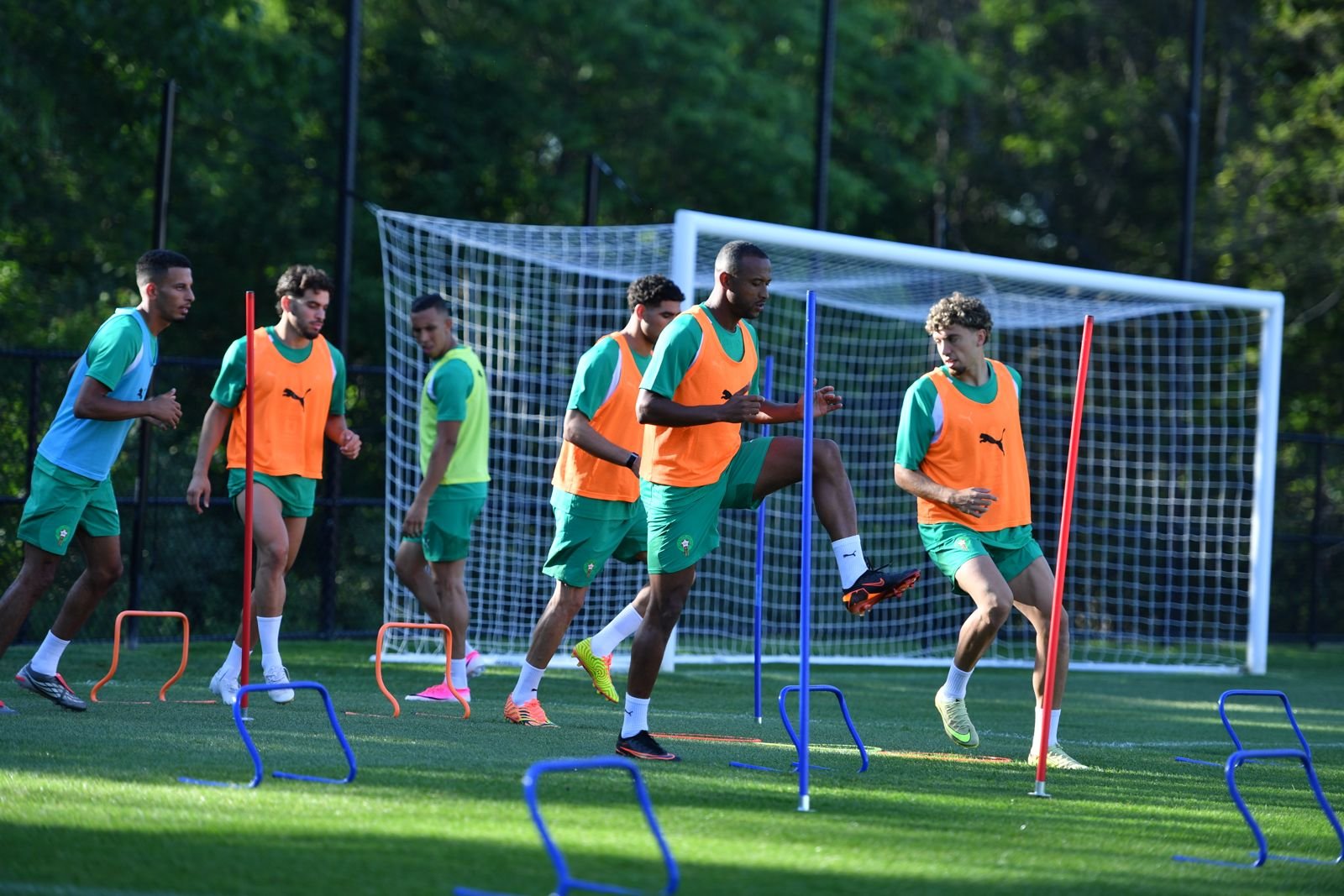
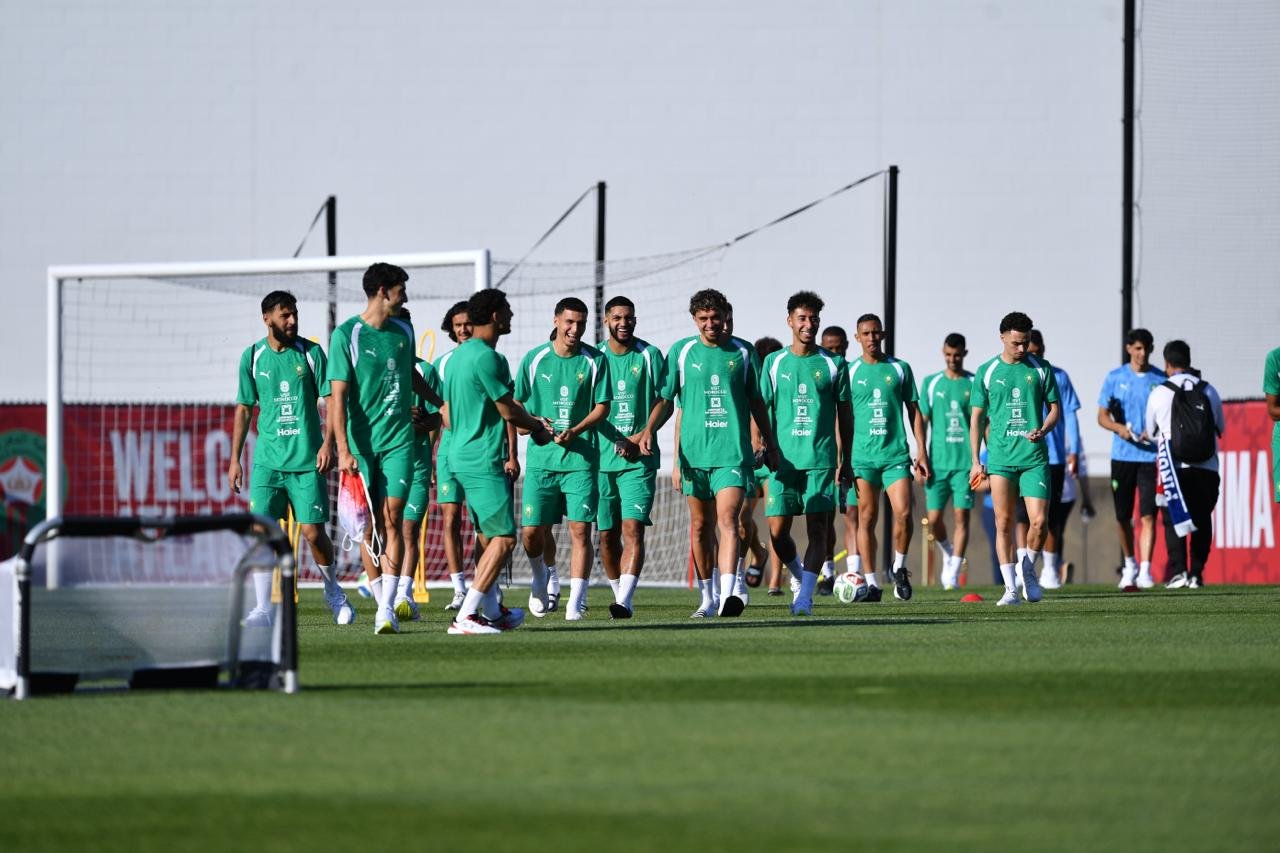
The Morocco national football team, known as the Lions of the Atlas, completed their first training session on Thursday, June 4, in the United States, just one day after arriving on American soil as part of their preparation for the 2026 FIFA World Cup (June 11 – July 19).
Following an initial recovery-focused workout, the Moroccan squad stepped up their preparations with a full training session held in an open-to-the-public format, allowing supporters to witness the team’s early build-up ahead of the tournament.
The session took place at The Pingry School, the team’s base camp in New Jersey, where technical, physical, and tactical drills were combined as the players gradually increased the intensity of their preparation.
Strong Fan Presence in New Jersey
One of the highlights of the day was the strong turnout of Moroccan supporters, who gathered in large numbers to encourage their national team during this early stage of their World Cup journey. The atmosphere reflected the high expectations surrounding the squad as they prepare for a major international challenge.
Full Squad Almost Complete
All players called up by head coach Mohamed Ouahbi participated in the session, with the exception of Zakaria El Ouahdi, who is expected to join the group in the coming hours after resolving his entry clearance procedures for the United States. His arrival will mark the completion of a nearly full squad as Morocco continues to build cohesion ahead of the competition.
Focus Turns to Final Warm-Up Match
Before fully shifting attention to the World Cup, Morocco will play one final preparation match against Norway and star striker Erling Haaland on June 7 at the Sports Illustrated Stadium in Harrison, New Jersey. This final test will serve as an important benchmark before the team begins its World Cup campaign.
World Cup Fixtures Ahead
The Lions of the Atlas will begin their tournament journey on June 13 against Brazil at MetLife Stadium in New Jersey. They will then face Scotland on June 19 in Boston, before concluding their group stage on June 24 against Haiti in Atlanta. With preparations now underway on American soil, Morocco enters the final phase of its World Cup buildup with ambition, structure, and strong backing from its supporters.

Morocco officially arrives in the United States to begin World Cup 2026 preparations
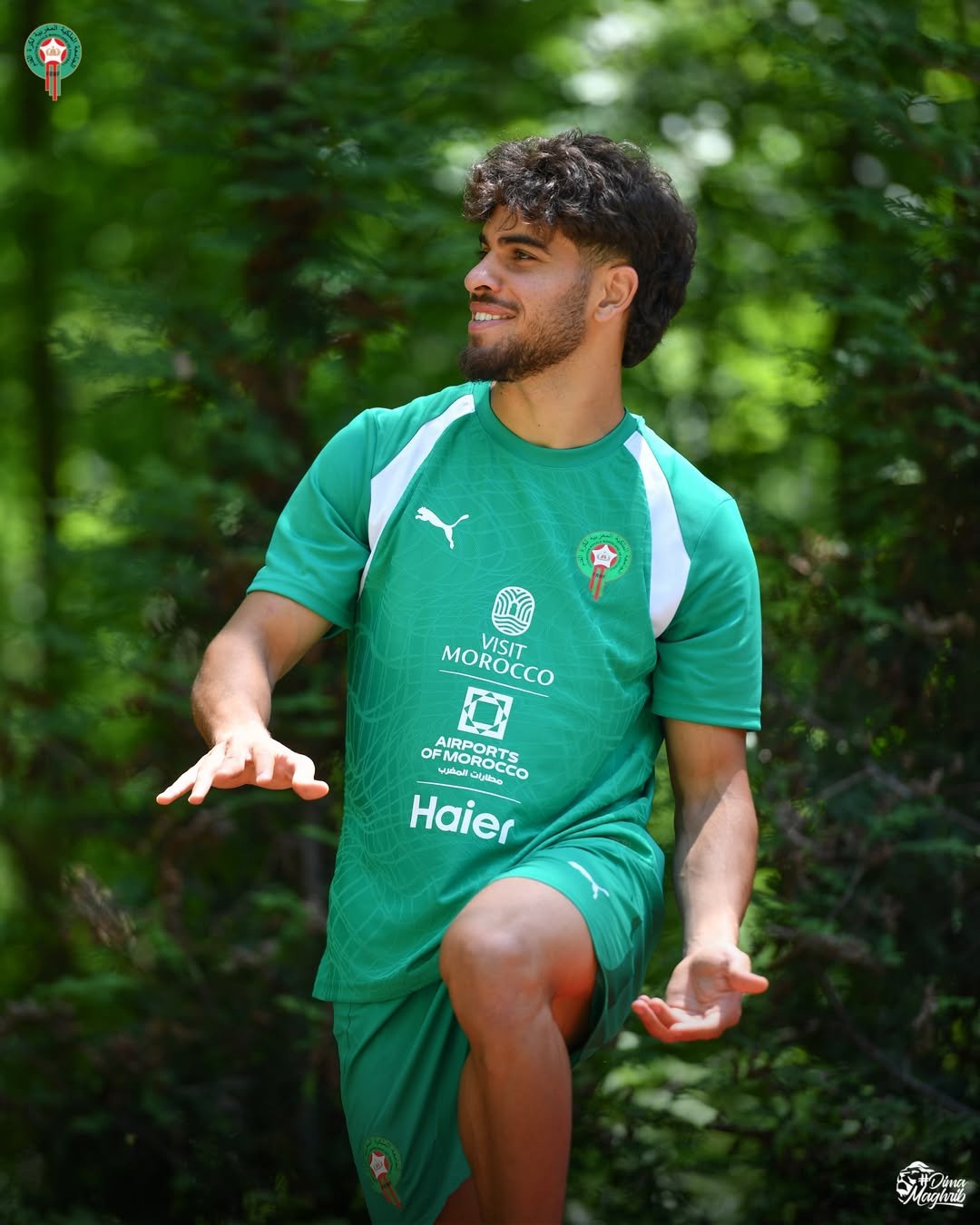
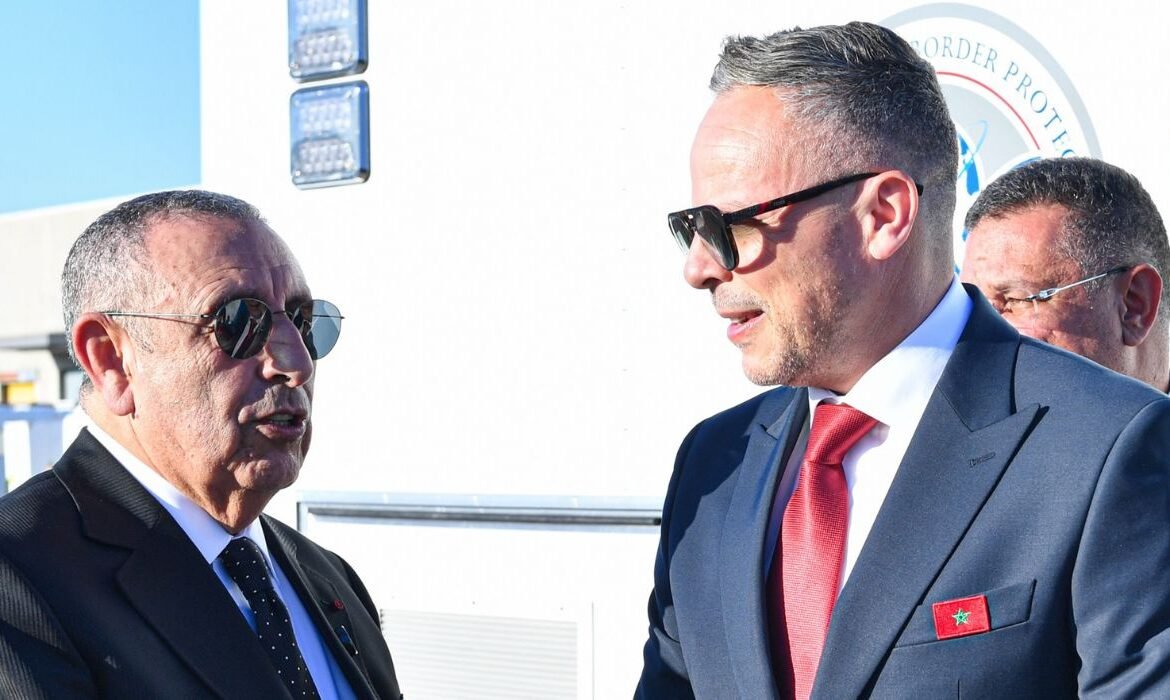
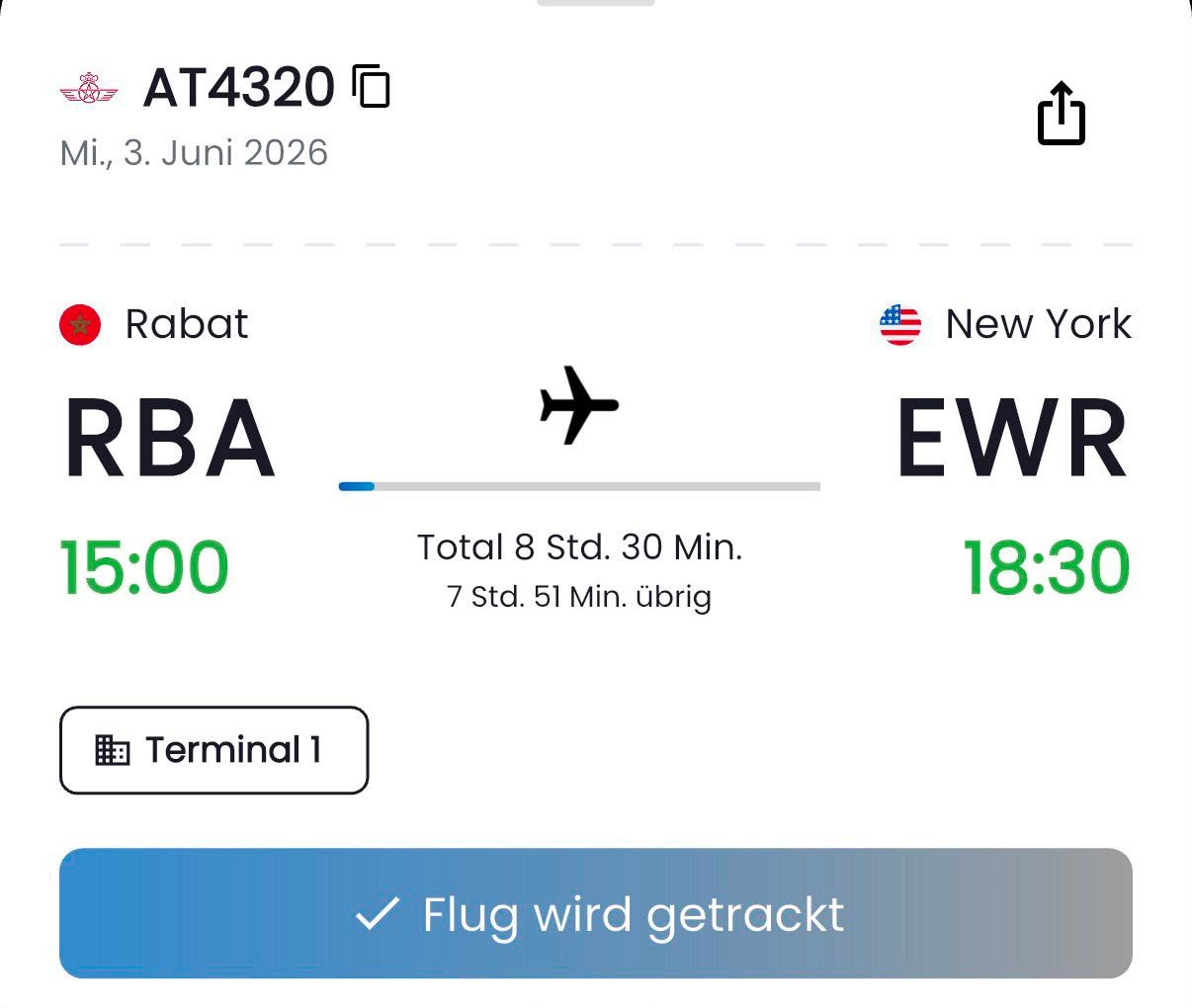
The Morocco national football team has officially arrived in the United States on June 3, 2026, marking the start of its final preparation phase for the Coupe du monde 2026. The Atlas Lions are now fully focused on building momentum ahead of the global tournament hosted across the United States, Canada and Mexico.
Focus on adaptation and fine-tuning
Now based on American soil, the Moroccan squad enters a crucial adaptation phase. The program includes recovery sessions, tactical adjustments, and gradual integration of all players into the team environment. The technical staff aims to fine-tune performance details and ensure optimal readiness ahead of the competition.
A confident and ambitious Morocco
Following strong recent international performances, Morocco enters the World Cup with high expectations and renewed confidence. No longer seen as an outsider, the team is aiming to build on its 2022 success and push even further in 2026.

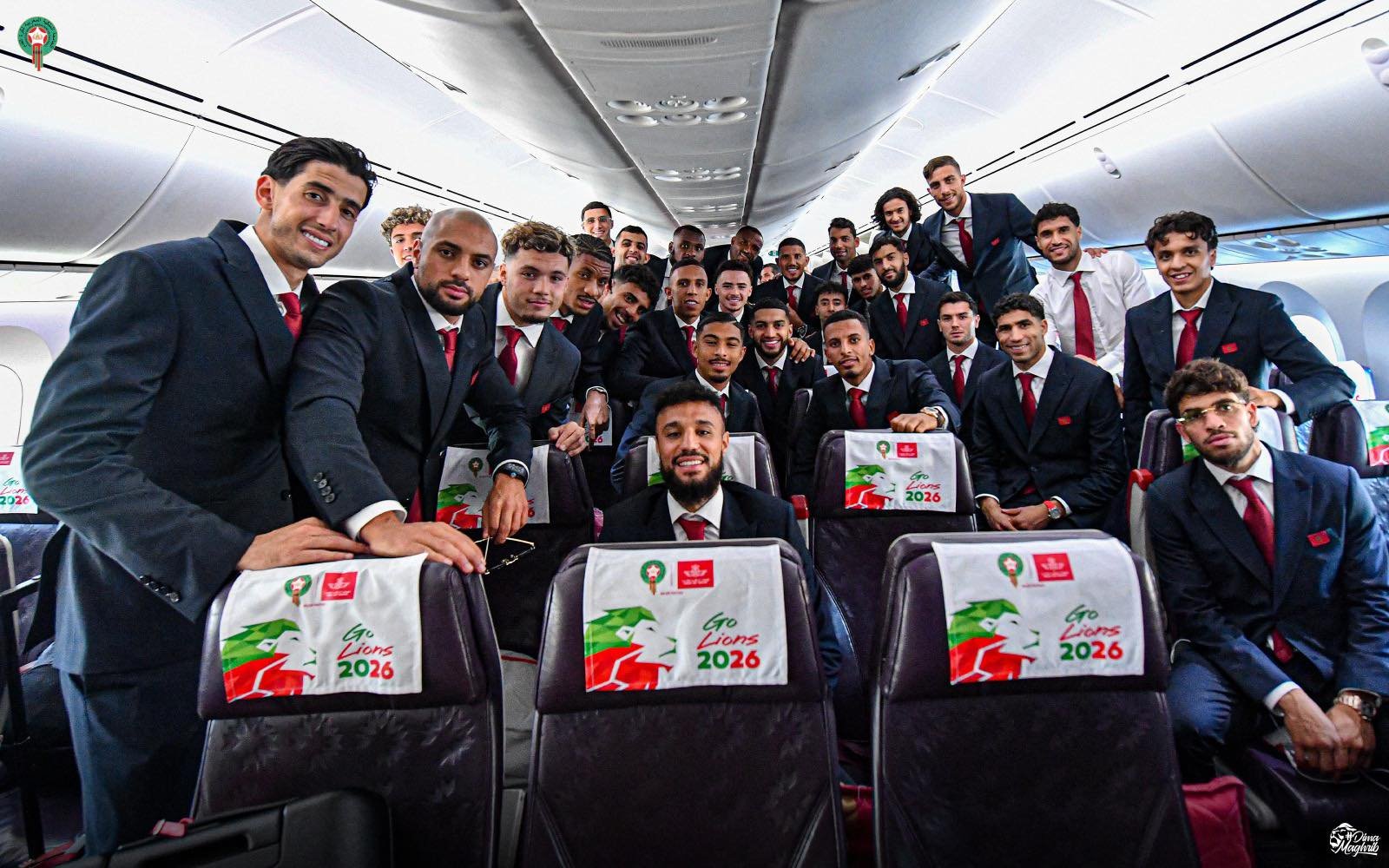








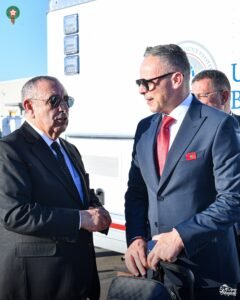
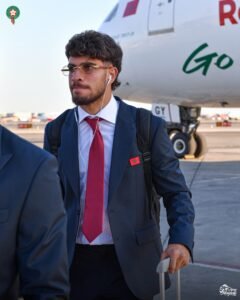
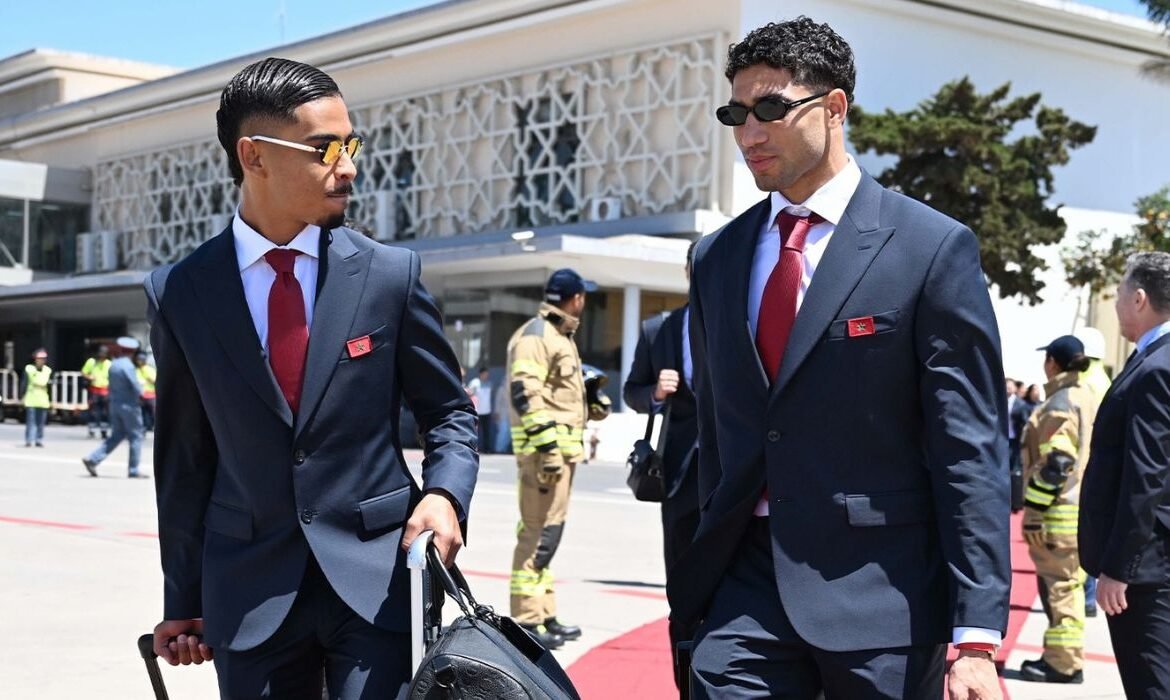
2026 World Cup: Morocco heads to the United States with the ambition of doing better than 2022
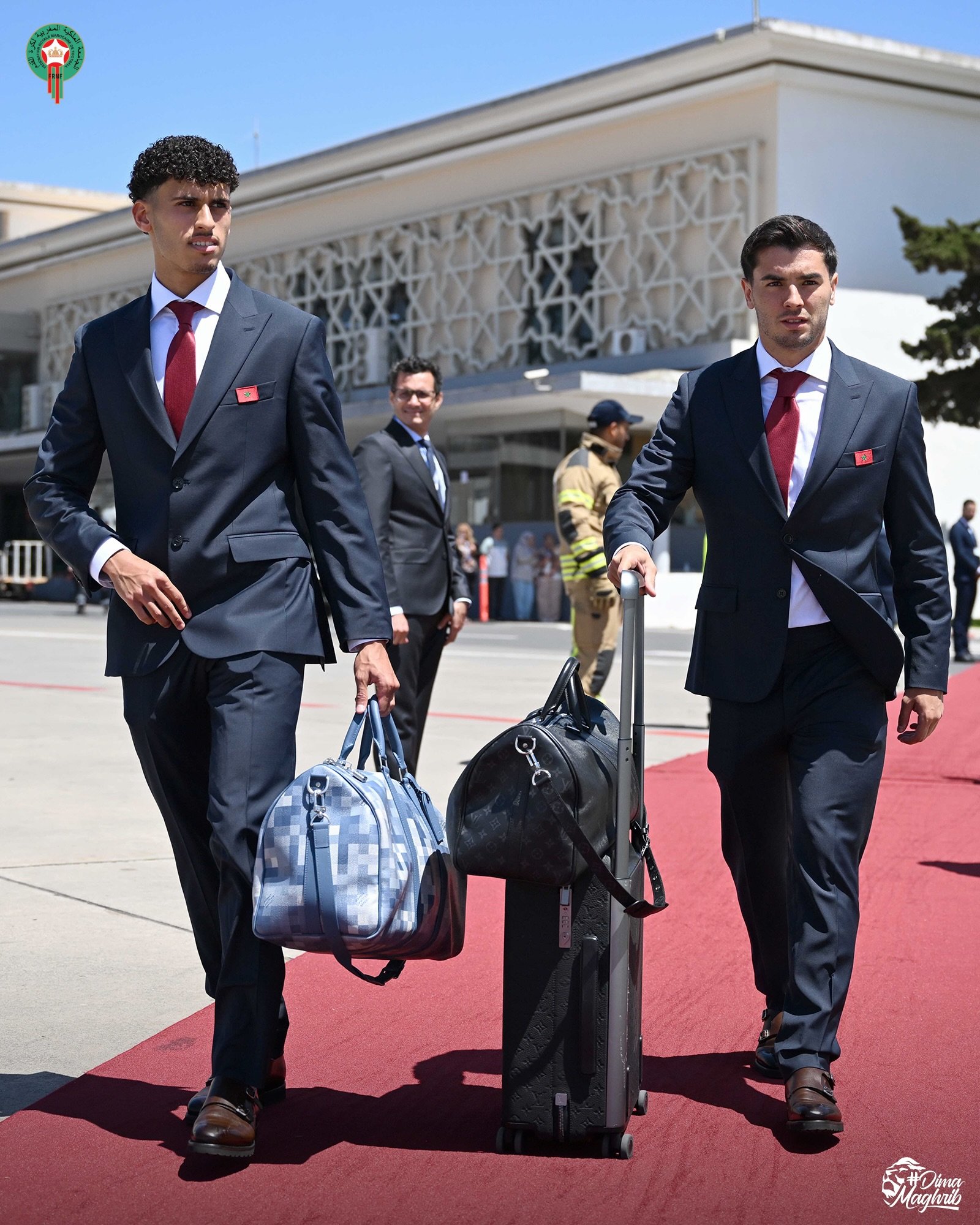
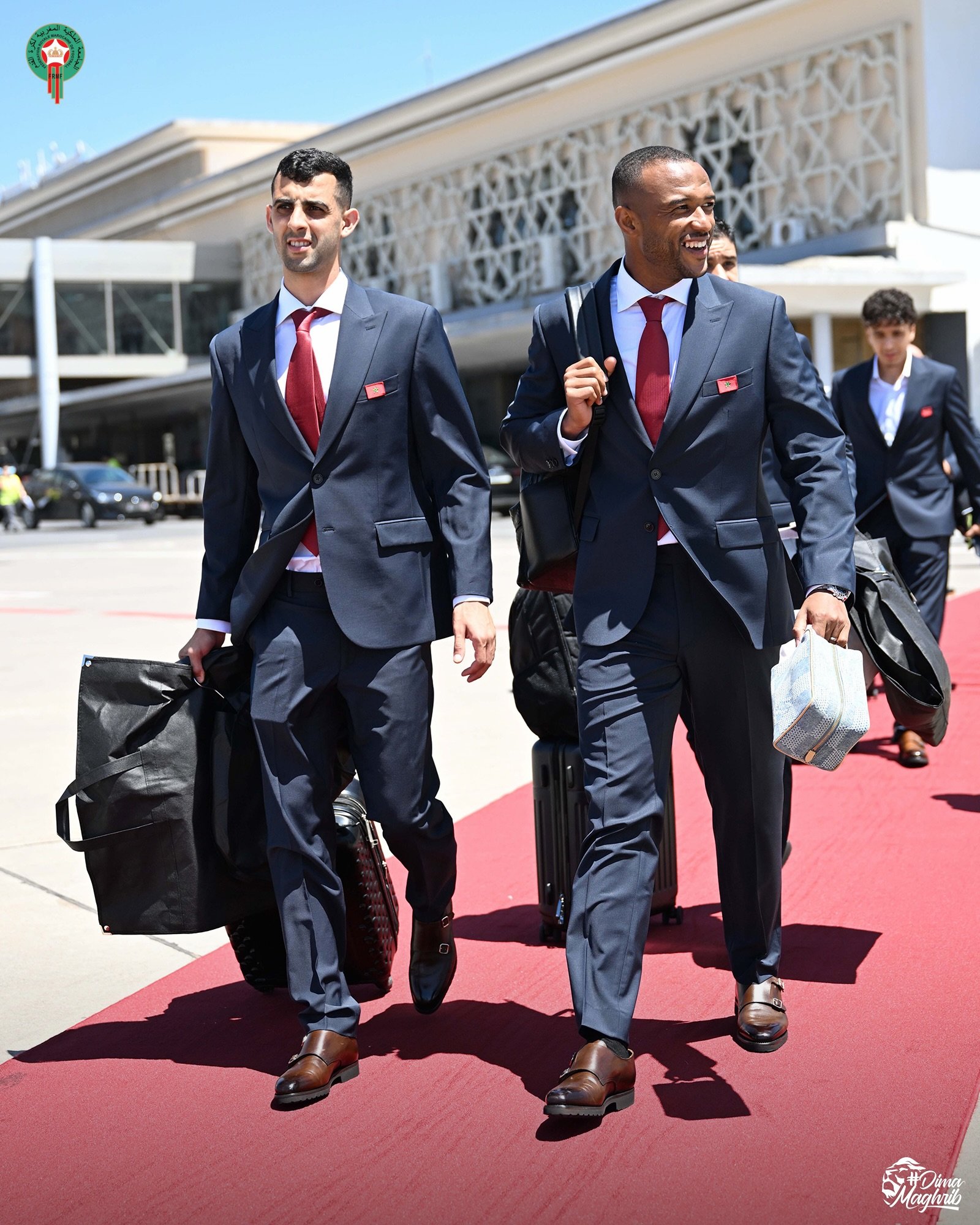
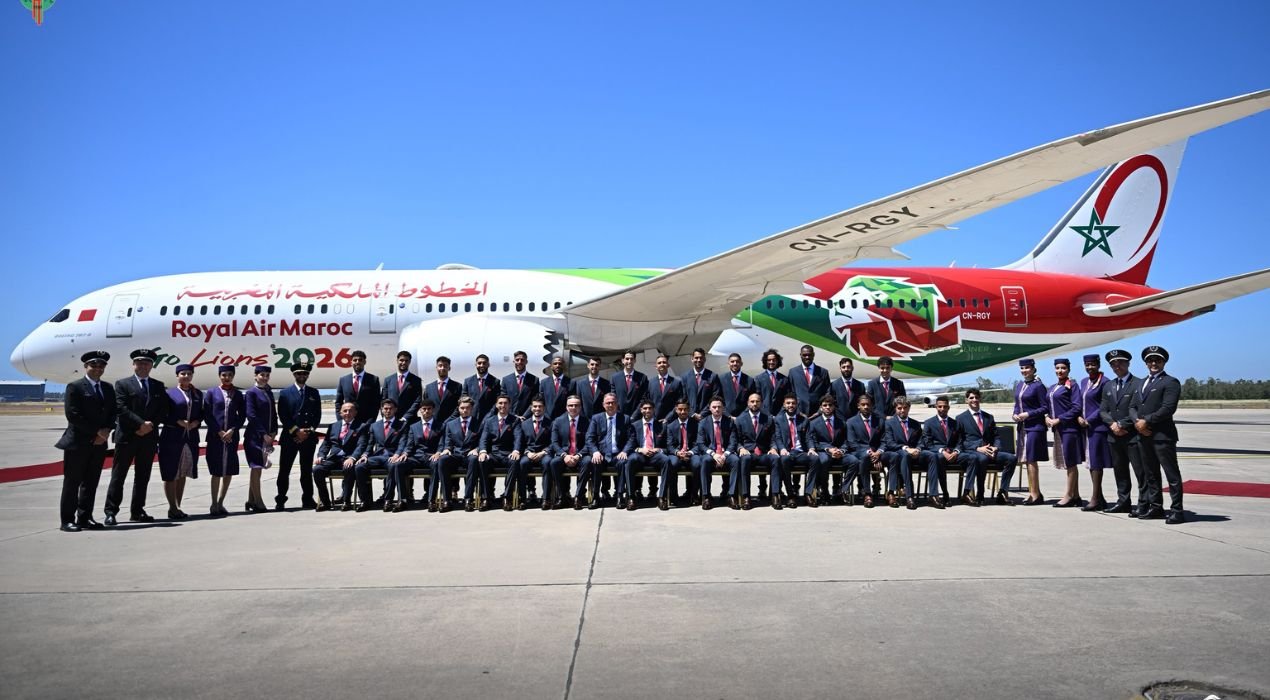
The Morocco national football team has officially left for the United States on June 3, 2026, to begin its final preparation phase ahead of the Coupe du monde 2026. The Atlas Lions arrive with high expectations following their historic semi-final run in 2022, aiming this time to go even further on the global stage.
This departure marks the beginning of Morocco’s World Cup journey. The squad combines experience, tactical discipline, and a strong winning mentality built over recent years. Led by captain Achraf Hakimi, the team is determined to confirm its status among the world’s elite national sides.
A new chapter in Morocco’s football history
No longer seen as outsiders, Morocco enters the 2026 World Cup with the ambition of building on its previous success and achieving an even deeper run in the competition.
Morocco on track to dominate Group C of the 2026 World Cup
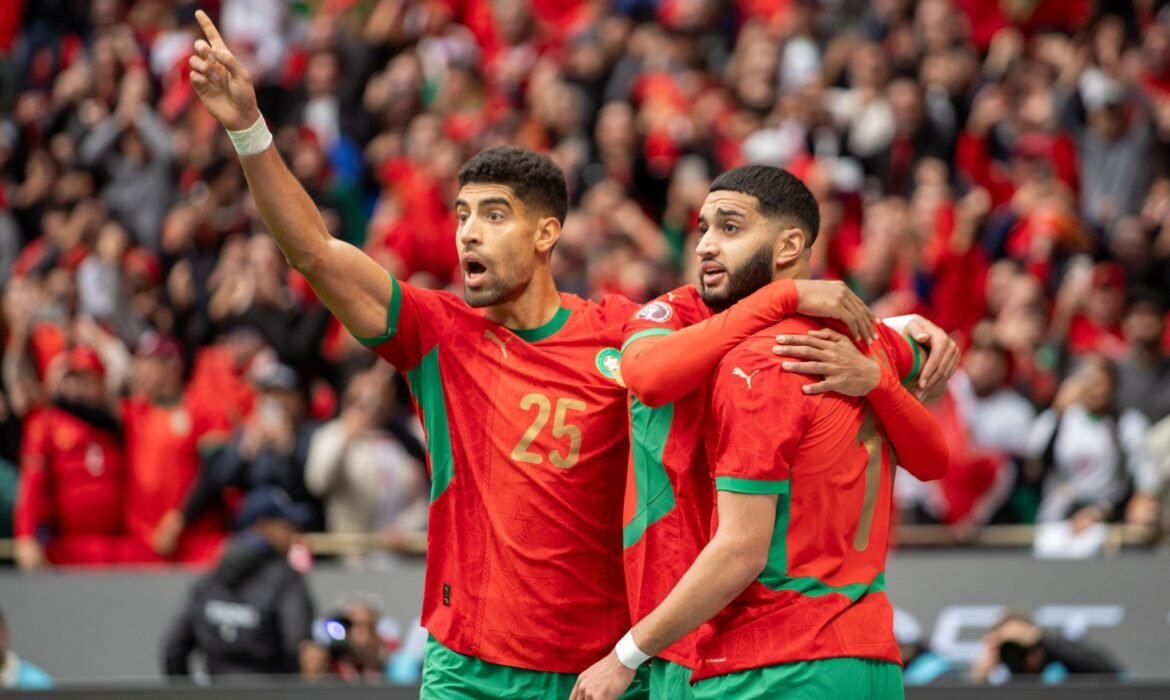
As the Coupe du monde 2026 approaches, Group C is rapidly emerging as one of the tournament’s most intriguing storylines. Much of that attention is being driven by Morocco, which continued its impressive run with a commanding 4-0 victory over Madagascar in a pre-tournament friendly on June 2. Midfielder Ismael Saibari scored twice as the Atlas Lions extended their unbeaten streak to 27 matches.
Confidence growing around the Atlas Lions
Four years after their historic World Cup semi-final run, Morocco enters the competition with renewed confidence and growing international respect. Led by captain Achraf Hakimi, the team has combined experienced leaders with an emerging generation of talent. Their tactical organization, consistency and winning mentality have made them one of the most closely watched teams heading into the tournament.
More than an outsider
Morocco is no longer viewed simply as a surprise package. Instead, many observers now consider the Atlas Lions among the strongest challengers outside the traditional football powers. With Brazil, Scotland and Haiti sharing the same group, Group C promises drama, quality and global attention from the opening round onward.
European investment strengthens Morocco’s role as a Mediterranean gateway
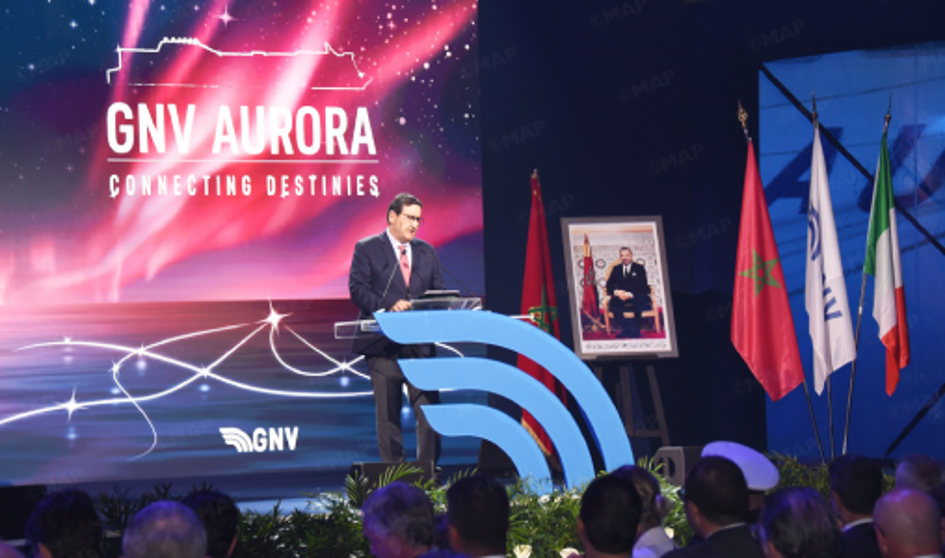
Morocco’s strategic position between Europe and Africa continues to attract major international investment, with MSC and its ferry subsidiary GNV committing €1.3 billion to fleet modernization as part of their long-term 2030 vision. A key element of the investment is the deployment of two brand-new LNG-powered ferries on routes connecting Europe and Morocco.
Building connectivity for the future
The decision reflects growing confidence in Morocco’s role as a major transportation and logistics hub in the Mediterranean region. With world-class ports, expanding infrastructure and strong economic links to Europe, Morocco continues to strengthen its position as a preferred destination for trade, tourism and investment. The timing is also significant as the country prepares to co-host the Coupe du monde 2030, an event expected to further accelerate infrastructure development and international connectivity.
A vote of confidence in Morocco’s long-term vision
By aligning its investment strategy with the horizon of 2030, MSC is highlighting Morocco’s growing importance within regional transport networks and its attractiveness as a destination for long-term international capital.