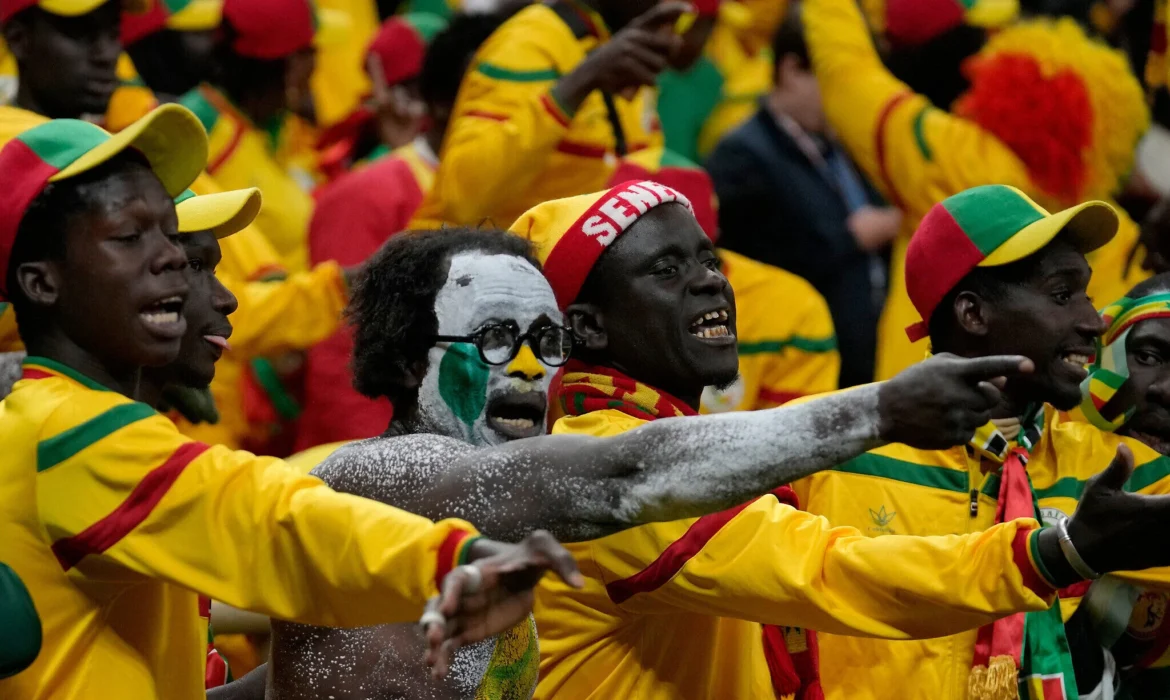
In Morocco, the recent release of three Senegalese supporters on Saturday, April 18, has stirred mixed emotions of relief and lingering tension. The fans had completed their sentences following incidents linked to the Africa Cup of Nations (AFCON) final held in January. However, around fifteen Senegalese supporters remain in detention.
As legal and diplomatic efforts continue, Dakar is expected to submit requests for royal pardons, while the Court of Arbitration for Sport (CAS) prepares to rule on the sporting dispute surrounding the final’s outcome.
A Calm Tone Amid Lingering Frustrations
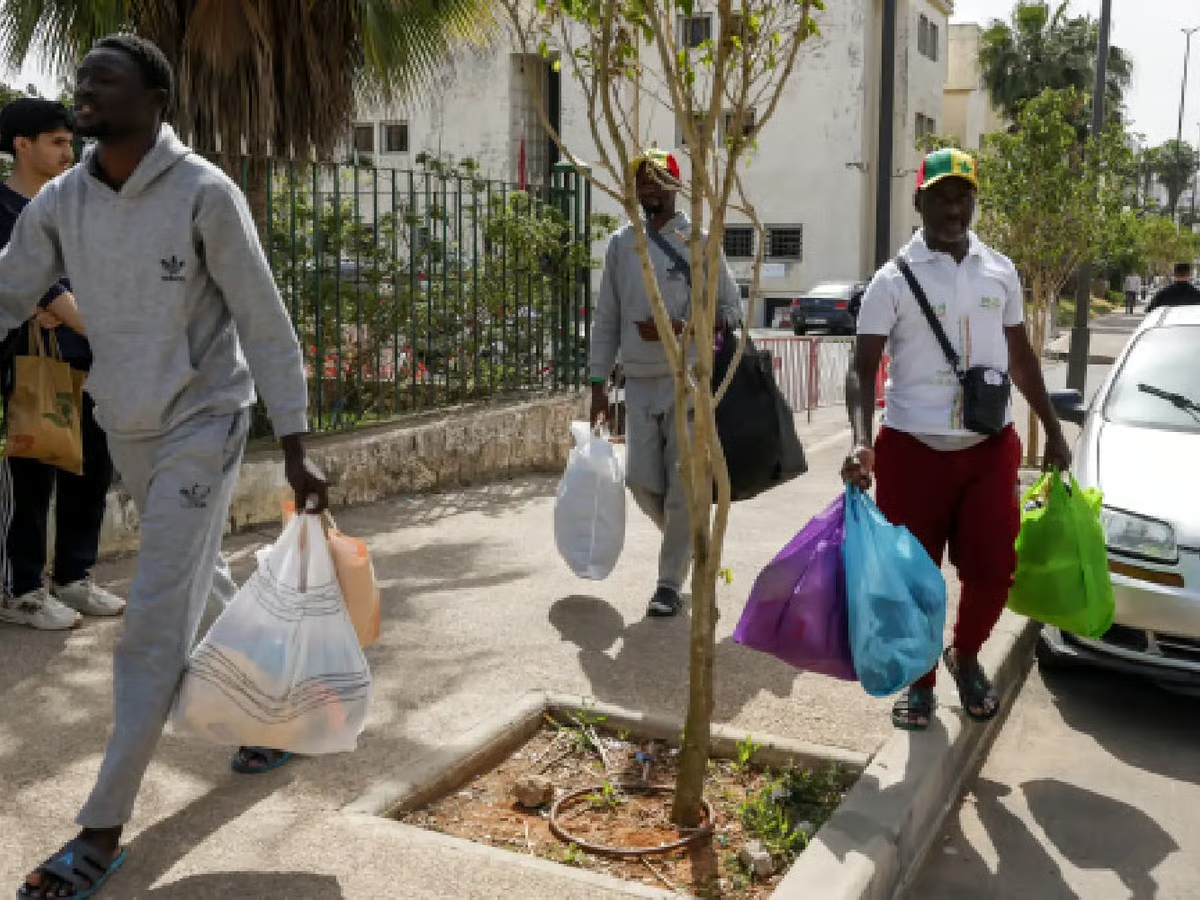
Upon their release from Al Arjat 2 prison near Rabat, the three supporters appeared conciliatory. According to Moroccan media, one of them even expressed support for the host country, saying “dima Maroc, dima Maghrib” — a phrase in local dialect meaning “long live Morocco.”
Despite the celebratory mood, the released individuals did not benefit from any sentence reduction, having served the full three-month term. Their legal team continues to criticize the judicial process, citing a “lack of evidence.”
Earlier, Senegal’s Foreign Minister Cheikh Niang described the situation as a “painful moment” in relations between Senegal and Morocco.
Psychological Support Before Returning Home
Before returning to Senegal, the released supporters are expected to receive psychological support. Backed by the Senegalese Football Federation and government authorities, their lawyers have requested that Senegalese psychologists assist them in coping with the trauma of detention.
While the legal team has acknowledged acceptable detention conditions, diplomatic efforts are ongoing to secure leniency for those still imprisoned. A request for royal clemency is reportedly being prepared with the support of Senegal’s National Human Rights Commission.
Fifteen Supporters Still Detained in Rabat
Fifteen Senegalese nationals remain in custody in Rabat following the controversial AFCON final held on January 18 at the Stade Moulay Abdellah. They are serving sentences ranging from six months to one year, upheld on appeal.
The charges include acts of hooliganism such as violence against security forces, damage to sports facilities, throwing projectiles, and pitch invasion.
Awaiting a Key Decision from CAS
Meanwhile, the broader sporting dispute remains unresolved. The Court of Arbitration for Sport, officially seized on March 25, has yet to announce a timeline for its final decision regarding the attribution of the AFCON title.
Based in Switzerland, the CAS is not expected to deliver a verdict before the upcoming World Cup — and possibly not before the end of 2026.