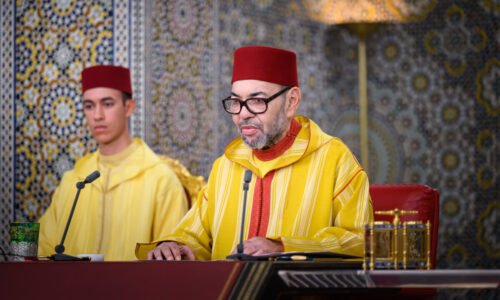

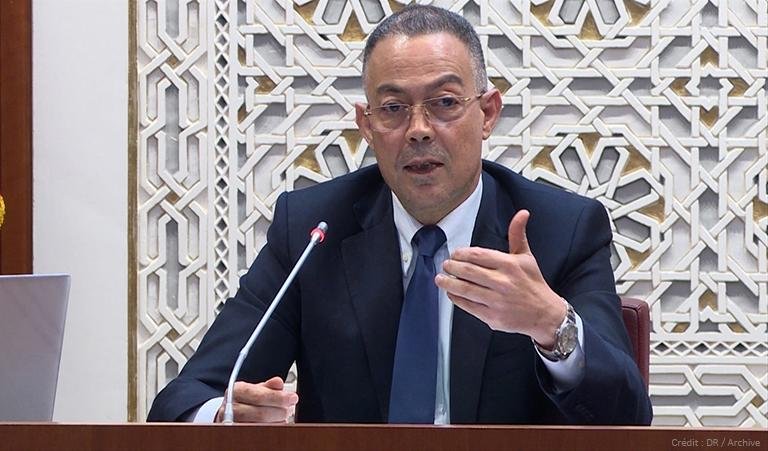
King Mohammed VI chaired a Cabinet meeting at the Royal Palace in Rabat to discuss the general guidelines of the 2027 draft Finance Bill. Presented by Fouzi Lekjaa, this budget places citizens and the regions at the heart of public policy.
On 17 October, King Mohammed VI chaired a crucial Cabinet meeting at the Royal Palace in Rabat, focusing on the guidelines for the 2027 draft Finance Bill. Presented by Fouzi Lekjaa, Minister for the Economy, Finance and Public Performance, these guidelines place citizens at the heart of the government’s priorities. Centred on supporting purchasing power, strengthening the welfare state, youth employment, regional development and strategic sovereignty, the draft aims to provide concrete responses to the day-to-day needs of Moroccans whilst pursuing long-term ambitions.
The primary priority of this budget proposal is to safeguard purchasing power and to continue major social initiatives. The bill provides for a structural reform of markets and price regulation mechanisms from 2027, an increase in direct social assistance, and the full extension of universal healthcare coverage. It is accompanied by the ongoing modernisation of the health and education systems, complemented by the continuation of the direct housing support programme. For young people, an integrated national programme covering the period 2027–2031 will support them from career guidance and training right through to the funding of their projects. At the same time, the regions will benefit from a total budget of approximately 25 billion dirhams earmarked for new integrated territorial development programmes as part of the advanced regionalisation process.
From a strategic perspective, the 2027 Finance Act aims to strengthen the Kingdom’s sovereignty in key sectors such as water security, renewable energy, green hydrogen through the ‘Offre Maroc’ initiative, gas infrastructure, food sovereignty and the digital sector. Support for private investment and small businesses will also be strengthened through the reform of the Regional Investment Centres. These commitments are underpinned by very sound macroeconomic fundamentals, with growth projected at 4.7 per cent for 2026, inflation maintained at a very low level of 0.7 per cent, and a budget deficit gradually reduced to 3 per cent of gross domestic product before the bill is finally presented to Parliament.