With two weeks to go until 31 October, the date on which MINURSO’s mandate expires, Moroccan diplomacy is enjoying a string of international successes. Before the UN Fourth Committee, The Gambia and numerous other nations reaffirmed their unreserved support for the autonomy plan and for Morocco’s sovereignty over its southern provinces.
One year on from the adoption of Security Council Resolution 2797, the autonomy initiative put forward by Morocco stands out more than ever as the sole basis for resolving the regional dispute.
As the UN Security Council prepares to decide on the renewal of the UN mission, the Kingdom approaches this deadline from a position of strength, buoyed by favourable international momentum and by the first celebration, on 31 October, of Eid Al Wahda (the Festival of Unity).
A wave of international support at the UN
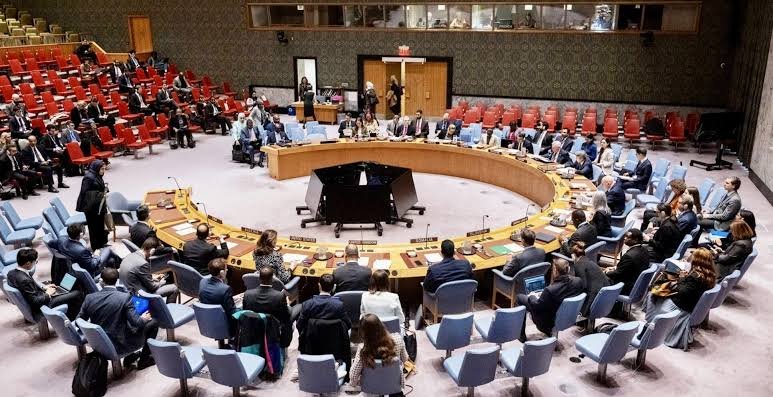
The proceedings of the Fourth Committee of the UN General Assembly in New York have once again highlighted the international support for Morocco’s position:
Key statements : The Gambia reaffirmed its commitment to “the sovereignty and territorial integrity of the Kingdom of Morocco over the Sahara region” and its “unwavering” support for the autonomy plan, which it described as “a credible, realistic and pragmatic starting point”.
Converging support : Liberia — a non-permanent member of the Security Council —, Jordan, Burundi, Dominica, Saint Vincent and the Grenadines, and Equatorial Guinea all expressed the same position. The Liberian delegation, in particular, described the Moroccan proposal as the ‘most realistic and achievable basis’.
Meanwhile, on the humanitarian front in Geneva, Ambassador Omar Zniber urged the UNHCR Executive Committee to ensure that international aid destined for the Tindouf camps is channelled towards durable solutions: “Assistance must not fund the perpetuation of refugee status but rather the solutions it provides,” he stated, emphasising that a majority of major donor states support this vision.
The autonomy plan at the centre of political discussions
Security Council Resolution 2797 enshrined the primacy of the Moroccan proposal. At the instigation of the United States, three rounds of talks were held in Washington and Madrid in 2026, bringing together Morocco, Algeria, Mauritania and the Polisario Front to discuss the autonomy plan.
In his latest annual report, UN Secretary-General Antonio Guterres formally recommends extending MINURSO’s mandate for a further year whilst exploring avenues for effective autonomy.
Regional influence bolstered by the Atlantic Initiative
In terms of regional geopolitics, Morocco’s position stands in stark contrast to the diplomatic difficulties faced by Algiers, which has been weakened by its recent tensions with the Alliance of Sahel States (Mali, Niger, Burkina Faso).
Meanwhile, Rabat is consolidating its strategic alliances : King Mohammed VI brought together the foreign ministers of these three Sahel countries, who reaffirmed their full and unwavering commitment to the Royal Initiative for the Sahel countries’ access to the Atlantic Ocean.
Bolstered by these diplomatic and territorial achievements, Morocco is preparing to celebrate, on 31 October, Eid Al Wahda, established by the sovereign, thereby cementing the Kingdom’s national unity and territorial integrity.