Before Parliament, Fouzi Lekjaa detailed the temporary exemptions governing the tournament’s organization and the operation of the FIFA Legacy Fund.
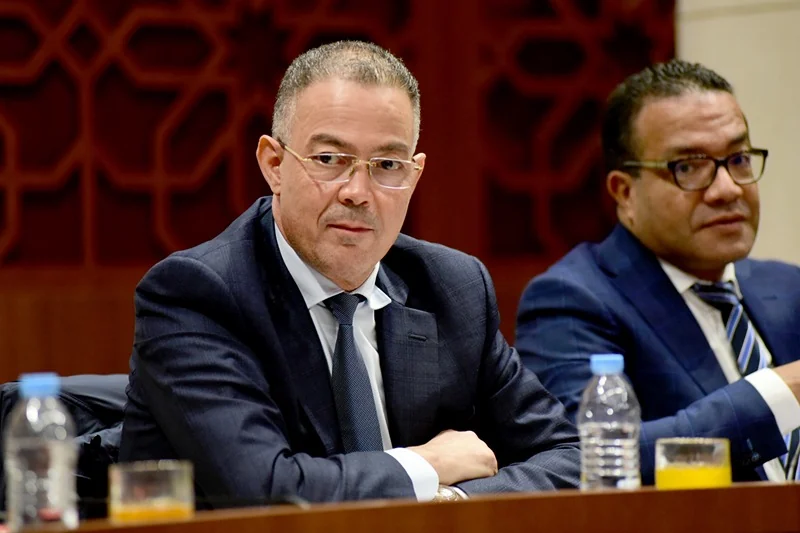
The organization of major global sporting events requires meticulous financial and legal preparation, essential to guarantee the host country’s budgetary sovereignty. During the detailed examination of the 2027 Finance Bill before the Finance and Economic Development Committee of the House of Representatives, Minister Delegate for Economy and Finance and President of the Royal Moroccan Football Federation, Fouzi Lekjaa, provided major clarifications on the tax framework for the 2030 World Cup. The minister notably revisited attempts by the United States to tax bonuses paid during the 2026 World Cup, including the $20 million payout allocated to national players. Thanks to negotiations conducted with the international governing body, the national team retained its usual exemption status. For the 2030 edition, tax advantages granted to FIFA regarding corporate tax, income tax, and VAT remain strictly regulated and restricted to the duration of the tournament to prevent double taxation.
A Legacy Fund to modernize the local sports ecosystem
Among the financial mechanisms presented to parliamentarians, the minister highlighted the strategic role of the FIFA Legacy Fund, featuring approximately $100 million for the host nation. Fully tax-exempt, this financial package will be directly injected into modernizing sports infrastructure, upgrading provincial stadiums, and developing youth programs. This mechanism ensures that direct returns from the competition offer lasting benefits to the national sports fabric, supporting job creation in technical coaching, sports health, and facility management. This strategy transforms the global event into a catalyst for inclusive growth across all regional stakeholders.
Territorial development and regional infrastructure expansion
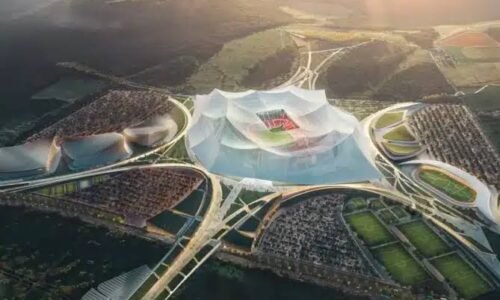
Beyond the purely sporting dimension, the tournament specifications encompass more than 172 training, accommodation, and gathering sites distributed across the entire national territory. Hosting matches across six main venues located in Agadir, Marrakech, Casablanca, Rabat, Tangier, and Fez, the Kingdom is deploying a comprehensive program for surrounding infrastructure. This strategic investment plan includes establishing regional express train networks, modernizing airport hubs, expanding the hotel supply by over 72,000 rooms, and upgrading university hospital centers to international standards. This overall momentum enhances regional appeal, supports local construction sector activity, and strengthens the country’s overall economic competitiveness.