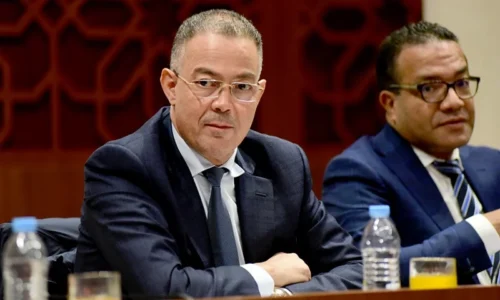

During a phone call with Nasser Bourita, Romanian Minister Dan Neculăescu praised the autonomy initiative as the most credible solution.
The momentum of international support for the national diplomatic position continues to expand in the heart of the European continent. During a telephone conversation held on Tuesday with the Minister of Foreign Affairs, African Cooperation and Moroccans Residing Abroad, Nasser Bourita, the head of Romanian diplomacy, Dan Neculăescu, clearly reaffirmed his country’s official position. Bucharest considers the autonomy plan presented by the Kingdom to be the most adequate, serious, credible, and realistic basis for achieving a fair, lasting, and mutually acceptable political settlement to the regional dispute over the Sahara. On this occasion, the European diplomatic official praised the ongoing constructive engagement of national authorities in favour of regional stability and respect for international legality.
Consolidation of bilateral partnerships and multilateral consultations
This high-level exchange enabled both representatives to renew their shared determination to intensify cooperation between the two nations, continuing a legacy of historical bonds of friendship and strategic partnership. Discussions also touched upon matters of mutual interest on the international stage, notably upcoming milestones within the Francophone sphere. The ministers discussed preparations for the future Francophonie Summit as well as Romania’s candidacy for the position of Secretary General of the International Organisation of La Francophonie (OIF). This convergence of views reflects the maturity of a bilateral diplomatic relationship founded on mutual respect, regular political consultation, and reciprocal support within international bodies.
Economic spillovers and appeal for European investment
The steady reinforcement of European political support for the Kingdom’s territorial integrity generates a direct economic impact on the business environment. This diplomatic stability offers a secure legal and institutional framework for economic actors, encouraging increased trade between the country and Central and Eastern European markets. The alignment of partner nations’ positions stimulates private investor interest in the opportunities offered across the Southern provinces, particularly in the renewable energy, port infrastructure, and tourism sectors. This consolidated momentum of confidence supports the integration of local micro, small, and medium-sized enterprises into international value chains and creates skilled jobs for national youth.