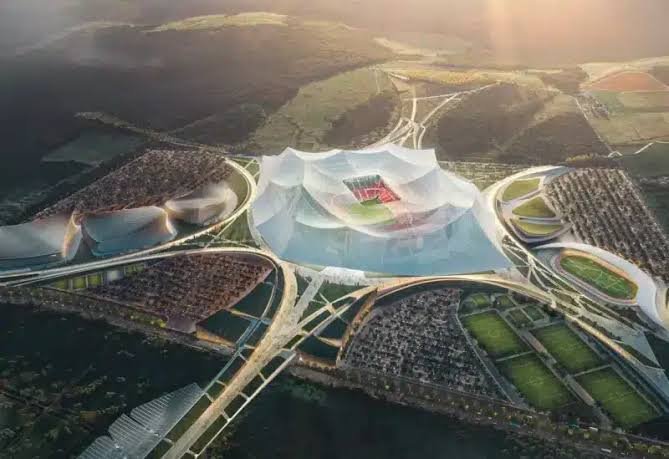
Before Parliament, Fouzi Lekjaa highlighted the impact of the Grand Stade Hassan II for Raja, Wydad, and the development of national infrastructure.
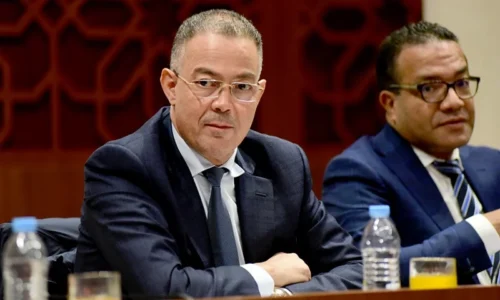
The construction of major sporting infrastructure ahead of international events serves as an accelerator of development for the entire national territory. During the detailed examination of the 2027 Finance Bill before the Finance and Economic Development Committee of the House of Representatives, Minister Delegate for Economy and Finance and President of the Royal Moroccan Football Federation, Fouzi Lekjaa, provided major clarifications regarding the future Grand Stade Hassan II in Benslimane. Responding to inquiries from parliamentarians, the official specified that the overall cost of the construction project will be finalized following the award of the final works contract, as the project is divided into several operational lots. Regarding the venue’s location, the minister recalled that international standards for major metropolises now incorporate regulated travel times to access large sports arenas.
Infrastructure rendered profitable by Raja, Wydad, and the national team
One of the central arguments put forward by the federation president relies on the full utilization of this ultra-modern venue well before the kickoff of the 2030 World Cup. The future stadium is intended to host home matches for Raja Casablanca and Wydad Casablanca, as well as official fixtures for the national team. By combining the campaigns of the two Casablanca giants in the national championship and African competitions with the fixtures of the Atlas Lions, the infrastructure will host a volume exceeding twenty-five top-tier matches per season. With potential attendances exceeding one hundred thousand spectators per event, the venue’s capacity is fully justified, particularly as routine maintenance protocols are directly integrated into the overall economic model.
Comprehensive territorial benefits and integration of the Southern provinces
The vision carried by the Executive forms part of the Royal Guidelines aimed at ensuring all regions of the Kingdom benefit from the spillovers of the 2030 World Cup. Beyond the Benslimane site, public investments encompass the rehabilitation of the Cheikh Mohamed Laghdaf Stadium in Laâyoune, upgrades to the Dakhla stadium, and the creation of a regional football academy meeting international standards. These facilities are accompanied by major modernization projects for road, highway, and rail networks connecting Rabat, Casablanca, and neighboring cities. This regional development momentum creates direct opportunities for local businesses, supports employment in the construction sector, and enhances the tourist appeal of the country’s surrounding regions.