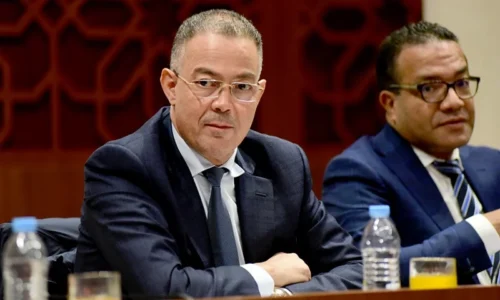
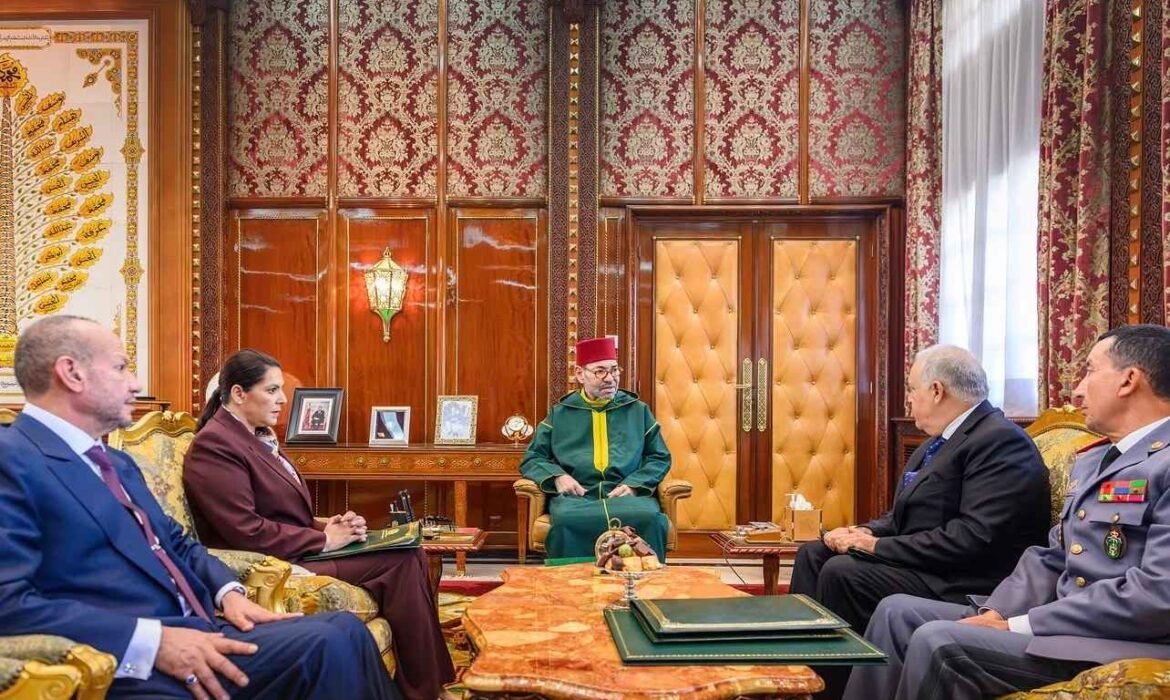
King Mohammed VI chaired a working session in Rabat dedicated to the Kingdom’s strategic orientation following the end of the UN mission’s mandate.
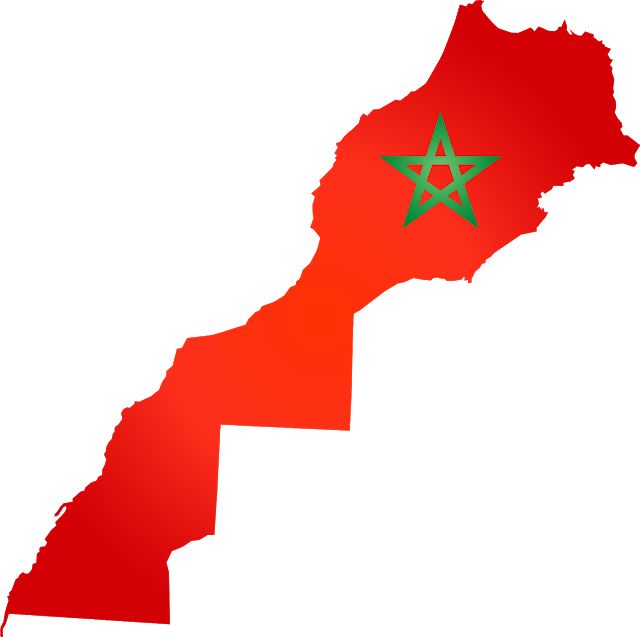
The strategic management of the Southern provinces enters a decisive phase under the guidance of the Kingdom’s High Leadership. On Wednesday, 4 November 2026, at the Royal Palace in Rabat, King Mohammed VI chaired a working session focused on monitoring the operational measures undertaken following the conclusion of MINURSO’s mandate, stemming from the non-renewal of its mission by the UN Security Council. Surrounded by senior civil and military officials—including Head of Government Fatima Ezzahra El Mansouri, Minister of the Interior Abdelouafi Laftit, and Inspector General of the Royal Armed Forces Lieutenant General Mohamed Berrid—the Sovereign firmly reaffirmed the Nation’s absolute priorities. This roadmap relies on strict respect for territorial integrity, the preservation of national security, and the protection of the local population, while maintaining a voluntary commitment to the ceasefire.
Coordinated winding-up of the mission and territorial sovereignty
To support the final closure of UN operations, national institutional capabilities are fully mobilized to ensure a smooth and orderly process. Royal High Instructions designated the Coordination Bureau under the Ministry of the Interior to oversee the administrative and logistical liquidation of facilities as well as the withdrawal of mission personnel. This approach reflects the maturity of Moroccan territorial administration and its capacity to ensure seamless continuity of services and security. By acknowledging that the original functions assigned to the international mission have been rendered obsolete by realities on the ground, the Kingdom reaffirms its diplomatic doctrine based on responsibility, respect for international commitments, and the full exercise of its sovereignty.
Continued investments and integration of the local MSME fabric
This new phase consolidates the socio-economic development momentum underway across the Southern regions. Maintaining absolute stability accelerates the execution of major structural projects, spanning port infrastructure, renewable energy, and interregional transport networks. The continuation of public and private investment offers direct integration opportunities for local small and medium-sized enterprises, driving sustainable job creation for youth in the Saharan provinces. Supported by growing international consensus around the autonomy initiative, this trajectory of comprehensive growth transforms the Southern territories into an attractive economic hub and a strategic bridge between the Kingdom and the African continent.