
Minister Nizar Baraka presented a comprehensive strategy to Parliament to tackle water stress. The plan combines dams, massive desalination, wastewater reuse, and territorial protection.
Water security stands as the major challenge to national sovereignty in the face of recurring climate hazards. Presenting the government roadmap before the House of Representatives on Monday, 2 November 2026, Minister of Equipment, Water, and Forests Nizar Baraka detailed ambitious strategic targets set for 2031. In accordance with high Royal directives, the Kingdom aims to increase the total storage capacity of its dams to twenty-seven billion cubic metres, while reaching an annual desalinated water production of 1.8 billion cubic metres. This industrial transformation of resource management will satisfy sixty per cent of national drinking water needs, securing both household consumption and the supply of strategic economic sectors.
A massive deployment of infrastructure and inter-basin transfers
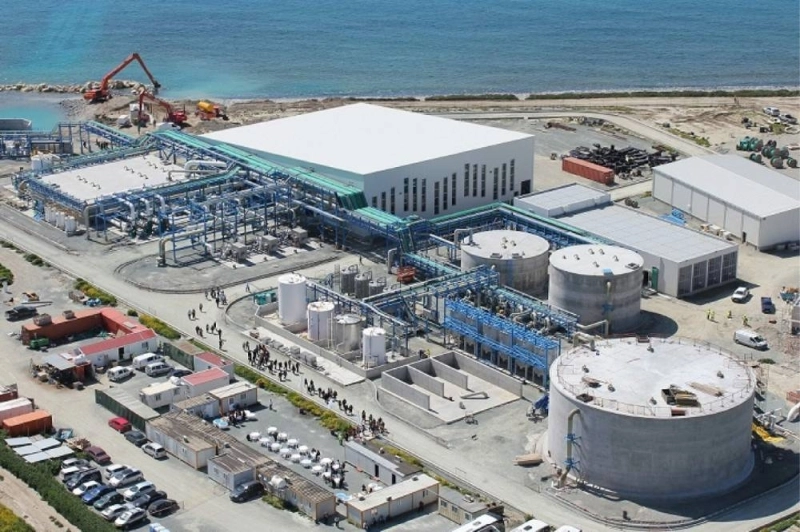
To reach these historic thresholds, the Executive is accelerating the pace of hydraulic engineering projects across the entire territory. Fourteen large dams are currently being finalized to add a capacity of 5.4 billion cubic metres, complemented by twelve newly scheduled structures that will bring an additional 4.9 billion cubic metres. Simultaneously, following the success of the first interconnection section linking the Sebou to the Bouregreg, the second phase towards the Oum Er-Rbia will be launched at the beginning of 2027 to transfer nearly eight hundred million cubic metres to regions under water stress. In terms of desalination, production has already surged from forty-six million cubic metres in 2021 to four hundred and forty-seven million currently, driven by the upcoming commissioning of the Casablanca plant and new units planned in Nador, Driouch, Tangier, Tiznit, Guelmim, Tan-Tan, and Rabat.
Sustainable management, territorial value, and skills protection
This large-scale policy does not rely solely on major infrastructure, but also fosters local value creation and the modernization of water-related professions. Expanding drip irrigation across more than one million hectares and increasing treated wastewater reuse to one hundred million cubic metres by 2031 stimulate the expertise of local MSMEs specializing in irrigation and sanitation. Furthermore, the simultaneous construction of thirty small dams starting this November is accompanied by a vast flood protection programme, including an updated atlas and early warning systems. By ensuring responsible groundwater management and strengthening regional skills, the Kingdom asserts itself as a model of environmental resilience and sustainable development.