

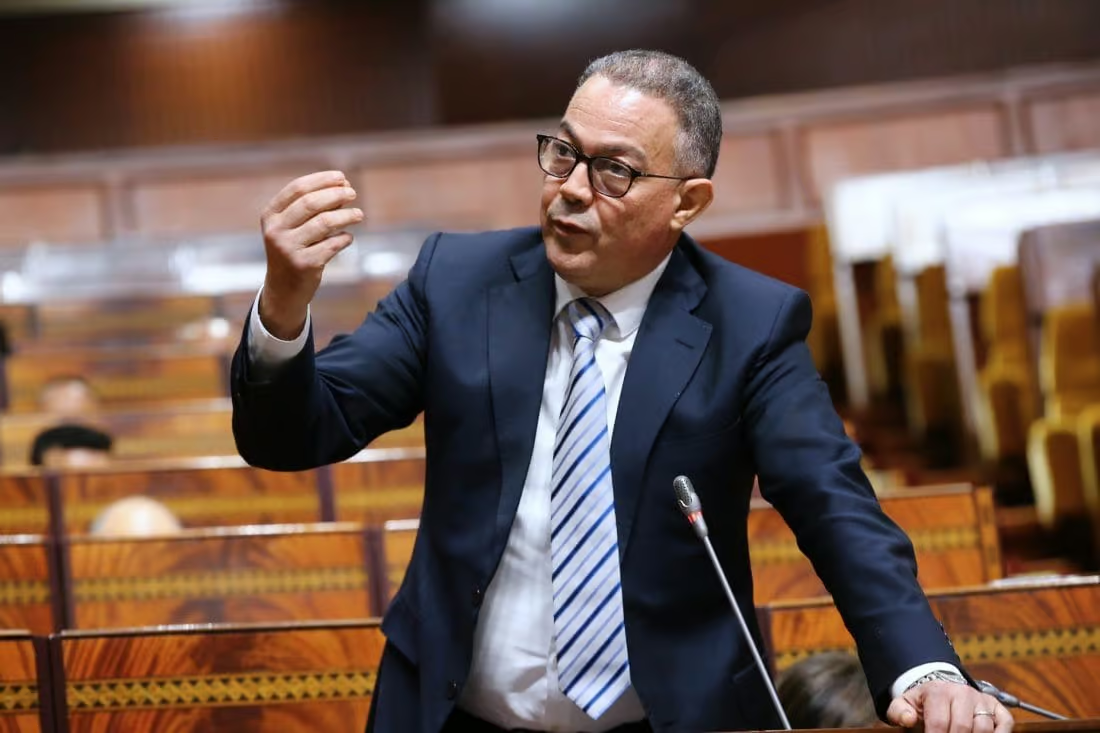
During debates on the 2027 Finance Bill, Minister Fouzi Lekjaa ruled out universal price support for fuels, prioritizing social targeting and structural market reforms.
Fiscal policy and energy market regulation remain at the heart of economic debates in Parliament. During the detailed examination of the 2027 Finance Bill within the Finance and Economic Development Committee of the House of Representatives, the Minister of Economy, Finance, and Public Performance, Fouzi Lekjaa, firmly dismissed the idea of returning fuels to the Compensation Fund system. The Executive prefers to adopt a language of truth in the face of volatile international commodity prices. According to the minister, reintroducing generalized subsidies on petroleum products would be a costly and inequitable measure, primarily benefiting high-volume consumers at the expense of the Kingdom’s most vulnerable households.
Priority on social equity and energy sovereignty
The minister recalled that allocating massive budget amounts, which could reach fifty to seventy billion dirhams annually for non-targeted compensation, would fail to deliver true social justice. Similarly, proposals aimed at reducing the internal consumption tax would yield only a marginal impact of around 1.20 dirhams per litre. In this perspective, the government’s strategy focuses on strengthening national energy sovereignty by expanding strategic storage capacity. The Executive also advocates for a clear separation between import and distribution activities to clean up competition, guarantee total transparency in the domestic market, and protect citizens’ purchasing power.
Sector profitability and future of strategic infrastructure
Questioned on the profitability of oil distribution companies, Fouzi Lekjaa presented the sector’s financial indicators to rationalize public debate. With an overall turnover of one hundred and thirty-one billion dirhams in 2025 and a profit margin stabilized at around 5.85%, the minister emphasized that these figures must be analyzed against the high risks associated with imports and international market volatility. Finally, addressing the situation of the SAMIR refinery, the government expressed openness to public-private partnerships and national or foreign investments to reactivate the site, highlighting that the facility’s major value today lies in its capacity to bolster the country’s strategic hydrocarbon reserves.