
Quito supports the autonomy plan for the Sahara and signs a bilateral economic roadmap.
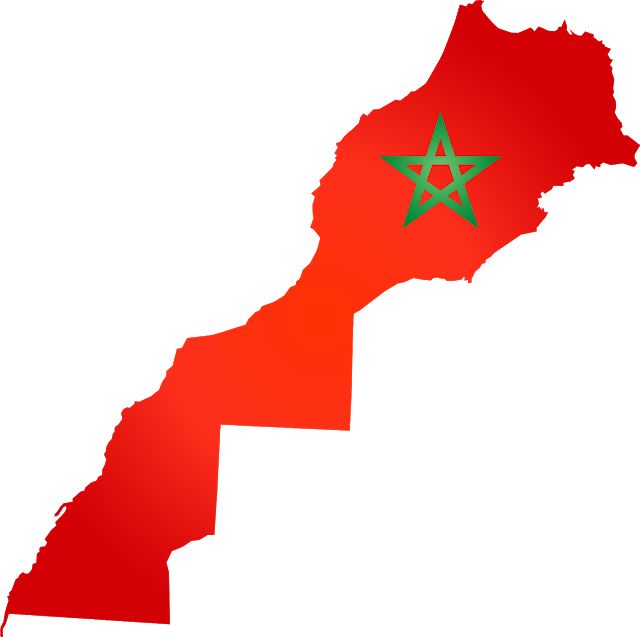
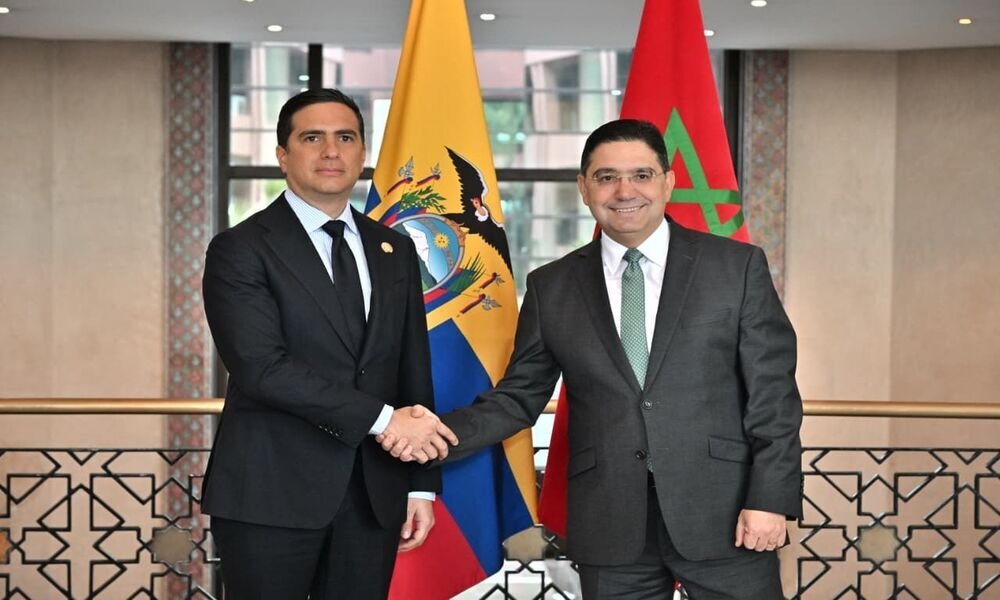
International support for the Kingdom’s territorial integrity reached a new strategic milestone on the South American continent. On Monday, 9 November 2026, in Rabat, the Minister of Foreign Affairs, Nasser Bourita, and his Ecuadorian counterpart, Roberto Carlos Kury Pesantes, held a bilateral working meeting that concluded with the signing of a joint communique of high diplomatic significance. On this occasion, Quito firmly reiterated its support for the Kingdom’s sovereignty over its entire territory, including the Southern provinces, while describing the 2007 Moroccan autonomy initiative as the sole serious, credible, and realistic solution to resolve this regional dispute. To concrete this commitment, Ecuador announced an upcoming visit by its ambassador to the Sahara region to explore the development of direct economic and trade relations.
A multi-year roadmap and visa exemption agreements
Beyond political advances, this meeting sealed a comprehensive cooperation roadmap covering the 2026–2028 period to boost bi-continental trade. As part of this mutual assistance partnership, the Kingdom will grant a donation of 2,000 tonnes of fertilizer to Ecuador to support its agricultural sector. The two governments also formalized the signing of a reciprocal visa exemption agreement for holders of ordinary Ecuadorian passports, a measure aimed at facilitating the mobility of business leaders and visitors. The upcoming inauguration of a Moroccan embassy in Quito will complete this institutional rapprochement, paving the way for the swift holding of the first meeting of the joint economic commission between the two nations.
Impact on the Southern provinces and transatlantic trade
Anchoring Ecuadorian economic relations in the Saharan provinces reinforces the South’s role as an international commercial hub facing the Atlantic. Bilateral consultations focused on agriculture, renewable energy, and tourism will stimulate direct private investment in regional logistics infrastructure. Providing national fertilizers confirms the country’s strategic position as a guarantor of global food security and an essential partner for emerging economies. By diversifying its trade alliances with Latin America, the Kingdom consolidates the added value of its export sectors, creates new professional opportunities for local managers, and supports sustainable economic growth across the entire national territory.