National team players join the Maâmora Complex to prepare for the double-header against Niger.
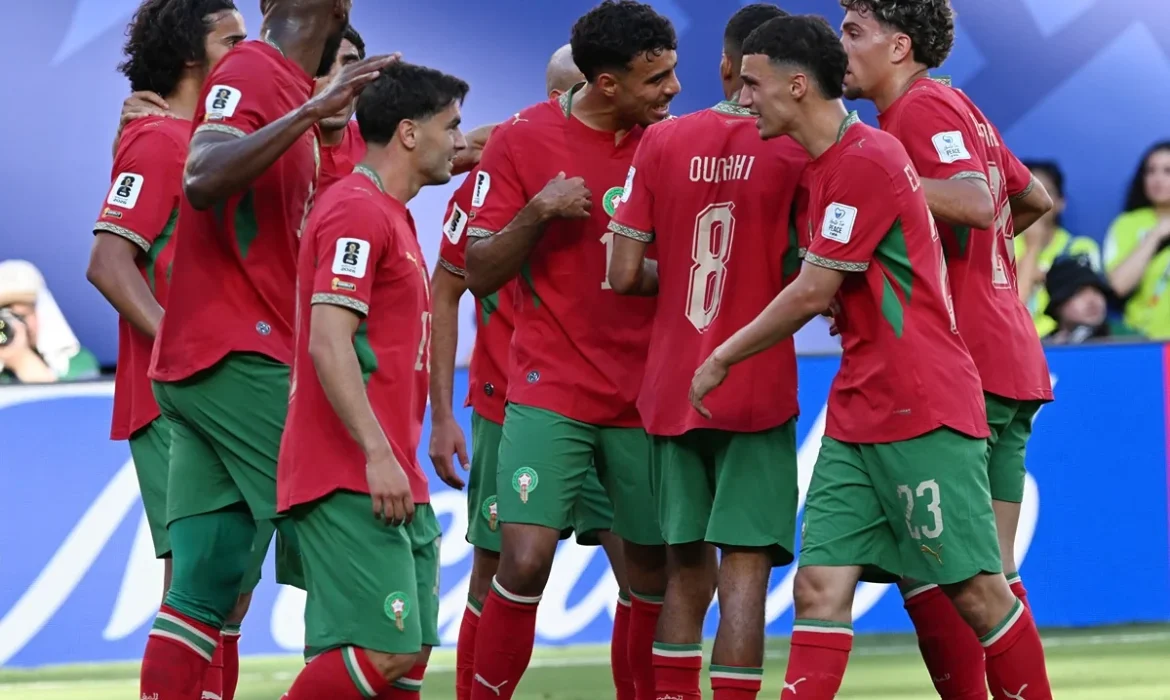
The mobilization of national football key figures resumes with intensity to tackle a pivotal stage in African qualifying. On Monday, 9 November 2026, national team internationals began arriving at the Mohammed VI Football Complex in Maâmora to start the training camp led by national manager Mohamed Ouahbi. This gathering aims to fine-tune final tactical details before facing Niger on 13 and 17 November in the third and fourth matchdays of the 2027 Africa Cup of Nations qualifiers. The first leg will take place at the Mohammed V Sports Complex in Casablanca, while the return fixture will be played at the Prince Moulay Abdellah Stadium in Rabat. Sitting top of Group A with six points following two convincing victories over Gabon and Lesotho, the national team approaches this fixture aiming to consolidate its continental leadership.
High-level preparation at the Mohammed VI Complex
The choice of Maâmora’s facilities underscores the importance placed on physical and medical preparation for international athletes. The gradual arrival of all key players competing across European and regional leagues enables the coaching staff to tailor workloads and refine tactical setups. Playing in front of their home crowd in Casablanca and then Rabat, the Kingdom’s representatives intend to dictate the tempo to secure early qualification for the continental tournament’s final stage. The quality of training installations and the rigor of logistical organization offer an ideal environment to maintain collective standards and integrate new talent called up to represent national colors.
Impact on the sports economy and national tourism
Hosting official international fixtures on the pitches of Casablanca and Rabat generates sustained economic momentum for regional stakeholders. The influx of supporters, international media coverage, and reception of foreign delegations directly stimulate activity across hotel networks, dining services, and urban transport systems. Staging these major sporting events confirms the country’s organizational capacity and showcases the quality of its modern stadium infrastructure on a continental scale. By solidifying the Kingdom’s reputation as a regional sports capital, these official fixtures enhance national human capital, support jobs in event management, and contribute to the overall tourism appeal of the territory.