The Atlantic energy project reaches a key milestone with the mobilization of global financial players.
Continental energy integration and the securing of strategic supplies are reaching a decisive international landmark. On the sidelines of the ADIPEC energy conference held in Abu Dhabi in early November 2026, the Nigerian national oil company stepped up its diplomatic and financial efforts to attract international backers. Estimated at a total cost of $25 billion to $26 billion, the strategic pipeline project jointly led by the Moroccan National Office of Hydrocarbons and Mines (ONHYM) and its Nigerian counterpart is entering a major operational phase. These high-level discussions with global players, including the Abu Dhabi National Oil Company, follow directly from the signing of the intergovernmental agreement binding all nations along the Atlantic route.
A scalable regional interconnection infrastructure
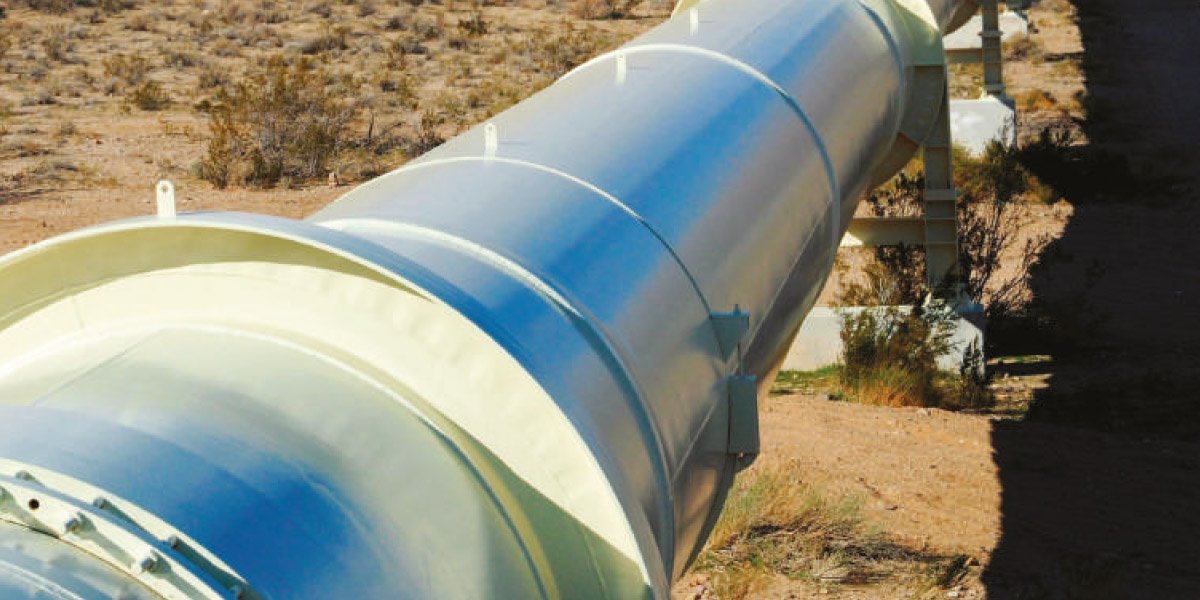
The African Atlantic gas pipeline project spans over 6,800 kilometers, incorporating a major 5,100-kilometer offshore section that interconnects 13 countries along the West African coast. According to technical officials from the Nigerian company, deployment will proceed in successive phases by building upon the existing West African Gas Pipeline infrastructure, which currently connects Nigeria to Benin, Togo, and Ghana. The planned extension toward Sierra Leone will demonstrate the economic viability of the network while progressively connecting landlocked Sahelian nations. The completion of Front-End Engineering Design (FEED) studies and environmental impact assessments opens the way to monetizing nearly 20 trillion cubic feet of offshore gas reserves.
Impact on energy sovereignty and exports
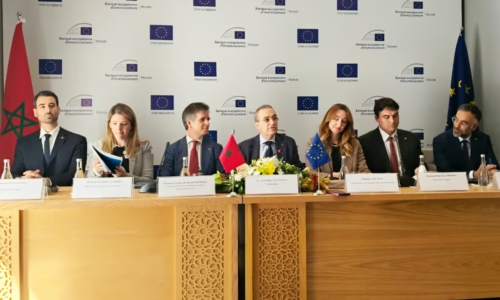
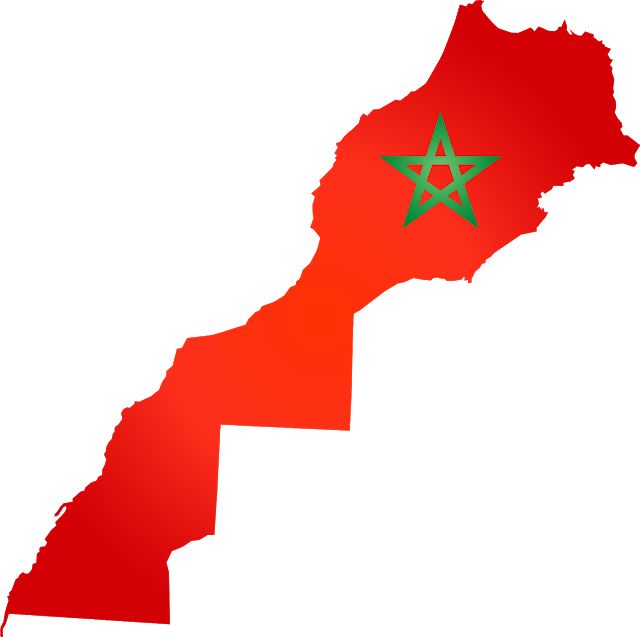
Out of the infrastructure’s total annual capacity of 30 billion cubic meters, Morocco will directly benefit from 15 billion cubic meters to supply its industrial sector and power plants. The planned interconnection with the Maghreb–Europe Gas Pipeline will also allow surplus gas to be re-exported to the European market via existing link infrastructure connecting northern Morocco to Spain. This positioning as a global energy hub enhances the Kingdom’s appeal for energy-intensive industrial investments and accelerates the low-carbon transition of national industries. By stimulating skilled job creation and diversifying South-South partnerships, this structural project solidifies the country’s strategic leadership within the Atlantic space.