Rabat hosted the first in-person edition of the Study in Europe fair to promote academic exchanges.
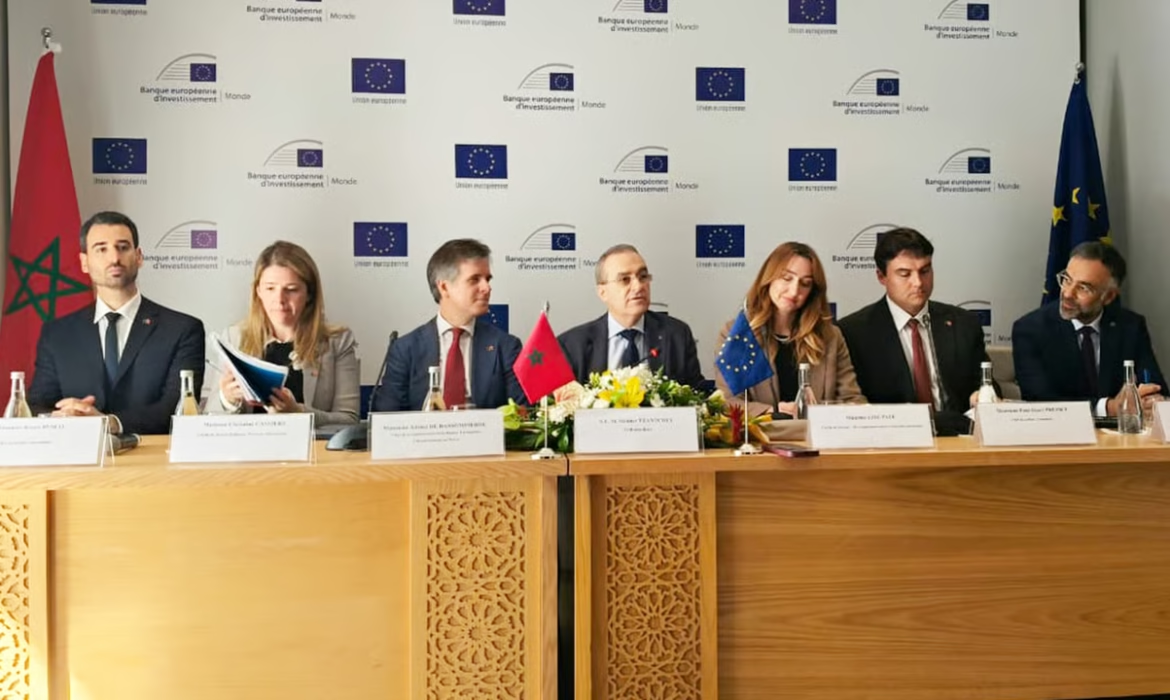
The development of human capital and the upgrading of academic skills constitute central pillars of the Kingdom’s modernization strategy. On Monday, 9 November 2026, in Rabat, the European Union Delegation materialized this shared ambition by organizing the first in-person edition of the international Study in Europe initiative. Jointly organized with the National Erasmus+ Office and Campus France, this major gathering brought together nearly 60 higher education institutions from across the nation and the European continent. During the opening remarks, the Secretary-General of the Ministry of Higher Education, Noureddine El Haloui, advocated for balanced academic mobility based on reciprocity, mutual recognition of diplomas, and the creation of joint research laboratories. This scientific synergy prioritizes key contemporary strategic challenges such as the climate transition, artificial intelligence, and food sovereignty.
A partnership of excellence backed by structural funding
The deep-rooted university relations between both shores of the Mediterranean rely on continuous, ambitious financial support programs. European Union Ambassador Dimiter Tzantchev recalled on this occasion that over 13,000 student and faculty-researcher mobilities have been carried out since 2015 through Erasmus+ mechanisms, accompanied by more than 60 academic capacity-building projects. Bilateral commitment is further demonstrated by the deployment of the higher education support program endowed with €46 million, as well as the signing of a specific €4.7 million agreement concluded with the National Center for Scientific and Technical Research (CNRST). These direct financial allocations secure funding for doctoral scholarships and the international scientific mobility of the country’s young researchers.
Impact on the knowledge economy and territorial appeal
The consolidation of cross-border university networks generates a structural impact on economic attractiveness and the employability of national professionals. Access to international training standards and the development of high-level scientific partnerships strengthen the alignment between academic curricula and the real needs of private-sector companies. By positioning the national capital as an African and Mediterranean hub for higher education, the country attracts regional talent and stimulates the innovation and start-up ecosystem. This momentum of technology and know-how transfer supports digital transformation, enhances youth skills, and consolidates the Kingdom’s strategic positioning within the global knowledge economy.