

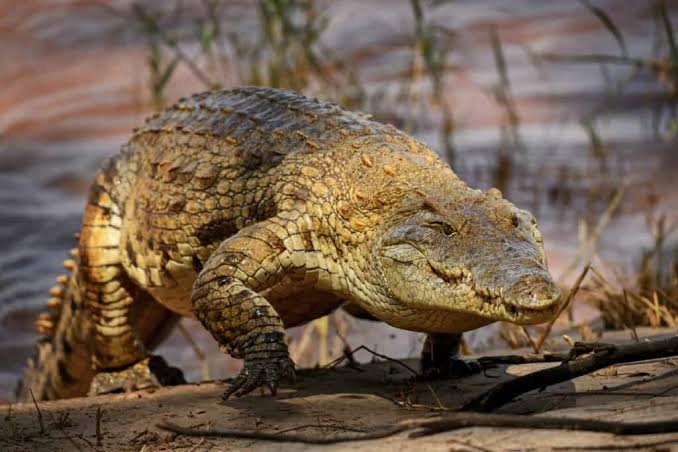
From ancient accounts to the testimonies of guelta inhabitants along the Drâa, the memory of this aquatic fauna resurfaces.
The natural history of the Kingdom’s southern provinces contains lesser-known treasures that bear witness to profound ecological transformations over the centuries. Long associated solely with zoos or modern safari parks in the Agadir region, the wild presence of crocodiles in the south of the country is nevertheless substantiated by a body of historical sources and oral traditions. In a study devoted to Saharan herpetofauna, researchers meticulously documented the past existence of these reptiles in the Oued Drâa basin as well as in several isolated water points across the national territory. This ancient presence, dating back to major expeditions of Antiquity, sheds valuable light on the historical biodiversity of pre-Saharan regions and recalls the wealth of natural heritage in these desert zones.
From ancient accounts to testimonies of the Drâa nomads
The earliest written records referring to the aquatic fauna of these regions date back to the accounts of major navigators and geographers of Antiquity. As early as the fifth century BC, the writings of the Carthaginian Hanno described rivers lined with abundant fauna in the south, while Roman records under the reign of Juba II reported the capture of specimens brought back from the Atlas basins. Closer to our era, the work of naturalists and twentieth-century surveys conducted among Aït Oussa and Rguibat nomadic populations confirmed the persistence of small Saharan crocodiles in iconic gueltas such as Tanzida, Tizgi r-Ramt, and Taffegumt. These modest-sized reptiles remained etched in local collective memory, nourishing stories passed down to younger generations around desert waterholes.
Enhancing natural heritage and eco-discovery tourism
Highlighting this environmental memory represents a major cultural and scientific asset for promoting sustainable tourism in the Southern provinces. Preserving the history of Saharan ecosystems fosters the development of eco-tourism itineraries focused on geological heritage, ancient fauna, and the memory of gueltas. These eco-discovery initiatives generate direct economic spillovers for local small and medium-sized guiding, lodging, and artisanal dining businesses. By integrating this heritage dimension into the regional tourism offering, local stakeholders enhance the appeal of oasis areas, showcase the knowledge of traditional communities, and support sustainable job creation for youth in the South.