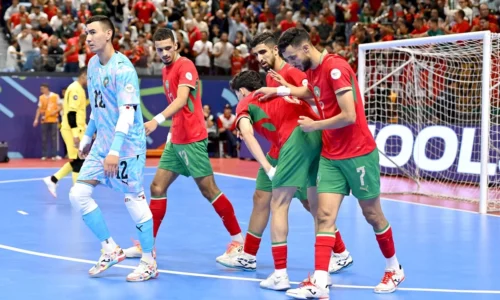
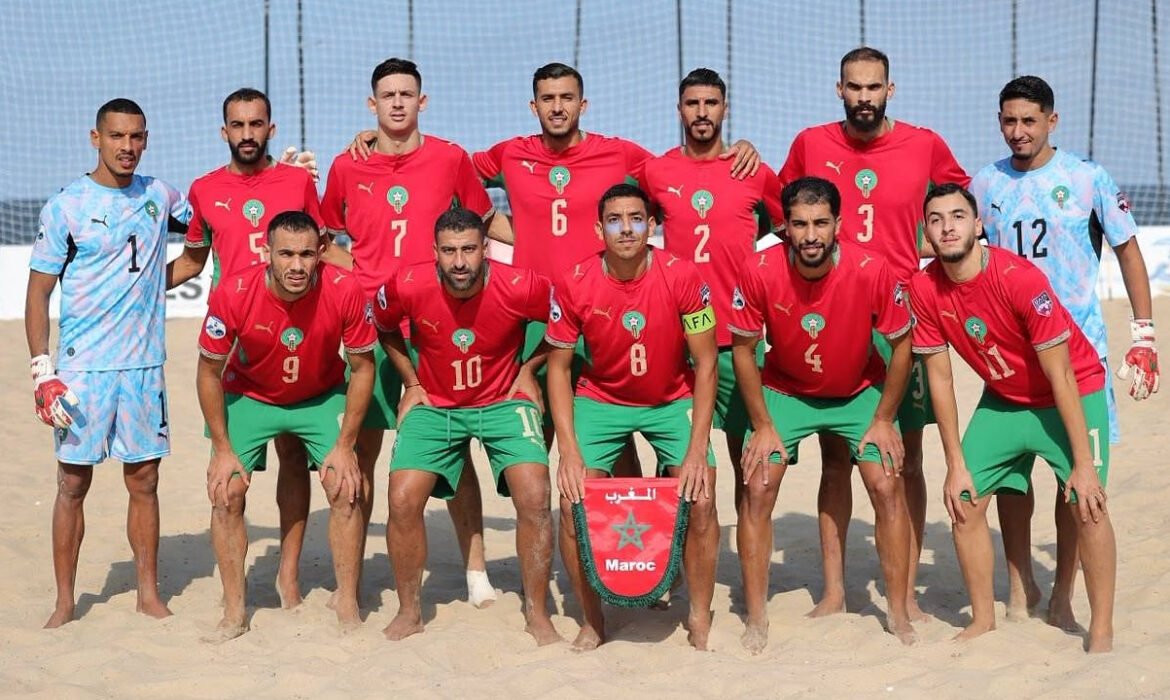
The national team defeated Lebanon by a score of seven goals to four to take top spot in their group in Egypt.
The Moroccan beach soccer team made a successful start to the fifth edition of the Arab Cup held in Port Said, Egypt. Facing Lebanon this Thursday, 5 November 2026, in the opening matchday of group two, the national players secured a controlled victory by seven goals to four. This opening win allows the team to capture first place in their group on goal difference over the Omani squad, who were victorious against Libya in the group’s other fixture. Bringing together eight nations divided into two pools of four, the continental competition maintains a fast pace with decisive group matches continuing on Friday against the Libyan side before the group-stage finale scheduled for Saturday against the Omani team.
Sporting intensity and squad management in the group stage
The performance delivered by the national team bears witness to the quality of physical and tactical preparation in this demanding discipline. The technical staff successfully imposed high pressing and consistent offensive efficiency to make the difference from the very first period. The sequence of fixtures leading up to the semi-finals scheduled for Sunday requires smart rotation across the squad in order to preserve key players’ fitness ahead of the grand final set for Monday, 9 November. This consistency in individual and collective performances confirms the steady development of beach sports within the national sporting landscape and consolidates the country’s status among the leading nations of the Arab-African region.
Impact on the discipline and enhancement of coastal infrastructure
The success and influence of national beach soccer teams serve as a major showcase for promoting sports activities along the national coastline. The development of this discipline stimulates the build-out of suitable sports infrastructure along the Kingdom’s shores, encouraging participation among youth in maritime regions. This dynamic fosters the creation of training academies, strengthens the event ecosystem of seaside towns, and supports the local economy through the organization of regular tournaments. By excelling in international arenas, the athletes bring significant added value to the reach of national sport and the growth of leisure and adventure tourism across the entire coastline.