Between ambitions for massive infrastructure, political statements in Spain, and FIFA requirements, the battle for co-hosting accelerates.
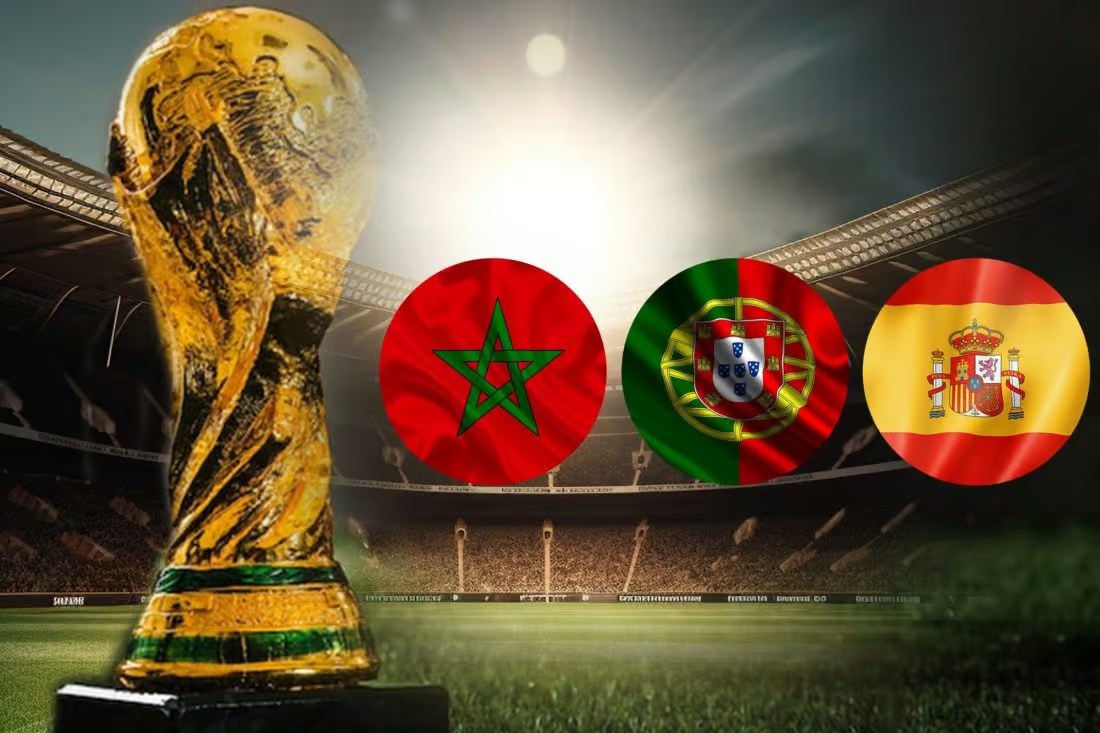
The awarding of the 2030 World Cup, joint-hosted by Morocco, Spain, and Portugal, extends far beyond the pitch to become a vast geopolitical, economic, and sporting chess game. As FIFA inspectors tour host nations to evaluate bid dossiers covering more than 172 sites, the allocation of roles and the designation of the final match stir European media discourse. Outspoken statements by certain Iberian political figures hinting at hypothetical withdrawals should they fail to secure the ultimate match serve as a reminder of the colossal stakes surrounding the centennial tournament. Facing these stances, Moroccan authorities consistently emphasize that the partnership sealed among the three nations rests on sovereign equality and pooled efforts, excluding any hegemony or unequal distribution of honors.
Major infrastructure investments and large-scale economic spillovers
Reducing a 104-match global tournament to a single final fixture overlooks the project’s true industrial and financial scope. Projections presented by the Kingdom aim to generate hundreds of thousands of jobs, welcome millions of tourists, and draw billions of dirhams in revenue across six major urban hubs. Colossal investments directed into high-speed rail networks, airport infrastructure, road networks, and hotel supply modernization aim to leave a lasting legacy for the national economy. Concurrently, Spain projects its own expected gains regarding GDP and employment, confirming that this joint global venture acts primarily as a powerful engine for shared growth and integrated regional development.
Grand Stade Hassan II and the strategic national vision
One of the most striking symbols of Morocco’s ambition lies in the ongoing construction of Grand Stade Hassan II in Benslimane—a monumental venue designed for 115,000 spectators that will rival the world’s greatest football cathedrals. Asked about ongoing decisions, the president of the Royal Moroccan Football Federation, Fouzi Lekjaa, highlighted the strength of the national bid, built on compliance with strict FIFA criteria and a commitment to providing world-class facilities. Extending the Royal Vision and foundational principles of cooperation and good neighborliness, the Kingdom intends to play a central and active role until the final whistle of this global sporting gathering, demonstrating its capacity to succeed together in this major intercontinental challenge.