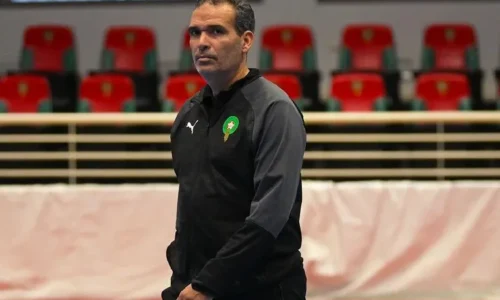

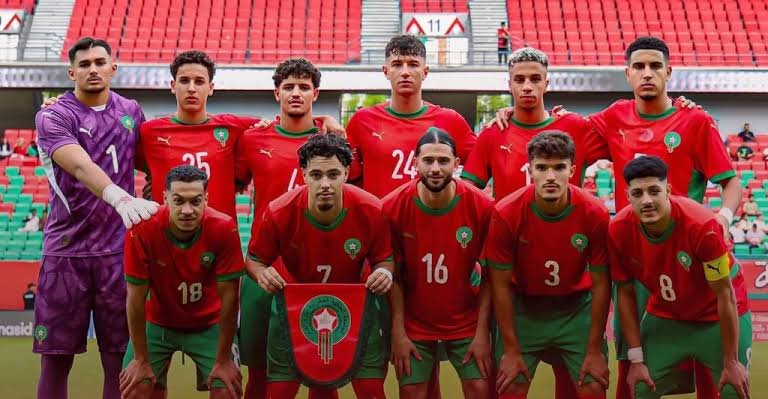
Head coach Jamel Aït Ben Idir has called up twenty-five players to navigate the decisive continental double-header.
The next generation of national football continues its rise with the start of major continental qualification fixtures. Head coach of the under-23 national team, Jamel Aït Ben Idir, has officially released his 25-man squad selected to compete in the crucial double-header against Ethiopia. This gathering forms part of the second round of qualifiers for the U23 Africa Cup of Nations. The first leg will take place on Thursday, 12 November 2026, at the Dire Dawa Stadium in Ethiopia, ahead of a return leg scheduled for Tuesday, 17 November, at the Moulay El Hassan Stadium in Rabat. This double fixture requires optimal physical and mental preparation to overcome the hurdle and confirm the vitality of national sports development.
A continuity strategy for elite player development
The squad composition selected by the technical staff reflects a clear intention to blend tactical discipline with the offensive sharpness of young prospects competing across regional and international leagues. The stakes of this confrontation extend beyond simple qualification: the objective is to harden young talents to the rigorous context of continental away trips before tackling the return leg in front of a home crowd in the capital. Managing match tempo during the high-altitude first leg will serve as a key element of the tactical plan. By structuring a regular competition pathway for youth categories, the national technical direction ensures performance continuity and actively prepares future key figures for integration into the Kingdom’s senior team.
Impact on the sports ecosystem and regional appeal
Deploying youth national teams and hosting international fixtures in modern venues directly supports the sports economy and enhances the appeal of host cities. Staging the return leg at the Moulay El Hassan Stadium in Rabat generates a positive dynamic for ticketing, sports logistics services, regional transport, and the capital’s hospitality sector. Furthermore, the performances of the U23 side highlight the quality of national infrastructure and the efficiency of local training academies. This ongoing investment in athletic youth encourages skilled job creation across technical management and reinforces the Kingdom’s standing as a hub of African football excellence.