
Due to limited harvests in the Souss-Massa region and pests in Spain, Moroccan pepper farmgate prices have doubled. This supply tension underscores the key role of national agriculture.
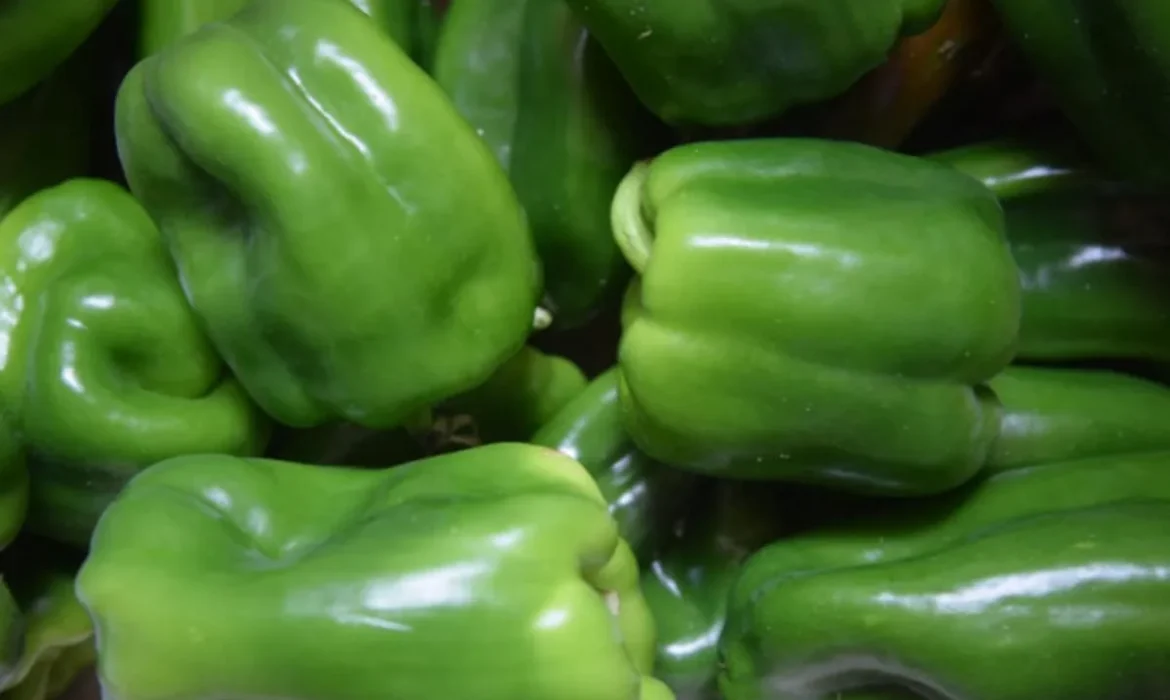
The national market gardening sector is undergoing a period of intense commercial tension marked by a spectacular surge in export prices. At the end of October 2026, Moroccan pepper prices negotiated directly at farmgate doubled compared to the same period last year. This sharp rise stems from exceptional buying pressure from European markets, particularly Spain, where buyers are seeking massive supplies from producers in Souss-Massa. This situation highlights the centrality of the national agricultural platform in supplying the European Union market, but it also confronts local professionals with a major challenge regarding volume availability to satisfy global demand.
Climate and health hazards weighing on volumes
The price surge is explained by a combination of production difficulties on both sides of the Mediterranean. In Spain, devastating attacks by insect pests such as thrips have caused significant crop losses, forcing Iberian farmers to turn to imports. On the Moroccan side, rising temperatures disrupted the greenhouse growing cycle, temporarily capping harvests at around 35 per cent of typical volumes in certain Souss farms. This climate stress also complicates greenhouse phytosanitary management, where producers apply extremely strict treatment standards to comply with European residue thresholds, thereby guaranteeing the health and safety quality of exported produce.
Valuing agricultural skills and supporting local MSMEs
This tight market environment once again demonstrates the heavy dependence of European markets on national market crops, with nearly all peppers imported by Spain coming from the Kingdom’s farms. As professionals anticipate a gradual return to normal volumes within two weeks, the priority challenge for Souss-Massa consists of strengthening the resilience of small and medium agricultural enterprises against climate hazards. Developing technical expertise in smart irrigation and biological crop protection enables local farmers to generate greater regional added value, while sustainably supplying regional African and international markets.