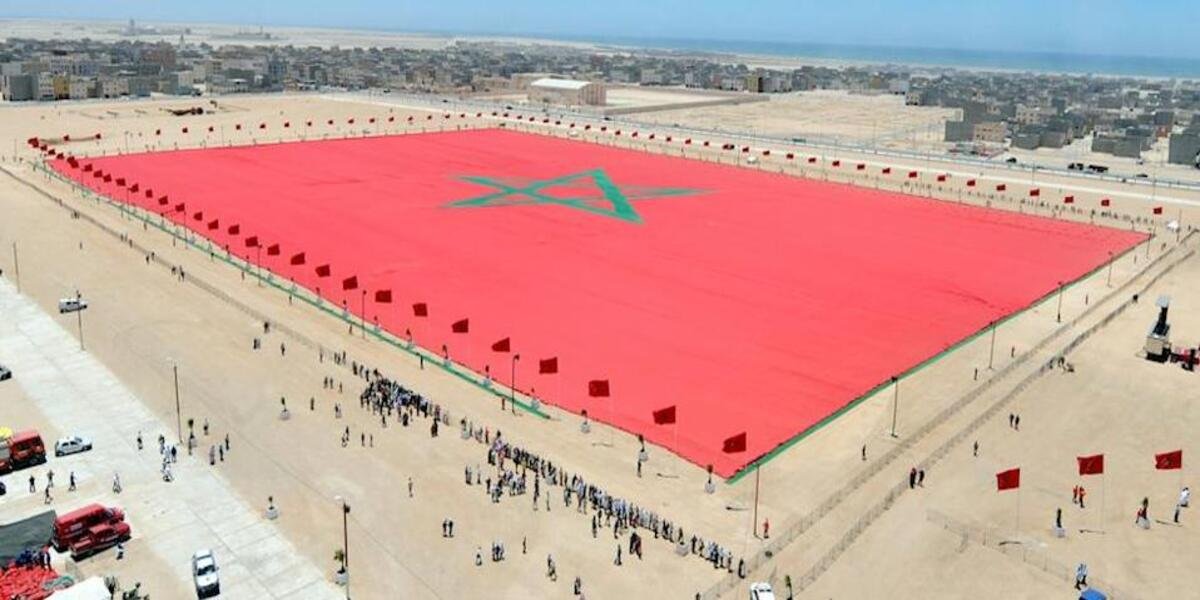
The end of the UN mandate opens a new institutional phase for the Kingdom. Advanced regionalisation under the leadership of the Crown strengthens territorial development and the legitimacy of the Southern Provinces.
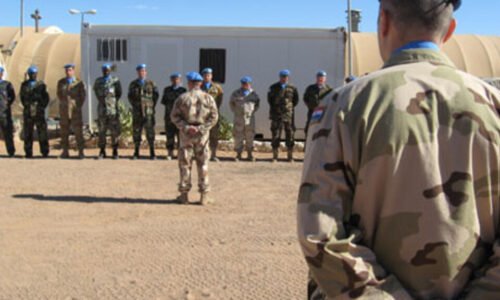
The evolution of the diplomatic framework at the United Nations marks a major strategic shift in the definitive management of the Southern Provinces. With traditional mediation mechanisms rendered obsolete and formally concluded, the institutional vacuum is now filled by the effective and legitimate exercise of state authority across the entire national territory. This transition confirms the primacy of the Kingdom’s sovereignty, backed by an unprecedented international consensus. The opening of nearly thirty consulates general in Laâyoune and Dakhla, combined with explicit recognition from major global powers, confirms the irreversible status of the issue. On the ground, this legal reality translates into full administrative integration, palpable economic growth, and massive participation by local populations in national elections.
The centrality of the Crown and advanced regionalisation
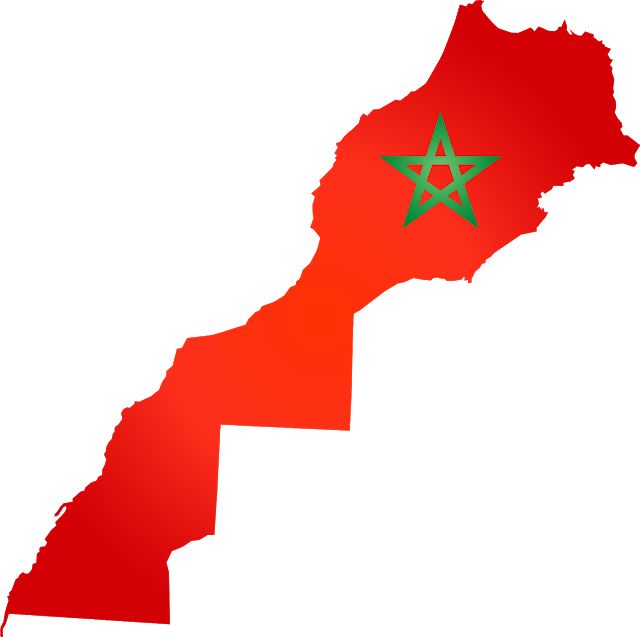
At the heart of this new institutional architecture, the royal vision of advanced regionalisation offers an efficient and balanced model of territorial administration. The Sovereign retains exclusive control over sovereign prerogatives—notably national defence, foreign policy, internal security, and the spiritual authority of Amir Al-Mouminine—while granting regional bodies the necessary powers to manage local affairs. The centuries-old bond of the Bay’a remains the legal and moral bedrock uniting the population with the Throne, guaranteeing the unity of the Nation from Tangier to Lagouira. This protective framework allows for the autonomous day-to-day management of territories while establishing the Sovereign as the supreme arbiter of national cohesion.
Territorial development and local value creation
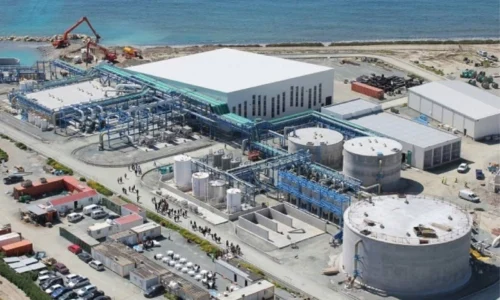
The fulfillment of this institutional momentum is not confined to the political sphere, but finds concrete expression in skill enhancement and the strengthening of regional economies. The implementation of the autonomy plan within the internal constitutional framework stimulates the local small and medium-sized enterprise ecosystem, fostering sustainable job creation for Sahrawi youth. From promoting responsible tourism to leveraging maritime and energy resources, structural investments directly benefit the populations of the Southern Provinces. This operational autonomy, anchored within the Constitution, guarantees equitable development insulated from external interference and oriented towards shared prosperity.