Classified national hospitality passes the threshold of thirty million overnight stays over the first eight months of the year.
The tourism sector confirms its exceptional dynamic and consolidates its role as a major driver of national economic growth. According to the latest data published by the Tourism Observatory, the volume of overnight stays recorded in classified tourist accommodation establishments reached 30.9 million at the end of August 2026. This performance represents an 8% increase compared to the same period of the previous year. This overall rise is accompanied by a notable improvement in the national occupancy rate, which stands at 57%, representing a one-point increase compared to 2025. Concurrently, the flow of arrivals at border posts surpassed the 14.1 million visitor mark over the same period, displaying steady growth of 4.5% that attests to the sustained appeal of the destination among key international source markets.
Balanced growth and regional appeal
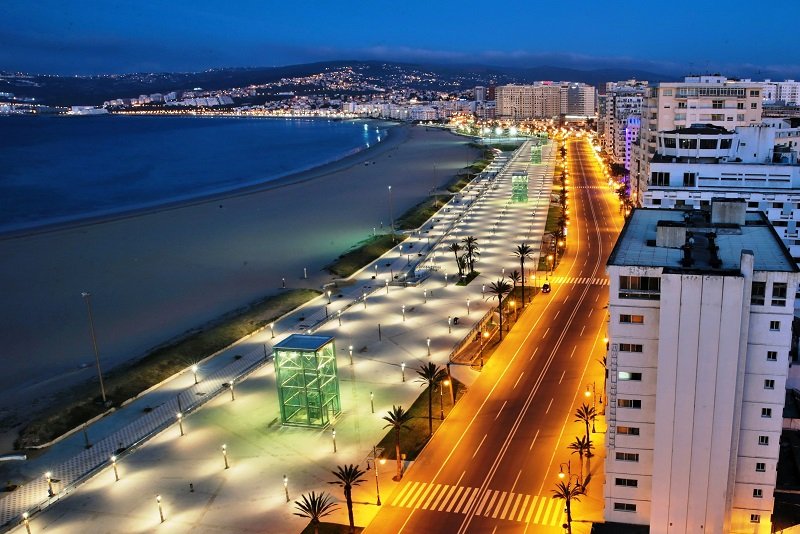
The increase in hotel attendance benefits all tourist hubs and regional circuits across the Kingdom. The political capital, Rabat, recorded the highest growth with an 18% jump, closely followed by Ouarzazate which grew by 16%, confirming renewed interest in cultural tourism and the gateways to the desert. The Casablanca metropolis recorded an 11% rise, while flagship destinations Agadir and Marrakech posted respective growth rates of 10% and 9%. The momentum also extends to the province of Al Haouz, Tangier, Fez, as well as Errachidia, which all recorded increases ranging between 7% and 9%. This balanced geographical distribution of tourism growth enhances the diversity of regional offerings and supports economic development across inland regions.
Financial spillovers and support for skilled employment
The constant rise in visitor volume and length of stay generates direct financial returns that are particularly beneficial to the country’s macroeconomic balances. At the end of August 2026, travel revenues reached a historic level of 97.9 billion dirhams, marking a 10% increase compared to the previous year and strengthening national foreign exchange reserves. This virtuous dynamic injects liquidity into the tourism ecosystem, directly boosting activity across transport, dining, tour guiding, and local craftsmanship. By maintaining this growth trajectory, the hospitality sector supports the creation of sustainable jobs, encourages upskilling among professionals, and attracts new private investment to modernize welcoming facilities across the national territory.