
Omar Hilale reaffirms national sovereignty and autonomy as the sole credible political solution.
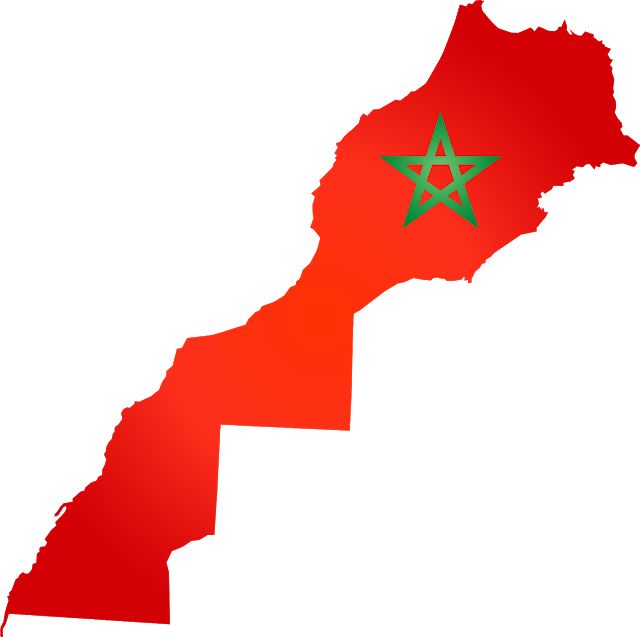
The defense of the Kingdom’s strategic interests is pursued with determination within the highest multilateral bodies. On Tuesday, 10 November 2026, in New York, Morocco’s Ambassador and Permanent Representative to the United Nations, Omar Hilale, addressed the General Assembly to reiterate the country’s firm and irreversible stance on the Southern provinces issue. Following the Security Council debates on October 30, the diplomat firmly reaffirmed the inalienable Moroccan identity of the territory, while presenting the autonomy plan under national sovereignty as the only pragmatic framework to definitively resolve this regional dispute. Highlighting the support expressed by 11 Member States for the Moroccan approach, the national representative described this backing as clear testimony to the international determination to move away from the status quo in favor of a lasting peace process.
Diplomatic calls and requirements for humanitarian monitoring
In his address to the international community, the diplomatic representative highlighted the direct responsibility of opposing parties in maintaining the political deadlock. The ambassador firmly challenged the status of a mere observer claimed by the neighboring country, calling for a responsible commitment within UN roundtable discussions to unblock the diplomatic process. On the humanitarian front, the diplomat reiterated the requirement for the United Nations High Commissioner for Refugees to conduct a formal census of the populations held in the Tindouf camps to ensure the protection of their fundamental rights. Furthermore, he advocated for a broader scope of consultations by the UN Personal Envoy to encompass all components of the Sahrawi population in the Southern provinces, the diaspora, and local civil society actors.
Impact on regional stability and local economy
The firmness of the diplomatic positions presented at the UN is accompanied by a momentum of continuous investment that consolidates the role of the Southern provinces as a major economic hub. The acceleration of infrastructure projects, the development of port facilities, and the expansion of renewable energy across the region enhance the attractiveness of Saharan territories for foreign capital and international commercial operators. This institutional stability guarantees the creation of sustainable jobs, improves daily living conditions for citizens, and fosters the country’s integration into exchange networks across the Atlantic and African spaces. By combining diplomatic rigour on the international stage with territorial progress on the ground, the Kingdom consolidates its national cohesion and affirms its standing as a driver of prosperity for the entire continent.