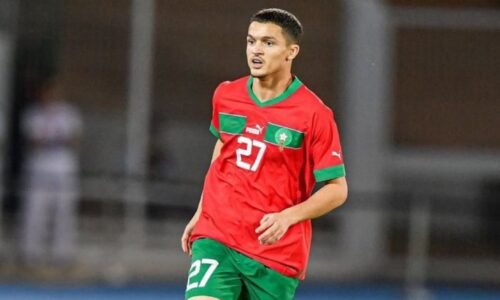
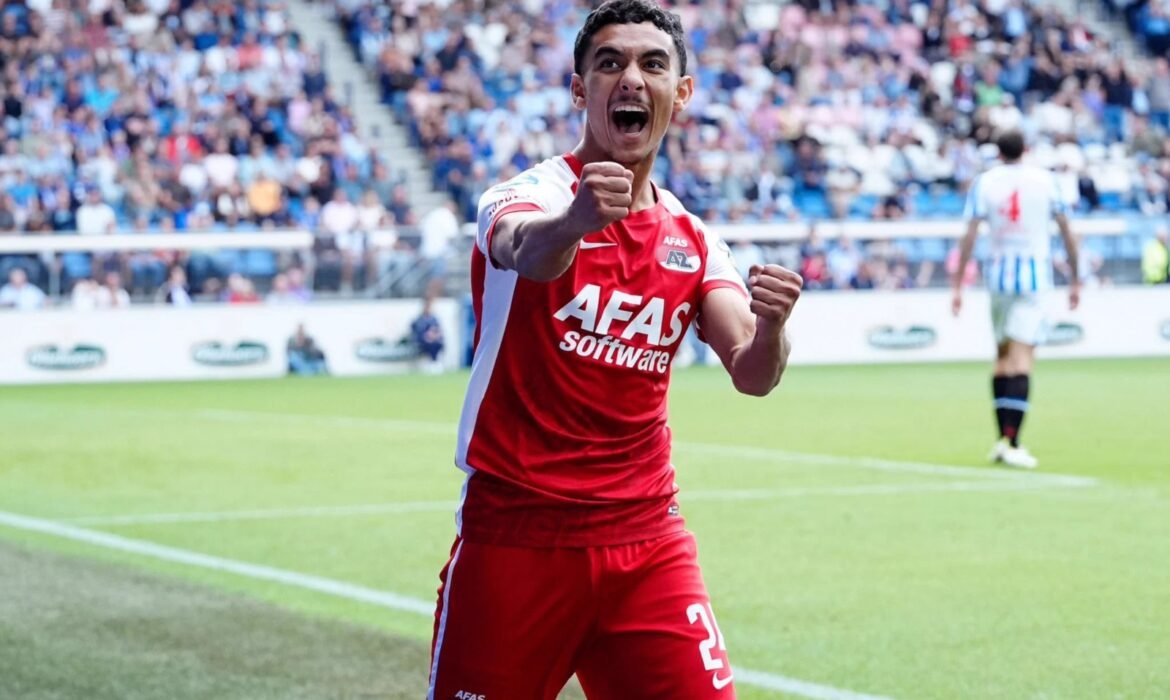
The decision by the Dutch-Moroccan winger has reignited discussions about sport and identity in the Netherlands.
The growing appeal of the national football project continues to spark debate amongst Europe’s leading football bodies and media outlets. The recent call-up of AZ Alkmaar winger Ayoub Oufkir to join the Atlas Lions’ squad ahead of the 2027 Africa Cup of Nations qualifiers has brought the issue of selecting dual nationals back into the spotlight in the Dutch media. Born and trained in the Netherlands, the young Eredivisie prospect joins a long list of elite athletes who have opted to represent the Kingdom. According to an analysis by journalist and author Mustapha Esadik, this decision has sparked significant debate in Dutch sports editorials and podcasts, with opinions ranging from respect for individual choice to calls for compensation for the local clubs that trained him.
Cultural factors and the appeal of the national sports programme
The career choices of young talents from the diaspora are shaped by a strong combination of family ties and a particularly ambitious sporting ethos. Dual nationals grow up in an environment steeped in their parents’ values and culture, maintaining a strong sense of identity with their country of origin throughout their development. Furthermore, the major successes achieved by the national team on the continental and global stage, as well as the forthcoming organisation of the 2030 World Cup, offer first-rate prospects for an international career. This combination of national pride and world-class facilities at the Mohammed VI Complex considerably enhances the country’s appeal compared to traditional European national teams.
Benefits for sports diplomacy and youth development
The consistent decision by talented players competing in Europe’s top leagues to represent their national teams strengthens the Kingdom’s standing in world football. This pool of players trained in demanding academies, such as those in the Netherlands, brings immediate added value to the national teams and raises the technical standard of continental competitions. The successful integration of foreign-born internationals strengthens cultural and economic ties between the country and its diaspora, whilst providing inspiring role models for local young people. By establishing an effective support framework and offering major international sporting challenges, the country reaffirms its status as a hub of excellence and a magnet for talent from the global sporting scene.