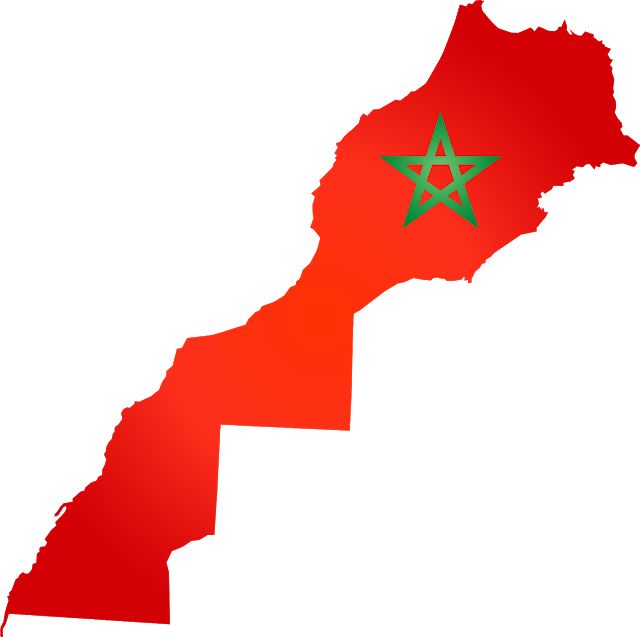
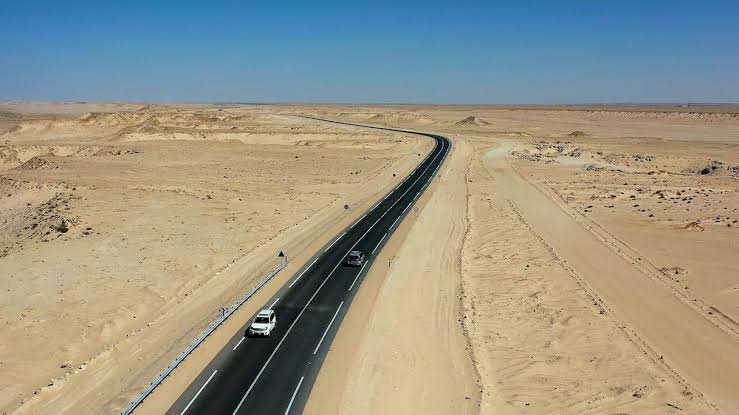
The extension of the Tiznit–Dakhla corridor into Mauritania will consolidate regional logistical integration.
The development of cross-border land corridors is emerging as a major lever of economic cooperation between the Kingdom and its African neighbourhood. During the examination of his department’s sectoral budget for the 2027 financial year before the House of Representatives on Wednesday, 11 November 2026, the Minister of Equipment, Water and Forests, Nizar Baraka, unveiled plans to extend the national road network southwards. This strategic project plans to extend the expressway linking Tiznit to Dakhla as far as the Guerguerat border post, before continuing the route into Mauritanian territory towards the economic and mining hub of Zouerate. This initiative builds on the achievements of the 1,055-kilometre Tiznit–Dakhla expressway—a pillar of the development model for the Southern provinces launched in 2015—whose technical and financial specifications will be defined through joint studies conducted between Rabat and Nouakchott.
Direct synergy with the Dakhla Atlantic port
This new road link complements the framework agreement signed in September 2026 between the two countries for the rehabilitation and widening of the corridor linking Guerguerat to Nouadhibou and Nouakchott. By directly connecting Mauritanian production basins to Moroccan port infrastructure—most notably the future Dakhla Atlantic port—this route will ensure seamless logistical continuity for the transport of goods and the mobility of people. This multimodal coordination between land networks and maritime platforms will facilitate regional operators’ access to international markets and strengthen the complementarity of supply chains between North Africa and West Africa.
Impact on cross-border trade and regional development
The completion of this structural road corridor will generate sustainable economic momentum for transport companies, logistics operators, and the territories crossed in the Southern provinces. Improved land connectivity will reduce transit costs and times for agricultural, fisheries, and industrial products, while stimulating job creation in the public works sector and related services. By consolidating the role of the Dakhla-Oued Eddahab region as an economic bridge, the country strengthens the resilience of its continental trade flows and fosters balanced co-development with Mauritania.