The International Energy Agency’s report praises the Kingdom’s competitiveness and production costs.
The country’s energy transition has reached a decisive milestone thanks to this high-profile international recognition. In its annual Global Hydrogen Review 2026 report published in June, the International Energy Agency ranks Morocco at the top of African nations best prepared for the development of the green hydrogen sector. This leading position is underpinned by strategic foresight dating back to 2021, with the adoption of a dedicated national roadmap – well ahead of Namibia in 2022, followed by Algeria, Kenya, Mauritania and South Africa in 2023. The international organisation’s assessment highlights the Kingdom’s remarkable economic competitiveness, with the lowest production cost on the African continent at 3.2 dollars per kilogramme, significantly ahead of Kenya at 4.2 dollars, Mauritania at 5.1 dollars, and Angola and Namibia, which stand at around 6.5 dollars.
An incentive framework and concrete industrial investments
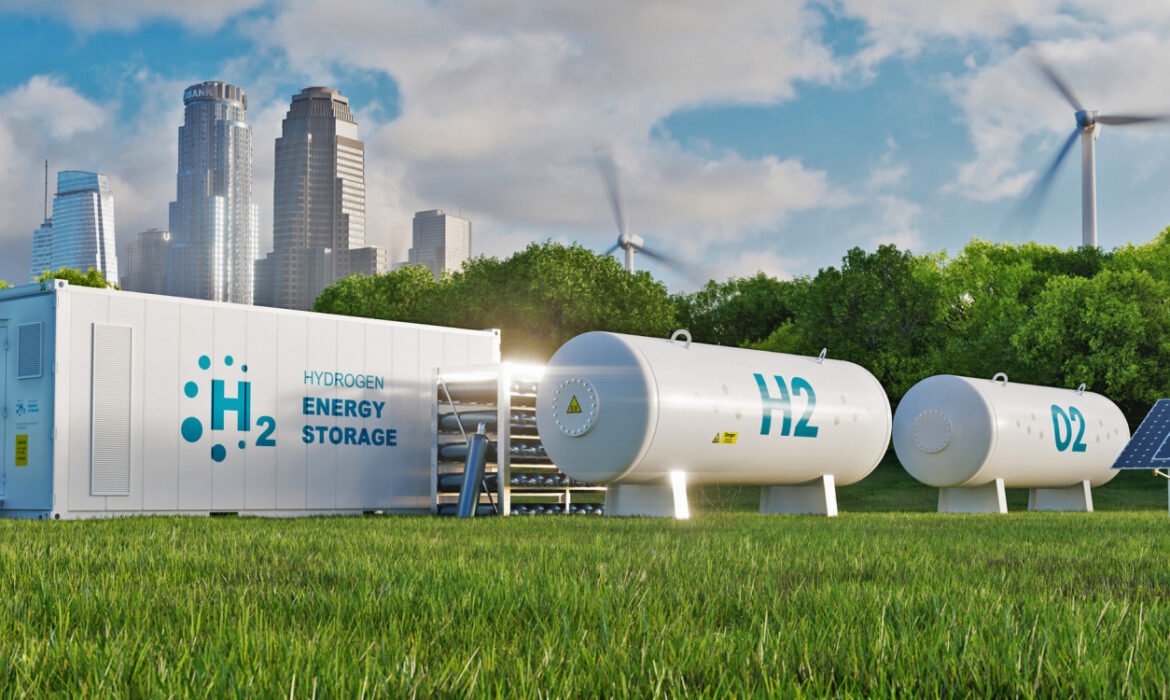
Unlike other mixed models, the national strategy relies exclusively on the production of hydrogen from renewable sources and is underpinned by the operational scheme known as ‘Offre Maroc’. This framework offers project developers a one-stop shop facilitating access to an initial land allocation of approximately three hundred thousand hectares, accompanied by financial incentives that can cover up to thirty per cent of the total investment – an approach that has already led to the signing of preliminary land reservation agreements for six flagship projects as early as February 2026. This regulatory clarity is attracting international industrial players, such as the Chinese group Guofu Hydrogen, which has signed a contract worth 6.2 million dollars for the supply of a 20-megawatt electrolyser and plans to set up a national electrolyser manufacturing plant with an annual capacity of 1 gigawatt. By 2030, the country aims to deploy between 2.8 and 5.2 gigawatts of electrolysis capacity, drawing on an electricity mix comprising 52 per cent renewable energy.
Benefits for energy security and skilled employment
The development of this forward-looking industrial sector offers the country the opportunity to sustainably reduce its dependence on fossil fuel imports whilst positioning itself as a competitive export hub for European markets. The establishment of local manufacturing facilities for technological equipment promotes the transfer of know-how, stimulates applied research within Moroccan universities and generates skilled jobs in engineering, industrial maintenance and associated logistics services. By harnessing its exceptional solar and wind resources, the Kingdom is strengthening its economic resilience and supporting the emergence of a decarbonised industrial ecosystem that creates added value within the country.