
The Kingdom unveils its investment priorities in Antalya to strengthen its energy sovereignty by 2030.
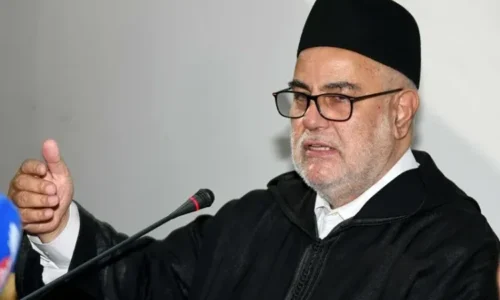
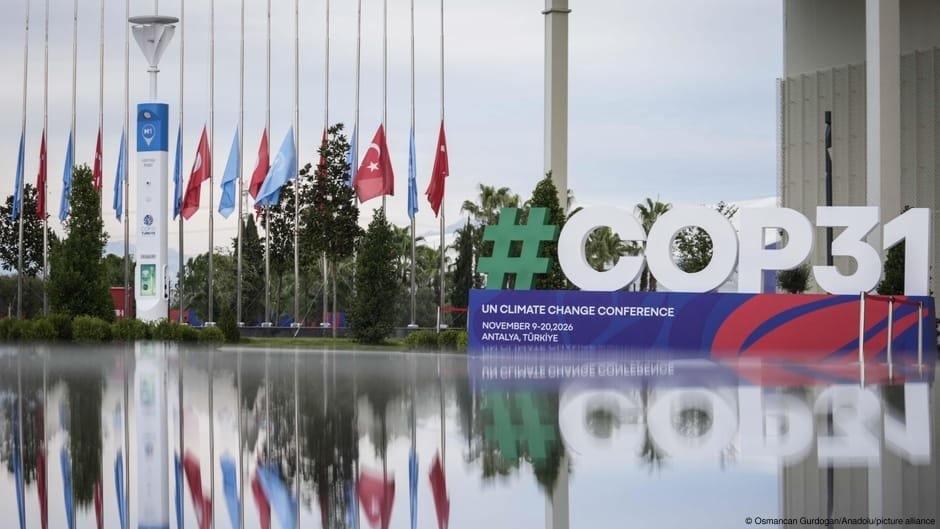
The transformation of the national electricity mix is at the heart of international climate debates. On the sidelines of the COP31 proceedings held on Tuesday evening in Antalya, the Minister for Energy, Mines and Sustainable Development, Charafat Afailal, called for a decisive acceleration of the electrification of economic sectors through renewable energy. Speaking at a session dedicated to global commitment to the energy transition, the minister emphasised that this shift is a vital lever for consolidating the Kingdom’s security of supply and reducing its energy dependence on foreign sources. With installed green power capacity reaching 5,780 megawatts out of a total electricity capacity of 12,364 megawatts, clean energy already accounts for nearly 47 per cent of the national energy mix and is set to exceed the 52 per cent threshold by 2030.
A massive investment plan and modernised infrastructure
To support this historic expansion, the national roadmap covering the period 2026–2030 allocates a total budget estimated at one hundred and thirty-three billion dirhams. This ambitious programme provides for the deployment of more than 18,000 megawatts of additional capacity, including nearly 12,000 megawatts from solar and wind power, alongside the development of 2,590 megawatts of electricity storage solutions. During her speech, the Minister emphasised the need to carry out a thorough modernisation of the transmission networks, strengthen regional interconnections and continue regulatory reforms aimed at unlocking private investment, whilst maintaining the national target of reducing overall energy consumption by 20 per cent by the end of the decade.
Benefits for industrial competitiveness and green jobs
The widespread adoption of low-carbon, competitive electricity is bringing about a lasting transformation in the economic and industrial appeal of the Kingdom’s regions. Access to abundant green energy offers a decisive comparative advantage to national exporting companies, particularly in the automotive, aerospace and chemical sectors, enabling them to meet the environmental standards of international markets. This vast infrastructure project is driving the emergence of new specialised professions in the maintenance of solar farms, smart grid engineering and energy efficiency management. By combining environmental rigour with economic sovereignty, the country is harnessing the skills of its young people and strengthening its status as a leading energy hub between Europe and the African continent.