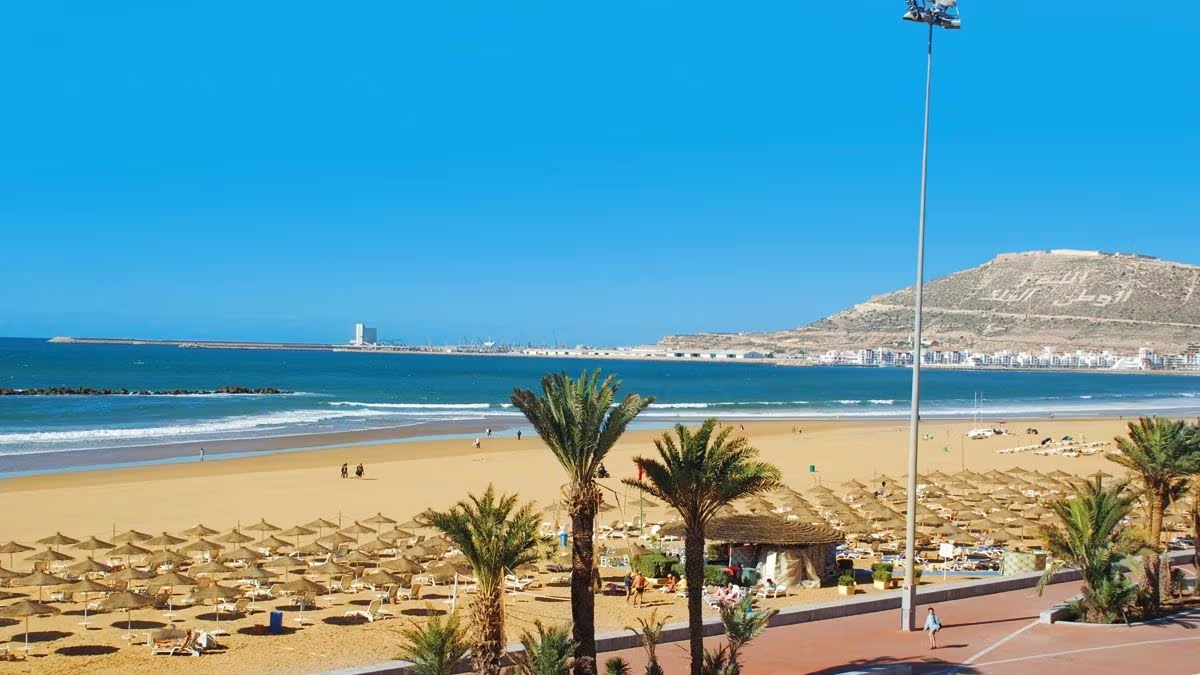
The seaside resort consolidates its national second place behind Marrakech with continuous growth.
The appeal of national seaside resorts confirms the driving role of the coastline in the economic expansion of the tourism sector. According to data published by the National Tourism Observatory, classified tourist accommodation establishments in the city of Agadir recorded 6,730,490 overnight stays during the first nine months of 2026. This performance represents a 9% increase compared to the same period of the previous year and accounts for 19% of the total volume of hotel overnight stays recorded nationwide. This foundation positions the capital of Souss in second place among the Kingdom’s tourist destinations, just behind Marrakech, which captures 32% of overall overnight stays. For the month of September alone, the destination of Agadir generated more than 751,000 overnight stays, posting an 8% year-on-year increase and a solid hotel occupancy rate of 76%.
Regional momentum driven by the appeal of Souss-Massa
The performance recorded in the regional capital irrigates the entire territory of Souss-Massa, confirming the relevance of coastal development investments. Over the first three quarters of the year, the region accumulated 7.21 million tourist overnight stays, up 9% year-on-year and representing more than a fifth of national hotel value with an average occupancy rate set at 70%. This sustained attendance falls within a highly favorable national context, where all classified accommodation establishments in the country totalized nearly 35 million overnight stays by the end of September, up 7% overall. The consistency of these tourist flows reflects the resilience of the national seaside product and the continuous upgrading of regional reception infrastructure.
Impact on local employment and the value chain
The steady rise in hotel attendance generates major spillover effects for the region’s economic and social ecosystem. The sustained activity of classified establishments fosters the creation of direct and indirect jobs in dining, tourist transport, cultural entertainment, and water sports. This public and private investment dynamic also supports local agricultural producers and regional artisans, who are called upon to supply hotel networks and tourist retail. By converting the influx of international and domestic visitors into lasting economic opportunities, the capital of Souss consolidates the value of its human capital, modernizes its urban offering, and affirms its position among the major seaside hubs of the Mediterranean and Atlantic basins.