Mandarin Oriental, Marrakech partners with the Italian fashion house to elevate its high-end offering and boost its destination appeal.
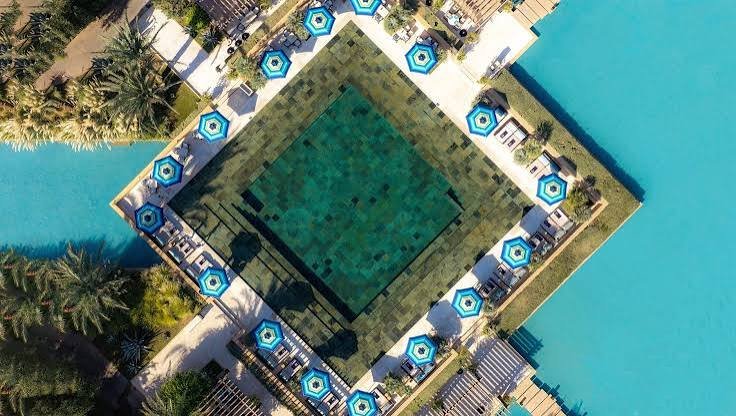
The ochre city’s positioning on the global map of exceptional tourism reaches a new milestone driven by prominent creative partnerships. In early November 2026, Italian fashion house Missoni formalized the launch of its very first Resort Club on national soil by taking over the Pool Garden aquatic area at Mandarin Oriental, Marrakech. The luxury brand completely redesigned the location’s aesthetic by dressing poolside amenities—from parasols and towels to lounge furniture—in its iconic graphic patterns. To access this exclusive experience without residing at the property, the hotel offers a day pass priced at 2,000 dirhams per adult, which includes site access and a three-course gourmet lunch, alongside tiered pricing for young children.
Ultra-luxury positioning and impact on tourism spending
The introduction of this innovative concept illustrates the capacity of local luxury establishments to refresh their guest offerings and captivate a demanding international clientele. Offering non-accommodation services enables hotels to maximize infrastructure profitability while generating substantial financial flows across dining and wellness segments. Establishing selective pricing structures helps maintain rigorous high-end positioning, reinforcing the national hospitality sector’s exclusive image. This dynamic boosts overall tourism revenues for the destination and encourages private investment toward the continuous elevation of service standards across leading brands in the Kingdom’s tourism capital.
Enhancing hospitality heritage and supporting local talent
Beyond the aesthetic and promotional dimensions, this synergy between haute couture and luxury hospitality creates a positive impact on the regional socio-economic ecosystem. Deploying these specialized pop-up spaces requires the ongoing mobilization of skilled professionals across operational management, table arts, security, and food service. These initiatives contribute to the continuous training of local hospitality staff and foster the integration of regional suppliers into the supply chain of top-tier establishments. By attracting prestigious international brands, the city confirms its status as a regional economic engine and an ambassador for national hospitality expertise across the continent.