Major international financial institutions confirm the Kingdom’s macroeconomic solidity, projecting sustained growth. However, weak creation of sustainable jobs remains the main challenge to overcome.
The Kingdom displays remarkable and rare macroeconomic credibility on a regional scale, driven by strong fundamentals and ambitious public investment momentum. According to projections by the Organisation for Economic Co-operation and Development, national gross domestic product growth is expected to reach 5.0% in 2026 before settling at 3.9% in 2027, while inflation is projected to temporarily rise to 3.2% before landing at 1.4%. These forecasts align with analyses by the World Bank, which praised a 4.9% expansion in 2025, marking the highest annual pace recorded over the past decade. Despite these highly favourable indicators supported by infrastructure modernization, the national economy remains vulnerable to global energy shocks and faces a core contradiction between accelerating wealth output and its low capacity to generate sufficient employment.
Labor market divide and the challenge of underutilization
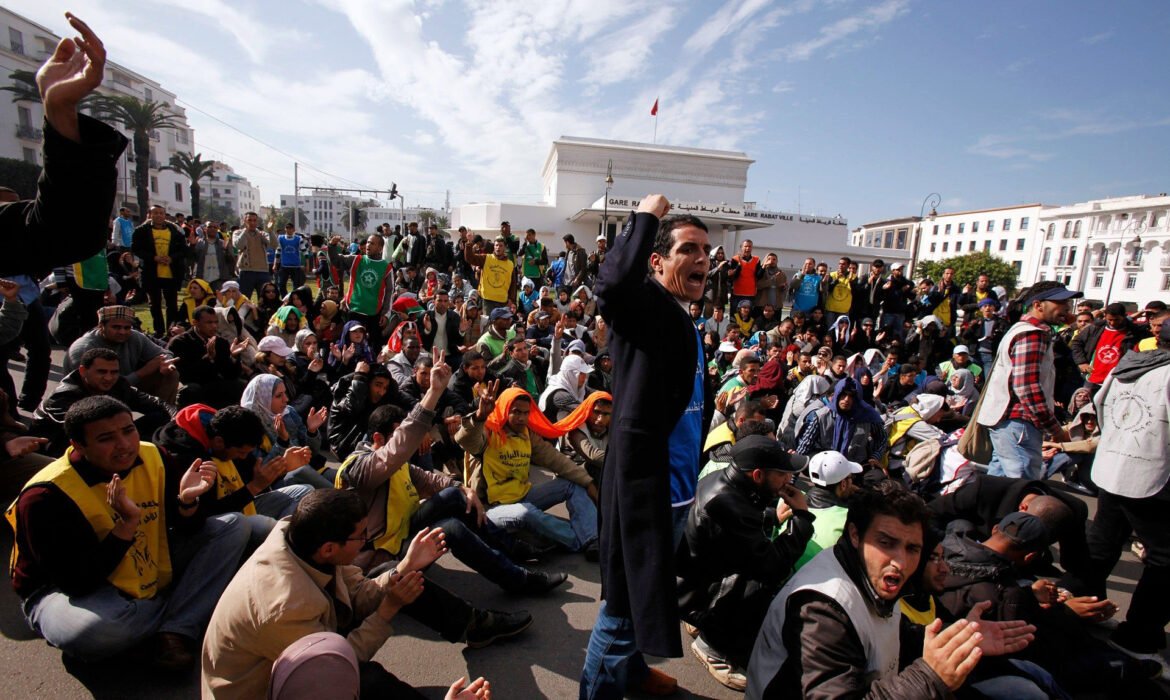
The main concern raised by international donors lies in the persistent gap between economic performance and citizens’ professional integration. The World Bank highlights overall labor underutilization reaching 22.5%, emphasizing the need to accelerate corporate digital transformation and support productivity to absorb new entrants. For its part, the International Monetary Fund confirms the resilience of Moroccan fiscal and monetary policy, while warning against the risk of social tensions if investment efforts do not translate into quality jobs. Integrating youth and women into the labor market thus remains the absolute priority for delivering an inclusive development model.
Strategic directions for more inclusive growth
To convert this story of credibility into shared prosperity, the Kingdom relies on a more effective link between major structural projects and the local small and medium-sized enterprise fabric. The strategic challenge for coming years consists of diversifying the productive ecosystem beyond capital-intensive sectors to stimulate labor-rich industries. Widespread digitalization, improved vocational training programmes, and the encouragement of entrepreneurship constitute the essential levers identified to bridge the employment divide. This roadmap will consolidate the economic trajectory while guaranteeing lasting social balance across the entire national territory.