Morocco is attracting over ten billion dollars in Chinese capital into batteries and renewable energy. Despite this massive effort, no automaker from the Middle Kingdom directly assembles its vehicles there yet.
Asian economic presence on national territory is crossing historical thresholds in high-tech and advanced industrial sectors. According to an analysis published in late October 2026, investment commitments from China to Morocco have passed the symbolic threshold of ten billion dollars. This major financial dynamic focuses primarily on the electric vehicle value chain, including the manufacture of next-generation batteries, the processing of industrial materials, and the development of green energy. In Kénitra, giant Gotion High-Tech is deploying a battery gigafactory for an initial sum of over one billion dollars, while in Jorf Lasfar and Tangier Tech, other major players such as CNGR and BTR are consolidating the national ecosystem.
The absence of direct assembly units from Chinese automakers
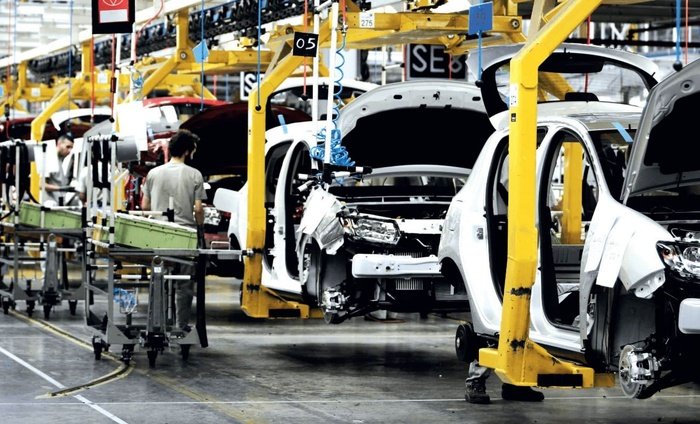
Although the Kingdom has established itself as a major automotive assembly hub thanks to the successful operations of the Renault and Stellantis groups, Chinese car brands still do not operate their own production facilities on national soil. The flagship project once led by automaker BYD in Tangier resulted in the abandonment of the assembly plant due to financing constraints and the lack of maturity of charging infrastructure at the time. High-end components and materials thus continue to be manufactured locally to supply international supply chains, without complete vehicles carrying Asian brand names currently rolling off Moroccan assembly lines.
The European customs framework as a major strategic lever
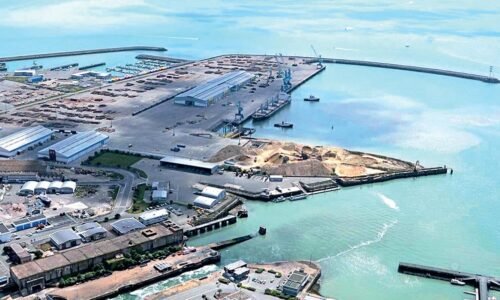
The sustained interest of Beijing’s industrial players in the Moroccan platform is explained by decisive tax and geopolitical stakes facing European Union trade rules. Indeed, electric vehicles exported directly from China to the European continent face standard customs duties combined with surcharges that can reach particularly deterrent levels. By setting up factories in Morocco to benefit from free trade agreements and preferential rules of origin, these industrialists intend to leverage local phosphate resources, the proximity of the Tanger Med port, and the existing network of subcontractors. The upcoming opening of a first complete assembly line would thus represent the ultimate stage of this large-scale industrial cooperation.