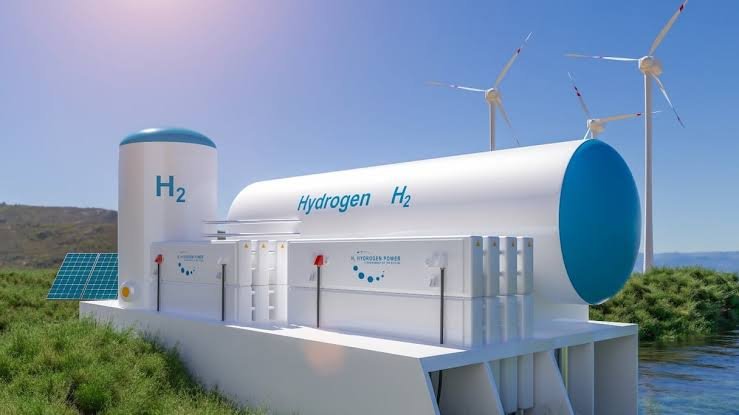
In its Global Hydrogen Review 2026 report, the International Energy Agency (IEA) recognises Morocco’s leadership by ranking it first on the continent for the competitiveness of its green hydrogen. This international recognition makes 2026 a pivotal year for the Kingdom’s energy transition.
Morocco is consolidating its position as a pioneer on the African continent. Thanks to a visionary strategy launched as early as 2021, the Kingdom is no longer content merely to set out its ambitions: it now boasts the most competitive production costs in Africa for the energy of tomorrow.
The lowest production cost on the continent
According to the IEA’s forward-looking analyses, Morocco is able to produce green hydrogen from as little as 3.2 dollars per kilo. This price puts it well ahead of other African countries:
Morocco : from 3.2 $/kg
Kenya : from 4.2 $/kg
Mauritania : from $5.1/kg
Namibia and Angola : around $6.5/kg
This significant lead is due to a combination of exceptional solar and wind resources, coupled with a particularly favourable cost of capital – a factor deemed decisive by the IEA. The agency also highlights the clarity of Morocco’s choice: to focus exclusively on 100 per cent renewable hydrogen, unlike other regional players who are maintaining a share of fossil fuels.
2026 : from strategy to industrial achievements
The roll-out of the ‘Morocco Offer’ has created a particularly attractive ecosystem for foreign capital, combining a land bank of 300,000 hectares for its first phase, financial incentives covering up to 30 per cent of the investment, and targeted tax exemptions.
The year 2026 marks a tangible acceleration in project development :
Land agreements : Six major projects have signed land reservation agreements in the southern provinces, led by key players such as the OCP Group and the Taqa Morocco/Cepsa consortium.
Guelmim-Oued Noun pilot project : Led by Masen and backed by a €300 million loan from the German bank KfW, the ‘Power to X’ project aims to produce 10,000 tonnes of green hydrogen annually using a 200 MW hybrid solar-wind power station.
By transforming its natural advantages into industrial assets, Morocco is firmly establishing itself as the future leading energy hub between Africa and Europe.