With a major pilot project backed by Germany and the selection of six international consortia in the southern provinces, Morocco’s green hydrogen strategy is taking a decidedly operational turn. The Kingdom is pulling out all the stops to become a key supplier of clean energy to Europe.
Morocco is stepping up a gear in the global race for the energies of the future. Thanks to an exceptional combination of sunshine, wind resources, vast tracts of land and a strategic geographical proximity to the European continent, the Kingdom is actively rolling out its ‘Offre Maroc’ initiative for green hydrogen.
A large-scale pilot project in Guelmim-Oued Noun
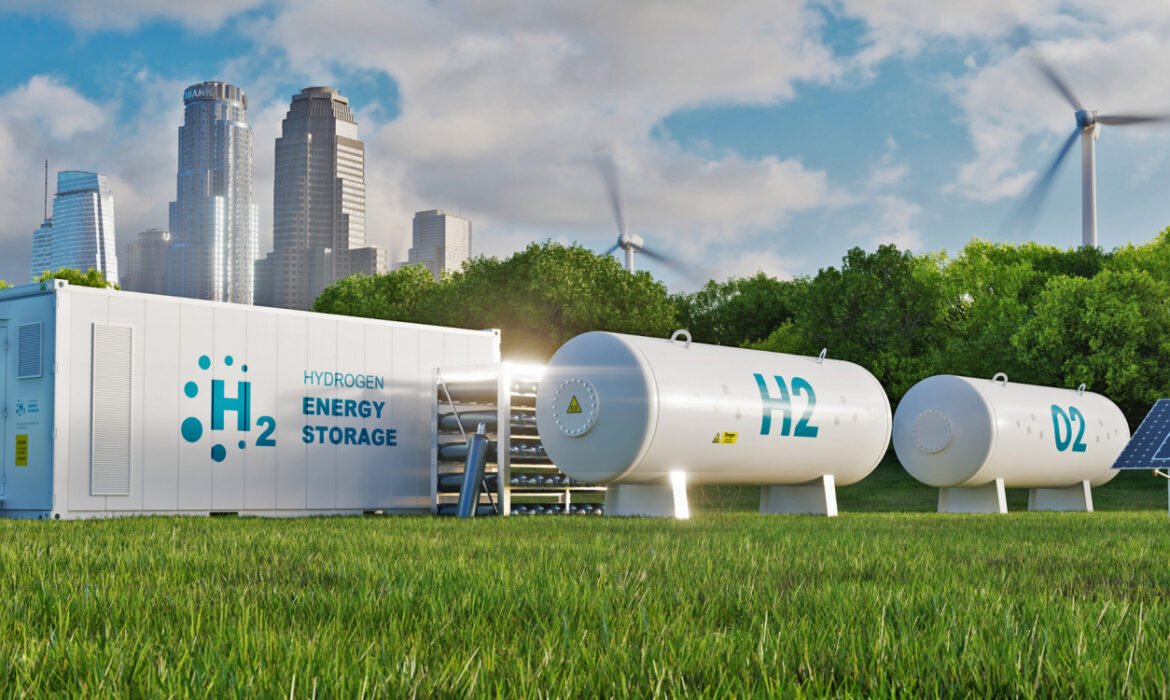
At the heart of this initiative, the Masen agency is leading a flagship demonstration project in the Guelmim-Oued Noun region. Aiming to produce 10,000 tonnes of green hydrogen per year, this infrastructure will comprise:
A 200 MW hybrid solar and wind power plant;
An electrolyser with a capacity of at least 100 MW;
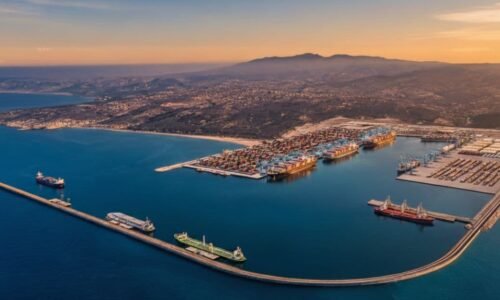
A seawater desalination plant based in Tan-Tan, whose port is earmarked to host future export infrastructure.
This strategic project is receiving significant financial support from the German Development Bank (KfW), which is providing €300 million in loans and grants.
Global giants mobilised in the southern provinces
The appeal of the Moroccan model is proving its worth to international investors. The Minister for Energy Transition and Sustainable Development, Leila Benali, has officially announced the selection of six consortia to develop seven flagship projects spread across the three regions of southern Morocco.
Among the selected players are the OCP Group, as well as a consortium comprising Taqa Morocco and the Spanish group Cepsa. Ultimately, these investments are set to deliver nearly 20 GW of renewable energy capacity.
As the Minister emphasised, the sector is reaching a decisive milestone by moving “from a phase of intentions to a process of operational structuring”. Echoing the energy partnership sealed with Germany in 2020, these developments position Morocco, more than ever, as a key player in the Euro-Mediterranean energy transition.