
Before Parliament, the Minister Delegate for the Budget presented the cost of 2030 World Cup infrastructure, highlighting the benefits for employment, investment, and the integration of local SMEs.
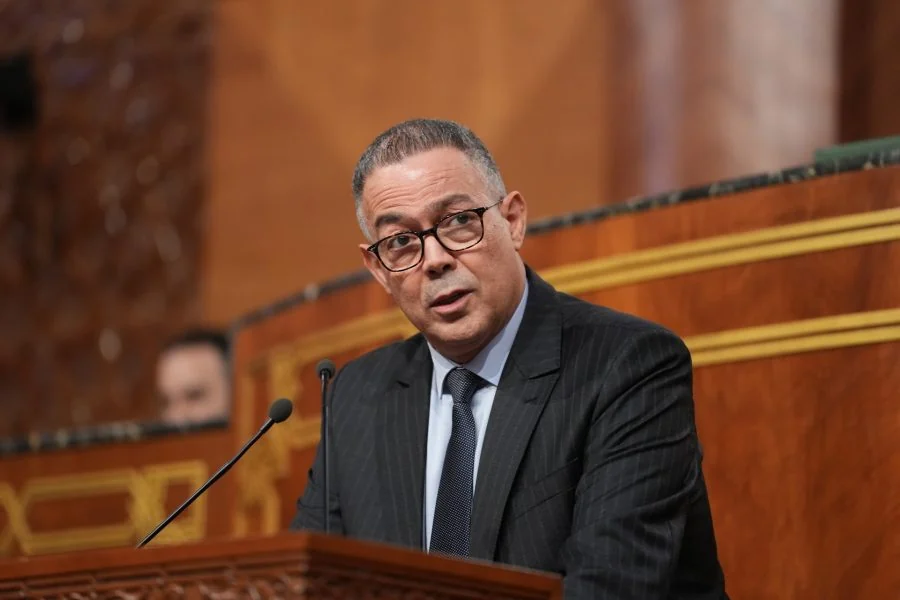
Preparations for the 2030 World Cup serve as a powerful catalyst for investment and industrial modernization across the entire national territory. Speaking this Tuesday, 3 November 2026, before the House of Representatives, Minister Delegate to the Minister of Economy and Finance, in charge of the Budget, Fouzi Lekjaa, presented a comprehensive review of preparations and financial prospects for the global tournament. The Executive confirms that the overall upgrading programme for stadiums, connectivity, and transport networks aligns with a lasting national development plan. This structural momentum aims to generate sustainable economic benefits, boost tax revenues, and modernize the management of public facilities well beyond the sporting competition.
The Grand Stade Hassan II and stadium modernization
At the heart of the national bid, the Grand Stade Hassan II project in Benslimane stands out as an architectural and technological benchmark internationally. The 115,000-seat venue, designed to meet the highest FIFA requirements to host the competition’s flagship matches, is subject to rigorous financial oversight aimed at maximizing its post-event utility. In parallel, renovation programmes underway across all major stadiums in the Kingdom mobilize national companies specializing in construction, civil engineering, and cutting-edge technologies. This ramp-up of infrastructure guarantees the smart reuse of sports facilities to support the reach of national clubs and major cultural events.
Job creation, local skills, and support for the MSME fabric
The economic impact of these major projects translates into a significant ripple effect on the job market and on the activity of small and medium-sized enterprises. Public investments injected into construction, transport, and associated services stimulate the integration of local MSMEs within regional subcontracting chains. Furthermore, preparing professions in hospitality, logistics, and infrastructure management fosters training and upskilling for a new generation of qualified technicians and professionals. By supplying different job centers across the country, organizing the 2030 World Cup transforms the logistical challenge into a lever for inclusive growth for youth and regions.