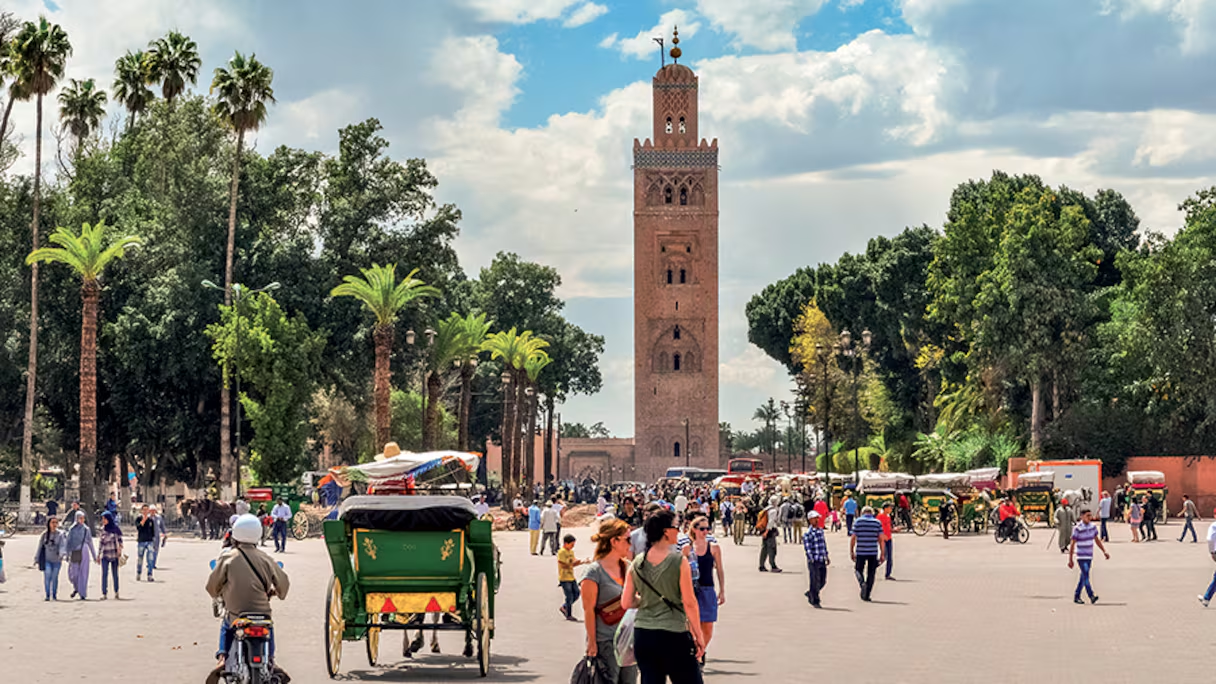
At the end of August, travel revenues recorded sustained growth, confirming the momentum toward 2030.
The tourism engineering and promotion sector has established itself as a major driver of the national economy. According to indicators released by the Exchange Office, the destination’s travel revenues reached 97.9 billion dirhams by the end of August 2026, marking a 9.7% increase compared to the same period of the previous year. This financial performance is accompanied by a continuous influx of visitors, with the Kingdom recording 15.7 million arrivals by the end of September. The growth in revenues outpacing physical entries reflects a significant rise in the average value generated per visitor. This positive momentum relies on the expansion of international air routes, the upgrading of hotel infrastructure, and the enhanced appeal of the country’s various regional destinations.
Strategic investment plans for the 2030 horizon
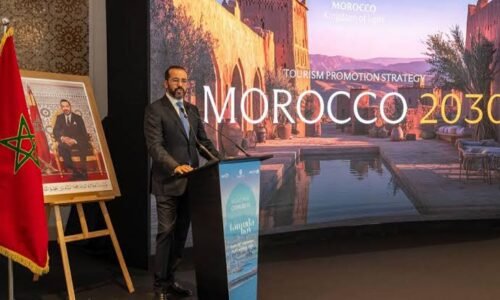
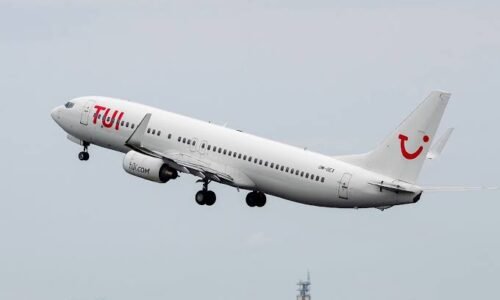
To consolidate this growth and prepare for major continental and global events, governing bodies are mobilizing unprecedented financial resources. The Moroccan Tourism Engineering Company plans to attract nearly 50 billion dirhams in public and private investment over the 2026–2030 period to diversify entertainment offerings and expand accommodation capacity across regional establishments. In parallel, the Moroccan National Tourism Office will deploy an investment budget of 2.2 billion dirhams for the 2027 fiscal year. These financial allocations will target the opening of new direct air routes, the digitization of promotional campaigns, and the penetration of high-potential source markets worldwide.
Impact on regional employment and value creation
The target set by public authorities aims to welcome 26 million tourists by 2030 while distributing economic benefits across the entire territory. The expansion of the sector directly supports the creation of skilled jobs in dining, lodging, tourist transport, and the promotion of local craftsmanship. The modernization of cultural and leisure facilities energizes local economies and offers new career prospects for youth in both rural and urban areas. By converting visitor flows into lasting added value, the country consolidates the resilience of its tourism model, attracts major international investors, and affirms its position among top-tier global destinations.